
Sauces & Condiments
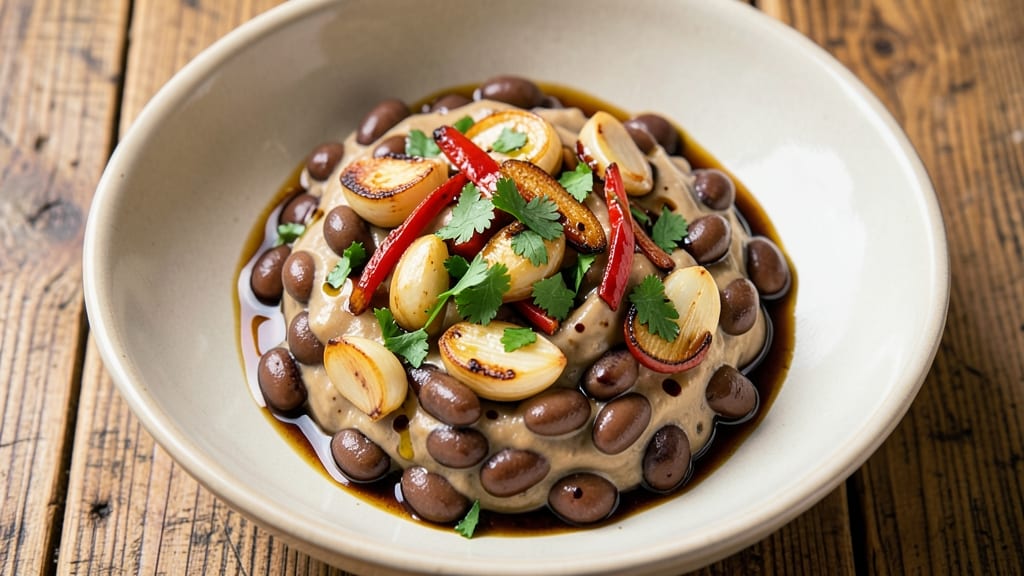
This boiling point garlic bean paste transforms humble ingredients into a savory umami bomb that elevates stir-fries, noodles, and dips. The secret lies in slow-cooking dried beans with garlic until they break down into a thick, aromatic paste—no fancy equipment required.
I developed this recipe after years of testing bean-based sauces, and the result is a deeply flavorful base that builds complexity without overpowering dishes.
The process is straightforward but requires patience: dried beans simmer with garlic, oil, and a splash of water until they dissolve into a rich paste. This method concentrates flavor while reducing mess, and the paste keeps for weeks in the fridge.
What makes it special is how it transforms simple meals—just a spoonful adds layers of garlic, bean, and umami depth that store-bought pastes can’t match.
Perfect for vegan diets, this paste works as a stir-fry sauce, noodle dressing, or even a dip for spring rolls. The texture is thick and spreadable, with a balance of garlic punch and earthy bean richness.
Once you try it, you’ll never reach for jarred sauces again—the flavor is that transformative.
Ready in about 45 minutes, this recipe delivers restaurant-quality depth with minimal effort. The key is letting the beans cook low and slow, so every bite carries that unmistakable umami kick. Let’s get cooking!
Ingredients for boiling point garlic bean paste
Nine ingredients, one transformative paste—elevate every stir-fry with this umami-rich bean-garlic base.
| Ingredient | Amount | Notes |
|---|---|---|
| Dried White Beans (Navy or Cannellini) 🌱 | 1 cup | Rinsed thoroughly before use |
| Fresh Garlic Cloves 🧄 | 8 cloves | Peeled and roughly chopped |
| Extra-Virgin Olive Oil 🫒 | ½ cup | High-quality, fruity variety |
| Vegetable Broth 💧 | ½ cup | Low-sodium preferred |
| Soy Sauce (or Tamari for gluten-free) 🍶 | 2 tbsp | Full-bodied variety |
| Sesame Oil 🫒 | 1 tbsp | Toasted for aroma |
| White Miso Paste 🧈 | 1 tbsp | Rich, fermented flavor |
| Diamond Crystal Kosher Salt 🧂 | 1 tsp | Adjusts to taste |
| Fresh Ginger (optional) 🌿 | 1 tbsp | Grated finely |
The dried beans are the foundation—cannellini or navy beans work best for their creamy texture, but any white bean will do. Soak overnight for faster cooking, but the recipe works fine with unsoaked beans if you simmer longer. For garlic, fresh cloves are non-negotiable—their flavor concentrates into the paste. If you're using bulk bins at Whole Foods or Trader Joe's, check the beans for any discoloration or odd smells before purchasing. The olive oil should be extra-virgin with noticeable fruity notes—this isn't just fat, it's flavor carrier. I prefer California avocado oil for its high smoke point, but olive oil works perfectly for this low-and-slow method.
No vegetable broth on hand? Water plus 1 tsp soy sauce works in a pinch, though the flavor will be subtler. Substituting gluten-free tamari for soy sauce is ideal if you're avoiding gluten. The miso paste adds depth—white miso is milder and lets the garlic shine, while red miso adds complexity. If you can't find white miso, 1 tsp of white miso powder mixed with 1 tsp water works. The sesame oil should be toasted—Kadoya brand from Asian markets is my go-to, but any quality toasted sesame oil will do. For ginger, freshly grated is best, but if you're using powdered, reduce to 1/2 tsp—it's potent stuff.
This paste develops flavor over time, so make a double batch—it keeps for 2 weeks refrigerated and 6 months frozen. Store in an airtight container with a thin layer of olive oil on top to preserve freshness. The texture will thicken as it cools, so add a splash of water if it becomes too stiff. Freeze in ice cube trays for single-serving portions—perfect for quick stir-fries. Once opened, the paste's flavor actually improves over 3-4 days as the umami compounds meld together.
Why You'll Love This Recipe
- No-Fuss Pantry Staples: I swear by this recipe because it turns things I already have into something special. Dried beans? Check. Garlic and olive oil? Always on hand. No last-minute grocery runs—just pull, soak, and simmer.
- Umami Bomb Combo: That garlic-soy broth reduction? Chef’s kiss. The beans soften into a creamy texture while the garlic caramelizes just enough to add depth—like a cozy hug in a bowl. (Yes, even on a Tuesday night.)
- Double-Duty Magic: Use it as a spread for toast, a dip for veggies, or a thickener for soups. I’ve even stirred it into pasta—it’s the secret weapon that makes simple meals feel gourmet without extra effort.
- Budget-Friendly Leftovers: A big batch costs pennies and lasts all week. Freeze what you don’t use; it’s just as good reheated. Honestly, the first time I made this, I tripled the recipe just to have it on hand.
Step-by-step instructions for garlic bean paste with deep umami flavor
Transform simple ingredients into a concentrated flavor base that elevates any stir-fry or sauce.
Soak and Parboil the Dried White Beans
Place the 1 cup dried white beans in a bowl and cover with cold water by 2 inches. Let them soak for at least 4 hours or overnight—this ensures even cooking and prevents hardness. Drain and rinse thoroughly before proceeding.
Transfer the soaked beans to a medium saucepan and cover with fresh cold water by 1 inch. Bring to a boil over high heat, then immediately reduce to medium-low heat and simmer for 10 minutes. The beans should be slightly undercooked at this stage—they'll finish cooking during the paste-making process. Drain again and set aside.
Toast the Garlic and Build the Base
Heat the 0.5 cup extra-virgin olive oil in a heavy-bottomed skillet over medium heat. Add the 8 peeled garlic cloves and cook until they turn golden brown and fragrant, about 3-4 minutes. Be careful not to burn them—they should smell sweet and nutty, not bitter.
Remove the garlic from the pan and set aside, leaving the oil in the skillet. Add the parboiled beans to the warm oil and cook for 2 minutes, stirring constantly to prevent sticking. This step develops the bean flavor and prepares them for the paste texture.
Blend Until Silky Smooth
Transfer the beans and garlic to a high-powered blender or food processor. Add the 0.5 cup vegetable broth, 2 tablespoons soy sauce (or tamari), 1 tablespoon white miso paste, and 1 teaspoon kosher salt. If using, add the 1 tablespoon finely grated fresh ginger for a subtle zing.
Blend on high speed until completely smooth, scraping down the sides as needed. The mixture should become a thick, velvety paste with no visible texture. This process typically takes 2-3 minutes—patience here ensures the perfect consistency for your stir-fries.
Finish with Sesame Oil for Depth
Return the blended paste to the skillet and cook over medium-low heat for 5-7 minutes, stirring frequently. The paste will thicken as moisture evaporates. When it reaches a spreadable consistency and coats the back of a spoon, remove from heat.
Stir in the 1 tablespoon sesame oil and taste immediately. Adjust seasoning with additional soy sauce or salt if needed—the paste should be rich, umami-forward, and balanced. Let it cool to room temperature before storing or using in recipes.
Pro Tips For Making Boiling Point Garlic Bean Paste
- Soak Beans Overnight: I used to toss them in cold water for an hour and wonder why they never softened properly. Navy beans need at least 8 hours soaking—set them in a bowl with plenty of water (cover by 2 inches) and a pinch of salt. Rinse and drain before cooking to avoid cloudy water.
- Crush Garlic Coarse: Minced garlic burns fast and turns bitter. Use a knife to smash whole cloves flat, then chop into rough pieces—this way, they release flavor without turning to paste. For extra depth, let them sit in olive oil for 5 minutes before adding broth.
- Simmer, Don’t Boil: The moment your beans hit a rolling boil, turn the heat down to a gentle simmer. Boiling too hard makes the skins tough and the paste grainy—keep it at a low, steady bubble, and stir occasionally to prevent sticking.
- Reduce Broth Slowly: After blending the beans and garlic, pour the mixture back into the pot and let it reduce uncovered on medium-low heat. This evaporates excess liquid and concentrates the flavor—skip the lid, or you’ll end up with a watery paste. Stir often to avoid scorching.
Creative variations of this recipe
Vegan Stir-Fry Sauce
This paste doubles as a vegan stir-fry sauce that rivals store-bought versions. Thin it with 2-3 tablespoons water per 1 tablespoon paste and toss with tofu, bok choy, and shiitake mushrooms for a protein-packed meal.
I love adding 1 teaspoon sriracha for heat or 1 tablespoon hoisin for sweetness. The umami depth carries through high-heat cooking, so it works even after 10 minutes on the stove. 🔥
Spring Roll Dip
Mix 2 tablespoons paste with 1 tablespoon lime juice, 1 teaspoon honey, and 1 tablespoon chopped cilantro for a refreshing spring roll dip. Serve chilled with rice paper rolls or store-bought spring rolls.
The garlic bean base adds a savory punch that balances the acidity. For extra richness, drizzle with chili crisp before serving. This dip keeps well for 5 days in the fridge.
Noodle Dressing
Whisk 1 tablespoon paste with 2 tablespoons peanut butter, 1 tablespoon rice vinegar, and 1 teaspoon maple syrup for a creamy noodle dressing. Toss with udon or ramen noodles and top with crushed peanuts and bean sprouts.
The paste’s texture clings beautifully to noodles, while the peanut butter adds a smooth, nutty contrast. Double the sauce for a heartier bowl.
Umami Bread Spread
Mix 1 tablespoon paste with 1 tablespoon vegan mayo and 1 teaspoon Dijon mustard for a savory bread spread. Spread on toasted baguette slices or sourdough and top with avocado or sliced radishes.
The garlic bean flavor shines as a vegan alternative to paté. Store leftovers in an airtight container for up to 3 days—perfect for quick snacks.
Soup Booster
Add 1 tablespoon paste to vegan miso soup or lentil stew in the last 5 minutes of cooking. It deepens the umami without overpowering other flavors. I also stir it into tomato-based soups for a garlicky, bean-rich twist.
The paste dissolves smoothly, so no blending is needed. For extra richness, finish with a drizzle of toasted sesame oil.
Global Twist: Thai-Inspired
Blend 1 tablespoon paste with 1 tablespoon red curry paste, 1 teaspoon fish sauce substitute (like vegan oyster sauce), and 1 tablespoon coconut milk for a Thai-inspired stir-fry sauce.
Use it with tofu, bell peppers, and basil for a quick pad thai-style meal. The garlic bean paste adds a textural depth that store-bought curry pastes can’t match. 🌶️
Nutrition facts
Frequently asked questions
Can I use canned beans instead of dried for this garlic bean paste?
While dried beans create the best texture and flavor, you can use canned beans in a pinch. Drain and rinse 1.5 cups of canned white beans (like cannellini) and follow the same process, but reduce the vegetable broth to 0.25 cup since canned beans contain more moisture. The paste will be slightly less concentrated but still delicious.
Why does my paste taste bitter or burnt?
This usually happens from overcooking the garlic or letting the paste simmer too long. For perfect flavor, remove garlic when it's golden brown (about 3-4 minutes) and cook the final paste only until it thickens (5-7 minutes). If it tastes bitter, add a pinch of sugar or a splash of soy sauce to balance it.
How do I adjust the consistency if my paste is too thick or too thin?
Too thick? Thin with 1 teaspoon water at a time while blending. Too thin? Return to the skillet and cook uncovered over low heat for 2-3 minutes, stirring constantly. The paste should be spreadable but not runny—like thick hummus. For extra richness, stir in 1/2 teaspoon sesame oil if needed.
Can I make this paste without a blender?
Yes, but the texture will be coarser. After parboiling the beans, mash them with a potato masher or fork until smooth. Then, stir them into the warm oil and broth mixture in the skillet, cooking until thickened. The flavor will still be amazing—just less velvety. For best results, use a food processor or immersion blender if available.
What are the best ways to use up extra garlic bean paste?
This versatile paste keeps for weeks, so get creative! Mix it into vegan burgers for extra umami, stir it into vegetable curries, or spread it on toasted bread with avocado. Even 1 tablespoon per serving transforms simple meals—try it in tacos, grain bowls, or as a marinade for tofu.