
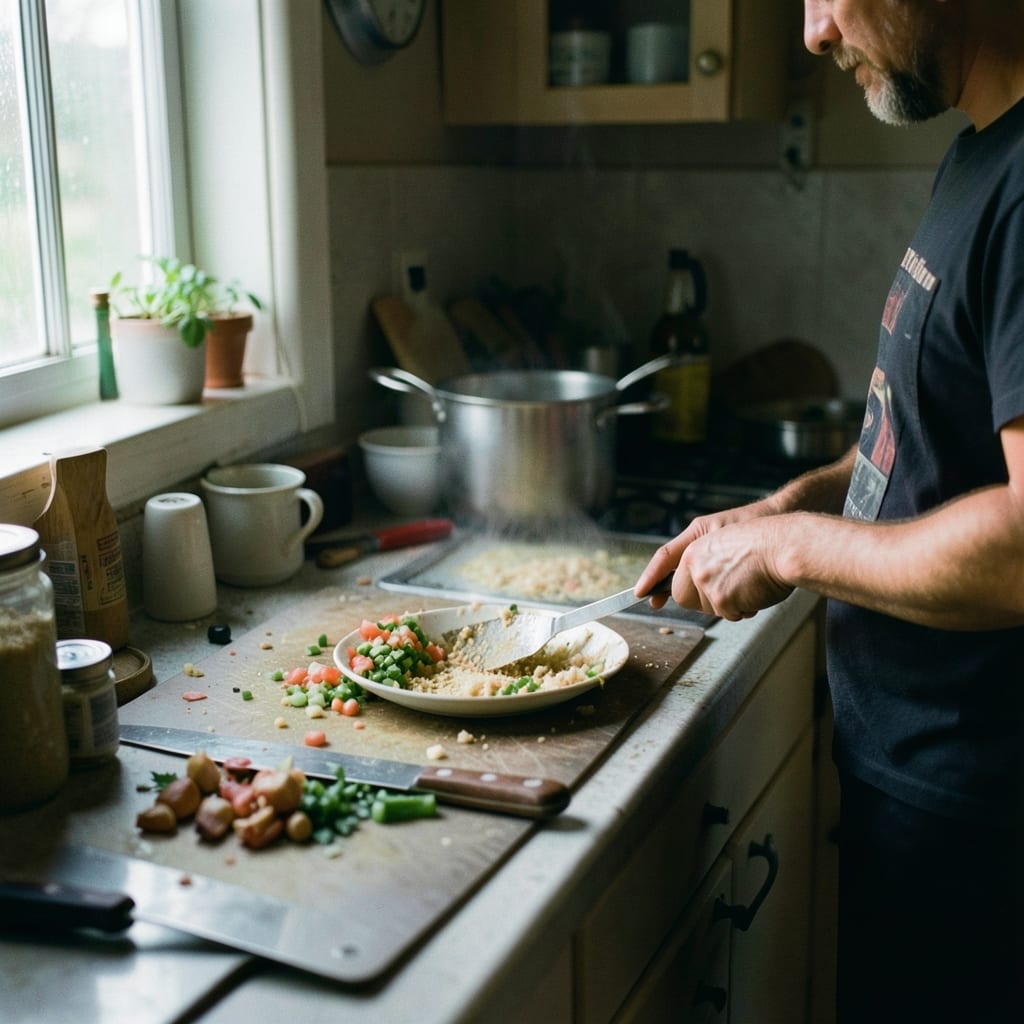
It started with one bean that never softened
The first time I tried to cook dried borlotti beans, I followed a recipe that swore they’d be tender in two hours. Two hours later, they were still rock-hard, no matter how much I simmered them.
The water stayed cloudy, the skins refused to split, and the texture was like chewing on a pebble. It was November, the kitchen was cold, and I was convinced I’d ruined dinner before it even began.
I doubled the cooking time. Nothing. I added baking soda, salt, vinegar—every trick I could find. The beans stayed stubborn. The pot boiled over twice, the stove vent clogged with steam, and by the third attempt, I’d burned the bottom of the pan.
The recipe had promised something easy; instead, I’d spent an evening staring at a pot of unyielding beans, wondering if I’d just been lied to.
That night, I realised the real work wasn’t in the recipe. It was in the bean itself—the way it resisted, the way it demanded patience before it would give anything back. And that’s when I knew this site wouldn’t just collect recipes.
It would start with the thing that always comes first: the slow soak, the first truth.
Nine tries before it worked
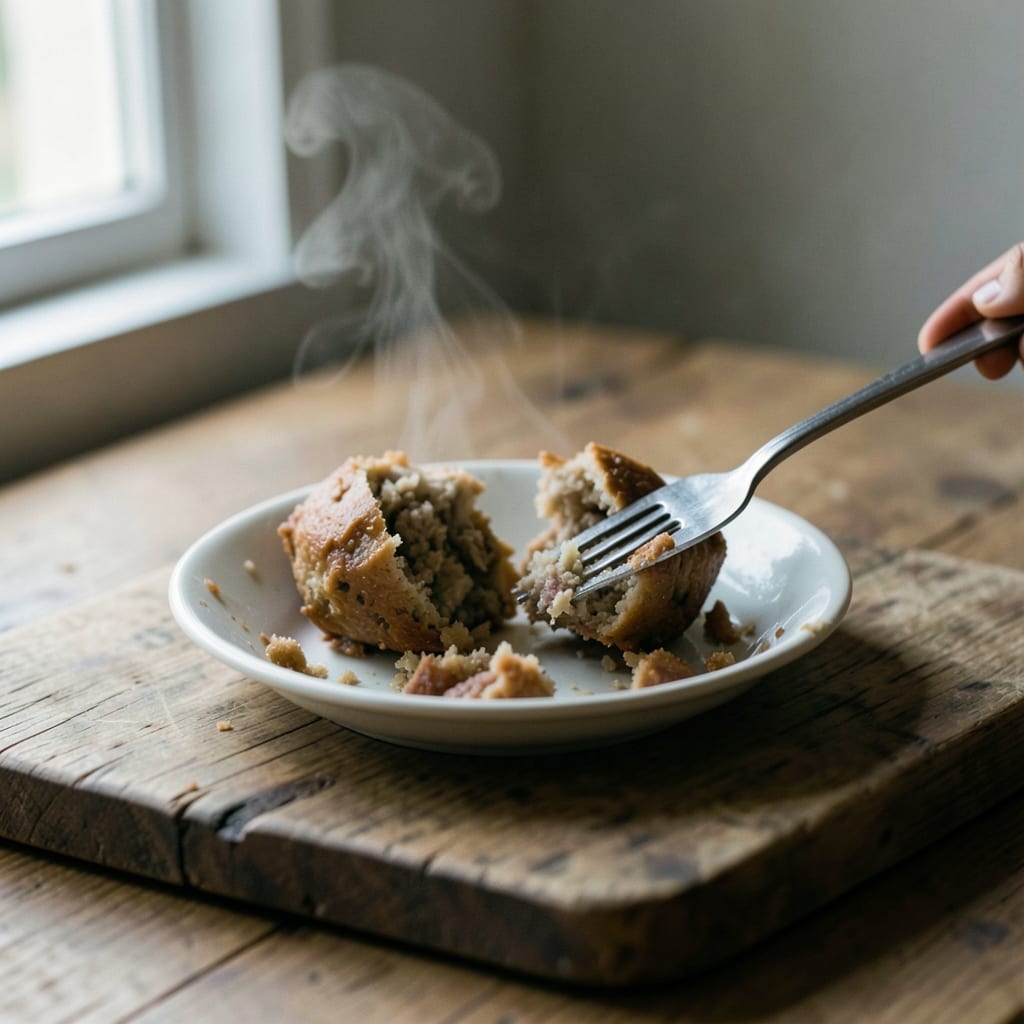
The second attempt lasted five hours. The beans were softer, but the skins split unevenly, leaving some still tough and others falling apart into mush.
The third try used a pressure cooker—20 minutes under pressure, and they were tender, but the flavor was flat, like they’d been steamed instead of cooked.
By the fifth attempt, I’d switched to a Dutch oven, simmering them low and slow with a bay leaf and garlic clove, but the water still didn’t clear.
The sixth time, I cheated: I soaked them overnight, then boiled them for three hours with a pinch of alum. They were perfect—creamy, tender, no grit—but the alum left a metallic aftertaste that ruined the dish.
The seventh attempt was worse: I forgot to add salt until the last 30 minutes, and the beans turned to paste. By the eighth, I’d given up on shortcuts and just let them cook in a pot of broth for six hours, stirring occasionally.
They were edible, but the broth was now a bean soup.
It wasn’t until the ninth try—soaking them for 12 hours in cold water with a splash of vinegar, then simmering them gently in fresh water with a handful of kombu seaweed—that they finally surrendered. The skins split cleanly, the texture was firm but yielding, and the broth was clear.
The kombu had done it: it softened the beans without overpowering them. That was the real lesson—not just how to cook them, but how to listen to what they needed.
The mind behind these pages
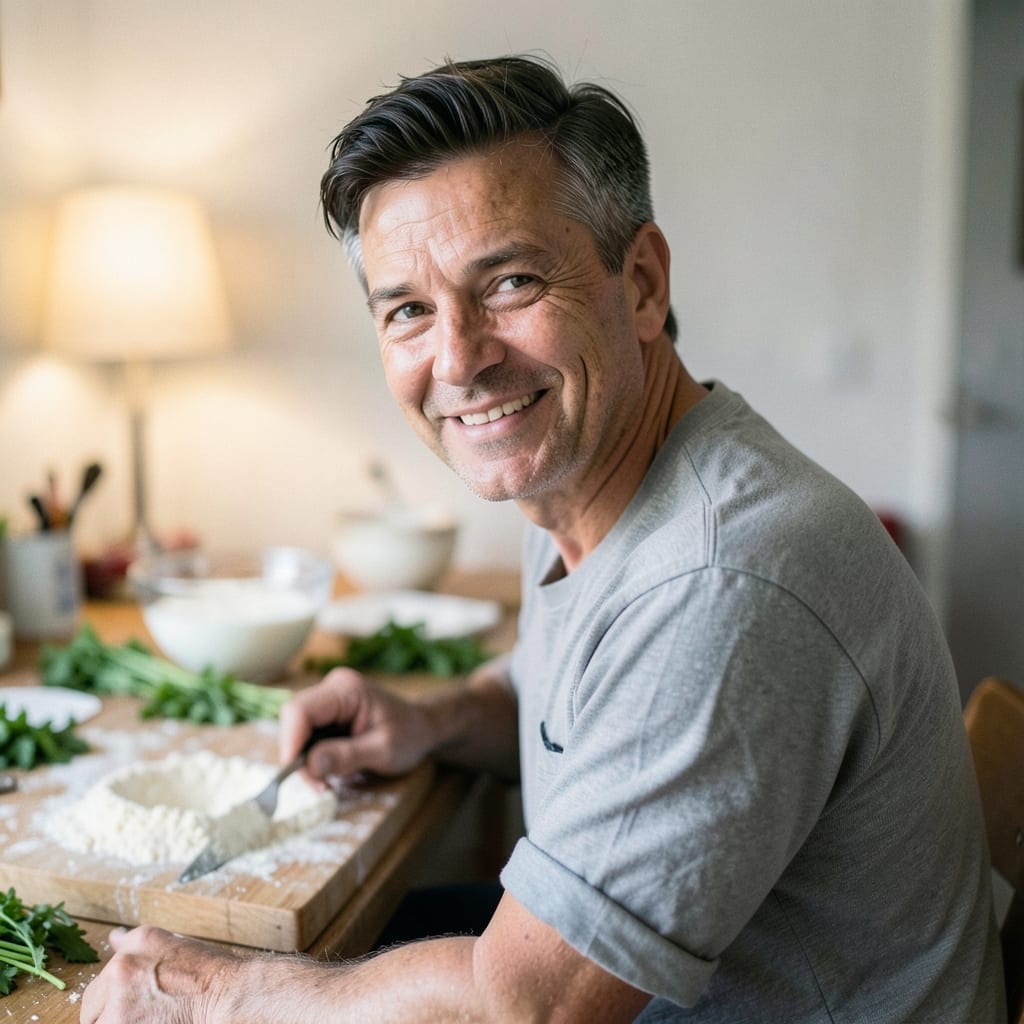
That was me—Desmond Dellinger—standing in that kitchen, stubborn as the beans themselves. I’m the one who kept trying, who treated every failed batch as another step toward the answer.
Here, I’m the editor, the one who decides which recipes make it to the site, but really, I’m just the person who refused to accept that cooking was about following instructions. It’s about figuring out what those instructions were missing.
I’m the kind of person who doesn’t quit after one try. Whether it’s a recipe, a project, or even learning an instrument, I’ll keep at it until I get it right—or until I understand why it won’t.
My grandmother used to say I had the patience of a saint and the stubbornness of a mule. She was right.
And that’s why every recipe here is tested at least nine times before it’s published: because I know what it’s like to spend an evening on something that just won’t work.
Outside the kitchen, I’m the guy who once spent three days trying to fix a wobbly bookshelf before admitting I should’ve just bought new brackets. Or the one who still attempts to grow herbs indoors, only to kill them within weeks. Failure isn’t the end; it’s just the next step.
But here, in these pages, the beans always soften. Eventually.
Everything here is written the way that bean was
That first batch of borlotti beans didn’t just teach me how to cook them—it taught me how to write about cooking. Every recipe here starts with the same question: *What will it take to make this work?* And the answer isn’t in the recipe card.
It’s in the soak, the simmer, the way the pot smells after an hour. That’s why you’ll never find a recipe here without a note on how long the beans soaked, or why the broth needed an extra hour.
We don’t just write down the steps. We write down the failures too—the times the beans stayed hard, the pans that burned, the batches that turned to mush. Because those are the moments that matter.
And we test every recipe at least nine times, not because we’re perfectionists, but because we’ve been there: staring at a pot of unyielding beans, wondering if we’ll ever get it right.
Even months later, when a recipe is published, it’s not set in stone. If someone writes in to say their beans took longer, or their oven runs hotter, we update the page. Because cooking isn’t about following rules. It’s about listening—first to the bean, then to the reader.
What that means for you
You’ll find no shortcuts here. No ‘easy’ labels, no ‘foolproof’ promises. What you *will* find are recipes that have been tested, retested, and tested again—until they work. Until the beans soften, the sauce thickens, and the dish tastes like it was meant to be made.
And if it doesn’t work the first time? That’s okay. The ninth try is where the real recipe begins.
You won’t find a single recipe that hasn’t been simmered, stirred, and argued with in this kitchen. Every soak time, every temperature, every ingredient is here because it matters.
And if you’ve ever stood in your own kitchen, frustrated by a dish that just won’t come together, you’ll know why we do it this way.
If your beans took six hours instead of three, or your sauce needed an extra splash of vinegar, tell us. The best recipes are the ones that keep learning—and so are we.
The recipes are grouped by category: Appetizers, Beverages, Breakfast & Brunch, Desserts, Main Courses and Salads.