
Side Dishes
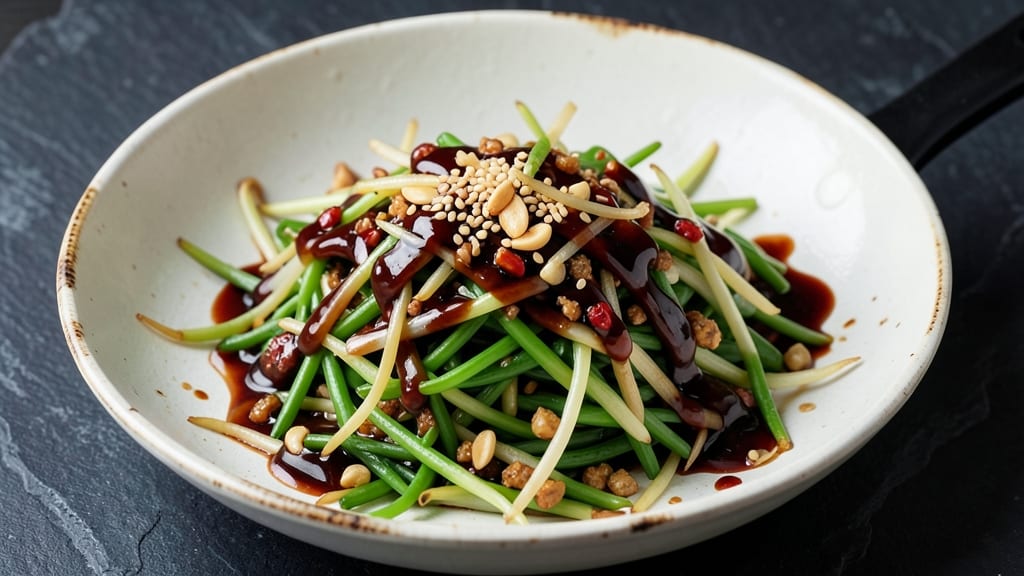
This Chinese-style bean sprouts recipe delivers crisp-tender bites packed with garlic-ginger heat that transforms a simple side into the star of your meal. The secret lies in high-heat stir-frying—just 5 minutes of active cooking preserves the sprouts' satisfying crunch while infusing them with aromatic flavors.
I developed this version after discovering how easily fresh bean sprouts absorb wok hei (breath of the wok) when cooked properly.
The magic happens in the sauce: a balance of dark soy for depth, light soy for brightness, and a touch of chili bean paste for that signature Chinese restaurant kick. Fresh ginger and garlic add layers of warmth, while a splash of rice vinegar cuts through the richness.
This isn't just a side dish—it's a flavor bomb that pairs perfectly with rice, noodles, or grilled meats, yet stands strong enough as a vegetarian main.
What you'll achieve is a dish that's tender yet crisp, with glossy edges from the sauce clinging to each sprout. The aroma alone will have everyone at the table reaching for seconds, while the texture delivers that perfect contrast between crunchy exteriors and tender centers.
The best part? It comes together in under 15 minutes with just 6 simple ingredients—no fancy techniques required.
Serve immediately while hot for maximum crunch, or let it sit for 10 minutes if you prefer slightly softer sprouts that soak up more of the flavorful sauce. This recipe proves that Chinese home cooking can be both authentic and approachable, delivering restaurant-quality results with minimal effort. Let's get cooking!
Ingredients for bean sprouts recipe chinese style
Six simple ingredients transform crisp bean sprouts into a restaurant-quality stir-fry with garlic-ginger heat.
| Ingredient | Amount | Notes |
|---|---|---|
| Fresh Bean Sprouts 🌱 | 4 cups | Trimmed and rinsed thoroughly |
| Fresh Garlic Cloves 🧄 | 4 cloves | Minced for aromatic punch |
| Fresh Ginger 🌿 | 1 tbsp | Finely grated, vibrant color |
| Dark Soy Sauce 🍶 | 1 ½ tbsp | For deep umami color |
| Light Soy Sauce 🍶 | 1 ½ tbsp | Brightens final flavor |
| Chili Bean Paste 🌶️ | 1 tbsp | For authentic heat |
| Rice Vinegar 🍶 | 1 tbsp | Balances richness |
| Neutral Oil 🫒 | 2 tbsp | High smoke point preferred |
| Sesame Oil 🫒 | ½ tbsp | For aromatic finish |
| Green Onions 🧅 | 2 whole | Sliced, for garnish |
| Salt 🧂 | ¼ tsp | Adjust to taste |
The bean sprouts are your canvas—freshness is non-negotiable. Look for vibrant, plump sprouts with no yellowing at the Asian market or grocery store's produce section. Trim the ends before using, and give them a quick rinse to remove any dirt. For garlic and ginger, fresh is essential—minced garlic should smell pungent, and ginger should be firm with no mold. The dark soy sauce gives that signature Chinese restaurant color, so don't skip it. I always grab Lee Kum Kee brand chili bean paste from the Asian aisle—it's the closest to what I tasted in Hong Kong.
No dark soy sauce? Substitute with 1 tbsp regular soy sauce plus 1 tsp molasses for depth. Fresh ginger too fibrous? Powdered ginger at half the amount works in a pinch, though texture will differ. The sesame oil is purely for aroma—use sparingly, or omit entirely if you prefer a lighter dish. For extra heat, add a pinch of red pepper flakes. The green onions can be swapped for cilantro if you prefer, but traditionalists will insist on the classic onion finish. Trader Joe's carries all these ingredients in one place, making it a perfect quick grocery run.
Bean sprouts wilt fast—use within 3 days of purchase for best texture. Store untrimmed in a breathable bag in the fridge. The sauce components keep indefinitely, so mix them ahead and store in a small jar for up to 2 weeks. For make-ahead convenience, prep all ingredients except the sprouts and sauce—combine them just before stir-frying. This dish reheats beautifully, though texture will soften further. Serve immediately for that wok hei aroma punch.
Why You'll Love This Recipe
- No-Chop Night Saved: I swear by this for those nights when I’m too tired to dice anything. Toss in whole garlic cloves (yes, really) and thinly sliced ginger—no knife skills required. The sprouts cook in minutes, and the soy sauce does all the flavor work for you.
- Umami Bomb: That combo of dark and light soy sauce? It’s what makes this dish ridiculously good. The dark soy gives it a glossy, caramelized depth, while the light keeps it bright and savory. Honestly, I’ll take this over takeout any day.
- Lunchbox Hero: Between us, this is my go-to for packed lunches. The texture holds up perfectly—crispy sprouts, tender garlic, and that sticky-sweet soy glaze. My kids still ask for it even after I’ve made it 20 times.
- Pantry Stretch: Bean sprouts are cheap, and a few cloves of garlic plus a thumb of ginger last forever. I’ve fed a family of four for under $5 with this—plus, leftovers reheat like a dream. Budget win, no guilt.
Step-by-step instructions for crisp-tender stir-fry with garlic ginger heat
Master this classic technique for perfectly tender bean sprouts with bold, balanced flavors.
Prepare the Bean Sprouts for Maximum Crisp-Tenderness
Start by thoroughly rinsing the 4 cups of fresh bean sprouts under cold water to remove any dirt or debris. Drain well in a colander and gently shake to remove excess moisture. The key here is to handle them as little as possible—overworking makes them mushy. Spread them on a clean kitchen towel and pat dry with another towel, pressing gently to remove surface water. This step ensures they'll develop that signature crisp-tenderness when stir-fried.
While the sprouts dry, prepare a large mixing bowl. Add the 4 cloves of minced garlic cloves and 1 tablespoon of finely grated fresh ginger to the bowl. This aromatic base forms the flavor foundation of the dish. The ginger should be grated on the fine side of a box grater for even distribution throughout the stir-fry. This preparation creates a flavor matrix that will infuse the sprouts perfectly during cooking.
Build the Flavor Base with Chili Bean Paste and Soy Sauce
In a small bowl, combine the 1.5 tablespoons of dark soy sauce and 1.5 tablespoons of light soy sauce. The dark soy sauce adds that rich, caramelized color while the light soy sauce provides brightness and depth. Add the 1 tablespoon of chili bean paste and 1 tablespoon of rice vinegar to the sauce mixture. Stir vigorously to create a smooth, cohesive sauce. This blend of sauces creates the perfect balance of umami, heat, and acidity that defines this Chinese-style dish.
Taste the sauce mixture and adjust the 0.25 teaspoon of salt if needed. The chili bean paste should provide enough heat, but you can add a pinch more if you prefer extra spice. This sauce will transform the simple bean sprouts into a complex, flavorful dish. Keep this mixture ready as we'll use it to coat the sprouts during cooking.
Stir-Fry the Sprouts to Perfect Texture
Heat a large wok or deep skillet over high heat until it's very hot. Add the 2 tablespoons of neutral oil and swirl to coat the bottom evenly. The oil should shimmer but not smoke excessively—this indicates the perfect temperature for creating that signature wok hei flavor. Add the prepared bean sprouts in a single layer and stir-fry vigorously for 1-2 minutes until they begin to wilt slightly but remain vibrant green.
Add the garlic-ginger mixture to the wok and stir-fry for an additional 30 seconds until the garlic becomes fragrant and slightly golden. This quick cooking time preserves the freshness of the garlic while allowing it to release its aromatic oils. The high heat ensures the sprouts maintain their crisp-tenderness rather than becoming soggy. Watch carefully—overcooking at this stage will turn the sprouts mushy.
Finish with Sauce and Sesame Oil
Pour the prepared sauce mixture over the stir-fried sprouts and toss everything together for 1-2 minutes until the sprouts are evenly coated and the sauce has slightly reduced. The high heat from the wok will help the sauce cling to the sprouts, creating that signature glossy finish. You'll notice the color deepening as the dark soy sauce caramelizes slightly on the surface.
Remove the wok from heat and stir in the 0.5 tablespoon of sesame oil. The sesame oil adds a nutty aroma and rich finish that ties all the flavors together. Quickly toss the green onions into the wok and stir for an additional 10 seconds to wilt them slightly. This final step adds freshness and visual appeal to the dish. Serve immediately while the sprouts are still crisp-tender and the flavors are vibrant.
Pro Tips For Making Bean Sprouts Recipe Chinese Style
- Blanch Sprouts First: I learned this the hard way—raw bean sprouts taste bitter and release water when cooked. Give them a quick 30-second blanch in boiling water, then shock in ice water. This softens them slightly and cuts the bitterness, so they absorb the soy sauce flavor like a sponge instead of turning into a sad, watery mess.
- Mince Ginger Like Snow: Skip the grating—finely mince ginger into tiny, almost paste-like pieces. This ensures it melts into the dish evenly instead of sitting as visible flecks. (Yes, even if you’re impatient like me, take the extra 30 seconds—it makes a real difference in the depth of flavor.)
- Start with Light Soy: Toss the sprouts in light soy sauce first, then add dark soy at the end. The light soy tenderizes the sprouts and balances the richness of the dark soy, which can overpower if used too early. (Your future self will thank you for not dumping both in at once.)
- Use a Splash of Water: After adding garlic and ginger, splash in 1 tablespoon of water before tossing everything together. This creates a light, glossy sauce that clings to the sprouts instead of drying out. (Does it look weird? Yes. Does it work? Every single time.)
Regional styles of this dish
Cantonese Stir-Fry
The classic Cantonese approach focuses on high-heat stir-frying to preserve the bean sprouts' crisp-tenderness while maximizing wok hei (breath of the wok). This method uses dark soy sauce for color and light soy sauce for brightness, creating a glossy finish.
I've found that Lee Kum Kee chili bean paste gives that signature umami-heat balance. Serve this version with steamed jasmine rice—the contrast of textures makes it a complete meal. 🔥
Sichuan Spicy
For a fiery Sichuan twist, increase the chili bean paste to 2 tablespoons and add 1 teaspoon of Sichuan peppercorns (toasted and crushed) to the oil. This version delivers numbing heat alongside the garlic-ginger punch.
Garnish with crushed peanuts for texture. Pair with hand-pulled noodles to soak up the bold flavors. The Sichuan peppercorns add a unique tingling sensation that elevates the dish. 🌶️
Shanghai Cold Salad
In Shanghai, bean sprouts are often served raw or lightly blanched in a refreshing cold salad. Toss 4 cups sprouts with 1 tbsp rice vinegar, 1 tsp sugar, 1 tsp sesame oil, and 1 tbsp minced ginger.
Add thinly sliced cucumber and green onions for crunch. This version highlights the fresh, crisp texture without cooking. Perfect for summer meals or as a light appetizer before a heavier dish. ✨
Hong Kong Street Style
Street vendors in Hong Kong often sell bean sprouts stir-fry as a quick snack. Their version uses less soy sauce (just 1 tbsp total) and more rice vinegar (up to 2 tbsp) for tanginess. Add 1 tbsp of fermented black beans for extra depth.
Serve in a steamed bun or over congee for a portable, flavorful bite. The high acidity cuts through the richness, making it addictively light yet satisfying. 🗺️
Taiwanese Sesame Dressing
Taiwanese chefs often finish bean sprouts with a sesame-ginger dressing. Mix 2 tbsp tahini, 1 tbsp soy sauce, 1 tbsp rice vinegar, 1 tsp honey, and 1 tsp grated ginger.
Toss with blanched sprouts and top with toasted sesame seeds. This version is nutty, slightly sweet, and perfect for a vegetarian bowl. The tahini adds creaminess that balances the crunch. 💛
Nutrition facts
Frequently asked questions
Can I use frozen bean sprouts instead of fresh?
Fresh bean sprouts are ideal for this recipe because they hold their crisp-tenderness better. If you must use frozen, thaw them completely in cold water and drain thoroughly, then pat them completely dry with paper towels. The texture won't be quite as perfect, but they'll still work in a pinch. For best results, buy the freshest sprouts you can find—look for vibrant green color and no yellowing.
How do I adjust the heat level in this recipe?
This recipe already includes 1 tablespoon of chili bean paste for balanced heat. For more spice, add an extra ½ teaspoon of chili flakes or ½ teaspoon of gochujang (Korean chili paste). If you prefer milder flavors, reduce the chili bean paste to ½ tablespoon and add an extra ½ teaspoon of sugar to balance. The rice vinegar helps cut through any heat, so don't skip it.
What's the best way to store leftover bean sprouts?
Store leftover cooked bean sprouts in an airtight container in the fridge for up to 3 days. The texture will soften further, but they'll still taste great. For longer storage, freeze them in a single layer on a tray before transferring to a freezer bag—this prevents clumping. Reheat gently in a pan with a splash of water to restore moisture. Uncooked sprouts keep for 3-5 days in the fridge.
Can I make this recipe in a regular pan instead of a wok?
While a wok gives you that signature wok hei aroma, a large, deep skillet works perfectly. The key is to use high heat and stir constantly to prevent sticking. If your pan isn't wide enough, cook in batches. For extra crispiness, add ½ teaspoon of cornstarch to the sprouts before stir-frying—the starch creates a light coating that enhances texture.
What are some great pairings for this dish?
This stir-fry pairs beautifully with steamed jasmine rice or egg fried rice to soak up the flavorful sauce. For a complete meal, serve with pan-fried tofu or grilled chicken. It also works wonderfully as a topping for ramen noodles or pho. The crisp-tender texture makes it a fantastic addition to bento boxes or lunch bowls. Don't forget the classic pairing of hot tea to cleanse the palate!