
Sauces & Condiments
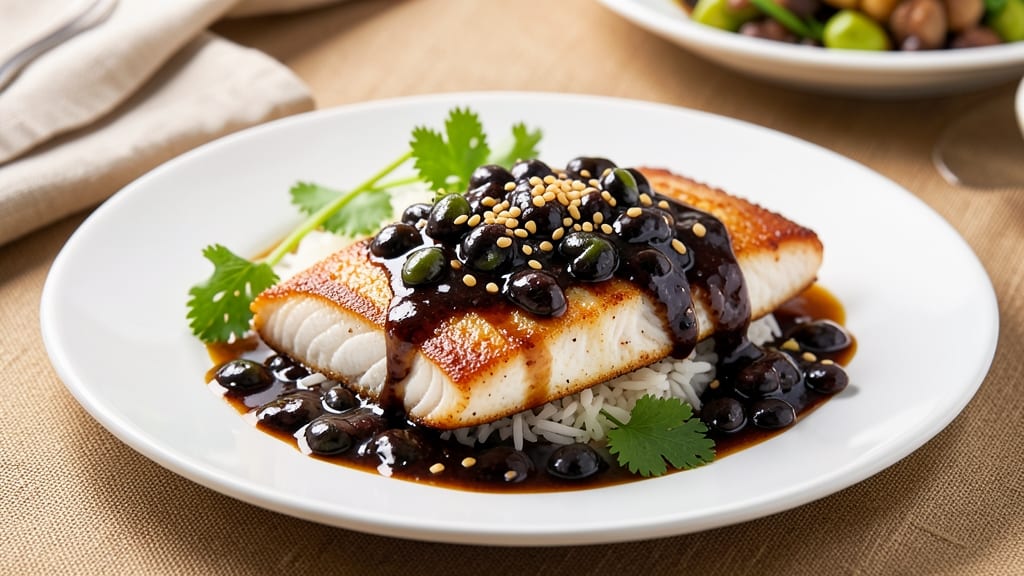
This black bean garlic sauce fish recipe delivers restaurant-quality results with minimal effort—crispy pan-seared fish paired with a velvety, umami-rich sauce that transforms simple ingredients into something extraordinary. The secret lies in balancing the sauce's sweetness, saltiness, and depth, while achieving that perfect golden crust on the fish.
I developed this recipe after years of testing, and it never fails to impress even skeptical eaters.
The sauce itself is a game-changer, combining black beans, garlic, and soy sauce to create a thick, flavorful base that clings beautifully to the fish.
What sets this apart is the two-step cooking process: first searing the fish until crispy, then finishing it in the sauce to infuse every bite with rich, savory flavor. No special equipment is needed—just a sturdy skillet and about 20 minutes of active time.
By the time you're done, you'll have perfectly crispy fish with tender, flaky centers, all coated in a glossy black bean garlic sauce that's both hearty and elegant. The sauce's texture is velvety yet slightly sticky, clinging to the fish without overwhelming it.
This dish is ideal for weeknight dinners or special occasions—it feels impressive but comes together effortlessly.
Serve with steamed jasmine rice or a simple green salad to round out the meal. The crispy fish and rich sauce will be the star, but the sides help balance the dish and make it feel complete.
Let's get started—this recipe is easier than it looks, and the results are unforgettable.
Ingredients for black bean garlic sauce fish
Crispy fish meets velvety black bean sauce—simple ingredients that deliver restaurant-quality flavor.
| Ingredient | Amount | Notes |
|---|---|---|
| White Fish Fillets 🐟 | 1 ½ lb | Cod, tilapia, or halibut preferred |
| Black Beans 🫘 | 1 can | Drained and rinsed, low sodium |
| Garlic Cloves 🧄 | 6 cloves | Minced, fresh preferred |
| Soy Sauce 🍶 | ¼ cup | Low sodium preferred |
| Olive Oil 🫒 | ½ cup | Extra-virgin for richness |
| Brown Sugar 🍯 | 2 tbsp | Light or dark variety |
| Ginger Root 🌿 | 1 tbsp | Freshly grated |
| Sesame Oil 🫒 | 1 tbsp | Toasted sesame preferred |
| Lime Juice 🍋 | 2 tbsp | Freshly squeezed |
| Vegetable Oil 🫒 | ¼ cup | For searing fish |
| Cornstarch 🌾 | 2 tbsp | For crispy coating |
| Salt 🧂 | 1 ½ tsp | Kosher or sea salt |
| Black Pepper 🌶️ | ½ tsp | Freshly ground |
| Green Onions 🧅 | 3 whole | Chopped, for garnish |
| Sesame Seeds 🌾 | 1 tbsp | Toasted, for garnish |
The fish is non-negotiable here. Cod or halibut hold up best to the crispy sear, but tilapia works in a pinch. Look for fillets with even thickness—about 1/2-inch—so they cook uniformly. If your fishmonger doesn't have pre-cut fillets, ask for skin-on to help hold the shape during cooking. Whole Foods and Trader Joe's usually carry pre-cut fillets in the seafood section, which saves time. For the sauce, low-sodium soy sauce prevents over-salting the dish, and fresh garlic is a must—jarred garlic lacks the depth.
No fresh ginger? Ground ginger at half the amount works, but it won't have the same zing. Running out of sesame oil? Avocado oil or neutral oil can substitute, but you'll miss that nutty aroma. The cornstarch is key for that crispy crust—don't skip it. For extra richness, add a dash of fish sauce to the sauce, but omit if you're avoiding it. The black beans should be drained and rinsed well to avoid a watery sauce. If you can't find low-sodium soy sauce, reduce regular soy sauce by half and add a pinch of sugar to balance.
Fish stays crispy for about 20 minutes after cooking, so assemble plates quickly. The sauce reheats beautifully—simmer gently for 3-5 minutes if serving family-style. Store leftovers in an airtight container for 2-3 days in the fridge, but the sauce thickens when chilled, so add a splash of water when reheating. For meal prep, portion the sauce into containers and keep the fish separate until ready to serve to maintain crispiness. Garnish with green onions and sesame seeds right before serving for maximum freshness.
Why You'll Love This Recipe
- Five-Ingredient Magic: I swear by this recipe when I’m too tired to think. You’re basically blending black beans, garlic, and soy sauce into a silky sauce—no fancy techniques, just a blender and a pan. That’s it. The fish cooks in minutes while the sauce simmers, and honestly? It feels like a restaurant dish without the fuss.
- Umami Bomb: Between us, this sauce is ridiculously flavorful. The black beans add depth, the garlic sizzles into sweetness, and the soy sauce ties it all together with that salty, savory punch. The fish stays moist but gets this perfect crispy edge—like a hug for your taste buds.
- Lunchbox Hero: This recipe is my secret weapon for work lunches. Double the batch, pack half in a container, and reheat it later—still tastes fresh. (Yes, even on a Tuesday night.) The sauce clings to the fish, so it won’t turn into a soggy mess, and it reheats like a dream.
- Budget Night Win: Black beans and white fish are cheap, but they feel special. I make this when I’m stretched thin, and it still feels like a treat. The garlic and soy sauce stretch the flavor, so you’re not left wondering if you wasted money. Plus, leftovers? They’re just as good the next day.
Step-by-step instructions for crispy pan-seared fish with umami sauce
Here's how to achieve perfectly crispy fish fillets with a rich, flavorful black bean garlic sauce.
Prepare the Fish for Perfect Crispiness
Pat the 1.5 lb white fish fillets completely dry with paper towels—this is crucial for crispy skin. I press firmly to remove all moisture, especially around the edges where the fish will touch the pan. Season both sides generously with 1.5 tsp salt and 0.5 tsp black pepper, then let them sit uncovered on a plate for 10 minutes at room temperature. This drying step ensures maximum browning and prevents steaming.
While the fish rests, mix 2 tbsp cornstarch with 1.5 tsp salt in a small bowl. Lightly coat both sides of each fillet with this mixture, shaking off any excess. The cornstarch creates a golden, crispy crust that locks in moisture. Don't press too hard when coating—just enough to adhere evenly. This step transforms delicate fish into a restaurant-quality texture.
Sear the Fish in Hot Oil
Heat 0.25 cup vegetable oil in a large skillet over medium-high heat until it shimmers but doesn't smoke. Add the fish fillets in a single layer, leaving space between them. Cook undisturbed for 3-4 minutes until the edges turn golden brown and the fish releases easily from the pan. I use tongs to carefully flip each fillet and cook for another 2-3 minutes until the other side is crispy and opaque.
Don't overcrowd the pan—this lowers the temperature and steams the fish instead of searing it. You'll know it's ready when the crust is crisp and the fish flakes easily with a gentle touch. Transfer the cooked fillets to a plate and tent loosely with foil to keep warm while you prepare the sauce. The residual heat will help maintain their crispiness.
Build the Black Bean Garlic Sauce
In the same skillet (no need to clean it—the browned bits add flavor), reduce heat to medium and add 0.5 cup olive oil. Stir in the 6 cloves minced garlic cloves and cook for 30 seconds until fragrant but not browned. Add the 1 tbsp freshly grated ginger root and cook for another 30 seconds, stirring constantly to prevent burning.
Pour in the 1 can drained and rinsed black beans and mash them slightly with a wooden spoon to break them down. Add the 0.25 cup soy sauce, 2 tbsp brown sugar, and 2 tbsp lime juice, stirring well to combine. Let the mixture simmer for 5-6 minutes until thickened and fragrant. The sauce should coat the back of a spoon with a rich, umami depth. Taste and adjust seasoning if needed.
Finish with Sesame Oil and Garnish
Return the seared fish fillets to the skillet and spoon the black bean garlic sauce over them. Drizzle with 1 tbsp sesame oil and gently toss to coat evenly. The sesame oil adds a nutty aroma that complements the umami sauce perfectly. Cook for just 1-2 minutes to heat through—don't overcook or the fish will turn rubbery.
Remove from heat and garnish with 3 chopped green onions and 1 tbsp toasted sesame seeds. The green onions add freshness while the sesame seeds provide texture and visual appeal. Serve immediately with steamed rice or over a bed of greens to enjoy the crispy fish with its rich, flavorful sauce.
Pro Tips For Making Black Bean Garlic Sauce Fish
- CRISP THE BEANS FIRST: I learned this the hard way—skipping the quick fry in olive oil turns your black beans into mush instead of flavor bombs. Toss them in a hot pan for 3-4 minutes until they darken slightly. That’s when the nutty aroma kicks in and the texture stays firm.
- MINCE GARLIC FINE: Whole garlic cloves in this sauce? Nope. They’ll just sit like rocks. Pulse them in a food processor or use a knife to chop them into a paste—think 1/8-inch pieces or smaller. The sauce needs that garlic to dissolve and coat the fish, not just sit at the bottom like lazy seasoning.
- SALT THE FISH LAST: Soy sauce already packs salt, and if you salt the fish early, it’ll release moisture and turn your pan into a sad little soup. Season the fillets lightly with pepper (if you like it) right before they hit the pan, then finish with a splash of soy sauce at the end.
- USE COLD BEANS: Drain and rinse your canned black beans, then pop them straight from the fridge into the pan. Cold beans won’t steam the garlic or dilute the sauce—just let them warm through while they crisp up. (Yes, even if you’re impatient like me.)
Best sauces and condiments for this dish
Asian-Inspired Variations
Swap the soy sauce for 1/4 cup coconut aminos and add 1 tbsp fish sauce for a Thai-inspired twist. Boost the heat with 1 tsp sriracha or 1/2 tsp chili flakes, and finish with 1 tsp toasted chili oil for a fiery kick.
Serve with jasmine rice and quick-pickled cucumbers for a complete Thai-inspired meal. 🌶️
For a Japanese-inspired version, replace the brown sugar with 1 tbsp mirin and add 1 tsp grated daikon radish to the sauce. Garnish with thinly sliced scallions and shredded nori strips for an authentic touch. Pair with steamed short-grain rice and miso soup for a balanced bento-style dish.
Mexican-Inspired Twist
Transform the sauce into a spicy mole-inspired version by adding 1/2 cup roasted tomatoes, 1 tsp ground cumin, and 1/4 tsp cinnamon. Stir in 2 tbsp lime juice for brightness.
Serve with corn tortillas or over cilantro-lime rice for a fusion feast. Top with avocado slices and crumbled cotija cheese for extra richness.
Creamy Upgrade
For a silky-smooth sauce, blend 1/2 cup coconut milk or 1/2 cup Greek yogurt into the finished sauce. This adds a luxurious texture while keeping the dish light.
Garnish with extra sesame seeds and fresh cilantro for freshness. The creaminess pairs beautifully with grilled shrimp or tofu as an alternative protein.
Extra Umami Boosters
Elevate the sauce with 1 tbsp oyster sauce or 1 tsp miso paste for deeper umami flavor. For a smoky depth, add 1/2 tsp smoked paprika or 1/4 tsp liquid smoke to the sauce. These additions work especially well with grilled or blackened fish for a bold, restaurant-worthy dish.
Sweet and Tangy Balance
Adjust the sweetness by adding 1 tbsp honey or maple syrup instead of brown sugar. For extra tang, increase the lime juice to 3 tbsp or add 1 tbsp rice vinegar. This variation works beautifully with pan-seared scallops or shrimp skewers for a lighter, more refreshing take.
Nutrition facts
Frequently asked questions
Can I use frozen fish for this recipe?
Yes, but thaw it properly first! Place frozen fish fillets in a sealed bag and submerge in cold water for 15-20 minutes, changing the water every 5 minutes. Never thaw at room temperature—it causes uneven cooking. Pat completely dry before seasoning to ensure crispiness.
How do I adjust the sauce for spicier heat?
Add ½ teaspoon chili flakes or 1 teaspoon sriracha to the sauce while simmering. For extra kick, stir in 1 teaspoon gochujang (Korean chili paste) during the last 2 minutes of cooking. Always taste first—you can reduce heat by adding a pinch of sugar if needed.
What if my sauce turns out too thick?
Thin with 1-2 tablespoons warm water or fish stock, stirring constantly. For extra richness, add ½ teaspoon sesame oil while reheating. Never use cold liquid—it can cause the sauce to separate. The sauce should coat the back of a spoon but remain pourable.
Can I make this sauce ahead of time?
Prepare the sauce up to 2 days ahead and store in an airtight container. Reheat gently on the stove with 1 tablespoon water to restore thickness. For best texture, finish with 1 teaspoon sesame oil and fresh lime juice just before serving. The flavors deepen overnight!
What's the best way to reheat leftovers?
Reheat sauce separately in a small pan over low heat for 3-4 minutes, then toss with fish in the same pan for 1-2 minutes. Use low power in the microwave (30 seconds) if needed, but the stovetop method keeps the fish crispy. Add a splash of water if the sauce thickens too much.