
Sauces & Condiments
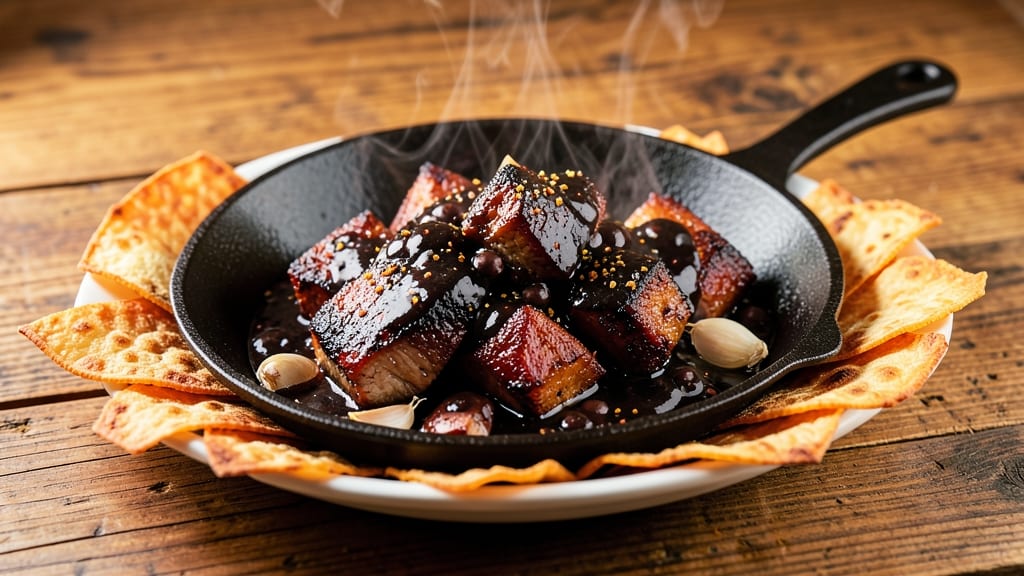
This black bean sauce pork recipe transforms simple ingredients into a dish that balances smoky depth and satisfying texture. The fusion of charred tortilla crunch with cumin-spiced pork creates a restaurant-quality meal that’s surprisingly easy to recreate at home.
I developed this recipe during a particularly busy week when I needed a dish that felt indulgent but came together quickly—no shortcuts, just smart techniques.
The secret lies in the sauce itself—a rich blend of black beans, cumin, and charred tortilla strips that add both texture and complexity.
You’ll start with tender pork, marinated in a simple mix of garlic, lime, and chili powder, then seared to lock in juices before simmering in the sauce until everything melds into perfect harmony. The result is pork that’s tender yet flavorful, with a sauce that clings to every bite.
What makes this dish special is how the elements come together: the smoky cumin in the sauce, the crispy tortilla crunch, and the tender pork create a balance of textures and flavors that’s both comforting and exciting.
Serve it over steamed rice or with warm tortillas for a complete meal that’s hearty enough for a weeknight dinner but impressive enough for guests.
This recipe delivers on two fronts—it’s a complete dish that requires minimal prep, and it’s packed with flavor that will have everyone asking for seconds. The black bean sauce adds protein and depth, while the charred tortilla strips bring a satisfying crunch that elevates the whole plate. Let’s get cooking!
Ingredients for black bean sauce pork
Pantry staples meet bold flavors—this pork recipe delivers smoky cumin depth with charred tortilla crunch.
| Ingredient | Amount | Notes |
|---|---|---|
| Pork Shoulder 🥩 | 1 ½ lb | Boneless, cut into 1-inch cubes |
| Black Beans 🌽 | 1 ½ cups | Cooked, drained and rinsed |
| Tortillas 🌯 | 4 whole | Corn or flour, cut into strips |
| Ground Cumin 🌿 | 2 tsp | Freshly toasted for deeper flavor |
| Chili Powder 🌶️ | 1 tbsp | Medium heat preferred |
| Garlic Cloves 🧄 | 4 cloves | Minced for marinade |
| Lime Juice 🍋 | ¼ cup | Freshly squeezed |
| Yellow Onion 🧅 | 1 whole | Diced, medium size |
| Olive Oil 🫒 | ¼ cup | Extra-virgin for richness |
| Tomato Paste 🍅 | 2 tbsp | Smooth, not chunky |
| Beef Broth 💧 | 1 cup | Low-sodium preferred |
| Salt 🧂 | 1 tsp | Kosher or sea salt |
| Black Pepper 🌶️ | ½ tsp | Freshly ground preferred |
| Cilantro 🌿 | ¼ cup | Chopped, for garnish |
| Jalapeño 🌶️ | 1 whole | Seeded, finely chopped |
The pork shoulder is your secret weapon here—it stays tender while absorbing all those rich flavors. Costco or Trader Joe's usually have pre-cut boneless pork at great prices, but if you're buying a whole shoulder, ask the butcher to cut it into 1-inch cubes. For the tortillas, corn adds authentic flavor, but flour tortillas work just as well. Look for freshness: tortillas should be pliable, not stiff or cracked. The black beans? Canned is fine, but if you're using dried, soak them overnight for best texture. Low-sodium or no-salt-added beans save you from over-salting later.
No cumin? Mexican oregano at half the amount gives you that earthy depth. Short on lime juice? Lemon juice works in a pinch, but it's not quite the same tang. The jalapeño can be swapped for serrano peppers if you want more heat. No fresh cilantro? Dried cilantro at one-quarter the amount works, though it lacks that bright freshness. For the tomato paste, Rao's brand is my go-to—it's smooth and consistent. If you're using a squeeze tube, measure by weight (1 tbsp ≈ 1 oz) since volume can vary. The beef broth? Homemade or high-quality store-bought makes all the difference—skip the low-end bouillon cubes.
Pork cubes can be marinated for up to 8 hours in the fridge, but even 30 minutes makes a difference. The tortilla strips need to be charred properly—use a dry skillet over medium-high heat until they're blackened in spots. Store leftovers in an airtight container for 4-5 days in the fridge, or freeze for up to 3 months. The sauce actually tastes better the next day as flavors meld. For meal prep, portion into containers with rice—just reheat gently to avoid drying out the pork.
Why You'll Love This Recipe
- One-Pot Magic: I swear by this recipe because it’s that easy—just brown the pork shoulder, toss in the black beans and spices, then let it slow-cook until tender. No chopping, no fuss, and honestly? That deep, smoky cumin-chili aroma fills the kitchen before you even finish stirring.
- Tortilla Hugs: Between us, the best part is wrapping that fall-apart pork in warm tortillas with the sauce clinging to every bite. The beans add this unexpected creaminess that cuts through the richness, making it feel like a hug in food form—especially when you’re too tired to cook anything fancy.
- Budget Win: Pork shoulder is cheap, black beans stretch it further, and tortillas turn it into a meal that feeds four for what takeout would charge two. I’ll be real: this is my go-to when I need to feed the family without breaking the bank, and the leftovers? Just as good the next day.
- Weeknight Workhorse: Slow-cooked pork shreds like butter, so I can throw it together in the morning and come home to a ready-to-eat dinner. Add a side of rice or avocado, and suddenly you’ve got a meal that works for Taco Tuesday, game day, or even a lazy Sunday—no last-minute stress.
Step-by-step instructions for smoky black bean pork with charred tortilla crunch
This fusion dish combines tender pork with a rich black bean sauce and crispy tortilla strips for texture contrast.
Sear the Pork Shoulder for Deep Flavor
Heat a large skillet over medium-high heat until hot. Add ½ cup of the olive oil and swirl to coat the pan. Working in batches, add the 1.5 lb pork shoulder cut into 1-inch cubes, arranging them in a single layer. Let them sear undisturbed for 3-4 minutes until deep golden brown forms on all sides.
This initial searing creates a flavorful crust that prevents the pork from drying out during the long cook. I press down gently on the cubes during the first minute to ensure even contact with the pan. Once browned, transfer the pork to a plate and set aside. Repeat with the remaining pork if needed, adding more olive oil as necessary.
Build the Black Bean Sauce Foundation
In the same skillet, reduce heat to medium and add the diced yellow onion. Cook for 5-6 minutes until softened and translucent, stirring occasionally. Add the 4 minced garlic cloves and cook for 30 seconds until fragrant—don't let it brown or it'll turn bitter.
Stir in the 2 tbsp tomato paste and cook for 1 minute to deepen its flavor. Pour in the 1.5 cups cooked black beans and mash them lightly with a wooden spoon to thicken the sauce slightly. This step forms the base of our sauce, where all the flavors will meld together.
Develop the Sauce with Spices and Liquids
Add the 1 cup beef broth, 1 tbsp chili powder, 2 tsp ground cumin, 1 tsp salt, and ½ tsp black pepper to the skillet. Bring to a gentle simmer and cook uncovered for 10-12 minutes until the sauce thickens slightly and the flavors meld. The sauce should coat the back of a spoon but still be loose enough to coat the pork.
Here's where the smoky depth comes in—I like to add the 1 seeded, finely chopped jalapeño and ¼ cup lime juice now. Stir well and let it simmer for another 3-4 minutes until the acidity brightens the flavors. The sauce should smell rich and aromatic, with notes of cumin, chili, and citrus.
Char the Tortilla Strips for Crunch
While the sauce simmers, cut the 4 whole tortillas into ¼-inch wide strips. Heat a dry skillet over high heat until very hot. Add the tortilla strips in a single layer and cook for 1-2 minutes until deep golden brown and crispy, stirring constantly to prevent burning. Transfer to a paper towel-lined plate to drain excess oil.
These charred tortilla strips add the perfect textural contrast to the tender pork and creamy sauce. Keep them warm while you finish cooking the pork. If they lose crispiness, simply reheat them in the oven at 350°F for 2-3 minutes before serving.
Finish the Pork and Combine Everything
Return the seared pork to the skillet with the sauce and simmer for 15-20 minutes until the pork is tender and easily pierced with a fork. The sauce should coat the pork completely. If it's too thin, simmer uncovered for 2-3 minutes to reduce slightly.
Taste and adjust seasoning—you might need a touch more salt or lime juice to balance the flavors. Stir in the ¼ cup chopped cilantro just before serving to keep it fresh. Divide the pork and sauce among plates, top with the crispy tortilla strips, and serve immediately with warm tortillas on the side.
Pro Tips For Making Black Bean Sauce Pork
- CRUSH THE BEANS FIRST: Don’t just toss canned black beans straight into the pot—they’ll turn your sauce into mush. Mash half of them with a fork or potato masher before adding, so you get that thick, chunky texture instead of a watery glop. (Yes, even if you’re lazy like me, this makes a real difference.)
- SWEAT THE CUMIN LOW: Toast your cumin and chili powder in a dry pan for 30 seconds until fragrant, then add it to the pork before any liquid. This unlocks their flavor instead of letting them just sit there like flavorless dust. (I learned this the hard way—burnt cumin tastes like regret.)
- DON’T SKIP THE PORK REST: Pull the pork shoulder when it’s still slightly pink inside (195°F is fine), then tent it with foil and let it rest for 10 minutes. Cutting into it too soon will dry it out, and you’ll end up with sad, stringy meat instead of tender, pull-apart goodness.
- TOAST THE TORTILLAS FAST: Warm your tortillas over a dry skillet for 20 seconds per side—just until they’re pliable and slightly charred. Cold tortillas will make your burritos flop like wet paper, and no one wants that. (Pro move: Stack them and toast in batches.)
Essential equipment for great black bean sauce pork
Skillet Essentials
Your 12-inch cast iron skillet is non-negotiable for this recipe—it distributes heat evenly and builds that perfect crust on the pork. I swear by my Lodge Pre-Seasoned skillet (10-inch works too), but if you’re starting out, a Made In brand skillet is a budget-friendly alternative.
For the tortilla strips, a non-stick skillet works better to prevent burning, but I still prefer cast iron for its heat retention. 🔥
Tortilla Char Station
You’ll need a second skillet for the tortilla strips—this keeps the pork cooking while you crisp the tortillas. A well-seasoned 10-inch cast iron or a stainless steel skillet both work well. Pro tip: Use long tongs to stir the tortilla strips constantly, as they burn faster than you think.
I keep a small bowl of water nearby to immediately dip any burnt pieces to prevent flare-ups.
Sauce Thickening Tools
A wooden spoon is your best friend for mashing the black beans and stirring the sauce—it won’t scratch your skillet like metal utensils. For precise measuring, a small ladle helps when adding the beef broth.
If your sauce gets too thin, I recommend a wire whisk to reduce it quickly over high heat. A fine-mesh strainer also comes in handy if you want to remove any bean skins for a smoother texture. 💫
Marinade Prep
While you’re searing the pork, prep your marinade in a small mixing bowl—I use a glass or ceramic bowl to avoid plastic odors. A garlic press saves time mincing those cloves, and a microplane is perfect for zesting lime if you want extra brightness.
For the lime juice, I always use a handheld reamer to get every last drop. A small whisk blends the marinade ingredients evenly before tossing the pork.
Heat Control Helpers
Invest in a good instant-read thermometer (I love the ThermoWorks Thermapen) to monitor both the pork’s internal temperature and your skillet’s heat. A heat-resistant spatula helps flip the pork without sticking, and a kitchen torch can add extra char to the tortilla strips if you’re feeling fancy.
For the tortilla strips, a small cooling rack keeps them crispy while you finish the dish. 🌡️
Serving Essentials
Warm tortillas need a damp towel to stay soft—wrap them in one while the dish finishes. A slotted spoon helps serve the pork and sauce without the tortilla strips sticking. For garnish, a small pair of scissors makes quick work of fresh cilantro.
And finally, a serving platter with a wooden board underneath catches any drips—perfect for a restaurant-worthy presentation. 🍽️
Nutrition facts
Frequently asked questions
Can I use ground pork instead of pork shoulder?
Yes, but the texture will differ! Ground pork will cook much faster (5-7 minutes instead of 15-20 minutes) and won't have the same satisfying bite. For best results, form it into small patties before searing. The black bean sauce will still work beautifully, but expect a more tender final dish.
How do I make this dish spicier?
Add ½ tsp cayenne pepper to the sauce or swap the jalapeño for 2 serrano peppers (seeds in for mild heat, seeds out for medium). For extra kick, stir in 1 tsp hot sauce at the end. Remember, you can always adjust heat with fresh jalapeño slices on top when serving!
What's the best way to reheat leftovers?
Reheat gently in a skillet over low heat with 1-2 tbsp broth to prevent drying. For the tortilla strips, toast them fresh in a dry skillet for 1 minute before serving. Microwaving works in a pinch (cover with a damp paper towel), but the texture suffers. Leftovers keep well for 4-5 days in an airtight container.
Can I substitute the black beans?
Use pinto beans (similar texture) or kidney beans (more robust flavor). For a lighter option, try white beans, but reduce the broth by ¼ cup since they absorb less liquid. Always drain and rinse canned beans thoroughly to prevent a watery sauce.
Why did my tortilla strips burn before getting crispy?
This happens when the heat is too high or you're overcrowding the pan. Use medium-high heat and cook in single layers, stirring constantly with tongs. A small bowl of water nearby helps salvage any burnt pieces instantly. For extra insurance, cut tortillas into ¼-inch strips (not thicker) for faster, even cooking.