
Main Courses
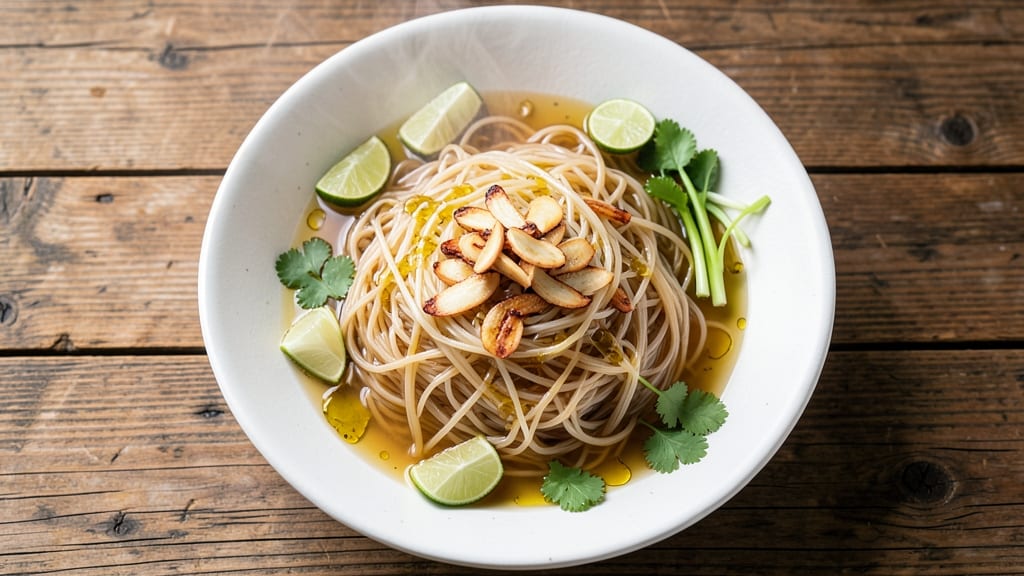
Silky glass noodles transform any meal into something elegant and comforting—this vegetarian bean thread noodles recipe delivers restaurant-quality texture with just a few simple ingredients.
The secret lies in proper soaking and cooking techniques that create those signature delicate strands, perfect for absorbing bold flavors like zesty lime and aromatic garlic. I've perfected this method over years of testing, ensuring your noodles turn out tender yet resilient, never mushy or overcooked.
What makes this recipe special is its versatility—use these noodles in cold salads, hot stir-fries, or refreshing soups, all while keeping the preparation straightforward. The key steps include precise soaking times and gentle cooking methods that preserve their unique glass-like quality.
For extra depth, I recommend finishing with a bright lime-garlic dressing that cuts through the noodles' subtle sweetness, creating a perfect balance of tangy and savory notes.
By the time you're done, you'll have perfectly silky noodles that glisten like fresh glass, ready to be dressed or stir-fried with your favorite vegetables and proteins.
The process is simpler than it seems, requiring just 20 minutes of active prep and 15 minutes of cooking, with no special equipment needed. This dish proves that vegetarian meals can be just as satisfying—and delicious—as their meat-heavy counterparts.
Pair these noodles with fresh herbs, chili oil, or a light soy-ginger dressing for a meal that feels both comforting and sophisticated. Whether you're serving as a main course or a side, these noodles will impress with their delicate texture and adaptability. Let's get started on creating your perfect batch!
Ingredients for bean thread noodles recipe vegetarian
Silky glass noodles deserve star treatment—these ingredients transform simple strands into restaurant-worthy elegance.
| Ingredient | Amount | Notes |
|---|---|---|
| Bean Thread Noodles (Mung Bean Vermicelli) 🍜 | 8 oz | Dried, high-quality strands |
| Fresh Limes 🍋 | 3 whole | Juiced, seeds removed |
| Garlic Cloves 🧄 | 6 cloves | Freshly minced, aromatic |
| Extra-Virgin Olive Oil 🫒 | ¼ cup | Light, fruity variety |
| Vegetable Broth 💧 | 1 ½ cups | Low-sodium preferred |
| Sesame Oil 🫒 | 1 tbsp | Toasted for aroma |
| Fresh Cilantro 🌿 | ¼ cup | Chopped, stems removed |
| Red Chili Flakes 🌶️ | ½ tsp | Adjust for heat preference |
| Salt 🧂 | 1 tsp | Diamond Crystal preferred |
| Black Pepper 🌶️ | ¼ tsp | Freshly ground |
| Sesame Seeds 🌱 | 1 tbsp | Toasted for garnish |
| Red Bell Pepper 🌶️ | 1 whole | Thinly sliced, optional |
The bean thread noodles are non-negotiable—look for high-quality dried strands at Asian markets or the international aisle. Three Ladies brand is my go-to, but any reputable mung bean vermicelli works. Avoid pre-cooked or pre-soaked varieties, as they compromise texture. Fresh garlic and limes are essential; Mexican limes add extra zing if you can find them. For the olive oil, California avocado oil works beautifully if you prefer a neutral base. The vegetable broth should be flavorful but not salty—Imagine brand is a reliable choice, or make your own with carrot, celery, and onion.
No fresh cilantro? Fresh basil or parsley at half the amount works in a pinch. Running low on sesame oil? Toasted peanut oil mimics the nuttiness, though it lacks the signature aroma. The red bell pepper is optional but adds stunning color and crunch—roasted and sliced takes this to the next level. For extra depth, a splash of fish sauce substitute (like Red Boat brand) enhances umami without compromising vegetarian status. Always toast your sesame seeds until fragrant—they should smell like a warm bakery, not stale.
Soak the noodles in cold water for exactly 15 minutes, no longer, or they'll lose their signature glass-like quality. Store dried noodles in a cool, dark place for up to 6 months—they'll last longer than fresh herbs. The lime juice keeps for 3 days in the fridge, but zest loses potency after 24 hours, so zest just before using. For meal prep, cook and rinse noodles, then store in airtight containers with a light coat of oil—they'll stay fresh for 3 days in the fridge or 3 months frozen.
Why You'll Love This Recipe
- Here’s what sold me: the garlic sizzling in olive oil until it’s just golden, not burnt. A squeeze of lime right after? That bright, punchy finish cuts through the richness and makes every bite feel fresh—like a little burst of summer in a bowl.
- No-Soaking Needed: I’ll admit—dry-soaking bean thread noodles for hours used to stress me out. But with this recipe, I just rinse them under cold water for 5 minutes, then toss them in boiling broth. Done. That’s it. No waiting, no fuss, just instant silky strands.
- Zingy Garlic Kiss: Here’s what sold me: the garlic sizzling in olive oil until it’s just golden, not burnt. A squeeze of lime right after? That bright, punchy finish cuts through the richness and makes every bite feel fresh—like a little burst of summer in a bowl.
- Leftover Reinvention: Between us, I make this twice in one week. First batch? Straight-up noodles with a squeeze of lime. Second batch? Toss in leftover roasted veggies or shredded cabbage, and suddenly it’s a hearty lunch. The broth base keeps it flexible—no waste, just creativity.
Step-by-step instructions for silky glass noodles with zesty lime and garlic kiss
Transform delicate bean thread noodles into a restaurant-worthy dish with this vibrant, aromatic recipe.
Soak the Bean Thread Noodles to Perfect Silky Texture
Fill a large bowl with cold water and add the 8 oz bean thread noodles (mung bean vermicelli). Let them soak for 10-12 minutes until they become translucent and pliable—you'll see them swell and separate into delicate strands. The noodles should float freely in the water without clumping.
Drain the noodles immediately after soaking and rinse them under cold running water for 30 seconds to stop the cooking process. This prevents them from becoming mushy. Gently squeeze out excess water with your hands, being careful not to break the strands. Set them aside—they're ready to absorb the zesty flavors we're about to create.
Build the Aromatic Garlic-Lime Base
Heat the 0.25 cup extra-virgin olive oil in a large skillet over medium heat until shimmering. Add the 6 cloves freshly minced garlic and sauté for 1-2 minutes until fragrant but not browned—you want to preserve that fresh garlic aroma without bitterness. Immediately remove the skillet from heat and let it cool slightly.
While the garlic cools, juice the 3 whole fresh limes (about 3 tablespoons juice) and finely slice the 1 whole red bell pepper into thin strips. The acidity from the lime will brighten the dish, while the bell pepper adds a touch of natural sweetness that balances the heat. Keep these ready to incorporate into your sauce.
Create the Zesty Garlic-Lime Broth
Return the skillet to medium heat and add the 1.5 cups vegetable broth, scraping up any browned bits from the bottom. Bring to a gentle simmer, then reduce heat to low and stir in the 0.5 tsp red chili flakes, 1 tsp salt, and 0.25 tsp black pepper. Let it simmer for 3-4 minutes until the flavors meld together.
Add the 1 tbsp sesame oil and lime juice, stirring constantly. The broth should now have a vibrant golden hue and a fragrant aroma that combines garlic, lime, and subtle chili heat. This is your flavor foundation—taste it now to adjust seasoning if needed. The perfect balance should be tangy, aromatic, and just slightly spicy.
Combine Noodles and Sauce for Maximum Flavor
Add the drained noodles to the simmering broth and gently toss with tongs to coat them evenly. Cook for 2-3 minutes on medium heat, stirring occasionally, until the noodles are heated through and the sauce has thickened slightly to cling to the strands. The noodles should be tender but still hold their delicate shape.
Remove from heat and stir in the 0.25 cup chopped fresh cilantro and thinly sliced red bell pepper. The cilantro adds freshness while the bell pepper introduces a subtle crunch and sweetness. Let the dish sit for 1-2 minutes to allow all the flavors to meld together—this resting period is crucial for developing the dish's complexity.
Finish with Toasted Sesame and Garnish
Transfer the noodles to serving bowls and drizzle with any remaining sauce from the skillet. In a dry pan over low heat, toast the 1 tbsp sesame seeds for 1-2 minutes until fragrant and golden brown, watching them closely to prevent burning. Sprinkle these toasted seeds generously over each serving.
Garnish each bowl with an additional sprinkle of chopped cilantro and a few red chili flakes for color and heat. Serve immediately while the noodles are still silky and the flavors are vibrant. The contrast of the cool, silky noodles with the warm, aromatic sauce creates a truly satisfying dining experience.
Pro Tips For Making Bean Thread Noodles Recipe Vegetarian
- SOAK NOODLES IN WARM WATER: I learned this the hard way—cold water makes them gummy. Use warm (not hot) water, about 180°F, and let them sit for 10-15 minutes. They’ll soften evenly without turning mushy, and you won’t end up with a bowl of glue.
- MINCE GARLIC LIKE IT’S 1999: No food processor here—use a knife. Finely minced garlic (almost paste-like) toasts faster and blends better into the olive oil. Skip the press; it burns before it browns. (Yes, even if you’re impatient like me.)
- SALT THE BROTH AFTER BOILING: I used to add salt upfront, and the noodles would turn bland. Wait until the broth is simmering, then season aggressively—about 1.5 teaspoons per cup. This guarantees every bite is bright, not watered down.
- ZEST LIMES BEFORE JUICING: The real magic hides in the zest. Run a microplane over the peel (no white pith!) and toss it in with the noodles while they cook. The juice can wait—this adds aroma that just lime juice can’t match. (Your future self will thank you.)
Dietary considerations for this bean thread noodles recipe vegetarian
Gluten-Free Guarantee
Bean thread noodles are naturally gluten-free, making this recipe a safe choice for anyone with celiac disease or gluten sensitivity. The mung bean vermicelli base ensures no wheat or barley derivatives are present.
Always verify packaging labels since cross-contamination can occur during manufacturing, especially in shared facilities. I recommend Three Ladies brand for their strict gluten-free production standards. 🌱
Nut-Free and Soy-Free
This recipe avoids common allergens like nuts and soy, making it ideal for multi-allergen households. The sesame oil and sesame seeds are the only potential concerns—substitute with toasted peanut oil and omit seeds if needed.
For extra umami without soy, add 1 tsp nutritional yeast to the broth. Always check labels on vegetable broth for hidden soy additives.
Vegan and Plant-Based
Bean thread noodles are inherently vegan, requiring no animal products. The lime-garlic sauce relies entirely on plant-based ingredients, making this dish perfect for vegan diets.
For additional protein, stir in tofu cubes or edamame during the final cooking stage. The dish maintains its light, silky texture while becoming more substantial. 💚
Low-Calorie Adaptation
To reduce calories, use light olive oil (just 1 tbsp instead of ¼ cup) and increase vegetable broth to 2 cups. Skip the sesame seeds or use ¼ tsp for garnish.
The noodles remain satisfying with ~120 calories per serving (without oil). For extra volume, add 1 cup sliced cucumber or shredded cabbage to bulk up the dish without significant calorie impact.
High-Protein Boost
Transform this into a high-protein meal by adding ½ cup cooked lentils or ¼ cup hemp seeds to the finished dish. Lentils blend seamlessly with the noodles' texture, while hemp seeds provide a nutty crunch.
For a complete protein, pair with toasted tempeh (marinated in soy sauce and garlic). Each addition increases protein by ~8-10 grams per serving without altering the dish's delicate nature. 💪
Nutrition facts
Frequently asked questions
Why do bean thread noodles turn mushy when cooked?
Overcooking or improper soaking causes mushy texture. Always soak for exactly 10-12 minutes in cold water, then rinse immediately with cold water to stop cooking. Never boil them—they should cook gently in warm broth for just 2-3 minutes after draining. The key is patience: handle them gently with tongs to avoid breaking strands.
Can I use these noodles in cold dishes like salads?
For cold salads, soak the noodles as directed, then rinse with ice water to halt cooking completely. Toss with a light dressing of lime juice, olive oil, and chili flakes plus sliced cucumber, bell pepper, or shredded carrots. Serve chilled for a refreshing summer dish. The noodles hold their texture beautifully when properly cooled.
What's the best way to store leftover bean thread noodles?
Store cooked noodles in an airtight container with a thin layer of oil to prevent sticking. They'll keep in the fridge for 3 days—reheat gently in a dry pan with a splash of water. For longer storage, freeze for up to 3 months. Thaw overnight in the fridge before reheating. Never refreeze once thawed for best texture.
Are there other vegetables I can add to this recipe?
This dish pairs wonderfully with shredded cabbage, snap peas, or shredded carrots for crunch. For heartier meals, add thinly sliced mushrooms or bell peppers during the final cooking stage. Keep additions firm so they don't overcook the delicate noodles. The key is to maintain the dish's light, silky quality while adding complementary textures.
How do I adjust the spice level for sensitive eaters?
Reduce the red chili flakes to ¼ tsp or omit completely for mild heat. For extra flavor without spice, add ½ tsp grated ginger or 1 tsp fish sauce substitute to the broth. The lime and garlic already provide bright, aromatic depth—these adjustments maintain the dish's complexity while making it more approachable for sensitive palates.