
Sauces & Condiments
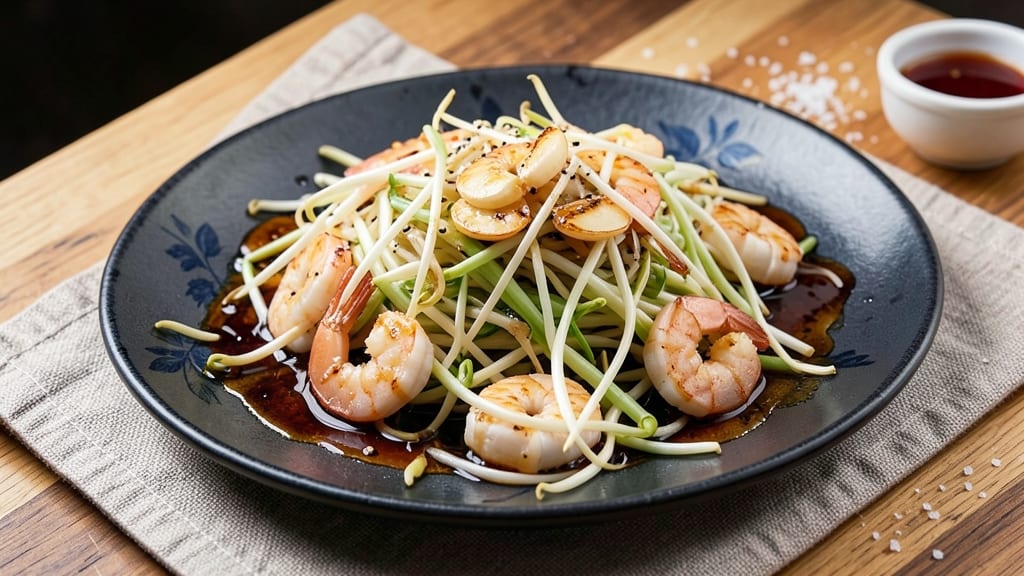
This bean sprouts with oyster sauce recipe delivers restaurant-quality wok-fried bites in just 15 minutes—crisp-tender sprouts coated in a glossy, umami-rich sauce. The secret lies in high-heat searing followed by a quick sauce reduction, creating a dish that's both simple and deeply flavorful.
I developed this technique after years of perfecting stir-fry timing, ensuring every bite achieves that ideal texture: crispy edges with a tender core.
What sets this recipe apart is the balance of flavors—salty-sweet oyster sauce meets fresh bean sprouts and aromatic garlic-ginger, creating a dish that's satisfying on its own or as a side.
The key is working quickly over high heat to maintain the sprouts' natural crunch while allowing the sauce to caramelize slightly. This method transforms humble ingredients into something that feels special, without requiring advanced skills.
By the time you're done, you'll have a vibrant, crisp-tender dish with glossy bean sprouts glistening under a rich oyster sauce glaze. The aroma alone will have everyone at the table asking for seconds. Optional protein additions like shrimp or tofu make this recipe versatile for any meal.
Perfect for weeknight dinners or meal prep, this dish comes together faster than takeout but tastes infinitely better. Let's get started with the full recipe.
Ingredients for bean sprout with oyster sauce
Restaurant-quality wok-fried bean sprouts rely on fresh ingredients and precise timing for that signature crisp-tender texture.
| Ingredient | Amount | Notes |
|---|---|---|
| Fresh Bean Sprouts 🌱 | 6 cups | Trimmed, rinsed, and thoroughly dried |
| Oyster Sauce 🍶 | ⅓ cup | High-quality, preferably Lee Kum Kee |
| Garlic Cloves 🧄 | 4 cloves | Minced, for aromatic base |
| Fresh Ginger 🌿 | 1 tbsp | Finely grated, aromatic quality |
| Sesame Oil 🫒 | 1 tbsp | Toasted, for nutty aroma |
| Soy Sauce 🍶 | 1 tbsp | Light or dark, to taste |
| Honey 🍯 | ½ tbsp | For subtle sweetness balance |
| Vegetable Oil 🫒 | 2 tbsp | High smoke point for wok searing |
| Green Onions 🧅 | 3 whole | Thinly sliced, for garnish |
| Sesame Seeds 🌰 | 1 tsp | Toasted, for crunchy texture |
| Salt 🧂 | ½ tsp | Kosher or sea salt |
| White Pepper 🌶️ | ¼ tsp | Freshly ground for subtle heat |
| Shrimp (Optional Protein) 🦐 | ½ lb | Peeled, deveined, and halved |
The bean sprouts are non-negotiable here—look for vibrant green, firm sprouts at your local Asian market or produce section. Lee Kum Kee oyster sauce is the gold standard, but any quality brand will work. For the garlic and ginger, fresh is essential—dried powders won't deliver the same aromatic punch. If you're adding shrimp, opt for wild-caught for the best flavor. The sesame oil should be toasted—check the label or lightly toast your own in a dry pan for 30 seconds to deepen the flavor. High-quality vegetable oil is crucial for that signature wok sear—avoid anything with a low smoke point.
No oyster sauce? Substitute with a mix of soy sauce and a touch of fish sauce—about 2 tbsp soy sauce plus 1 tsp fish sauce for the same umami depth. Fresh ginger unavailable? Ground ginger works at half the amount, but it lacks the bright aroma. The honey can be swapped for maple syrup or agave if you prefer a different sweetness profile. For the optional shrimp, scallops or firm tofu make excellent alternatives. If you're using tofu, press it thoroughly first to achieve that crisp-tender texture. The green onions can be subbed with chives or regular onions if needed, though they add a distinct freshness.
Bean sprouts stay crispest when stored in an airtight container with a paper towel to absorb moisture—use within 3 days for optimal texture. The oyster sauce and sesame oil can be refrigerated for up to 6 months once opened. For meal prep, cook the sprouts and sauce separately, then toss together just before serving to maintain that signature crunch. The shrimp, if using, should be cooked fresh—they don't reheat well. This dish reheats beautifully in a steamer basket over boiling water for 2-3 minutes, though the texture will be slightly softer than when freshly made.
Why You'll Love This Recipe
- Five-Ingredient Magic: I swear by this—just sprouts, garlic, ginger, oyster sauce, and a drizzle of sesame oil. That’s it. No fancy prep, no hidden steps, and honestly? The hardest part is waiting for the garlic to sizzle.
- Umami Bomb: The oyster sauce does all the heavy lifting here, turning those fresh sprouts into something dangerously addictive. That crisp-tender texture with the deep, savory-sweet glaze? It’s the kind of dish that makes you reach for seconds without thinking.
- Lunchbox Hero: Between us, this is my go-to for packed lunches—stays fresh for days, travels well, and still tastes like you put in effort. Toss in a soft-boiled egg or some chili crisp for extra flair, and you’ve got a meal that’s both satisfying and impressive.
- Budget Powerhouse: Fresh sprouts are cheap, oyster sauce lasts forever, and you’re using garlic and ginger you probably already have. I’ve made this for under $3 per serving, and it’s still the star of any table. (Yes, even on a Tuesday night.)
Step-by-step instructions for wok-seared bean sprouts with oyster sauce
Master this technique and you'll achieve perfectly crisp-tender bean sprouts every time.
Prepare the Bean Sprouts and Protein
Start by thoroughly rinsing the 6 cups fresh bean sprouts under cold water to remove any debris, then drain and pat completely dry with paper towels. This drying step is critical—wet sprouts will steam instead of sear. Trim off any woody ends and discard. If using the 0.5 lb shrimp, pat them dry with paper towels and season lightly with 0.25 tsp white pepper and 0.25 tsp salt (about half the total amounts). Set aside at room temperature while you prep the aromatics.
I like to work in batches for even cooking. Divide the bean sprouts into two equal portions—3 cups each. Keep one portion set aside while you prepare the wok. This ensures you don't overcrowd the pan, which would lead to steaming instead of searing. The shrimp, if using, should be cut into even ½-inch pieces for consistent cooking.
Build the Aromatic Base and Sear the Protein
Heat a wok or large skillet over high heat until it's smoking hot. Add the 2 tablespoons vegetable oil and swirl to coat the surface evenly. Once the oil shimmers, add the 4 cloves minced garlic and 1 tablespoon finely grated ginger, stirring constantly for 30 seconds until fragrant. You'll smell that sweet, pungent aroma—this is your signal that the aromatics are ready.
If using shrimp, add them to the wok now and cook for 1-2 minutes until they turn pink and opaque. Remove the shrimp with a slotted spoon and set aside on a plate. The shrimp should curl slightly and release easily from the wok—this indicates they're perfectly cooked. Keep the wok on high heat for the next step.
Sear the Bean Sprouts to Crisp-Tender Perfection
Working in batches, add 3 cups of the prepared bean sprouts to the hot wok in a single layer. Stir-fry vigorously for 2-3 minutes until the sprouts turn bright green and slightly blistered along the edges. This rapid cooking transforms their texture from limp to crisp-tender. Don't overcrowd the pan—if they're piled too high, they'll steam instead of develop that desirable char.
Transfer the cooked sprouts to a large bowl and repeat with the remaining 3 cups bean sprouts. The key to perfect texture is high heat and constant movement. If your wok loses heat during this process, let it recover to smoking hot before adding more sprouts. You'll know they're done when they hold their shape but yield slightly when pressed between fingers.
Create the Signature Oyster Sauce Glaze
Return the wok to high heat and add 1 tablespoon sesame oil. Once it shimmers, pour in the 0.33 cup oyster sauce, 1 tablespoon soy sauce, and 0.5 tablespoon honey. Stir constantly for 1 minute until the sauce begins to thicken slightly. The mixture should coat the back of a spoon but still be pourable.
Reduce heat to medium and add the cooked bean sprouts back to the wok. Toss everything together for 1-2 minutes until the sprouts are evenly coated in the glossy sauce. If using shrimp, return them to the wok now and toss to combine. The sauce should cling to each sprout and shrimp piece, creating that signature sticky-sweet glaze.
Finish and Garnish for Restaurant-Quality Presentation
Transfer the bean sprouts to a serving platter and immediately sprinkle with 1 teaspoon toasted sesame seeds and 3 whole green onions, thinly sliced. The sesame seeds add a delightful crunch contrast to the tender sprouts, while the green onions provide a fresh, bright finish. For extra visual appeal, I like to arrange the sprouts in an even mound with the shrimp scattered artistically on top.
Serve immediately while the sprouts are still crisp-tender and the sauce is warm. The dish should be vibrant green with glossy highlights from the sauce, and each bite should deliver that perfect balance of sweet, salty, umami flavors with satisfying texture contrast. This method delivers restaurant-quality results in just 15 minutes, making it perfect for weeknight dinners or quick entertaining.
Pro Tips For Making Bean Sprout With Oyster Sauce
- STIR-FRY FAST: Blanch the bean sprouts for 30 seconds in boiling water first—this softens them just enough to wilt in seconds during stir-fry. I used to skip this and ended up with a soggy mess every time.
- GINGER SLICE THIN: Use a mandoline or sharp knife to slice ginger paper-thin (almost translucent) so it infuses flavor without overpowering. Thick chunks sit like rocks and won’t break down properly—trust me, you’ll taste the difference.
- OYSTER SAUCE LAST: Add the oyster sauce only in the final 30 seconds of cooking—if you toss it in too early, the high heat turns it bitter. Also, reduce it slightly first if your wok is dry; a splash of water or stock helps it emulsify better.
- GARLIC NEEDS HEAT: Smash the garlic cloves flat with the side of your knife before adding them—this exposes more surface area to sear instantly. If you just chop them finely, they’ll steam instead of crisp up, and that’s when the dish loses its punch.
Regional styles of these flavors
Cantonese Roots
The origins of this dish trace back to Cantonese cuisine, where bean sprouts are a staple ingredient in quick stir-fries. In Hong Kong and southern China, this technique became popular in the 1970s as a fast, budget-friendly meal for home cooks.
The oyster sauce connection runs deep—it was traditionally made from fermented oysters and soybeans, giving it that signature umami depth that defines Cantonese cooking. 🌱
Taiwanese Twist
In Taiwan, this dish takes on a slightly sweeter profile, often incorporating rock sugar or brown sugar instead of honey. The Taiwanese version also frequently includes dried shrimp for extra umami richness.
Look for Taiwanese-style oyster sauce (like Hinode), which tends to be slightly thicker and more complex than its Cantonese counterparts. The high heat stir-fry method remains consistent, but the sauce reduction is often carried just a touch longer for a deeper caramelized flavor.
Singaporean Street Food
Singapore's hawker stalls elevated this dish to street food legend status. The Singaporean version often includes chili paste (like Sambal Oelek) for a spicy kick, balancing the sweet-salty oyster sauce. Chopsticks are mandatory—this dish is eaten quickly while steaming hot.
The Singaporean approach also emphasizes freshness, using the youngest bean sprouts available for maximum crunch. Pro tip: Add 1 tsp chili paste to the sauce for that signature Singaporean heat. 🌶️
Japanese Adaptation
In Japan, this dish appears as "moyashi no aburaage" (bean sprout with fried tofu).
The Japanese version replaces oyster sauce with soy sauce and mirin, creating a lighter, more delicate flavor profile. Aburaage (fried tofu skin) is often added for texture, and the dish is served with steamed rice as a complete meal.
The cooking method remains similar, but the focus shifts to clean, bright flavors rather than rich umami. For a Japanese-inspired version, swap the oyster sauce for 2 tbsp soy sauce + 1 tbsp mirin.
Modern Fusion
Today's chefs are putting their own spin on this classic. Try adding lime zest for brightness or toasted coconut flakes for a tropical twist. In California, you'll find versions with avocado slices and cilantro for a fresh, modern take. The key to fusion success?
Keep the high-heat sear and quick sauce reduction intact—these are the hallmarks that make the dish work. For a fusion approach, I like adding 1 tbsp lime juice at the end for a zesty finish. ✨
Nutrition facts
Frequently asked questions
Can I make this recipe without oyster sauce?
For a quick substitute, mix 2 tablespoons soy sauce with 1 teaspoon fish sauce to replicate the umami depth. If you want a vegetarian version, use 2 tablespoons soy sauce plus 1 teaspoon mushroom powder instead. The key is balancing saltiness and richness—just taste as you go.
How do I keep the bean sprouts crispy after cooking?
Pat them completely dry before cooking and work in batches to avoid steaming. For extra crunch, toss the cooked sprouts with 1 teaspoon cornstarch before adding the sauce. Also, serve immediately—they lose crispness within 5 minutes of cooking. For meal prep, cook the sauce separately and combine just before serving.
What's the best protein to add besides shrimp?
For pescatarian options, try scallops (they cook in 1 minute) or firm tofu (press for 30 minutes first). Chicken breast works too—slice thinly and marinate in 1 tablespoon soy sauce for 15 minutes before cooking. For vegetarian, mushrooms add great texture. Always cook proteins separately first to avoid overcrowding the wok.
Can I use frozen bean sprouts instead of fresh?
Fresh bean sprouts are ideal for that signature crunch, but if using frozen, thaw completely first and pat extra dry with paper towels. Frozen sprouts tend to release more moisture, which can make them steam instead of sear. For best results, use 10% less frozen sprouts than the recipe calls for, as they shrink during cooking.
Why did my sauce turn too thick?
Oyster sauce thickens quickly when reduced—watch it closely after 30 seconds of simmering. If it becomes too thick, add 1-2 teaspoons hot water to loosen it. For a glossier finish, reduce heat slightly after adding the sauce. The perfect consistency should coat the back of a spoon but still be pourable.