
Main Courses
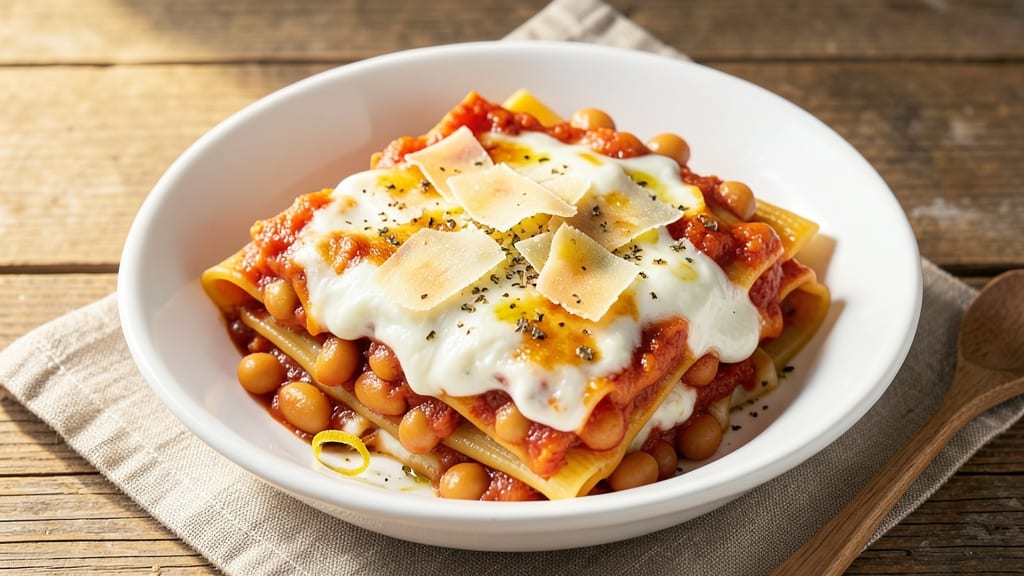
This bean lasagna recipe transforms traditional layers into a hearty vegetarian masterpiece with white beans and ricotta for unmatched texture. The secret lies in balancing creamy ricotta with tender white beans, creating a protein-rich filling that holds together beautifully. Every forkful delivers that satisfying lasagna experience—just without the meat.
What sets this recipe apart is the foolproof layering technique that ensures each slice stays intact, with crispy edges and gooey cheese pull. The white beans add natural creaminess while keeping the dish light, while ricotta provides that signature lasagna richness.
No special equipment needed—just a baking dish and patience for the perfect bake.
By the time it emerges from the oven, you'll have golden-brown layers with melted cheese stretching between each sheet of pasta. The white beans stay tender, the ricotta stays creamy, and the sauce ties everything together in a way that feels indulgent yet balanced.
This is comfort food at its finest—substantial enough for a family dinner but impressive enough for guests.
The best part? Leftovers reheat beautifully, making this an ideal meal for busy weeks. Whether you're a vegetarian looking for satisfying protein or simply craving lasagna night, this recipe delivers restaurant-quality results with simple ingredients. Let's build those layers!
Ingredients for bean lasagna
Sixteen ingredients transform into layers of creamy white bean and ricotta perfection.
| Ingredient | Amount | Notes |
|---|---|---|
| Lasagna Noodles 🍝 | 12 sheets | No-boil preferred for texture |
| Canned Cannellini Beans 🌿 | 2 cups | Drained and rinsed thoroughly |
| Whole Milk Ricotta Cheese 🧀 | 2 cups | Full-fat for creaminess |
| Part-Skim Mozzarella Cheese 🧀 | 2 cups | Shredded, low-moisture |
| Parmesan Cheese 🧀 | ½ cup | Freshly grated, aged |
| Large Eggs 🥚 | 2 whole | Room temperature for binding |
| Garlic Cloves 🧄 | 4 cloves | Minced, fresh preferred |
| Yellow Onion 🧅 | 1 whole | Diced, medium size |
| Extra-Virgin Olive Oil 🫒 | ½ cup | Light fruity variety |
| Canned Crushed Tomatoes 🍅 | 2 cups | San Marzano preferred |
| Dried Basil 🌿 | 1 tbsp | Or 0.25 cup fresh |
| Kosher Salt 🧂 | 1 ½ tsp | Diamond Crystal preferred |
| Freshly Ground Black Pepper 🌶️ | ½ tsp | Cracked peppercorns |
| Vegetable Oil 🫒 | 2 tbsp | For greasing baking dish |
| Fresh Spinach Leaves 🌱 | 4 cups | Chopped, loosely packed |
The ricotta and beans form the heart of this lasagna. Look for whole milk ricotta—it's richer and holds together better when baked. Cannellini beans provide that satisfying texture, but any white bean (like great northern) works in a pinch. For the cheese, Parmigiano-Reggiano is non-negotiable for that aged depth, while low-moisture mozzarella prevents soggy layers. Fresh basil and spinach add vibrant color and subtle sweetness that balance the richness. The San Marzano tomatoes are worth seeking out—their natural sweetness shines through even when baked down.
No ricotta on hand? Cottage cheese blended until smooth works in a bind, though it won't be as creamy. Swap mozzarella for fontina or provolone if you prefer a more aggressive melt. The spinach can be omitted if you're short on time, but the garlic and onion base is essential—toasted in olive oil until caramelized for depth. For the tomatoes, passata works beautifully if you want to skip the seeds. And if you're worried about the layers sticking, vegetable oil on the baking dish creates a non-stick barrier that's foolproof. The no-boil noodles are a game-changer—they soften perfectly in the oven while maintaining structure.
Assemble this lasagna up to 24 hours ahead—the flavors meld beautifully overnight. For the perfect bake, cover with foil for the first 30 minutes, then uncover to get that golden crust. Leftovers keep for 4 days in the fridge, though they're rarely that fresh. For freezing, portion into individual servings before baking—reheat from frozen for 45 minutes covered. The ricotta filling stays creamy, the beans hold their shape, and the cheese stretches just right—every slice delivers that restaurant-quality experience.
Why You'll Love This Recipe
- No-Cook Filling: I swear by the canned beans here—just drain, mash slightly, and mix with ricotta. No chopping, no waiting, and that creamy texture? It’s the secret to layers that actually hold.
- Creamy Cheese Magic: That ricotta-mozzarella combo is where it gets good. The ricotta stays luscious while the mozzarella melts into golden bubbles—every bite has that pull-apart, gooey perfection.
- Leftover Heaven: This keeps better than most lasagnas. Three days in the fridge, still tender, still rich. I pack it for lunches or reheat it for dinner—no sad, dry edges here.
- Budget-Friendly Feast: Cannellini beans stretch this dish for a crowd without breaking the bank. A whole pan for under $15? That’s my kind of meal—filling, satisfying, and kind to my wallet.
Step-by-step instructions for white bean and ricotta lasagna
Layer by layer, we'll build a lasagna with creamy ricotta and hearty white beans for a texture that's both rich and satisfying.
Prepare the Bean and Tomato Sauce
In a medium saucepan, heat the 0.5 cup extra-virgin olive oil over medium heat. Add the 1 whole diced yellow onion and cook for 5 minutes until softened and translucent. Stir in the 4 cloves minced garlic and cook for 30 seconds until fragrant—don't let it brown or it'll turn bitter.
Pour in the 2 cups canned crushed tomatoes and bring to a gentle simmer. Add the 2 cups drained cannellini beans, 1 tbsp dried basil, 1.5 tsp kosher salt, and 0.5 tsp freshly ground black pepper. Reduce heat to low and let the sauce simmer uncovered for 15 minutes, stirring occasionally. The sauce should thicken slightly and develop deep, savory flavors. This slow cook time allows the beans to infuse their earthy taste into the tomatoes.
Make the Ricotta Cheese Mixture
In a large bowl, combine the 2 cups whole milk ricotta cheese, 2 whole large eggs (room temperature), 0.5 cup freshly grated parmesan cheese, 0.5 tsp kosher salt, and 0.25 tsp freshly ground black pepper. Using a wooden spoon or rubber spatula, gently fold everything together until just combined—don't overmix or the ricotta will become grainy.
Add the 4 cups chopped fresh spinach leaves and fold them in until wilted and evenly distributed. The spinach will release moisture, which helps bind the ricotta mixture. This layer will be the creamy heart of your lasagna, providing a contrast to the robust bean sauce.
Assemble the Lasagna Layers
Preheat your oven to 375°F. Lightly grease a 9x13-inch baking dish with 2 tbsp vegetable oil—this prevents sticking and makes cleanup easier. Spread 1 cup of the bean-tomato sauce on the bottom of the dish to prevent the noodles from drying out.
Layer 4 sheets of lasagna noodles (no-boil preferred) on top of the sauce, slightly overlapping them. Spread half of the ricotta-spinach mixture evenly over the noodles, then sprinkle 1 cup of the part-skim mozzarella cheese. Repeat with another layer of 4 noodles, remaining ricotta mixture, and the remaining 1 cup mozzarella. Top with the final 4 noodles and the remaining bean-tomato sauce, pressing down gently to ensure everything is compact.
Bake to Golden Perfection
Cover the baking dish tightly with aluminum foil and bake for 30 minutes. Remove the foil and continue baking for an additional 15-20 minutes until the top is golden brown and bubbly. The edges should be crisping slightly, and you should see cheese pulling away from the sides.
Let the lasagna rest for 10 minutes before slicing—this allows the layers to set and makes it easier to serve without everything sliding apart. The internal temperature should reach 165°F at the thickest part. Serve with a side salad or crusty bread to soak up any extra sauce.
Pro Tips For Making Bean Lasagna
- Drain and Rinse Beans: Canned beans taste better when you rinse them first—especially cannellini beans, which can get mushy when overcooked. Give them a quick cold-water rinse and a rough drain, then pat them dry with a towel. This keeps your layers from turning into a soup.
- Pre-Cook Noodles to Perfection: Skip the al dente rule here—lasagna noodles need to be fully cooked before assembly. Boil them until tender, then shock in ice water to stop cooking. This prevents them from turning to mush in the oven and guarantees they hold up through every layer.
- Layer Cheese Like a Pro: Don’t just dump cheese between layers—distribute it evenly. Sprinkle ricotta in thin layers, then top with mozzarella and parmesan. The ricotta should be spread like a thin blanket, not clumped in the middle, or you’ll end up with a dry, cheesy center and soggy edges.
- Bake Low and Slow: This isn’t a dish you can rush. Cover the lasagna with foil and bake at 375°F (190°C) for 25 minutes, then uncover and bake another 10-15 minutes until bubbly and golden. Skipping the foil too early = dry top; leaving it on too long = soggy bottom.
Regional styles of this bean lasagna
Italian-Inspired Classics
In Italy, lasagna often features meat, but regional adaptations embrace vegetables and legumes. In Tuscany, white beans are a staple—try adding 1 cup of diced pancetta to your bean sauce for smoky depth.
The Emilia-Romagna version might include burrata instead of ricotta for extra creaminess, while Sicily swaps mozzarella for pecorino cheese and adds sun-dried tomatoes. 🌿
For an authentic Italian touch, use San Marzano tomatoes and finish with fresh basil rather than dried. The key is balancing textures—creamy ricotta with tender beans mirrors traditional lasagna's richness. I love adding a pinch of nutmeg to the ricotta mixture for warmth, just like in Florentine recipes.
Southern U.S. Twist
In the American South, lasagna gets a hearty, comforting makeover. Swap ricotta for cream cheese and add collard greens or kale to the bean layer for a Southern-inspired flavor.
Top with sharp cheddar instead of mozzarella for a tangy kick. This version often includes smoked gouda for depth, inspired by Texas-style comfort food.
For extra richness, stir ½ cup of heavy cream into the bean sauce and sprinkle crumbled bacon on top before baking. This Southern adaptation keeps the layers but adds bold, smoky flavors that feel like a hug in a dish.
Mediterranean Fusion
Greek and Middle Eastern influences bring feta cheese and za'atar to bean lasagna. Replace ricotta with blended feta and Greek yogurt for tanginess, and fold in chopped kalamata olives for briny contrast.
Top with toasted pine nuts and a drizzle of honey for a sweet-savory finish. This Mediterranean fusion works beautifully with no-boil lasagna noodles or even phyllo dough for a crispy twist. 🌟
For a Lebanese-inspired version, add chopped parsley and a squeeze of lemon juice to the bean sauce. Finish with crumbled sumac on top for a zesty kick. The combination of creamy feta and earthy beans creates a dish that’s both familiar and exciting.
Mexican-Inspired Adaptation
Spice up your bean lasagna with Mexican flavors by adding diced jalapeños and corn kernels to the bean layer. Swap ricotta for queso fresco and top with avocado slices and pickled red onions for freshness. This Tex-Mex version is perfect for those who love bold, vibrant dishes. 🌶️
For extra heat, stir ½ tsp of chili powder and ½ tsp of cumin into the bean sauce. Use corn tortillas instead of lasagna noodles for a fun twist—just brush them lightly with oil before layering. This adaptation keeps the creamy, cheesy essence of lasagna while adding a fiesta-worthy kick.
Nutrition facts
Frequently asked questions
Can I use dried beans instead of canned in this recipe?
Yes, but you'll need to soak them overnight first. For 2 cups of cannellini beans, use 1 cup dried and soak in water for 8-12 hours (or quick-soak in boiling water for 1 hour). Drain and rinse thoroughly before using. The texture will be slightly firmer than canned beans, but the flavor develops beautifully when baked.
Why does my bean lasagna get watery after baking? This usually happens from one of three things: overmixing the ricotta, using too much tomato sauce, or not draining the beans well. First,
Can I make this lasagna ahead of time?
Assemble the lasagna up to 24 hours ahead and refrigerate uncovered. When ready to bake, let it sit at room temperature for 30 minutes before baking (add 10 minutes to the baking time). For freezing, assemble completely (including sauce on top), cover tightly with foil, and freeze for up to 3 months. Thaw overnight in the fridge before baking—don't thaw at room temperature.
What's the best way to reheat leftovers?
Slice the lasagna into portions and reheat in the oven at 350°F (175°C) for 15-20 minutes covered with foil, then uncover for the last 5 minutes to crisp the top. For microwave reheating, cover with a damp paper towel and heat in 30-second intervals on medium power, stirring between each interval. The oven method preserves texture better than microwaving. Leftovers keep for 4-5 days in the fridge.
Can I substitute tofu or tempeh for the ricotta layer?
You can try, but the texture won't be the same. For a similar creamy consistency, blend 12 oz firm tofu with ½ cup nutritional yeast, 1 tbsp lemon juice, and 1 tsp garlic powder until smooth. Use this in place of ricotta, but expect a slightly different mouthfeel. For tempeh, crumble 1 cup and sauté with garlic until crispy, then mix with ½ cup mashed beans for a heartier alternative. The bean sauce layer will still provide plenty of protein.