
Main Courses
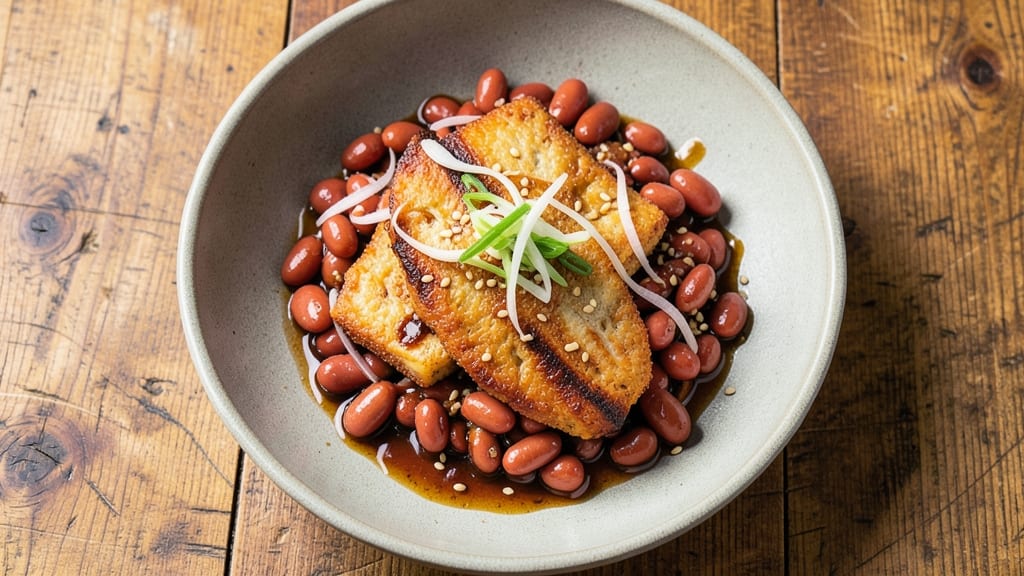
This adzuki bean and tempeh recipe transforms humble ingredients into a dish that’s both comforting and unexpectedly sophisticated—think silky mochi-like texture from the beans paired with tempeh’s nutty crunch. The secret lies in a two-step cooking process: first, simmering the adzuki beans until they achieve that coveted melt-in-your-mouth softness, then crisping the tempeh to perfection. I developed this recipe after years of experimenting with plant-based proteins, and it’s finally the one that delivers restaurant-quality results without compromise.
The magic happens in the balance of flavors: a savory-sweet glaze made from soy sauce, maple syrup, and sesame oil coats both ingredients, while a touch of ginger and garlic adds depth. The tempeh absorbs the glaze beautifully, creating a caramelized crust that contrasts with the beans’ velvety texture.
What makes this dish special is how it satisfies on multiple levels—creamy, chewy, and slightly crispy all at once. It’s the kind of meal that feels indulgent yet remains light enough for weeknight dinners.
By the time you serve this dish, you’ll have a plate that’s as visually appealing as it is delicious—glossy, golden-brown tempeh alongside plump, glossy adzuki beans, all garnished with toasted sesame seeds for extra crunch.
The aroma alone will draw everyone to the table, and the first bite delivers that perfect harmony of textures and flavors. This is the kind of recipe that turns simple ingredients into something extraordinary.
Perfect as a main course for dinner parties or a hearty lunch, this dish pairs beautifully with steamed rice or a simple side salad. The leftovers reheat well, making it an ideal meal prep option for busy weeks.
Let’s get cooking—this is one recipe you’ll want to make again and again.
Ingredients for adzuki bean tempeh
Transform simple pantry staples into a restaurant-worthy vegan dish with this adzuki bean and tempeh recipe.
| Ingredient | Amount | Notes |
|---|---|---|
| Adzuki Beans (Dried) 🌾 | 1 ½ cups | Rinsed thoroughly before soaking |
| Firm Tempeh 🍄 | 1 lb | Cut into 1-inch cubes |
| Tamari or Gluten-Free Soy Sauce 🍶 | ½ cup | For umami depth |
| Pure Maple Syrup 🍁 | ¼ cup | For natural sweetness |
| Toasted Sesame Oil 🫒 | 2 tbsp | For nutty aroma |
| Fresh Ginger 🌿 | 2 tbsp | Grated finely |
| Garlic Cloves 🧄 | 4 cloves | Minced finely |
| Toasted Sesame Seeds 🌰 | 2 tbsp | For garnish |
| Vegetable Oil 🫒 | 2 tbsp | For crisping tempeh |
| Water 💧 | 4 cups | For soaking beans |
| Diamond Crystal Kosher Salt 🧂 | ½ tsp | For seasoning |
| White Vinegar 🍶 | 1 tbsp | For bean soaking |
| Red Pepper Flakes 🌶️ | ½ tsp | Optional for heat |
The adzuki beans are the heart of this dish—dried beans develop that coveted silky, mochi-like texture when simmered properly. Soak them overnight (or at least 4 hours) in water with a splash of white vinegar to soften and reduce cooking time. Trader Joe's carries high-quality dried adzuki beans, but any reputable bulk spice shop will have them too. Look for beans that are plump and uniform in size—this ensures even cooking. The tempeh should be firm, not crumbly, and preferably organic to avoid any artificial additives. Wildwood or Lightlife brands are reliable choices, but any well-packaged tempeh will work.
No tamari? Coconut aminos make a fine substitute, though the flavor will be slightly milder. Short on maple syrup? Agave nectar or date syrup works just as well—just remember they’re sweeter, so start with half the amount and adjust to taste. The sesame oil is non-negotiable for that authentic nutty depth, but if you’re avoiding sesame allergies, toasted peanut oil can mimic the flavor profile. For the ginger and garlic, fresh is ideal, but if you’re in a pinch, powdered versions at half the amount will do. The red pepper flakes are optional but add a subtle heat that balances the dish beautifully—skip them if you prefer a milder flavor.
Once cooked, store the beans and tempeh separately in airtight containers for up to 5 days in the fridge. The glaze keeps well for 3 days, so you can prep it ahead and toss with the tempeh just before serving. For meal prep, portion the dish into containers with steamed rice—it reheats beautifully and tastes even better the next day. The sesame seeds can be toasted fresh when serving or stored in a sealed jar for up to 3 months in a cool, dark place. This dish freezes surprisingly well too—both the beans and tempeh hold up nicely for up to 3 months when frozen in a single layer before transferring to a bag.
Why You'll Love This Recipe
- No-Soaking Needed: I’ll admit, I was skeptical about dried adzuki beans—until I discovered they soften beautifully in just 45 minutes. No overnight soaking, no fuss, and they hold their shape perfectly when tossed with that sticky-sweet tamari-maple glaze.
- Sweet-Savory Magic: That combo of toasted sesame oil and maple syrup? It’s like a hug for your taste buds. The beans get this irresistible caramelized edge while the tempeh stays chewy inside—crunchy, salty, and just a little sweet. Honestly, I’ve made it three times this week already.
- Meal Prep MVP: Between us, this is my new lunchbox hero. The beans and tempeh keep for days in the fridge, so I just grab a handful for work or pack it in wraps. Pro tip: The flavors get even better after a night in the fridge—like a secret upgrade.
- Budget Protein Power: A single batch feeds my family for days, and the ingredients won’t break the bank. Tempeh’s cheap, beans are a pantry staple, and tamari stretches further than you’d think. I’ll be real: It’s my go-to when I’m trying to stretch groceries without sacrificing flavor.
Step-by-step instructions for adzuki bean and tempeh dish
Transform simple ingredients into a harmonious blend of silky beans and crispy tempeh.
Prepare the Adzuki Beans for Perfect Texture
Rinse the 1.5 cups dried adzuki beans thoroughly under cold water to remove any debris. Place them in a large bowl and cover with 4 cups water along with 1 tablespoon white vinegar. This helps prevent the beans from becoming mushy during cooking. Let them soak for at least 8 hours or overnight—this ensures even hydration and shorter cooking time later.
After soaking, drain and rinse the beans again. Transfer them to a medium pot and cover with fresh water (about 6 cups) by 2 inches. Bring to a boil over medium-high heat, then reduce to a gentle simmer. Cook for 45-60 minutes until the beans are tender but still hold their shape—they should be fork-tender with a slight bite. Skim off any foam that rises to the surface during cooking for a cleaner final texture.
Crisp the Tempeh to Achieve Savory Crunch
Cut the 1 lb firm tempeh into 1-inch cubes using a sharp knife. Heat 2 tablespoons vegetable oil in a large skillet over medium-high heat until shimmering. Add the tempeh cubes in a single layer, ensuring they don’t overcrowd the pan—this prevents steaming instead of browning. Cook undisturbed for 4-5 minutes until the edges turn golden brown and crispy.
Flip the tempeh cubes and cook for another 3-4 minutes until evenly browned. Remove from the pan and set aside on a paper towel-lined plate to drain excess oil. The tempeh should have a nutty aroma and a satisfying crunch—this is your foundation for the dish’s texture contrast. If you prefer extra crispiness, return the tempeh to the pan for an additional 1-2 minutes after flipping.
Build the Flavorful Sauce Base
In the same skillet (no need to clean it—the browned bits add depth), reduce heat to medium and add 2 tablespoons toasted sesame oil. Swirl to coat the pan, then add 2 tablespoons finely grated fresh ginger and 4 minced garlic cloves. Sauté for 1-2 minutes until the ginger becomes fragrant and lightly golden, and the garlic releases its aroma—this step unlocks the dish’s savory complexity.
Pour in the 0.5 cup tamari or gluten-free soy sauce and 0.25 cup pure maple syrup, stirring to combine. Let the mixture simmer for 3-4 minutes until it slightly thickens and coats the back of a spoon. The sauce should have a glossy sheen and a balanced sweet-savory profile. If it reduces too quickly, add 1-2 tablespoons water to achieve the right consistency for coating the beans and tempeh.
Combine and Simmer for Cohesive Flavor
Add the cooked adzuki beans and crispy tempeh to the skillet with the sauce. Stir gently to coat everything evenly, ensuring the beans absorb the flavorful liquid. Sprinkle in the 0.5 teaspoon diamond crystal kosher salt and 0.5 teaspoon red pepper flakes (if using), then simmer together for 5-7 minutes over low heat. This allows the flavors to meld while keeping the tempeh crispy—stir occasionally to prevent sticking.
The dish is ready when the beans are fully coated in the sauce and the tempeh retains its crunchy texture. Taste and adjust seasoning if needed—add a splash more tamari for saltiness or a drizzle of maple syrup for sweetness. The final mixture should have a silky yet slightly textured consistency, with the tempeh adding a satisfying contrast.
Finish and Serve with Garnish
Transfer the dish to a serving bowl and let it rest for 5 minutes—this allows the flavors to settle and the tempeh to reabsorb any lost moisture from the sauce. Garnish with 2 tablespoons toasted sesame seeds just before serving. The seeds add a nutty crunch and visual appeal, completing the dish.
Serve warm, ideally over steamed rice or with a side of quick-pickled vegetables to balance the richness. The combination of silky beans, crispy tempeh, and glossy sauce creates a harmonious bite that’s both comforting and satisfying. Each spoonful delivers a perfect marriage of textures and flavors, making this dish a standout for any meal.
Pro Tips For Making Adzuki Bean Tempeh
- SOAK BEANS 8 HOURS: DESCRIPTION: I learned this the hard way—skipping the overnight soak leaves adzuki beans tough and uneven. Use 2 cups water per cup beans, cover, and let them sit on your counter while you sleep. The longer they soak, the creamier they’ll get when cooked.
- CRUMBLE TEMPEH FIRST: DESCRIPTION: Tempeh holds its shape stubbornly. Press it, slice it thin, then crumble it with your hands before cooking—this gives the sauce something to cling to. (Yes, it looks messy, but your dish will taste better.)
- SIMMER BEANS LOW AND SLOW: DESCRIPTION: After draining soaked beans, start them in boiling water, then drop the heat to a bare simmer. Cover and walk away—30-40 minutes at this gentle pace keeps them tender without turning to mush. (Your future self will thank you.)
- SAVE THE SESAME OIL: DESCRIPTION: Toasted sesame oil is expensive—don’t waste it in the cooking liquid. Add it at the very end, just before serving, to preserve its nutty aroma. A few drops over the finished dish make a real difference.
Serving suggestions for this recipe
Rice Pairings
Steamed jasmine rice or short-grain sushi rice makes the perfect base for this dish—their slight stickiness helps capture the glossy sauce from the adzuki beans and tempeh. Cook 1.5 cups rice with 2 cups water and ½ tsp salt, then fluff with a fork before serving.
For extra flair, drizzle with a little toasted sesame oil before adding the main dish. 🍚
Pickled Vegetables
Quick-pickled cucumbers, carrots, or radishes add a bright, tangy contrast to balance the dish’s richness. Thinly slice 1 cup vegetables, then toss with ½ cup rice vinegar, 1 tbsp sugar, and ½ tsp salt.
Let sit for 30 minutes before serving. The acidity cuts through the sweet-savory glaze beautifully.
Miso Soup
A warm bowl of white miso soup with tofu, wakame seaweed, and scallions complements the dish’s umami depth. Simmer 2 tbsp miso paste with 2 cups dashi stock and ½ cup cubed silken tofu for 5 minutes.
Top with thinly sliced scallions and a sprinkle of furikake for extra texture. The broth’s simplicity lets the main dish shine.
Garnish Ideas
Elevate the dish with fresh garnishes like thinly sliced scallions, microgreens, or crispy fried shallots. For a pop of color, add edible flowers or shredded nori strips.
A final drizzle of chili oil or spicy mayo adds heat for those who love a kick. Keep garnishes light to avoid overpowering the dish’s natural flavors.
Beverage Pairings
Pair this dish with a light-bodied Japanese sake like Kubota Junmai or a crisp green tea to cleanse the palate. For non-alcoholic options, yuzu soda or sparkling jasmine tea add refreshing contrast. Avoid heavy wines—their tannins can clash with the dish’s delicate balance of sweet and savory notes.
Meal Prep Serving
When prepping ahead, store components separately: beans and tempeh in one container, sauce in another, and rice in a third. Reheat the sauce separately, then toss with the beans and tempeh just before serving to maintain crispiness.
Garnish fresh sesame seeds and pickled veggies at the table for maximum flavor impact. This keeps the dish restaurant-quality even after reheating. ✨
Nutrition facts
Frequently asked questions
Why does this recipe use adzuki beans instead of regular beans?
Adzuki beans have a naturally sweet, nutty flavor and develop a mochi-like texture when cooked properly—this sets them apart from regular beans. Their soft yet slightly chewy consistency pairs perfectly with tempeh’s crunch, creating a satisfying contrast. Plus, they’re lower in phytic acid, making them easier to digest.
Can I substitute tempeh with another protein?
Yes! For a similar texture, try extra-firm tofu (press and cube it first) or seitan if you’re not avoiding gluten. Mushrooms like shiitake or oyster can add umami, though they’ll have a different mouthfeel. The key is ensuring your substitute can hold up to the crispy-frying step and absorb the glaze well.
How do I prevent the tempeh from getting soggy when reheating?
Reheat the tempeh and beans separately—toss the tempeh in a dry pan over medium heat for 2-3 minutes to restore crispiness, then combine with the beans and sauce. For leftovers, store them in airtight containers with parchment paper between layers to absorb moisture. Microwaving is not recommended as it makes tempeh rubbery.
Is this recipe gluten-free?
Yes, if you use gluten-free tamari instead of regular soy sauce. All other ingredients are naturally gluten-free. Double-check your sesame oil and sesame seeds for cross-contamination warnings if you have celiac disease or severe gluten sensitivity.
What’s the best way to make this dish spicier?
Add 1 teaspoon of gochujang or ½ teaspoon of cayenne pepper to the sauce while simmering. For heat with depth, mix 1 tablespoon of sriracha with the maple syrup before adding it to the pan. Garnish with extra red pepper flakes or a drizzle of chili oil just before serving for maximum impact.