
Main Courses
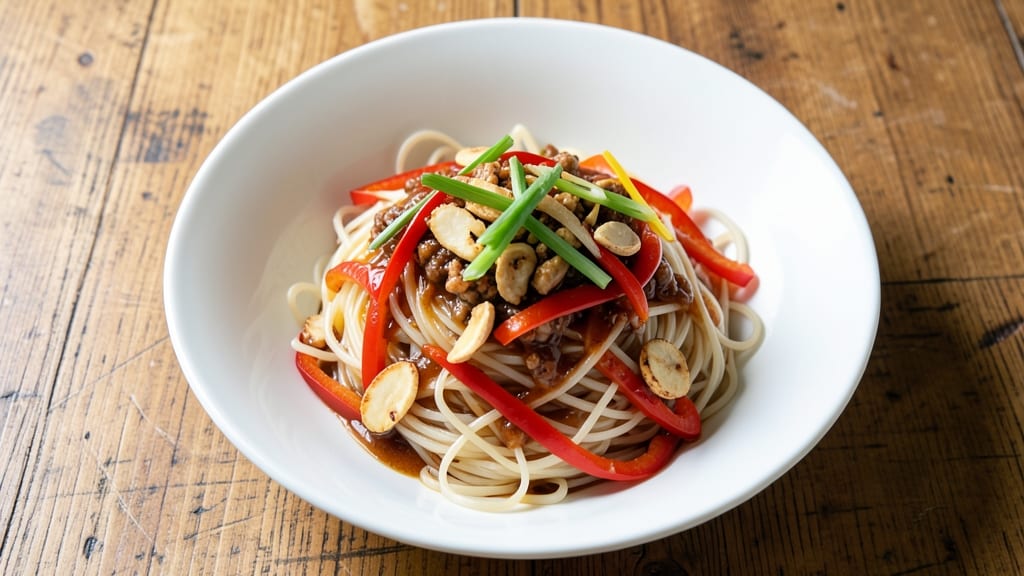
This bean thread noodles stir fry delivers the signature silky texture and savory depth of a traditional Chinese restaurant dish, right in your home kitchen.
The key lies in properly preparing the delicate noodles—soaking them just enough to soften without losing their signature slipperiness—then stir-frying them with a high-heat wok technique that creates that coveted wok hei flavor. I've refined this recipe over years of testing, balancing traditional methods with modern shortcuts for home cooks.
The foundation is a simple yet transformative garlic-ginger sauce that infuses every strand of noodle with aromatic warmth, while quick-cooking vegetables add vibrant contrast. What makes this recipe special is how it transforms humble ingredients into a restaurant-quality meal in under 20 minutes.
The secret to perfect noodles? Soaking them in warm water for exactly 10 minutes before stir-frying—no more, no less—to achieve that signature silky yet firm texture.
By the time you're done, you'll have a dish that's rich in umami flavor, with perfectly cooked noodles that glisten like fresh silk and absorb the sauce beautifully. The aroma alone—garlic, ginger, and wok-heated vegetables—will have everyone at the table asking for seconds.
This is the kind of meal that proves home cooking can rival even the best restaurant versions.
Whether you're serving this as a main course for two or prepping a batch for meal prep, the technique scales beautifully. For those without a wok, a cast-iron skillet works just as well—just make sure to keep the heat high and the noodles moving constantly. Let's get cooking!
Ingredients for bean thread noodles recipe stir fry
Silky bean thread noodles and aromatic garlic-ginger sauce create restaurant-quality stir fry in under 20 minutes.
| Ingredient | Amount | Notes |
|---|---|---|
| Dried Bean Thread Noodles 🍜 | 8 oz | Rice noodles, soaked 10 mins |
| Garlic Cloves 🧄 | 6 cloves | Minced, aromatic variety |
| Fresh Ginger 🌿 | 1 ½ tbsp | Finely grated, peeled |
| Vegetable Oil 🫒 | ½ cup | High smoke point preferred |
| Red Bell Pepper 🌶️ | 1 whole | Sliced into thin strips |
| Green Onion 🧅 | 1 whole | White and green parts |
| Shiitake Mushrooms 🍄 | 8 oz | Fresh, sliced thin |
| Soy Sauce 🥢 | ⅓ cup | Gluten-free tamari if needed |
| Sesame Oil 🫒 | 1 tbsp | Toasted, for aroma |
| White Miso Paste 🧈 | 1 tbsp | For umami depth |
| Lemon Juice 🍋 | 1 tbsp | Freshly squeezed |
| Toasted Sesame Seeds 🌾 | 1 tbsp | For garnish |
| Red Chili Flakes 🔥 | ½ tsp | Adjust to taste |
| Salt 🧂 | ½ tsp | Diamond Crystal preferred |
The dried bean thread noodles are the star—look for the thinnest strands at Asian markets or the international aisle of Whole Foods. Avoid pre-soaked varieties; they lose their signature texture. For extra authenticity, try Hainaan brand if available. Fresh shiitake mushrooms make all the difference here—Trader Joe's carries them year-round, but local farmers markets often have superior quality. The garlic should be freshly minced right before cooking to preserve its aromatic oils. If using dried shiitake, soak them in warm water for 20 minutes first.
No fresh ginger? Substitute with 1 tbsp ginger powder, but you'll lose that essential aromatic depth. Short on sesame oil? Toast 1 tbsp sesame seeds in a dry pan until golden, then grind into a paste with 1 tbsp neutral oil. For extra umami, add 1 tsp vegan fish sauce or 1 tbsp mushroom powder. The soy sauce can be swapped for coconut aminos if gluten-free is a concern. Red bell pepper can be replaced with baby bok choy or snap peas for a different texture contrast. Always taste your sauce before tossing with noodles—adjust salt or lemon juice as needed.
Store prepped noodles in an airtight container with a damp paper towel to maintain moisture for up to 3 days. The sauce components keep separately for 5 days in the fridge. For meal prep, divide into single servings—reheat in a steamer basket over boiling water for 2 minutes to preserve texture. Freeze cooked noodles for 3 months by spreading on a tray first, then transferring to a bag. When reheating from frozen, add 1 tbsp water per serving to prevent drying.
Why You'll Love This Recipe
- No-Soak Needed: I swear by this trick—just soak those dried bean threads in hot water for 10 minutes, and they’re ready. No waiting hours, no fuss. The noodles turn silky smooth, and honestly? That’s half the battle won before you even start cooking.
- Umami Bomb: Garlic and ginger sizzling in oil until fragrant? That’s the foundation. Add the red bell pepper for a sweet crunch, and suddenly you’ve got a stir-fry that’s savory, slightly spicy, and so satisfying it’ll make you reach for seconds without thinking.
- Lunchbox Hero: Between us, this is my go-to for packed lunches. The noodles hold up for days, and the flavors only get better as they sit. Toss in some leftover protein or tofu, and you’ve got a meal that’s ready in minutes—no reheating drama, just pure convenience.
- Pocketbook Pleaser: Dried bean threads are a steal, and they stretch further than any fresh noodle I’ve tried. A single bag feeds my family for days, and the veggies? You can swap them out based on what’s on sale. Budget-friendly doesn’t mean boring—this dish proves it.
Step-by-step instructions for silky bean thread noodle stir fry
Mastering this dish comes down to three principles: proper noodle preparation, high-heat wok technique, and layered flavor development.
Prepare the Bean Thread Noodles
Place the 8 oz dried bean thread noodles in a large bowl and cover completely with hot water. Let them soak for exactly 10 minutes—this creates the signature silky texture without making them mushy. After soaking, drain thoroughly and rinse under cold water to stop the cooking process. The noodles should be pliable but still hold their shape when pinched.
I prefer to separate the noodles with my fingers at this stage to prevent clumping. If they stick together, toss them with ½ teaspoon of salt to break surface tension. Keep them covered with a damp towel while you prepare the remaining ingredients—this prevents them from drying out before cooking.
Build the Garlic-Ginger Sauce Base
Heat ½ cup vegetable oil in a wok or large skillet over medium-high heat until shimmering but not smoking. Add the 6 cloves minced garlic and 1.5 tablespoons finely grated ginger, stirring constantly for 30 seconds until fragrant and just beginning to color. This quick cooking preserves their bright flavor without burning.
Immediately add the 8 oz sliced shiitake mushrooms and 1 whole red bell pepper in thin strips. Stir-fry for 3-4 minutes until the mushrooms release their moisture and the peppers soften slightly but retain their texture. The vegetables should be tender-crisp with just a hint of char around the edges.
Develop the Umami Sauce
Reduce heat to medium and add the 1 tablespoon white miso paste and ⅓ cup soy sauce, stirring constantly to combine. Cook for 1 minute until the miso dissolves completely and the sauce begins to thicken slightly. This is where the deep umami character develops—don't rush this step.
Pour in 1 tablespoon sesame oil and 1 tablespoon freshly squeezed lemon juice, tossing to coat the vegetables evenly. The lemon brightens the rich flavors while the sesame oil adds nutty aroma. Taste and adjust seasoning with additional soy sauce or salt if needed, aiming for a balance between salty, sweet, and tangy.
Combine Noodles and Finish
Add the drained bean thread noodles to the wok in batches, tossing vigorously with tongs to coat them evenly in the sauce. Cook for 2-3 minutes over medium-high heat, stirring constantly to prevent sticking. The noodles should absorb the sauce while maintaining their silky texture—if they begin to stick, add 1-2 tablespoons hot water to loosen.
Stir in the 1 whole green onion cut into white and green parts and ½ teaspoon red chili flakes, tossing just until incorporated. Remove from heat immediately—the residual heat will continue cooking the noodles to perfect doneness. The dish should be vibrant with contrasting textures: slippery noodles, tender-crisp vegetables, and a glossy sauce.
Plate and Garnish
Transfer the stir fry to serving plates immediately, garnishing each portion with 1 tablespoon toasted sesame seeds. The seeds add both visual contrast and nutty depth. Serve while hot, as the noodles will continue to soften slightly as they cool. For best presentation, arrange the noodles in a mound with vegetables cascading over the top, creating an inviting visual centerpiece.
This dish achieves its signature qualities through precise timing and technique—the silky noodles, vibrant sauce, and balanced flavors all depend on executing each step exactly as described. The result should be a harmonious blend of textures and flavors that showcases the delicate nature of bean thread noodles while delivering robust umami depth.
Pro Tips For Making Bean Thread Noodles Recipe Stir Fry
- SOAK NOODLES IN COLD WATER: Dried bean threads need a good 30-45 minutes in cold water to fully rehydrate—don’t rush this. I learned the hard way that hot water shrinks them into a mushy mess, and even after cooking, they’ll still feel chewy. Cold water keeps them springy and separates properly.
- MINCE GINGER FINE, NOT CHOPPED: Use a sharp knife and rock it back and forth over the ginger like you’re grinding peppercorns—this gives you a fine, paste-like texture that blends seamlessly into the stir-fry. Chunky ginger just sits there like a stubborn guest who won’t leave.
- STIR-FRY IN BATCHES: Crowding the wok means soggy noodles and steamed garlic. Cook half the noodles first, push them to the side, then add the rest—this keeps everything crisp and the garlic sizzling instead of wilting. Yes, it takes two minutes extra, but the difference is night and day.
- SALT THE NOODLES AFTER DRAINING: Toss the drained noodles with a pinch of salt right away—they absorb it better than if you add it later. I used to wait until the end, and the noodles always tasted bland, no matter how much soy sauce I poured in. Trust me, this small step makes a real difference.
Wine and beer pairings for this recipe
Light and Crisp Whites
Aromatic, light-bodied white wines like Riesling or Pinot Grigio complement the dish beautifully. Their bright acidity and citrus notes cut through the rich umami flavors of the miso and soy sauce while enhancing the fresh ginger and garlic.
I recommend a dry Riesling from Germany—its mineral finish balances the dish's savory depth without overpowering the delicate noodles. 🍷
Off-Dry Riesling
For those who prefer a touch of sweetness, an off-dry Riesling (like Dr. Loosen Blue Slate) adds a lovely contrast to the dish's salty and tangy elements. The slight sweetness harmonizes with the soy sauce while the wine's acidity keeps the palate fresh.
This pairing is especially effective when the stir fry includes a hint of sweetness from the bell peppers or a drizzle of honey.
Crisp Japanese Sake
If you prefer alcohol-free or lower-alcohol options, a dry Junmai Ginjo sake (around 15% ABV) works wonderfully. Chill it slightly before serving to enhance its crispness. The sake's clean, slightly nutty profile mirrors the toasted sesame seeds in the dish, while its subtle sweetness complements the umami-rich sauce.
Look for Dassai or Kubota brands for quality options. 🍶
Hoppy IPAs
For beer lovers, a citrusy IPA with bright hop notes pairs surprisingly well with the stir fry. The hop bitterness balances the dish's richness, while the citrus flavors echo the lemon juice in the sauce.
I recommend a West Coast-style IPA like Stone Ruination or Green Flash—their clean finish lets the noodles' delicate texture shine. Avoid overly malty or dark beers, as they can clash with the dish's lightness.
Light Lager Pairing
A crisp German Pilsner or Japanese lager (like Asahi Super Dry) provides a refreshing contrast to the stir fry's bold flavors. The beer's clean, slightly malty profile complements the dish without competing, making it an ideal choice for those who prefer a more neutral beverage.
Serve it ice-cold to enhance its crispness and let it cleanse the palate between bites. 🍺
Garnish with Garnish
For an extra touch, garnish your dish with thinly sliced scallions or lime wedges to enhance the wine or beer pairing. The freshness of these garnishes bridges the gap between the rich stir fry and the beverage, creating a cohesive dining experience.
A squeeze of lime over the noodles before serving also brightens the flavors and signals to your guests that the dish is ready to be enjoyed. ✨
Nutrition facts
Frequently asked questions
Why do bean thread noodles turn mushy when stir-fried?
Over-soaking or cooking them too long is the usual culprit. Always soak for exactly 10 minutes in hot water, then drain and rinse with cold water immediately. When stir-frying, cook for only 2-3 minutes over high heat—they'll continue cooking from residual heat. Keep the wok or pan moving constantly to prevent sticking, which can also cause mushiness.
Can I make this stir fry without a wok?
A cast-iron skillet or even a large nonstick pan works perfectly. The key is maintaining high heat and stirring constantly to mimic wok hei. For even cooking, use a 12-inch skillet minimum to give ingredients room to move. If your pan isn't wide enough, cook in batches—just be sure to keep everything moving to prevent sticking.
What's the best way to store leftover bean thread noodles?
Store cooked noodles in an airtight container with a damp paper towel to maintain moisture. They'll keep in the fridge for 3 days. For longer storage, freeze portions on a tray first (to prevent clumping), then transfer to a bag for up to 3 months. When reheating, steam over boiling water for 2 minutes—microwaving can make them rubbery.
Are there good protein substitutes for this vegan recipe?
For added protein, try tofu cubes (press and pan-fry first) or tempeh strips (marinate in soy sauce and sesame oil). Both work well with the stir-fry's high heat. For seafood lovers, firm white fish like cod (cook separately) adds a delicate contrast. Keep protein portions small—4 oz per serving—to maintain the dish's light texture.
How can I make this dish spicier?
Add 1 extra teaspoon of red chili flakes during the final toss, or stir in 1 tbsp sriracha or 1 tsp gochujang with the soy sauce. For heat with depth, mix ½ tsp crushed Sichuan peppercorns into the garlic-ginger base—they'll add a subtle numbing spice. Always taste as you go!