
Sauces & Condiments
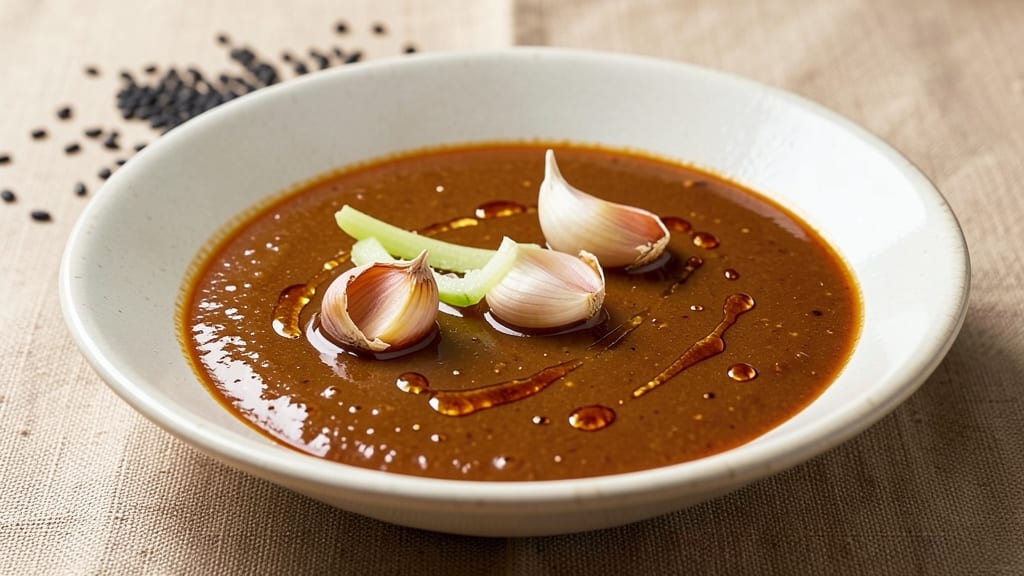
This black bean stir-fry sauce recipe transforms simple ingredients into a bold umami base that elevates any wok dish. The secret lies in balancing fermented soy sauce, garlic, ginger, and a touch of vinegar to create a sauce that's both tangy and deeply savory.
Perfect for vegans, this sauce works with black beans, tofu, or vegetables while cutting prep time dramatically.
The foundation is a simple blend of soy sauce, rice vinegar, and a touch of maple syrup for balance—no complicated techniques required. Garlic and ginger infuse the sauce with aromatic warmth, while optional additions like miso or hoisin deepen the umami profile.
It’s designed to be made in minutes, with ingredients you likely already have on hand.
What you’ll end up with is a glossy, flavor-packed sauce that clings to stir-fried ingredients, adding richness without overpowering. The sauce keeps well in the fridge for up to a week, making it ideal for meal prep or quick weeknight cooking.
Whether you’re tossing black beans, tofu, or veggies, this sauce delivers restaurant-quality depth.
Pair it with a quick stir-fry of black beans, bell peppers, and snap peas for a protein-rich, vegan-friendly meal. The sauce’s versatility means it works just as well with grilled meats or noodles. Let’s make this flavorful base your new go-to for wok nights.
Ingredients for black bean stir fry sauce
Nine simple ingredients create a bold umami sauce perfect for elevating any stir-fry.
| Ingredient | Amount | Notes |
|---|---|---|
| Fermented Soy Sauce 🍶 | ½ cup | Use tamari for gluten-free |
| Rice Vinegar 🍶 | ¼ cup | White or seasoned variety |
| Maple Syrup 🍯 | 2 tbsp | Pure grade preferred |
| Garlic Cloves 🧄 | 4 cloves | Minced for aromatic punch |
| Fresh Ginger 🌿 | 1 tbsp | Finely grated, not powdered |
| Sesame Oil 🫒 | 1 tbsp | Toasted for nutty flavor |
| White Miso Paste 🍶 | 1 tbsp | Optional for extra umami |
| Hoisin Sauce 🍶 | 1 tbsp | Optional for sweetness |
| Cornstarch 🌾 | 1 tsp | For thickening consistency |
| Water 💧 | ¼ cup | For thinning as needed |
The fermented soy sauce is the backbone of this sauce—Kikkoman or San-J are reliable choices, but any quality tamari works too. For the ginger, fresh is non-negotiable—powdered lacks the bright, zesty kick. The maple syrup should be pure, not pancake syrup (that's just corn syrup in disguise). Sesame oil adds depth, but use the toasted kind—Trader Joe's or Costco carry it affordably. Miso and hoisin are optional but worth it if you want that restaurant-quality depth. The cornstarch is key for that glossy finish—don't skip it.
No rice vinegar? Apple cider vinegar works in a pinch, though it'll be slightly more tart. Short on maple syrup? Agave or date syrup are perfect substitutes. The garlic can be roasted for a sweeter profile (microwave 30 seconds with a splash of water). If you're avoiding gluten, tamari is your friend—just check the label. For extra heat, add a pinch of red pepper flakes or sriracha. The sauce should coat the back of a spoon—if it's too thick, add water one teaspoon at a time.
This sauce keeps beautifully—1 week in the fridge sealed in a jar. For longer storage, freeze in ice cube trays, then transfer to a bag. Thaw overnight in the fridge. The flavor actually improves after a day or two as the ingredients meld. Double the batch and freeze half—perfect for lazy weeknights. It reheats well, so toss it with any stir-fry, noodles, or even grilled meats. Just don't boil it or the cornstarch will break down.
Why You'll Love This Recipe
- Pantry Magic: I swear by this sauce—no fresh ingredients required beyond what’s already in my fridge. Fermented soy sauce and rice vinegar do all the heavy lifting, while a quick minced garlic and ginger combo (or pre-minced jar, no judgment) makes it foolproof.
- Sweet-Savory Balance: That maple syrup isn’t just for sweetness—it cuts through the funk of black beans, giving you a rich, caramelized depth. Honestly, the first time I tasted it, I thought, "Why didn’t I do this sooner?"
- Meal Prep Hero: This sauce keeps for weeks in the fridge, and it’s the perfect base for stir-fries, tacos, or even a quick noodle bowl. I double the batch every Sunday so I’m never scrambling midweek—just toss it with whatever’s in the fridge.
- Budget-Friendly Powerhouse: Fermented soy sauce and maple syrup stretch this recipe into a whole meal. Between us, I’ve fed four people for under $10 using this sauce as the star—no fancy ingredients, just bold flavor that doesn’t break the bank.
Step-by-step instructions for black bean stir fry sauce
This umami-packed sauce delivers restaurant-quality depth with just 10 minutes of active time.
Bloom the Aromatics in Sesame Oil
Heat a small saucepan over medium-low heat and add the 1 tablespoon sesame oil. Let it warm for 30 seconds until fragrant—you'll smell that nutty, toasted aroma. This is your flavor foundation, so don't rush it.
Add the 4 cloves minced garlic and 1 tablespoon finely grated fresh ginger. Cook for 1-2 minutes until the garlic turns golden and the ginger loses its raw bite. Watch closely—garlic burns quickly, and you want it aromatic, not bitter. Remove from heat immediately after the garlic colors.
Build the Sauce Base with Fermented Flavors
Return the pan to medium heat and stir in the 0.5 cup fermented soy sauce and 0.25 cup rice vinegar. Let the mixture simmer gently for 2 minutes—this allows the vinegar to mellow slightly while the soy sauce deepens in flavor.
Add the 1 tablespoon white miso paste and 1 tablespoon hoisin sauce, stirring until completely dissolved. The miso will give you that deep, savory umami while the hoisin adds subtle sweetness. If using tamari instead of soy sauce, note the sauce will be gluten-free but slightly less complex in flavor.
Sweeten and Thicken the Sauce
Pour in the 2 tablespoons maple syrup and 0.25 cup water, then bring to a gentle simmer. Let it cook for 3-4 minutes until slightly reduced—you're looking for a consistency just slightly thicker than water but still pourable.
In a small bowl, whisk together the 1 teaspoon cornstarch with 1 tablespoon cold water to create a slurry. Slowly drizzle this into the simmering sauce while stirring constantly. The sauce will thicken immediately—keep stirring for 30 seconds to ensure it's smooth and glossy.
Finish and Adjust to Perfection
Taste the sauce and adjust the balance: Add a touch more maple syrup if you want it sweeter, or a splash of rice vinegar for brightness. The sauce should be boldly umami with a perfect balance of sweet, tangy, and savory notes.
For best results, use the sauce immediately over stir-fried black beans, tofu, or protein of choice. If storing, keep in an airtight container in the refrigerator for up to 5 days. The flavors will actually deepen overnight, making leftovers even more complex and delicious.
Pro Tips For Making Black Bean Stir Fry Sauce
- COOK GARLIC LOW AND SLOW: Toss those minced garlic cloves in first, then immediately turn the heat down to medium. I learned this the hard way—burnt garlic ruins the whole sauce, and you’ll taste it in every bite. Let it soften for 30 seconds before adding anything else.
- GRATE GINGER FINE: Skip the big chunks—you want this ginger to dissolve completely. Use the smallest holes on your grater or pulse it in a food processor until it’s almost paste-like. This ensures the flavor blends smoothly, not just sits as texture.
- TASTE BEFORE SWEETENING: Add the maple syrup last, but check the balance first. After mixing soy sauce, vinegar, and aromatics, take a small spoonful—if it’s too sharp, adjust with a pinch more syrup. You can’t fix oversweetened sauce; better to tweak now.
- USE COLD BEANS: Drain and rinse your black beans under cold water before adding them to the sauce. Warm beans release starch and make the sauce gluey. Cold beans absorb the flavors better and keep the texture light—trust me, it makes a difference.
Common mistakes when making perfect results
Over-Salting the Sauce
I’ve seen this happen more times than I can count—adding too much soy sauce and then realizing the sauce is way too salty. The fix? Taste as you go! Start with 0.4 cup soy sauce instead of the full 0.5 cup if you’re unsure.
If it does turn out too salty, balance it with a splash of maple syrup or rice vinegar—the sweetness or acidity will cut through the salt. A pinch of cornstarch slurry can also help dilute the intensity slightly. 💡
Skipping the Cornstarch
The cornstarch isn’t just for thickening—it gives the sauce that glossy, restaurant-quality finish. Without it, your sauce will be watery and lack that silky texture. If you forget it, whisk in ½ teaspoon cornstarch at the end and let it simmer for 30 seconds to thicken.
Pro tip: Use arrowroot powder if you’re avoiding gluten, but cornstarch is cheaper and works just as well. 🌾
Burning the Garlic
Garlic burns in a flash, and once it’s bitter, there’s no saving it. The key is to keep the heat medium-low and watch it like a hawk.
Remove the pan from heat as soon as the garlic turns golden—usually 1-2 minutes max. If it starts to darken, immediately stir in a splash of water or vinegar to deglaze and neutralize the bitterness. Trust me, your sauce will thank you. 🧄
Using Powdered Ginger
Fresh ginger is non-negotiable for this sauce—powdered lacks that bright, zesty kick. If you’re in a pinch, grate your own ginger root (peel first!) or use ginger juice (blend fresh ginger, strain, and use the liquid).
Powdered ginger will make your sauce taste flat and dull. For extra depth, toast the ginger lightly in the pan with the garlic—it adds a warm, caramelized note. 🌿
Ignoring the Resting Time
This sauce tastes even better after it sits for 10-15 minutes—the flavors meld and deepen. If you’re in a rush, at least let it cool slightly before using it. Pouring it hot over your stir-fry can make the sauce break down or separate.
For best results, make the sauce 30 minutes ahead and let it chill in the fridge. The cold temperature actually enhances the umami. ⏳
Nutrition facts
Frequently asked questions
Can I make this sauce without cornstarch?
The cornstarch creates that glossy, restaurant-quality finish, but you can skip it for a thinner sauce. Use arrowroot powder instead (½ tsp) or simply reduce the water slightly and let it simmer longer. The texture will be lighter but still flavorful. For extra thickness, mash a few cooked black beans into the sauce at the end!
How does this sauce pair with black beans?
This sauce is designed to complement black beans perfectly—its umami depth balances their earthy flavor while the sweetness enhances their natural richness. Toss 1 cup cooked black beans with 2 tbsp sauce and stir-fry for 3-4 minutes on high heat. The sauce clings beautifully, creating a glossy, flavorful coating. Serve over rice or with roasted veggies for a complete meal.
Can I use this sauce for other proteins?
This versatile sauce works with tofu, tempeh, chicken, shrimp, or even seared steak. For tofu, marinate cubes in 1 tbsp sauce for 15 minutes before stir-frying. For meats, use 2-3 tbsp sauce and cook on medium-high heat for 2-3 minutes to caramelize the flavors. The sauce's balance makes it adaptable to any protein.
What if I don't have miso or hoisin?
No problem! Skip the miso and hoisin for a simpler sauce, or substitute with 1 tbsp soy sauce + 1 tsp sugar for similar depth. For extra umami, add ½ tsp fish sauce (if not vegan) or 1 tsp nutritional yeast. The sauce will still be delicious—just slightly less complex. The garlic and ginger will carry the aromatic punch without these optional ingredients.
How do I store and reheat leftovers?
Store in an airtight container in the fridge for up to 5 days or freeze in ice cube trays for longer storage. To reheat, warm in a small saucepan over low heat with 1 tbsp water until bubbly, stirring constantly. Avoid microwaving—it can make the sauce grainy. For best results, make a fresh batch weekly to enjoy peak flavor.