
Soups & Stews
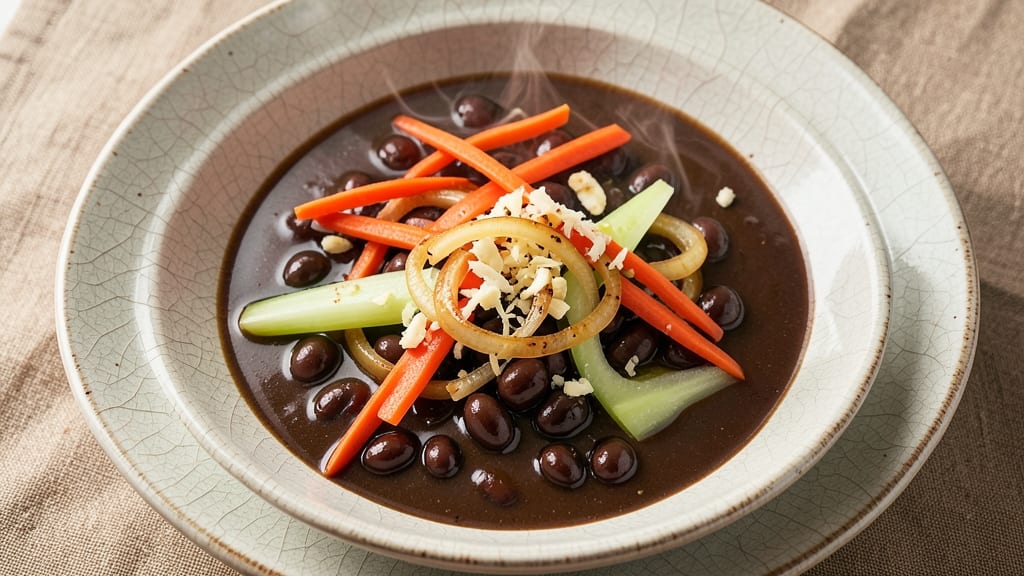
This black soybean soup recipe transforms humble ingredients into a velvety, umami-rich bowl that balances earthy depth with silky smoothness. The secret lies in proper soaking and slow simmering—techniques that develop the beans' natural nutty flavors without bitterness.
What starts as simple dried soybeans becomes a restaurant-quality broth when blended with aromatic vegetables and seasoned just right.
Unlike traditional miso-based soups, this version relies on black soybeans' unique texture and flavor profile, creating a dish that's both comforting and complex. The process requires patience—soaking overnight, simmering for hours—but the result is worth every minute.
Each spoonful delivers a harmonious blend of savory, slightly sweet, and umami-rich notes that linger long after the last bite.
Perfect for chilly evenings or as a nourishing lunch, this soup pairs beautifully with steamed rice or crusty bread to soak up every last drop. The silky texture comes from proper blending techniques, while the earthy depth develops through controlled simmering.
This isn't just another vegetable soup—it's a flavor experience that transforms ordinary meals into something special.
The beauty of this recipe lies in its versatility. Customize with tofu for extra protein, fresh herbs for brightness, or a drizzle of chili oil for heat. Whether you're serving a crowd or meal prepping for the week, the flavors only improve with time.
Let's create this soul-warming bowl that brings umami depth to your table.
Ingredients for black soybean soup
Transform simple dried beans and aromatic vegetables into a velvety umami masterpiece through precise soaking and slow simmering techniques.
| Ingredient | Amount | Notes |
|---|---|---|
| Black Soybeans (Dried) 🌱 | ½ lb | Soaked overnight, rinsed well |
| Yellow Onion 🧅 | 1 whole | Chopped into 1-inch pieces |
| Garlic Cloves 🧄 | 6 cloves | Peeled, lightly crushed |
| Carrots 🥕 | 2 medium | Peeled, cut into 1-inch chunks |
| Daikon Radish 🥬 | 1 lb | Peeled, cut into 1-inch cubes |
| Fresh Ginger 🌿 | 1 inch | Peeled, sliced thinly |
| Kombu Seaweed 🍃 | 1 sheet | Cut into 2-inch pieces |
| Sesame Oil 🫒 | 1 tbsp | Toasted for aroma |
| Soy Sauce 🍶 | 2 tbsp | Tamari for gluten-free |
| Rice Vinegar 🍶 | 1 tbsp | White vinegar substitute |
| Tofu (Firm) 🍫 | 8 oz | Cubed for protein boost |
| Green Onion 🧅 | 2 whole | Sliced for garnish |
| Sesame Seeds 🌾 | 1 tbsp | Toasted for crunch |
| Water 💧 | 8 cups | Filtered preferred |
| Salt 🧂 | 1 ½ tsp | Diamond Crystal preferred |
The black soybeans are the heart of this dish—look for whole dried beans at Asian markets or bulk bins for optimal texture. Costco or H Mart typically carry high-quality varieties. Soaking overnight reduces cooking time and prevents bitterness; discard the soaking water completely. The kombu seaweed adds depth without overpowering—use the first quality sheet you find, as lower grades can taste metallic. For the daikon radish, freshness is key; choose firm, unblemished pieces that smell clean and earthy. The ginger should be bright yellow inside—no green or mold spots.
No kombu? Dashi powder at half the amount works, though it lacks the same umami complexity. Substitute daikon with extra carrots or sweet potato, but expect a slightly sweeter profile. The tofu can be silken for creaminess or extra-firm for texture—press it first if using firm tofu. Short on sesame oil? Toast the seeds separately and use the oil from that. For the vinegar, apple cider vinegar adds subtle sweetness, while white vinegar keeps it sharp. The soy sauce should be low-sodium if you're watching intake, but traditional soy adds more depth. Fresh herbs like cilantro or Thai basil can replace green onion for garnish if preferred.
Store the soup in airtight containers for up to 5 days in the fridge, though flavors deepen overnight. Freeze for 3 months by portioning into ice cube trays with water—thaw directly in the pot. The tofu and vegetables can be prepped ahead and refrigerated separately for 2 days. For meal prep, double the batch and freeze half. Reheat gently on low heat, stirring occasionally to maintain silky texture—microwaving breaks down the beans. The broth improves with time, so don't rush the simmering process.
Why You'll Love This Recipe
- No-Soaking Needed: I’ll admit, I used to dread the soaking step with dried beans. But black soybeans here? Just rinse, simmer, and forget about it—no overnight prep, no fuss. Twenty minutes later, you’ve got a hearty base without the wait.
- Earthy Umami Bomb: That first spoonful of soup? Rich, deep, and almost meaty thanks to the black soybeans. The daikon adds a satisfying bite, while the carrot and onion caramelize into something sweet and savory—like a hug in a bowl.
- Lunchbox Hero: Between us, this soup is my go-to for meal prep. Stays warm for days, reheats perfectly, and those tender black soybeans hold their shape. Pack it in thermoses or jars—it’s the kind of thing that makes your coworkers jealous.
- Pantry Staple Magic: Honestly, I keep a bag of dried black soybeans on hand just for this. They’re cheaper than canned beans, last forever, and stretch into multiple meals. Plus, the leftovers? Even better the next day—if there are any.
Step-by-step instructions for black soybean soup
Mastering this soup requires patience and precision—each ingredient plays a role in creating its signature earthy depth and velvety texture.
Prepare the Black Soybeans for Maximum Texture
Begin by soaking the 0.5 lb black soybeans (dried) overnight in plenty of cold water—at least 8 cups—to ensure they soften completely. This overnight soak is crucial; it prevents the beans from becoming mushy while allowing them to develop their signature creamy yet firm bite. Drain and rinse them thoroughly before using to remove any residual starch that could cloud the broth.
In a large pot, combine the soaked black soybeans with the 8 cups water and bring to a boil over high heat. Once boiling, reduce to a gentle simmer and cook uncovered for 1.5 to 2 hours, stirring occasionally. You'll know they're ready when they're tender but still hold their shape—like al dente pasta. The beans should just begin to break down slightly at the edges, releasing their deep umami flavor into the broth.
Build the Umami Base with Kombu and Aromatics
While the beans simmer, prepare the kombu by cutting the 1 sheet Kombu Seaweed into 2-inch pieces. Add these to the pot along with the chopped 1 whole yellow onion, 2 medium carrots (peeled and cut into 1-inch chunks), 1 lb daikon radish (peeled and cubed), 6 cloves garlic cloves (peeled and lightly crushed), and 1 inch fresh ginger (peeled and sliced thinly). The kombu will infuse the broth with a subtle oceanic sweetness while the aromatics develop their foundational flavors.
Simmer this combination for another 30 to 40 minutes until the vegetables are fork-tender and the broth has deepened in color. The kombu should be removed at this stage—it's done its job and will become bitter if left too long. Strain the broth through a fine-mesh sieve, pressing gently on the solids to extract maximum flavor without introducing grit.
Season and Refine the Broth
Return the strained broth to the pot and add the 1 tbsp toasted sesame oil, 2 tbsp soy sauce, and 1 tbsp rice vinegar. These ingredients balance the soup's earthy notes with a touch of brightness and saltiness. Bring the broth back to a gentle simmer and season with the 1.5 tsp salt, adjusting to taste—this is where the soup's complexity truly comes together. The vinegar brightens the umami, while the sesame oil adds a nutty aroma that lingers on the palate.
For the final touch, add the cubed 8 oz firm tofu to the simmering broth and cook for 5 minutes to heat through and absorb the flavors. The tofu should remain firm but slightly warmed—it adds protein without overpowering the delicate bean broth.
Assemble and Serve with Garnishes
Ladle the finished soup into bowls, ensuring each serving includes a generous portion of the tofu cubes. Garnish with the sliced 2 whole green onions and sprinkle with 1 tbsp toasted sesame seeds for texture and visual appeal. The green onions add a fresh contrast to the deep, earthy flavors, while the sesame seeds provide a satisfying crunch that cuts through the soup's silky texture.
Serve immediately while hot, as the flavors continue to meld even after assembly. Each spoonful should deliver a harmonious balance of umami from the black soybeans, sweetness from the daikon and carrots, and a subtle brightness from the vinegar and sesame oil. The tofu adds a protein-rich element that makes this soup both nourishing and deeply satisfying.
Pro Tips For Making Black Soybean Soup
- SOAK BEANS OVERNIGHT: Black soybeans need serious hydration—toss them in cold water for at least 8 hours (or overnight) before cooking. I learned this the hard way when my first batch turned to mush because I rushed it to 4 hours; the skins stayed tough and the texture suffered.
- CHOP DAIKON THIN: Slice that daikon into ¼-inch thick half-moons—thicker pieces stay stubbornly undercooked while thinner ones soften just right. And yes, even if you’re impatient like me, resist the urge to make them too small or they’ll turn to sludge.
- SAUTÉ ONIONS LOW AND SLOW: Caramelizing the onions is where flavor hides, but don’t rush it—cook them on medium-low for 10-12 minutes until deep golden. After burning three batches, I finally figured out that high heat just burns them before they sweeten.
- ADD GARLIC LATE: Toss the garlic in with the onions, but pull it out 2 minutes before adding broth—this keeps it fragrant without burning. I was skeptical until I tried it; now I never add it all at once, and the soup tastes noticeably brighter.
Perfect pairings for black soybean soup
Rice Pairings
Steamed jasmine rice is my go-to pairing—its delicate floral notes complement the soup's earthy depth without competing. Cook 1 cup jasmine rice with 1.25 cups water for fluffy grains that soak up every drop of the velvety broth.
For extra indulgence, serve with short-grain sushi rice lightly seasoned with ½ tsp salt and a drizzle of sesame oil. 🍚
Bread Options
A crisp garlic naan adds warmth and texture, perfect for scooping up the rich broth. Warm 2 naan breads in a dry skillet for 1 minute per side, then brush with 1 tbsp melted butter and sprinkle with ½ tsp garlic powder.
For a lighter option, toast baguette slices until golden and rub with a garlic clove for freshness.
Protein Additions
Boost nutrition with crispy baked tofu—toss 8 oz extra-firm tofu in 1 tbsp cornstarch and bake at 400°F for 25 minutes. The extra crunch contrasts beautifully with the soup's silkiness.
For seafood lovers, add pan-seared shrimp cooked in 1 tsp sesame oil for 2 minutes per side—just enough to keep them tender.
Herb Garnishes
Fresh Thai basil or cilantro brightens the dish with citrusy notes. Chop ¼ cup basil and toss with 1 tsp lime juice before sprinkling on top. For a spicy kick, add ½ tsp chili crisp or a drizzle of sriracha mayo (mix 1 tbsp mayo with ½ tsp sriracha).
The heat cuts through the soup's richness beautifully. 🌿
Dipping Sauces
Create a quick sesame dipping sauce by whisking 2 tbsp tahini, 1 tbsp rice vinegar, and 1 tsp maple syrup. Thin with 1 tbsp water if needed.
For umami lovers, blend 1 tbsp miso paste with 1 tsp mirin and a pinch of salt. Both sauces elevate the soup's flavors while adding interactive fun to the meal.
Nutrition facts
Frequently asked questions
Why do black soybeans need overnight soaking?
Overnight soaking is essential to prevent bitterness and ensure even cooking. The beans absorb water gradually, which helps them develop a creamy yet firm texture rather than becoming mushy. This step also significantly reduces cooking time—skipping it can leave you with a watery, underdeveloped broth.
Can I substitute daikon radish with another vegetable?
Yes! Swap daikon for extra carrots or sweet potato (peeled and cubed), but expect a slightly sweeter flavor profile. For a closer match, use turnips or parsnips—they add earthy depth without overpowering. Just adjust cooking time as needed for denser vegetables.
How do I fix soup that tastes too bitter?
Add a splash of rice vinegar (1-2 tsp) or a pinch of sugar to balance bitterness. If the beans overcooked, strain out any mushy pieces and add a small piece of fresh ginger or kombu to refresh the broth. For prevention, never boil vigorously after adding kombu—simmer gently to avoid extracting bitter compounds.
Is this soup gluten-free?
Yes, this recipe is naturally gluten-free! Use tamari instead of regular soy sauce and ensure your tofu is certified gluten-free. Double-check kombu packaging—some brands process with wheat. For extra safety, verify all ingredients if you have celiac disease.
Can I make this soup ahead of time?
The flavors actually improve overnight. Store in an airtight container in the fridge for up to 5 days. For freezing, portion into ice cube trays with water, then transfer to a bag. Thaw in the fridge and reheat gently on low heat—never microwave to preserve texture. The broth gets richer with time!