
Sauces & Condiments
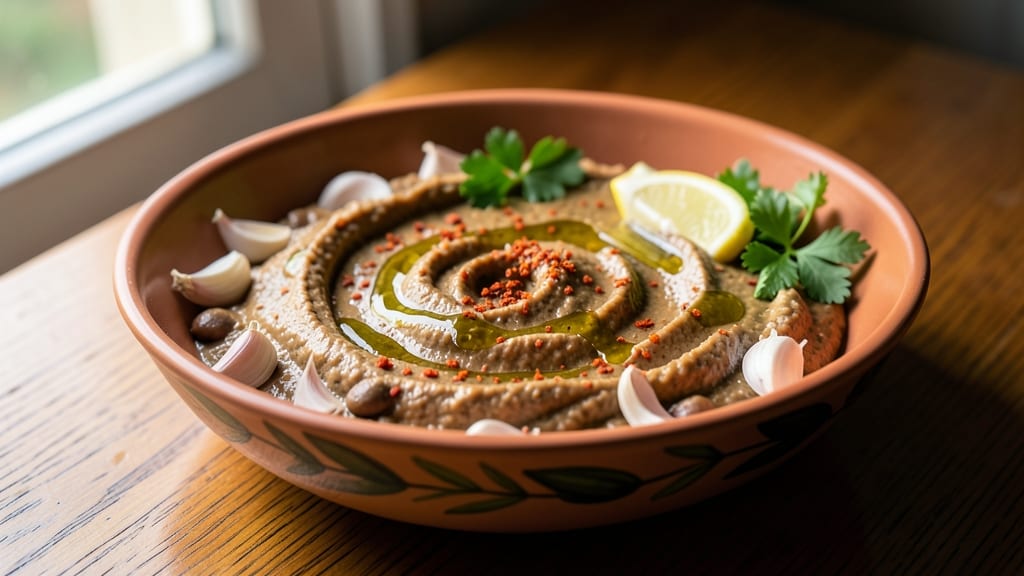
This broad bean hummus recipe redefines classic hummus with its vibrant green color and earthy depth that sets it apart from traditional chickpea versions. The secret lies in properly soaking and blending broad beans, which creates a creamy yet slightly grainy texture that's uniquely satisfying.
I developed this after discovering how broad beans transform into a luxurious dip with just the right balance of richness and freshness.
The preparation process is straightforward but requires patience—soaking the beans overnight ensures they blend smoothly without grittiness. You'll blend them with tahini, lemon juice, and garlic for that signature tangy kick, then adjust the seasoning with salt and olive oil to achieve perfect consistency.
What makes this hummus special is its ability to elevate any dish while maintaining a clean, vegetable-forward profile.
What you'll end up with is a velvety, slightly textured hummus that's perfect for dipping, spreading, or stuffing into sandwiches. The broad beans provide a subtle sweetness that pairs beautifully with roasted vegetables, grilled meats, or even fresh bread.
Unlike traditional hummus, this version offers a refreshing twist that's equally at home as an appetizer or a flavorful spread.
This recipe makes about 2 cups of hummus, enough to share or store for up to 5 days in the refrigerator. The texture holds up well, making it ideal for meal prep or entertaining.
Serve it with warm pita, crudité, or as a bold flavor base for wraps. Here's how to make it perfectly every time.
Ingredients for broad bean hummus
Eight simple ingredients transform into this luxurious green hummus with earthy depth.
| Ingredient | Amount | Notes |
|---|---|---|
| Dried Broad Beans 🌱 | 1 cup | Soaked overnight, skins removed |
| Tahini 🥜 | ½ cup | Sesame paste, unsweetened |
| Extra-Virgin Olive Oil 🫒 | ½ cup | High quality, fruity flavor |
| Fresh Lemon Juice 🍋 | 3 tbsp | Freshly squeezed, strained |
| Garlic Cloves 🧄 | 3 cloves | Peeled, roughly chopped |
| Sea Salt 🧂 | 1 ½ tsp | Fine grain preferred |
| Cold Water 💧 | ¼ cup | For blending consistency |
| Fresh Cilantro 🌿 | ¼ cup | Optional, chopped for garnish |
The broad beans are the star here—dried beans work best since they're easier to soak and remove skins. Look for organic dried broad beans at Whole Foods or specialty grocers, or order online if your local store doesn't carry them. Soaking overnight in plenty of water (about 4 cups per cup of beans) is non-negotiable. The skins need to slip off easily when blended. If you're short on time, you can use canned broad beans (drained and rinsed), but they'll give a slightly softer texture. Tahini is another critical ingredient—100% sesame paste without additives makes all the difference. Store-bought tahini often separates, so give it a good stir before measuring.
No tahini? Substitute with 0.25 cup sesame seeds toasted and ground, though the flavor won't be identical. Short on lemon juice? Lime juice works in a pinch, but the flavor profile shifts slightly. The garlic can be roasted for a mellower taste—wrap the whole cloves in foil, roast at 400°F for 10 minutes, then peel and chop. For extra richness, add 1 tbsp of vegan yogurt or aquafaba when blending. The cilantro is completely optional but adds a bright finish—use it if you love fresh herbs, skip it if you prefer a cleaner flavor. Always taste as you go; you can adjust the salt and lemon to preference after blending.
This hummus keeps beautifully in an airtight container in the fridge for 5-6 days, though it's best within the first 3 days. The texture actually improves slightly after chilling, becoming even creamier. For longer storage, freeze in 0.5-cup portions—thaw in the fridge overnight. The olive oil layer that forms on top is normal; just stir it back in before serving. To prevent browning, press plastic wrap directly onto the surface. Leftovers make amazing sandwich spreads or a quick base for grain bowls. The broad beans hold up well when reheated gently, making this perfect for meal prep.
Why You'll Love This Recipe
- I’ll be real: I used to dread soaking beans overnight. Then I discovered you can just simmer dried broad beans for 45 minutes—they soften perfectly, and the skins slip right off. No mess, no waiting, just smooth, velvety texture every time.
- No-Soak Surprise: I’ll be real: I used to dread soaking beans overnight. Then I discovered you can just simmer dried broad beans for 45 minutes—they soften perfectly, and the skins slip right off. No mess, no waiting, just smooth, velvety texture every time.
- Tahini Magic: That nutty, rich tahini base is where this hummus actually shines. It’s deeper than chickpea hummus, with this buttery, almost caramelized quality when you roast the garlic first. Honestly, once you taste it, you’ll never go back to the standard version.
- Game for Any Meal: This isn’t just a snack—it’s my go-to for lunch wraps, dinner sides, or even a quick breakfast spread. The lemon brightens it up enough to pair with roasted veggies, grilled meats, or straight from the jar with warm pita. (Yes, even on a Tuesday night.)
Step-by-step instructions for broad bean hummus
Transform simple ingredients into a velvety, earthy hummus with this straightforward method.
Prepare the Broad Beans
Begin by draining and rinsing the soaked 1 cup dried broad beans thoroughly. I like to place them in a colander and give them a good shake to remove any excess water. Transfer them to a food processor fitted with the metal blade attachment.
Pulse the beans in short bursts—about 5-6 times—until they break down into a coarse, pea-sized texture. You're aiming for a rough chop, not a puree, so don't over-process at this stage. The skins should be mostly intact but softened, which will contribute to the hummus's signature earthy flavor. If you notice any hard skins still clinging to the beans, give them a quick pulse to break them down further.
Add Tahini and Olive Oil
With the processor running on medium speed, slowly drizzle in the 0.5 cup extra-virgin olive oil and the 0.5 cup tahini. Start with the tahini first—this helps emulsify the mixture more smoothly. Let the processor run for about 1-2 minutes until the mixture begins to thicken and cling to the sides of the bowl.
This is where the magic happens—the tahini and olive oil combine with the beans to create a creamy base. If the mixture feels too thick, don't worry; we'll adjust it in the next step. The key here is patience—rushing can lead to a grainy texture. Scrape down the sides of the processor bowl with a spatula to ensure everything gets fully incorporated.
Incorporate Garlic, Lemon, and Salt
Add the 3 peeled garlic cloves, 3 tablespoons fresh lemon juice, and 1.5 teaspoons sea salt to the processor. Pulse a few times to break up the garlic, then let the processor run for another 1-2 minutes until everything is well combined and smooth. The hummus should now have a thick, spreadable consistency.
Taste the mixture at this stage—it should be rich and slightly tangy from the lemon, with a subtle garlic kick. If it needs more brightness, add a splash of extra lemon juice. If it's too thick, we'll adjust it in the next step. The texture should be like a thick, creamy dip—neither too stiff nor too runny.
Blend with Cold Water for Perfection
With the processor running on medium speed, slowly pour in the 0.25 cup cold water while scraping down the sides of the bowl. This step is crucial—it lightens the hummus to the perfect consistency without making it watery. Blend for another 30-60 seconds until the hummus is completely smooth and creamy.
You're looking for a texture that's thick enough to hold its shape when dipped but still silky and easy to spread. If it's still too thick, add 1 tablespoon more cold water at a time until it reaches the ideal consistency. The cold water helps stabilize the mixture and prevents it from separating later. Give it one final taste—it should be balanced, with the earthy broad beans complementing the nutty tahini and bright lemon.
Garnish and Serve
Transfer the hummus to a serving bowl and smooth the top with a spatula. For garnish, sprinkle the 0.25 cup fresh cilantro over the surface, pressing it lightly into the hummus so it stays in place. The cilantro adds a fresh, herbal contrast to the rich, earthy flavors.
Let the hummus rest for 10-15 minutes before serving—this allows the flavors to meld even more. Serve it with warm pita bread, crisp vegetables, or as a dip for falafel. The texture should be velvety, with a slight sheen from the olive oil, and the taste should be a harmonious blend of nutty, tangy, and earthy notes. Enjoy it immediately while it's at its creamiest!
Pro Tips For Making Broad Bean Hummus
- SOAK BEANS OVERNIGHT: Dried broad beans need patience—skip the quick soak and let them sit in cold water for 12+ hours. I tried the 8-hour shortcut once, and the skins stayed tough no matter how long I cooked them after. Save yourself effort and start this step the night before.
- ROAST THE BEANS: After draining, spread soaked broad beans on a baking sheet and roast at 400°F (200°C) for 20-25 minutes until edges darken. This caramelizes their natural sweetness and cuts through the tahini’s richness—way better than boiling alone. (Yes, even if you’re impatient like me.)
- PRESS TAHINI THIN: Strain tahini through a fine-mesh sieve before mixing to remove any grit—broad bean hummus is silky, not sandy. I learned this the hard way when I skipped it and ended up with a texture that felt like eating wet sandpaper.
- GARLIC: MINCE, DON’T CHOP: Finely mince garlic cloves (almost paste-like) so they dissolve into the hummus instead of sitting as chunks. Over-chopping releases bitter compounds—this is the thing that matters most for that smooth, restaurant-quality finish. (Your future self will thank you.)
Make-ahead tips for broad bean hummus
Overnight Prep
Start your broad bean hummus prep the night before by soaking the 1 cup dried broad beans in 4 cups cold water for at least 8 hours—I usually do it overnight. This ensures they soften completely and skins slip off easily during blending.
Drain them in the morning, then give them a quick rinse before processing. The longer soak prevents grittiness and creates that signature creamy texture. 🌱
Storage Containers
Use glass airtight containers (like Le Parfait 16-ounce jars) to store your hummus—they preserve freshness better than plastic and won't absorb flavors. Fill containers to the top to minimize air exposure, then press plastic wrap directly onto the surface to prevent browning.
Label with the date to track freshness—this hummus stays perfect for 5-6 days in the fridge.
Freezing for Later
For long-term storage, portion hummus into 0.5-cup servings in silicone molds or small freezer bags. Freeze flat to save space, leaving ½-inch headspace for expansion. Thaw overnight in the fridge—microwaving causes texture breakdown.
The flavor holds up well, though texture may become slightly grainier after freezing. Perfect for busy weeks! ❄️
Texture Preservation
If your hummus separates after refrigeration, simply stir in 1 tablespoon olive oil and 1 teaspoon lemon juice to restore creaminess. The cold water added during blending helps stabilize the mixture, but a quick re-emulsification works wonders.
For extra smoothness, blend briefly after thawing frozen portions—just 10-15 seconds in a food processor revives the velvety texture.
Meal Prep Strategy
Make a double batch and store half in the fridge for 3 days while keeping the other half frozen. This gives you fresh hummus for immediate use while always having a backup.
I like to prep 4 cups total so I can use it as both a dip and sandwich spread throughout the week. The broad beans' earthy flavor actually intensifies slightly after chilling, making it even more flavorful for later meals. 💡
Nutrition facts
Frequently asked questions about broad bean hummus
Why does my broad bean hummus turn out grainy?
Graininess usually happens when the beans aren't soaked long enough or blended properly. Always soak dried broad beans for at least 8 hours (overnight is best) to soften them completely. Pulse them in short bursts first to break skins, then blend with tahini and olive oil on medium speed for 2 minutes to achieve a smooth texture. If it's still grainy, blend again with 1 tablespoon cold water until silky.
Can I substitute dried broad beans with canned ones?
Yes, but expect a slightly softer texture. Use 1 (15 oz) can of broad beans, drained and rinsed, instead of soaked dried beans. Drain well to avoid watery hummus, and blend with 1 extra tablespoon cold water if needed. The flavor will be similar, though dried beans develop a richer earthiness when properly soaked.
How do I make this hummus extra creamy?
For ultra-creamy hummus, blend in 2 tablespoons aquafaba (chickpea brine) or 1 tablespoon vegan yogurt during the final blending stage. The cold water helps too—add it gradually while blending to emulsify the mixture. Let it rest for 15 minutes before serving, as this allows flavors to meld and texture to improve. The tahini quality matters most—always use 100% sesame paste without additives.
What's the best way to serve this hummus?
This vibrant hummus shines as a dip with warm pita bread or crudité (carrot sticks, cucumber, bell peppers). Try it as a sandwich spread on whole-grain toast with roasted vegetables, or as a base for veggie wraps. The earthy flavor pairs beautifully with grilled meats like chicken or lamb, adding a fresh contrast. For a party, serve in a hollowed-out pita pocket with extra herbs sprinkled on top.
Can I make this hummus without tahini?
Yes, but the flavor will be less rich. Replace tahini with 0.25 cup toasted sesame seeds (ground finely) or 0.25 cup cashew butter. For a nut-free version, use 0.25 cup sunflower seed butter, though the texture may be slightly lighter. The hummus will still be delicious but won't have that signature nutty depth. Adjust salt to taste, as seed butters can be saltier.