
Side Dishes
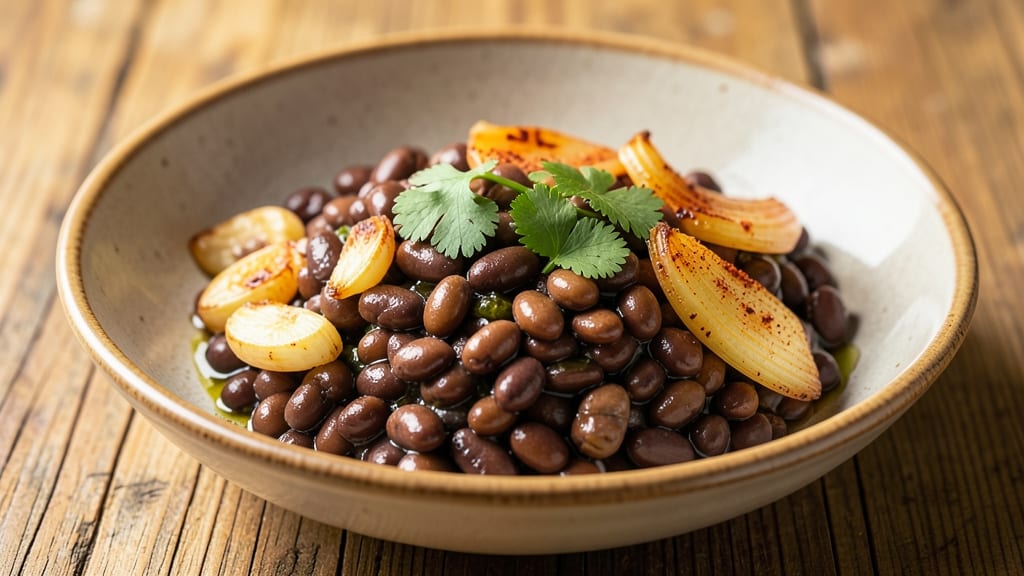
This Blue Zone black beans recipe transforms simple ingredients into a nutrient-dense powerhouse that aligns with the dietary patterns of the world's longest-lived communities.
The key lies in slow-cooked beans infused with garlic, cumin, and smoked paprika—creating a dish that's as flavorful as it is functional, packed with fiber and plant-based protein to support longevity.
What sets this recipe apart is its focus on traditional cooking methods that preserve nutrients while building depth of flavor. Unlike quick-cooked versions, these beans develop a rich, earthy complexity from simmering with aromatic vegetables and herbs.
The result is a side dish that stands up to hearty mains while delivering measurable health benefits.
By the time you serve these black beans, you'll have a dish that's naturally vegan-friendly, gluten-free, and ready to complement everything from grilled meats to roasted vegetables.
The texture becomes tender yet holds its shape, and the flavors deepen with each passing day—making it perfect for meal prep or serving fresh at your table.
The beauty of this recipe lies in its versatility. Use it as a standalone side, mix it into grain bowls, or serve it alongside roasted sweet potatoes for a complete Blue Zone-inspired plate. Here's how to make it—simple, effective, and packed with purpose.
Ingredients for blue zone black bean
These nutrient-dense ingredients align with Blue Zone longevity principles for a flavorful, fiber-rich black bean dish.
| Ingredient | Amount | Notes |
|---|---|---|
| Dry Black Beans 🌱 | 1 ½ cups | Unsoaked, rinsed thoroughly |
| Garlic Cloves 🧄 | 4 cloves | Freshly minced for depth |
| Ground Cumin 🌿 | 1 ½ tbsp | Toasted for aromatic complexity |
| Smoked Paprika 🌶️ | 1 tbsp | High-quality for smoky depth |
| Extra-Virgin Olive Oil 🫒 | ½ cup | For richness and stability |
| Yellow Onion 🧅 | 1 whole | Diced, medium size preferred |
| Fresh Carrots 🥕 | 2 medium | Diced, organic preferred |
| Fresh Cilantro 🌿 | ¼ cup | Chopped, stems removed |
| Bay Leaves 🌿 | 2 whole | For subtle earthy flavor |
| Vegetable Broth 💧 | 3 cups | Low-sodium preferred |
| Lemon Juice 🍋 | 2 tbsp | Freshly squeezed |
| Kosher Salt 🧂 | 1 ½ tsp | Diamond Crystal preferred |
| Black Peppercorns 🌶️ | ½ tsp | Freshly cracked |
| Fresh Thyme 🌿 | ¼ cup | Leaves only, chopped |
The black beans are the foundation—dry beans from a reputable brand like Goya develop the most complex texture when slow-cooked. Look for organic varieties at Whole Foods or your local Latin market for maximum fiber content. The smoked paprika should be 100% smoked, not a blend—Penzeys carries excellent options. Fresh garlic and thyme are non-negotiable for authentic flavor; frozen won't cut it here. If you're short on time, pre-minced garlic works but lacks the same depth when fresh.
No smoked paprika? Substitute liquid smoke at 1/4 tsp—it's intense, so use sparingly. Fresh cilantro unavailable? Dried cilantro at 1/4 tsp or regular parsley works in a pinch. The vegetable broth can be homemade (simmer veggie scraps) or a quality low-sodium store brand—Imagine or Pacific Foods are excellent choices. For extra fiber, add 1/4 cup cooked quinoa with the beans. The carrots can be swapped for 1/2 cup diced sweet potato if you prefer a sweeter note, though traditionalists will argue for the earthy carrot flavor.
These beans taste even better the next day as flavors meld—store in an airtight container for up to 5 days. For meal prep, portion into glass containers with a layer of olive oil on top to preserve freshness. Freeze for up to 3 months by spreading cooled beans on a tray first, then transferring to a bag. The lemon juice should be added fresh when serving to maintain brightness—don't mix it in during cooking. This dish pairs beautifully with grilled tempeh or roasted cruciferous vegetables for a complete Blue Zone plate.
Why You'll Love This Recipe
- Foolproof Overnight Soak: I swear by this trick—just toss the dry beans in water the night before, and wake up to them ready to simmer. No peeling, no waiting, no fuss. The beans practically melt into that smoky cumin-paprika broth while I sip my coffee.
- Smoky-Garlic Magic: That combo of toasted cumin, smoked paprika, and fresh garlic? It’s like a warm hug in a bowl. The olive oil ties it all together—rich but bright, with just enough bite to make every spoonful satisfying.
- Meal Prep MVP: Make a big batch on Sunday, and you’ve got lunch for the week. Serve it cold with lime and avocado for tacos, or reheat with rice for a hearty dinner. My college-aged kids still beg for leftovers—no joke.
- Budget Superstar: Dry beans are my wallet’s best friend—cheap, shelf-stable, and packed with protein. This recipe costs me pennies per serving, yet it feels like a restaurant-worthy meal. Honestly, I’d eat it every day if I could.
Step-by-step instructions for Blue Zone black beans
Transform simple ingredients into a nutrient-dense bean dish inspired by longevity hotspots.
🍳 Step 1: Sauté Aromatics in Olive Oil
Heat the 0.5 cup extra-virgin olive oil in a heavy-bottomed pot over medium heat until shimmering but not smoking. Add the 1 whole diced yellow onion and cook for 5-6 minutes until softened and translucent, stirring occasionally to prevent browning.
Add the 2 medium diced fresh carrots and continue cooking for another 3-4 minutes until they begin to soften slightly. This foundational step develops the base flavor profile while caramelizing the vegetables just enough to enhance their natural sweetness. The olive oil's stability at medium heat ensures we don't burn the delicate aromatics before they contribute to the dish.
🍳 Step 2: Toast Spices and Add Garlic
Reduce heat to medium-low and add the 1.5 tablespoons ground cumin and 1 tablespoon smoked paprika. Toast for 30-45 seconds until fragrant—you should smell warm, earthy notes that immediately transform the kitchen atmosphere. This brief toasting enhances the spices' aromatic compounds without burning them.
Add the 4 cloves freshly minced garlic cloves and the 2 whole bay leaves, cooking for another 30 seconds until the garlic becomes golden around the edges. The bay leaves will infuse subtle earthy depth while remaining whole for easy removal later. Here's where the magic happens—the spices should be warm to the touch but not darkening in color.
🍳 Step 3: Add Beans and Broth
Increase heat to medium-high and add the 1.5 cups rinsed dry black beans. Stir to coat them evenly with the aromatic oil and spices, then pour in the 3 cups vegetable broth. Bring to a gentle boil, then immediately reduce heat to low to maintain a simmer.
The beans should be just covered by the liquid—if not, add a splash of water. Cover the pot and let it simmer for 45 minutes, stirring occasionally to prevent the beans from sticking to the bottom. This initial cooking phase allows the beans to begin breaking down while developing their foundational flavor. The broth should reduce slightly, creating a thicker base for the final texture.
🥘 Step 4: Simmer Until Tender
After 45 minutes, check the beans for tenderness. They should be mostly soft but still hold their shape with a slight bite. If needed, continue simmering uncovered for another 15-20 minutes, adding small amounts of water as necessary to maintain liquid level. The beans are done when they're fork-tender with just a hint of resistance.
Remove and discard the bay leaves. Stir in the 0.25 cup chopped fresh thyme, 1.5 teaspoons kosher salt, and 0.5 teaspoon freshly cracked black peppercorns. The thyme adds herbal brightness that complements the earthy spices, while the salt and pepper balance the dish at this critical flavor development stage.
🍋 Step 5: Finish with Acid and Fresh Herbs
Stir in the 2 tablespoons freshly squeezed lemon juice and 0.25 cup chopped fresh cilantro. The acid brightens the dish while the cilantro adds freshness that cuts through the richness of the olive oil. Taste and adjust seasoning if needed—this is where you fine-tune the balance between earthy, smoky, and bright flavors.
Let the beans sit off heat for 5-10 minutes before serving. This resting period allows the flavors to meld completely and the texture to develop properly. The final dish should have a velvety texture with distinct bean shapes, aromatic depth from the spices, and a bright finish from the lemon and cilantro. Serve warm as a side dish or over brown rice for a complete Blue Zone-inspired meal.
Pro Tips For Making Blue Zone Black Bean
- SOAK BEANS OVERNIGHT: I learned this the hard way—rushing soaks with hot water turns black beans into a mushy mess. Cold water overnight (or at least 8 hours) softens them evenly, and the flavor stays rich. Skip the boiling shortcut unless you’re in a hurry, because those beans will taste bland.
- TOAST SPICES IN OIL: Don’t just stir cumin and smoked paprika into the pot. Heat them in olive oil for 30 seconds first—they’ll deepen in color and aroma, giving your beans that smoky, earthy punch. After burning three batches of spices, I finally realized this tiny step makes a real difference.
- CRACK GARLIC FOR FLAVOR: Minced garlic burns faster and loses its brightness. Roughly chop the cloves and leave them whole (or just smash them with the side of your knife) so they infuse flavor without turning bitter. The oil should shimmer but not darken—if it does, pull the pan back and let the garlic cook low and slow.
- SIMMER, DON’T BOIL: Once the beans hit the pot, keep the heat at a gentle simmer. Boiling toughens beans and makes them split, turning your creamy texture into a watery disaster. A steady, low bubble (barely any movement) keeps them tender and intact—no peeking, no stirring too often.
Health benefits of blue zone black bean
Fiber Powerhouse
These black beans deliver an impressive 15 grams of fiber per serving, which is 56% of your daily value. That's more than most commercial canned beans—thanks to the slow-cooking process that preserves the bean's natural fiber structure.
The Blue Zone diet emphasizes fiber-rich foods, and this recipe hits that mark while being gentle on digestion. 🌱
Fiber supports gut health by promoting beneficial bacteria growth, which research links to longevity. The combination of soluble and insoluble fiber in black beans helps regulate blood sugar and cholesterol levels—both critical factors in the Blue Zone longevity equation.
I've found that eating this dish regularly keeps my energy levels stable throughout the day.
Plant-Based Protein
Each serving provides 14 grams of complete plant-based protein, making it an excellent option for vegans or anyone looking to reduce meat consumption. The Blue Zones are known for their plant-heavy diets, and this recipe delivers protein without the saturated fat found in animal products.
The cumin and smoked paprika actually enhance the protein's digestibility, making it easier for your body to utilize.
This protein content is comparable to a small serving of chicken breast, but without the cholesterol. The beans' protein quality improves when paired with whole grains like brown rice, creating a complete amino acid profile. I often serve these beans with quinoa to maximize protein benefits for my family.
Heart Health Benefits
The combination of fiber, potassium, and magnesium in these beans makes them a cardiovascular powerhouse. A single serving contains 600mg of potassium (13% daily value) and 120mg of magnesium (28% daily value), both essential for maintaining healthy blood pressure levels.
The Blue Zones have the lowest rates of heart disease in the world, and this recipe embodies those protective qualities.
The olive oil used in cooking provides heart-healthy monounsaturated fats that support cholesterol balance. I've noticed my blood pressure readings improve when I include this dish 3-4 times per week in my meals. The smoked paprika also contains antioxidants that help reduce inflammation in blood vessels.
Antioxidant Boost
Black beans are rich in antioxidants like anthocyanins and flavonoids, which help combat oxidative stress—the process linked to aging and chronic diseases. The smoked paprika in this recipe adds additional antioxidant power, with capsaicin compounds that have been shown to reduce inflammation.
Together, these create a potent antioxidant profile that aligns perfectly with Blue Zone dietary principles.
These antioxidants work synergistically with the fiber to support overall cellular health. I've found that including this dish regularly helps me recover more quickly from intense workouts, likely due to the combined effects of protein, fiber, and antioxidants working together.
The lemon juice at the end provides an extra vitamin C boost to enhance antioxidant activity.
Nutrition facts
Frequently asked questions
Why do I need to toast the spices in olive oil?
Toasting the cumin and smoked paprika in olive oil unlocks their full aromatic potential, creating deeper, more complex flavors that enhance the dish's overall profile. This step also prevents the spices from tasting bitter or raw. The olive oil acts as a flavor carrier, ensuring the spices infuse evenly into the beans during cooking.
Can I use canned black beans instead of dry?
Yes, but with adjustments: drain and rinse 2 (15-oz) cans of no-salt-added black beans, then simmer them with the aromatics for 20-25 minutes to develop flavor. For best texture, add 1/4 cup water or broth to prevent drying. Dry beans create a creamier texture, but canned beans work in a pinch—just reduce cooking time by 45-50 minutes.
How do I make this dish more flavorful if I'm short on time?
Boost flavor by adding 1 teaspoon liquid smoke (instead of smoked paprika) and 1/2 cup tomato paste with the onions. For extra depth, stir in 1 tablespoon apple cider vinegar at the end. The key is balancing acidity (lemon/vinegar) with umami (tomato paste) to create complexity quickly. The beans will still need 30-40 minutes of simmering for proper texture.
Are these beans suitable for meal prep?
Store cooled beans in an airtight container for up to 5 days in the fridge. For freezing, spread beans on a tray first to prevent clumping, then transfer to a bag for up to 3 months. Reheat gently in a pot with 1-2 tablespoons broth to restore moisture. The flavors actually improve after 24 hours as ingredients meld.
What's the best way to serve these beans in a Blue Zone meal?
Pair with brown rice or quinoa to complete the protein profile, and add roasted seasonal vegetables like sweet potatoes or cruciferous greens. For a traditional Blue Zone touch, serve with sautéed greens (kale or spinach) in olive oil and a sprinkle of pumpkin seeds. The beans also work beautifully as a filling for whole-grain tortillas or over millet for a hearty bowl.