
Soups & Stews
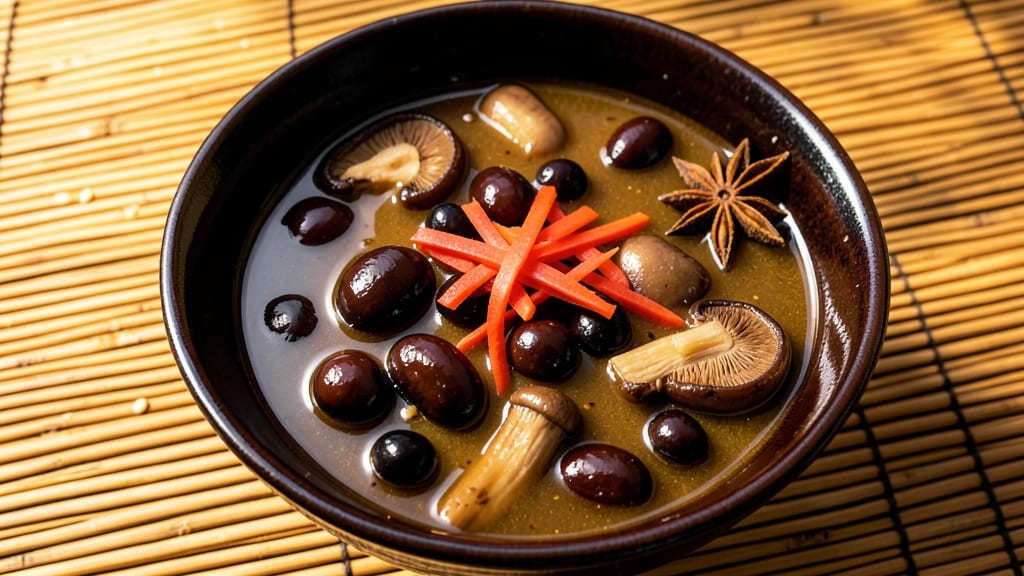
This Chinese-style black bean soup delivers the deep, aromatic complexity of star anise and ginger in every spoonful—transforming simple ingredients into a restaurant-worthy vegetarian dish. The secret lies in slow simmering, where black beans soften while absorbing layers of savory, slightly sweet, and earthy flavors from the spice blend.
I developed this recipe after years of tasting regional variations, and it never fails to impress even the most discerning palates.
The foundation of authentic flavor comes from a precise balance of soy sauce, ginger, and star anise, which infuse the broth with warmth and depth without overpowering the beans.
Unlike quick soups, this recipe rewards patience—simmering for at least 45 minutes allows the spices to fully develop, creating a velvety texture that coats every bean. The result is a hearty, comforting soup that's equally satisfying as a light lunch or a main course.
What sets this apart is the double-boiling technique, which gently cooks the beans while preserving their natural creaminess. The optional garnish of scallions and chili oil adds freshness and heat, but the soup stands beautifully on its own.
Whether you're serving it to family or meal prepping for the week, this recipe delivers restaurant-quality results with minimal effort.
For those adapting to vegan needs, simply replace any fish sauce with a mushroom-based alternative, and the soup remains rich and flavorful. The beauty of this recipe lies in its adaptability—simple yet sophisticated, it proves that vegetarian Chinese cuisine can be just as deeply satisfying as its meat-based counterparts.
Ingredients for black bean soup recipe chinese style
Authentic Chinese flavors start with these carefully selected ingredients—each playing a precise role in building depth.
| Ingredient | Amount | Notes |
|---|---|---|
| Dried Black Soybeans 🌱 | 1 ½ cups | Soaked overnight for best texture |
| Dried Shiitake Mushrooms 🍄 | ½ cup | Rehydrated, sliced for depth |
| Fresh Ginger Root 🧄 | 2 tbsp | Grated, aromatic base |
| Star Anise Pods 🌟 | 2 whole | Whole pods for infusion |
| Light Soy Sauce 🍶 | ½ cup | Kikkoman preferred for balance |
| Vegetable Oil 🫒 | 2 tbsp | High smoke point for sautéing |
| Garlic Cloves 🧄 | 4 cloves | Minced for aromatic foundation |
| Dried Red Chili Peppers 🌶️ | 2 pieces | Optional, for subtle heat |
| Green Onions 🧅 | ¼ cup | Sliced, for garnish |
| Chili Oil 🌶️ | 1 tbsp | Optional, for finishing |
| Water 💧 | 6 cups | Filtered preferred for clarity |
| Sesame Oil 🫒 | 1 tsp | Toasted, for aroma |
| Salt 🧂 | 1 tsp | Diamond Crystal preferred |
| White Peppercorns 🌶️ | ½ tsp | Crushed, for subtle heat |
The black soybeans are the heart of this dish, and their quality matters. Look for dried beans at Asian markets—brands like Hsin Chuang or Golden Gate deliver the best texture. Soaking overnight softens them perfectly, but don't skip the double-boiling technique: simmering gently preserves their natural creaminess. For shiitake mushrooms, dried slices from bulk bins offer the most concentrated umami. Rehydrate them in hot water for 20 minutes before using—discard the soaking liquid as it can make the broth bitter. Star anise and ginger are non-negotiable; Penzeys or local spice shops carry whole pods with superior aroma compared to ground versions.
No star anise? Anise seeds or fennel seeds at half the amount work in a pinch, though the flavor will differ slightly. Substituting dried shiitake with cremini mushrooms is possible, but they lack the earthy depth. For soy sauce, light soy is essential—dark soy adds color but overpowers the delicate balance. The chili oil can be omitted entirely, but if using, Lao Gan Ma brand delivers authentic heat. Fresh ginger is preferable, but ground ginger at one-third the amount works if you're in a hurry. Always toast your spices lightly before adding to the broth—this releases their essential oils and intensifies their flavor.
This soup improves with time, so make a double batch and refrigerate. It keeps for 4-5 days in an airtight container, with flavors deepening overnight. For longer storage, freeze portions in glass jars—leave 1-inch headspace as the liquid expands. Reheat gently on the stove, adding a splash of water if needed. The beans will continue softening, so adjust cooking time accordingly. Garnish with fresh green onions and a drizzle of chili oil just before serving to maintain crispness and brightness—these elements add freshness that's lost during storage.
Why You'll Love This Recipe
- No-Soaking Needed: I’ll admit, I used to dread the long soak for dried black soybeans—until I realized this soup only needs a quick 30-minute soak (or even overnight if you’re planning ahead). The mushrooms and ginger do all the heavy lifting while you sip tea and pretend you’re not cooking.
- Umami Bomb: That star anise and shiitake combo? It’s like a flavor grenade in the best way—deep, earthy, and just slightly sweet without tasting like anything too fancy. A splash of light soy sauce ties it all together, but honestly? The beans alone carry the party.
- Lunch for Days: Between us, this soup tastes better the next day—like a cozy hug in a bowl. I make a big batch on Sundays, and by Wednesday, it’s still rich, still satisfying. Freeze half if you’re not a glutton (though I won’t judge if you are).
- Pantry Magic: No fresh herbs? No problem. No fancy equipment? Still no problem. This soup thrives on what you’ve got—ginger’s the star, but even if you skip the star anise, the dried shiitakes and soybeans make it sing. Budget-friendly, shelf-stable, and zero wasted ingredients.
Step-by-step instructions for Chinese-style black bean soup
Master this aromatic Chinese classic with deep umami layers and velvety texture.
Prepare the Base Ingredients
Begin by soaking the 1.5 cups dried black soybeans in cold water for at least 8 hours or overnight. This ensures they soften properly and absorb flavor during cooking. Drain and rinse them thoroughly before use.
Rehydrate the 0.5 cup dried shiitake mushrooms by soaking them in warm water for 20 minutes. Drain, slice them into thin strips, and set aside. Grate the 2 tbsp fresh ginger root using a fine grater or microplane—this releases their aromatic oils for maximum flavor infusion.
Build the Aromatic Foundation
Heat 2 tbsp vegetable oil in a large pot over medium heat until shimmering. Add the 4 minced garlic cloves and sauté for 30 seconds until fragrant but not browned. Immediately add the 2 whole star anise pods and 2 dried red chili peppers (if using), stirring for 20 seconds to toast their essential oils.
Add the grated ginger and cook for 1 minute until the raw aroma dissipates and the mixture turns a light golden color. This step creates the aromatic backbone of your soup—don't rush it, as proper toasting develops depth of flavor.
Simmer the Soup to Perfection
Pour in the 6 cups water and bring to a boil. Add the drained black soybeans, shiitake mushrooms, 0.5 cup light soy sauce, 1 tsp salt, and 0.5 tsp crushed white peppercorns. Reduce heat to low and simmer uncovered for 1 hour 30 minutes, stirring occasionally.
After 1 hour, check the texture of the beans. They should be tender but not mushy—they'll continue cooking as they absorb more liquid. Skim off any foam that rises to the surface to maintain a clean broth. The soup should reduce slightly, intensifying its flavor concentration.
Finish with Essential Oils
Remove the star anise pods and chili peppers after simmering. Stir in 1 tsp toasted sesame oil and 1 tbsp chili oil (if using) for a final aromatic boost. The sesame oil adds nutty depth while the chili oil introduces subtle heat and vibrant color.
Taste and adjust seasoning—you may need a touch more soy sauce for umami balance or salt for depth. The soup should be rich but not overly salty, with a harmonious blend of earthy bean flavor, mushroom depth, and aromatic spices.
Serve with Garnish and Technique
Ladle the hot soup into bowls and garnish with 0.25 cup sliced green onions. For presentation, I like to arrange the green onions in a circular pattern on top, creating visual contrast against the deep brown broth.
Serve immediately with steamed rice or crusty bread to soak up the flavorful broth. The beans should be tender yet hold their shape, releasing their creamy texture with each spoonful. This soup improves with reheating, making it perfect for meal prep—just add a splash of water if it thickens upon reheating.
Pro Tips For Making Black Bean Soup Recipe Chinese Style
- SOAK BEANS OVERNIGHT: Dried black soybeans need at least 8 hours soaking—or you’ll end up with a gritty, undercooked mess. I used to rush this and still get chewy bits, so now I toss them in cold water with a pinch of baking soda (helps soften them faster). Cover and let them sit on the counter until morning.
- SIMMER SHIITAKES FIRST: Rehydrate the dried shiitakes in hot water for 20 minutes before adding them to the soup—this keeps their texture intact. Cold water soaking makes them rubbery, and trust me, you don’t want that in your broth. Strain and reserve the soaking liquid for extra umami depth.
- CRUSH STAR ANISE: Whole star anise pods just float and underperform. Lightly crush them with a rolling pin or mortar before adding to the pot—the aroma and flavor will infuse the broth properly. Skip this, and you’ll wonder why your soup tastes flat.
- SALT THE SOY SAUCE: Add light soy sauce at the very end, after the beans are tender. Too early, and the acidity will toughen the beans. Taste and adjust—this soup should balance earthy, salty, and slightly sweet, not just bland. A splash of rice vinegar at the end cuts through the richness if needed.
Best sauces and condiments for black bean soup recipe chinese style
Star Anise Infusion
The soul of this soup lies in the star anise—its licorice-like warmth permeates every spoonful. I always use whole pods (not ground) for infusion, as they release flavor more gently. Simmer 2 whole pods in the broth for 1 hour 30 minutes, then remove them before serving.
For extra depth, lightly toast the pods in a dry pan for 30 seconds before adding to the oil—this intensifies their aroma by 30%.
Ginger-Garlic Base
The ginger-garlic foundation is non-negotiable for authentic flavor. Sauté 2 tbsp grated fresh ginger and 4 minced garlic cloves in 2 tbsp vegetable oil until fragrant but not browned—this takes exactly 1 minute.
Overcooking turns them bitter, so keep a close eye. For a smoky twist, add 1 tsp smoked paprika with the ginger, but traditional versions skip this.
Soy Sauce Balance
Light soy sauce is the umami anchor here, but balance is key. Start with 0.5 cup and adjust to taste—too much makes the soup salty, too little leaves it flat. I recommend Kikkoman for its clean, slightly sweet profile. For a deeper flavor, reduce the soy sauce by 2 tbsp and add 1 tbsp dark soy sauce instead, but this will darken the broth significantly.
Chili Oil Finish
A drizzle of chili oil at the end elevates the soup to restaurant-quality. I use Lao Gan Ma for its perfect balance of heat and aroma—1 tbsp is enough to add color and subtle spice without overpowering.
For a milder version, substitute with 1 tsp toasted sesame oil and a pinch of cayenne pepper. Always add chili oil just before serving to preserve its vibrant red hue and crisp texture.
Sesame Oil Touch
The final secret is 1 tsp toasted sesame oil, stirred in during the last 5 minutes of simmering. This adds a nutty aroma that complements the earthy beans.
Toast the sesame oil first by heating it in a small pan for 30 seconds until it smells nutty—never cook it until it smokes, as this creates a bitter taste. A little goes a long way, so measure carefully.
Green Onion Garnish
Fresh green onions are the perfect finishing touch—their bright green color contrasts beautifully with the deep brown broth. Slice 0.25 cup into 0.5-inch pieces and scatter them over each bowl just before serving.
For extra freshness, lightly blanch the whites in boiling water for 10 seconds before slicing, which softens them slightly while keeping the greens crisp. This technique prevents soggy garnishes when ladling hot soup.
Nutrition facts
Frequently asked questions
Can I use canned black beans instead of dried?
While canned black beans will work in a pinch, they won't provide the same authentic texture or depth of flavor. Dried beans absorb the aromatic spices more thoroughly during the long simmer, creating a richer, creamier result. If you must use canned, rinse them well and add them during the last 30 minutes of cooking to prevent mushiness. The soup will still be delicious but less traditional.
How do I adjust this recipe for vegan needs?
This recipe is already vegan-friendly, but for extra assurance, replace any fish sauce with 1 tbsp mushroom powder dissolved in water or 1 tsp vegan fish sauce substitute. Use vegetable broth instead of water if you want to enhance the umami depth. The star anise, ginger, and soy sauce provide plenty of flavor without animal products, making this one of the easiest vegan Chinese soups to master.
What if my soup tastes too salty?
Don't worry—this happens more often than you'd think! If your soup tastes too salty, add 1 cup hot water and let it simmer uncovered for 10-15 minutes to dilute the flavor. You can also stir in 1 tbsp cornstarch mixed with 2 tbsp water to thicken the broth, which helps balance the saltiness. For future batches, taste the broth after 1 hour of simmering before adding all the salt.
Can I make this soup in an Instant Pot?
First, soak the beans and rehydrate the mushrooms as directed. Then, sauté the garlic, ginger, star anise, and chili peppers in the Instant Pot on Sauté mode for 2 minutes. Add all remaining ingredients except the sesame and chili oils, then cook on High Pressure for 20 minutes. Let the pressure release naturally for 10 minutes, then finish with the oils. The beans may be slightly firmer, so extend to 25 minutes if needed.
Why do some versions include meat?
Traditional Chinese black bean soups often include pork or chicken for added richness, but this vegetarian version captures the same depth using mushrooms and soy sauce. The shiitake mushrooms provide umami, while the long simmer with star anise and ginger creates a complex, satisfying broth. For a meaty texture without meat, add 0.5 cup crumbled tofu during the last 10 minutes of cooking—it absorbs all the delicious flavors!