
Soups & Stews
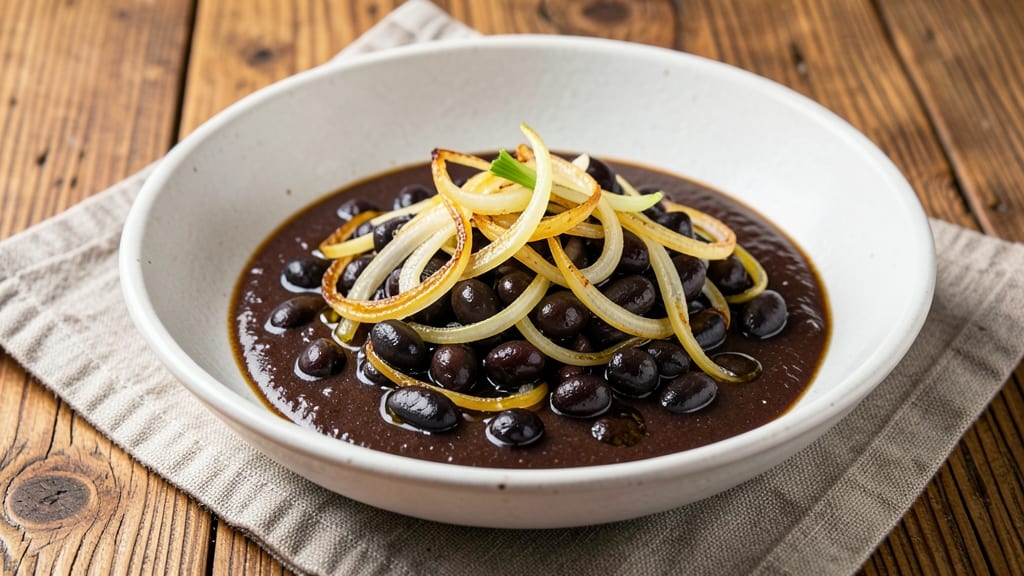
This black bean and miso soup delivers restaurant-quality umami depth with every spoonful—rich, hearty, and packed with crispy onion topping that adds irresistible texture. The marriage of fermented miso and earthy black beans creates a broth so flavorful, it transforms simple ingredients into a satisfying meal.
I developed this recipe after years of experimenting with vegan umami bombs, and it never fails to impress even the most skeptical eaters.
The secret lies in balancing the deep, savory notes of miso with the natural sweetness of black beans, while the crispy onion topping provides a satisfying crunch that elevates every bite.
Unlike many vegan soups that rely on heavy cream or coconut milk, this version thrives on the natural richness of its ingredients—no shortcuts needed. The miso paste ferments over time, intensifying its umami punch, while the black beans provide plant-based protein and a satisfying heartiness.
What you’ll end up with is a soup that’s crispy at the edges, velvety in the broth, and perfectly balanced in flavor—savory, slightly sweet, and deeply satisfying. The crispy onions add a textural contrast that makes this dish feel special, even when made at home.
It’s the kind of recipe that works as a light lunch or a cozy dinner, especially when paired with steamed rice or crusty bread.
Best of all, this soup adapts effortlessly to your schedule—make it in 30 minutes for a quick weeknight meal or let the flavors develop overnight for even deeper complexity. The crispy onion topping can be prepped ahead, so you’re never stuck without a finishing touch. Let’s get cooking!
Ingredients for black bean miso
Rich umami meets crispy texture—just 14 ingredients for a restaurant-worthy vegan bowl.
| Ingredient | Amount | Notes |
|---|---|---|
| Black Beans 🫘 | 1 ½ cups | Cooked, drained, or canned no-salt-added |
| White Miso Paste 🧈 | 3 tbsp | Fermented, high-quality preferred |
| Yellow Onions 🧅 | 1 ½ cups | Thinly sliced, half for broth, half for crispy topping |
| Vegetable Broth 💧 | 4 cups | Low-sodium, homemade or quality store-bought |
| Fresh Ginger 🌿 | 1 tbsp | Minced, freshly grated |
| Garlic Cloves 🧄 | 4 cloves | Minced, fresh preferred |
| Sesame Oil 🫒 | 1 tbsp | Toasted, for finishing |
| Rice Vinegar 🍶 | 1 tbsp | White or apple cider vinegar |
| Maple Syrup 🍯 | 1 tbsp | Pure, for subtle sweetness |
| Sesame Seeds 🌾 | 1 tbsp | Toasted, for garnish |
| Olive Oil 🫒 | 2 tbsp | Extra-virgin, for crispy onions |
| Sea Salt 🧂 | 1 tsp | Adjust to taste, fine grain preferred |
| Black Pepper 🌶️ | ½ tsp | Freshly ground for best flavor |
| Steamed White Rice 🍚 | 1 ½ cups | Cooked, for serving |
The miso paste is non-negotiable here. White miso from Hessian or Marukome delivers that deep, fermented umami without overpowering. Grab it from the refrigerated section at Whole Foods or Trader Joe's—it’s worth the slightly higher price. For the onions, look for yellow or red varieties—they hold their shape better when frying. Fresh ginger and garlic? Buy them whole and grate/mince just before using. The black beans should be no-salt-added to control the flavor balance—rinsed canned beans work perfectly if you’re short on time.
No miso paste? White soy sauce plus a pinch of sugar is a decent stand-in, though it won’t have the same depth. Short on sesame oil? Toasted peanut oil adds a similar nutty note. The crispy onions are key—use a mix of yellow and red onions for color contrast. If you’re prepping ahead, fry the onions and store them separately, then reheat in a 350°F oven for 5 minutes before serving. The maple syrup is just a touch of sweetness to balance the savory miso; agave nectar works too. For extra protein, add 1 cup cooked quinoa to the broth.
This soup tastes even better the next day—flavors meld overnight. Store the broth and beans in one container, crispy onions separately. Reheat gently on the stove, adding a splash of water if too thick. The crispy onions? Freeze for up to 3 months in a sealed bag—just reheat in the oven when ready. For meal prep, double the crispy onions and keep them in the freezer. Serve with steamed rice or toasted sourdough to soak up every last drop of that umami-rich broth.
Why You'll Love This Recipe
- Five-Ingredient Magic: I swear by this one—just beans, miso, onions, broth, and ginger. That’s it. No chopping mountains of veggies or hunting for obscure spices. The miso does all the heavy lifting, turning simple ingredients into something rich and satisfying with almost no effort.
- Umami Bomb: Honestly, the flavor combo is next-level. The white miso paste brings this deep, savory punch that makes the black beans taste like they’ve been simmering for hours, even if you’re done in 20 minutes. The ginger adds a bright snap that cuts through the richness—perfect balance.
- Meal Prep MVP: This keeps so well in the fridge, and honestly, it tastes even better the next day. I make a big batch on Sundays, and it’s my go-to for quick lunches or a hearty side. Freeze half if you want—just reheat and serve. No fuss, no waste.
- Budget-Friendly Powerhouse: Black beans and miso are cheap staples that deliver serious flavor. A jar of miso lasts forever, and onions/ginger are always affordable. This dish feeds four for under $8, and you’ll never guess it’s this economical—tastes like a fancy restaurant dish without the price tag.
Step-by-step instructions for black bean and miso soup
This method delivers rich umami depth and that coveted crispy onion topping every time.
Prepare the Crispy Onion Topping
Divide the 1.5 cups yellow onions in half, reserving ¾ cup for the broth. Thinly slice the remaining ¾ cup into even strips about ¼-inch wide. Heat 2 tablespoons olive oil in a small skillet over medium-high heat until shimmering. Add the onion slices in a single layer and cook undisturbed for 8-10 minutes, stirring occasionally, until deeply golden brown and crisp. Transfer to a paper towel-lined plate to drain excess oil. Keep warm while you prepare the soup base.
Here's the thing—patience is key for perfect crispiness. If you rush this step, the onions will steam instead of crisp. You'll know they're ready when they're golden brown with just a few darker spots forming. These crispy onions will add a delightful textural contrast to the silky soup.
Build the Umami-Rich Broth Base
In a large pot, combine the reserved ¾ cup yellow onions, 4 cloves garlic cloves (minced), 1 tablespoon fresh ginger (minced), and 4 cups vegetable broth. Bring to a gentle boil over medium-high heat, then reduce to a simmer and cook for 10 minutes to allow the aromatics to infuse the broth. Add the 1.5 cups black beans and simmer for another 5 minutes to warm through.
While simmering, you'll notice the broth develop a rich, golden hue from the caramelizing onions and garlic. This is where the flavor foundation forms. Don't walk away—stir occasionally to prevent the bottom from sticking, which would burn and create bitter flavors.
Incorporate the Miso and Seasonings
Reduce heat to low and whisk in the 3 tablespoons white miso paste until completely dissolved. The miso will create a thick paste initially, but it will smooth out as it warms. Add 1 tablespoon maple syrup and 1 tablespoon rice vinegar, stirring well to combine. Season with 1 teaspoon sea salt and ½ teaspoon black pepper, adjusting to taste. Simmer gently for 5 minutes to meld all the flavors together.
The miso paste is what transforms this from a simple bean soup to something extraordinary. You'll see the broth turn a deeper, more complex color as the miso integrates. This is where the umami depth develops—don't rush this step. The subtle sweetness from the maple syrup and tang from the rice vinegar balance the rich miso perfectly.
Finish with Sesame Oil and Garnish
Remove the pot from heat and stir in 1 tablespoon sesame oil and 1 tablespoon sesame seeds. The sesame oil adds a nutty aroma that complements the miso beautifully. Ladle the hot soup over 1.5 cups steamed white rice in serving bowls, then top each portion with the crispy onions you prepared earlier. Garnish with an additional sprinkle of sesame seeds if desired.
This final step is where all the elements come together. The contrast of crispy onions against the silky soup and steamed rice creates a textural experience that's truly satisfying. Serve immediately while the onions are still crisp and the soup is piping hot—this dish doesn't wait well.
Pro Tips For Making Black Bean Miso
- Sauté Onions Low and Slow: White onions burn faster than you’d think, and charred miso soup is a crime. Cook them over medium-low heat until soft and translucent—about 8-10 minutes—before adding anything else. This builds flavor without turning your broth into a smoky disaster.
- Bloom the Miso First: Skip tossing miso in raw—it’ll just dissolve into nothingness. Heat your broth until steaming (not boiling), then whisk in the miso paste and let it sit for 2-3 minutes. This lets the umami develop properly, not just melt away.
- Soak Beans Overnight (Or Use Canned): Dried black beans need 8+ hours soaking to soften enough for this dish. Lazy? Use high-quality canned beans, but drain and rinse them well—otherwise, your soup gets a weirdly metallic aftertaste.
- Grate Ginger Fine, Then Toast It: Fresh ginger loses its bite when raw in miso soup. Grate it finely (like matchsticks), then dry-toast in a pan for 30 seconds until fragrant. This balances the saltiness and adds depth without overpowering.
Perfect pairings for this recipe
Crispy Topping Upgrades
Swap the classic yellow onions for red or purple onions in your crispy topping—they caramelize faster and add vibrant color. For extra crunch, try green onions (white and green parts separated): fry the whites until crispy and garnish with fresh green tops.
I love adding 1 tbsp crushed dried shiitake mushrooms to the oil before frying for an earthy depth. 🌟
Broth Enhancements
Boost the umami with 1 tbsp soy sauce or 1 tsp fish sauce (for non-vegan versions) when incorporating the miso. For a smoky twist, add ½ tsp smoked paprika to the broth base.
I also like stirring in 1 cup cooked mushrooms (shiitake or cremini) with the black beans for extra heartiness. Note: Adjust salt levels carefully when adding these extras.
Rice Pairing Options
While steamed white rice is classic, try jasmine rice for a fragrant alternative or forbidden black rice for an antioxidant-rich upgrade. For a heartier bowl, serve over brown rice or quinoa—both add nutty flavor and extra protein.
I often make a batch of garlic fried rice to use as a base for leftovers. 🍚
Drink Pairings
A crisp Japanese junmai sake (like Dassai) complements the miso perfectly—its clean finish balances the richness. For beer lovers, try a light lager (like Sapporo) or a wheat beer (like Blue Moon) to cut through the umami.
Sparkling green tea (like Hojicha) adds a refreshing contrast. 🍶
Garnish Variations
Add thinly sliced scallions and a drizzle of chili oil for heat lovers. For freshness, top with cilantro or Thai basil and a squeeze of lime. I also like sprinkling toasted coconut flakes for a tropical twist. Save the crispy onions separately and let diners customize their bowls. ✨
Make-Ahead Additions
Prep pickled ginger (thinly sliced ginger + rice vinegar + sugar) to serve alongside—it cleanses the palate beautifully. Make extra sesame-ginger dressing (mix 1 tbsp tahini + 1 tsp grated ginger + 1 tsp rice vinegar + 1 tsp maple syrup) for dipping crispy onions.
Store both in airtight containers for up to 5 days**. 💡
Nutrition facts
Frequently asked questions
Can I use red miso instead of white miso in this recipe?
Red miso will work but will give your soup a deeper, slightly sweeter flavor with more color intensity. Use the same amount (3 tablespoons), but be aware it may overpower the delicate balance of black beans. For a milder red miso effect, reduce to 2 tablespoons and add ½ teaspoon extra maple syrup to compensate.
How do I make this recipe without black beans?
Swap the black beans for 1.5 cups cooked chickpeas or 1 cup cooked lentils for a similar hearty texture. For extra umami, add ½ cup finely chopped mushrooms (shiitake or cremini) to the broth. The chickpeas will absorb the miso flavors beautifully, though they have a slightly different mouthfeel.
Why did my crispy onions turn out soggy?
Soggy onions usually mean the heat wasn't high enough or you stirred too early. For perfect crispiness, maintain medium-high heat and cook undisturbed for 8-10 minutes. Use a single layer of onions so they brown evenly, and avoid overcrowding the pan. If they start to steam, spread them out more and increase heat slightly.
Can I make this soup ahead of time?
The soup tastes even better the next day as flavors meld. Store the broth and beans separately from the crispy onions (which are best reheated fresh). Reheat gently on the stove, adding a splash of water if needed. Keep the crispy onions in an airtight container and reheat at 350°F for 5 minutes before serving.
What's the best way to store leftover crispy onions?
Store them in an airtight container at room temperature for 2-3 days, or freeze for up to 3 months. To reheat, spread them on a baking sheet and warm at 350°F for 5 minutes until crisp again. For extra crunch, add a pinch of salt and a drizzle of olive oil before reheating.