
Soups & Stews
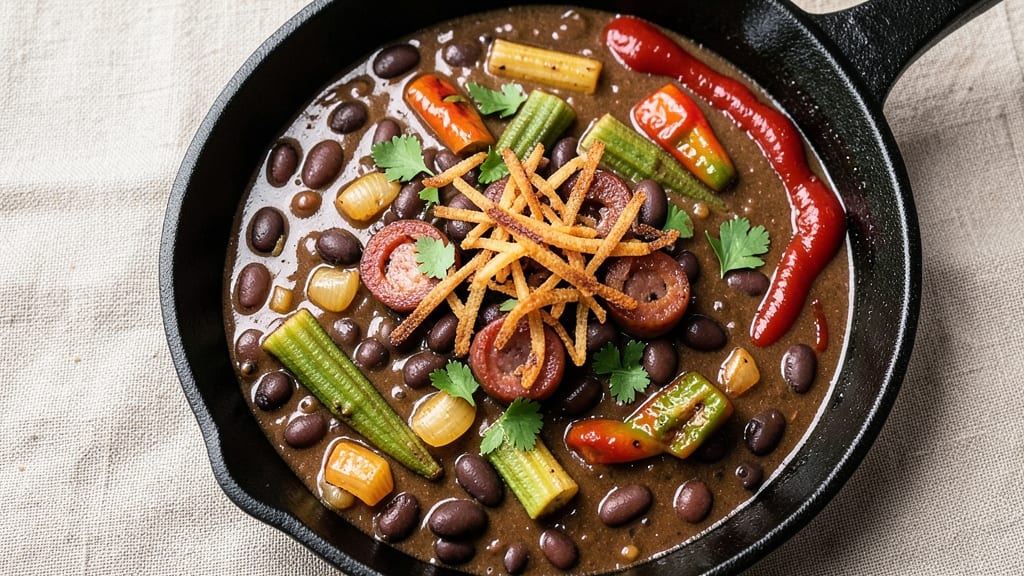
This black bean gumbo recipe transforms a classic Louisiana staple into a hearty vegetarian masterpiece with a smoky roux foundation that carries deep, rich flavor. The secret lies in slow-cooked black beans and a dark roux that develops nutty, almost chocolatey notes—essential for authentic gumbo texture.
What makes this version special is how it balances tradition with plant-based protein, delivering the same soulful depth without meat.
The roux is where the magic happens—cooking fat and flour until it reaches a deep mahogany color creates the base for a sauce that's both velvety and complex. Black beans absorb the roux's richness while holding their shape, creating a gumbo that's satisfyingly hearty.
This recipe builds flavor gradually, with aromatics like celery, onions, and bell peppers forming the aromatic trifecta that defines gumbo.
By the time you're serving, you'll have a steaming pot of gumbo with tender black beans, perfectly seasoned vegetables, and a sauce that coats every spoonful. The smoky depth from the roux pairs beautifully with the earthy beans, creating a dish that feels both comforting and sophisticated.
Serve with crusty bread to soak up every last drop of that flavorful broth.
Perfect for chilly evenings or as a centerpiece for gatherings, this gumbo proves vegetarian meals can be just as rich and complex as their meat-based counterparts. The technique is straightforward but requires patience—worth every minute for a dish that tastes like a taste of Louisiana in every bowl.
Ingredients for black bean gumbo
The foundation of this vegetable gumbo lies in its dark roux and slow-cooked black beans.
| Ingredient | Amount | Notes |
|---|---|---|
| Vegetable Oil 🫒 | ½ cup | High smoke point for roux |
| All-Purpose Flour 🌾 | 1 ½ cups | White or whole wheat |
| Dried Black Beans 🌱 | 2 cups | Soaked overnight preferred |
| Yellow Onion 🧅 | 1 whole | Diced, medium size |
| Green Bell Pepper 🍅 | 1 whole | Diced, any color |
| Celery Stalks 🥬 | 3 whole | Diced, stringy parts trimmed |
| Garlic Cloves 🧄 | 4 cloves | Minced, fresh preferred |
| Vegetable Broth 💧 | 4 cups | Low-sodium preferred |
| Tomato Paste 🍅 | 2 tbsp | Smooth, not chunky |
| Smoked Paprika 🌶️ | 1 tbsp | For authentic smoky flavor |
| Thyme Leaves 🌿 | 1 tbsp | Fresh, stems removed |
| Bay Leaves 🍃 | 2 whole | Remove before serving |
| Cayenne Pepper 🔥 | ½ tsp | Adjust for heat preference |
| Salt 🧂 | 1 ½ tsp | Diamond Crystal preferred |
| Black Pepper 🌶️ | ½ tsp | Freshly ground |
The roux is the heart of this gumbo—where vegetable oil and all-purpose flour transform into a deep mahogany paste. For the best roux, use a high-quality vegetable oil like Avocado oil or light olive oil, which handle the heat without burning. King Arthur Flour or Bob's Red Mill are excellent choices for flour, as their fine grind creates a smoother roux. The key is patience: stir constantly over medium-low heat until it reaches that rich, chocolatey hue—about 30-45 minutes. If you're nervous about burning, keep a thermometer nearby; the ideal roux temp hovers around 350°F. The black beans should be dried and soaked overnight for the best texture, though a quick soak in boiling water works in a pinch. Trader Joe's or Whole Foods carry high-quality dried beans with vibrant color, which translates to better flavor.
No smoked paprika? Substitute with a mix of regular paprika and a pinch of liquid smoke—just 0.25 tsp liquid smoke goes a long way. Fresh thyme unavailable? Dried thyme at one-third the amount works, but fresh is ideal for that bright herbal note. The tomato paste can be swapped for 1/4 cup crushed tomatoes if you prefer a lighter texture, though the paste adds depth. For the vegetable broth, low-sodium is crucial—you can always add more salt later. The cayenne pepper is optional but recommended; if you're sensitive to heat, start with 1/4 tsp and adjust. The celery, onion, and bell pepper form the holy trinity of gumbo—don’t skip any of them, but if you're short on time, frozen chopped vegetables work in a bind. For extra richness, stir in 1 tbsp nutritional yeast at the end—it mimics the umami of meat without compromising the vegetarian ethos.
This gumbo tastes even better the next day as flavors meld. Store leftovers in an airtight container in the fridge for up to 5 days, or freeze for 3 months. The roux thickens as it cools, so stir in a splash of broth when reheating. For meal prep, portion into individual containers—each serving makes a hearty lunch. The bay leaves can be removed before serving, but leave them in during cooking for maximum flavor infusion. If you're serving a crowd, double the recipe; the roux and beans scale beautifully. Crusty bread is non-negotiable for soaking up that smoky, velvety sauce—sourdough or a good baguette from the bakery section of Whole Foods or Costco are perfect choices.
Why You'll Love This Recipe
- One-Pot Magic: I swear by this recipe when I’m too tired to scrub pots—just brown the flour and onions in the same pot where the beans simmer. The roux builds flavor while I chop veggies, and by the time the bell peppers hit, the kitchen’s basically cleaned itself.
- Deep, Earthy Richness: That slow-simmered black bean base? It’s where the magic happens—thick, smoky, and packed with umami from the flour-to-oil roux. Honestly, the first time I tasted it, I wondered why I’d ever bought canned soup.
- Meal Prep MVP: Between us, this is my go-to for busy weeks. The gumbo only gets better the next day (yes, even on a Tuesday night), and it reheats like a dream. I portion it into containers—perfect for lunches or freezing for when I’m too lazy to cook.
- Pocketbook-Friendly Feast: Dried beans and pantry staples stretch this into four hearty servings for less than $10. Here’s what sold me: no fancy ingredients, just flavor that makes it feel like a restaurant meal without the markup. My college budget would’ve wept with joy.
Step-by-step instructions for black bean gumbo with smoky roux
Mastering the roux is the key to authentic gumbo flavor—this method delivers rich, velvety depth every time.
Prepare the Black Beans for Maximum Texture
Place the 2 cups dried black beans in a large bowl and cover with plenty of cold water by at least 2 inches. Let them soak overnight or for a minimum of 8 hours—this ensures they cook evenly and develop that signature creamy texture. The longer they soak, the more tender they'll become.
After soaking, drain and rinse the beans thoroughly. Transfer them to a 6-quart pot and cover with fresh cold water by 2 inches again. Bring to a boil over high heat, then immediately reduce to a gentle simmer. Cook uncovered for 45-60 minutes until the beans are fork-tender but not mushy. You want them to hold their shape while still breaking down slightly—they'll continue softening in the gumbo.
Develop the Signature Smoky Roux
In a heavy-bottomed 12-inch skillet, heat the 0.5 cup vegetable oil over medium heat. Add the 1.5 cups all-purpose flour all at once and stir continuously with a wooden spoon. The mixture will thicken into a paste, then begin to bubble and turn golden.
This is where patience pays off—keep stirring constantly for 15-20 minutes until the roux reaches a deep chocolate-brown color with a rich, nutty aroma. The roux should coat the back of a spoon like thick pudding. If it darkens too quickly (burnt smell), reduce the heat slightly. A properly developed roux forms the flavor foundation of gumbo—don't rush this step.
Build the Gumbo Base with Aromatics
Once the roux is perfected, immediately add the 2 tbsp tomato paste, stirring to incorporate completely. Then add the 1 tbsp smoked paprika, 1 tbsp thyme leaves, 0.5 tsp cayenne pepper, 1.5 tsp salt, and 0.5 tsp black pepper, stirring well to distribute the spices evenly.
Next, add the diced yellow onion, green bell pepper, and celery stalks (this classic "holy trinity" combination). Cook for 5-6 minutes until the vegetables soften and release their flavors. Add the 4 minced garlic cloves and cook for another 30 seconds until fragrant—don't let the garlic burn, or it will turn bitter.
Combine All Ingredients for Depth of Flavor
Pour in the 4 cups vegetable broth and scrape up any browned bits from the bottom of the pan. Add the 2 whole bay leaves and bring the mixture to a gentle simmer. Carefully add the cooked black beans, stirring to combine. The gumbo should bubble gently—if it's too thick, add ½ cup water to reach your desired consistency.
Reduce heat to low and let the gumbo simmer uncovered for 30-45 minutes, stirring occasionally. The flavors will meld and deepen during this time. You'll know it's ready when the beans are completely tender and the gumbo has thickened to a smooth, velvety texture. Remove and discard the bay leaves before serving.
Adjust and Serve with Confidence
Taste the gumbo and adjust seasoning if needed—add more salt if it's bland or cayenne pepper if you want more heat. The gumbo should have a rich, smoky depth with well-balanced flavors. Serve immediately with steamed white rice and garnish with fresh parsley if desired.
This gumbo develops even better after sitting for 30 minutes, allowing the flavors to fully integrate. The roux's deep color and nutty aroma will transport you to Louisiana kitchens, while the black beans add hearty substance and subtle earthiness. Each spoonful should deliver that perfect balance of smoky, savory, and slightly spicy notes.
Pro Tips For Making Black Bean Gumbo
- Cook Beans Until Tender: Skip the pressure cooker shortcut—simmer dried black beans in fresh water for at least 45 minutes until they’re fork-tender, not mushy. I learned this the hard way: undercooked beans turn to paste, and overcooked ones turn to mush. Aim for a texture where they hold their shape but break easily.
- Sweat, Don’t Burn: When cooking the onion and bell pepper, keep the heat medium-low and let them sweat for 8–10 minutes until soft and translucent. After burning three batches, I finally figured out that rushing this step just adds bitterness—patience here makes the roux taste richer later.
- Whisk the Roux Relentlessly: Stir that flour-and-oil roux constantly for the first 5 minutes—no breaks, no distractions. I was skeptical until I tried it: a well-developed roux (nutmeg-colored, not burnt) is the thing that matters most for depth in this gumbo. If it darkens too fast, pull it off the heat immediately.
- Season the Beans Early: Add salt and a bay leaf to the beans while they soak (or at least 20 minutes into cooking). This guarantees they’re flavorful, not bland. I used to wait until the end, and the beans always tasted flat—like someone forgot to season them. Do it upfront.
Flavor customization for these flavors
Spice Level Control
Adjust the heat to your preference—start with ½ tsp cayenne pepper for mild warmth, then increase to 1 tsp for medium heat or 1.5 tsp for a spicy kick.
For a smoky alternative, swap cayenne with ½ tsp chipotle powder or 1 tsp smoked hot paprika for deeper flavor without sharp heat. I love adding 1 tsp ground cumin too—it enhances the earthiness of black beans while balancing spice. 🌶️
Creamy Texture Boost
For a richer, creamier gumbo, stir in ½ cup coconut milk or ¼ cup cashew cream during the final simmer. The fat content helps emulsify the roux, creating a velvety finish.
Another trick? Add 1 tbsp cornstarch mixed with 2 tbsp cold water at the end—this thickens the gumbo beautifully without altering flavor. 🥥
Smoky Depth Variations
Swap smoked paprika for 1 tbsp liquid smoke (just ½ tsp is potent!) or 1 tbsp smoked salt for an instant smoky punch. For a charred flavor, torch ½ cup diced mushrooms with a kitchen torch before adding them to the pot.
I also love adding 1 tsp instant espresso powder—it deepens the roux’s complexity without bitterness. ✨
Herbal Freshness Twist
Brighten the gumbo with fresh herbs at the end: 2 tbsp chopped parsley, 1 tbsp chopped cilantro, or 1 tsp fresh oregano. For a citrusy note, zest 1 lime or ½ orange into the finished gumbo. These herbs cut through the richness while adding vibrant contrast. 🍋
Protein Swaps
Keep it vegetarian with ½ cup cooked quinoa or ½ cup diced sweet potatoes for extra heartiness. For a meaty texture, add 1 cup crumbled tempeh or ½ cup cooked lentils—both absorb flavors beautifully. I’ve also used ½ cup diced butternut squash for natural sweetness. 🌱
Acid Balance Tricks
Add 1 tbsp apple cider vinegar or 1 tsp lemon juice during the final simmer to brighten flavors. For tangy depth, stir in 2 tbsp tomato sauce or 1 tbsp hot sauce (like Crystal or Tabasco) at the end. These small additions elevate the gumbo’s complexity. 🍋
Nutrition facts
Frequently asked questions
Why does my roux burn before reaching the right color?
Roux burns when heat is too high or stirring stops. Keep heat at medium-low and stir constantly with a wooden spoon—never leave it unattended. If it darkens too quickly, reduce heat immediately. A properly made roux should take 30-45 minutes to reach that deep mahogany color.
Can I use canned black beans instead of dried?
Yes, but texture will differ. Dried beans create a creamier gumbo as they break down slowly. For canned beans, drain and rinse well, then simmer them in the gumbo for 20-30 minutes to soften. Add ½ cup extra broth since canned beans release less starch.
How do I make this gumbo spicier without cayenne?
Try ½ tsp chipotle powder for smoky heat or 1 tsp smoked hot paprika for depth. For extra kick, add 1 tbsp diced jalapeños (remove seeds for milder heat) during the final simmer. Always taste as you go!
What's the best way to reheat leftover gumbo?
Reheat gently on low heat with 2-3 tbsp broth to restore thickness. Never microwave directly—it breaks the roux's velvety texture. For extra richness, stir in 1 tbsp butter or 1 tbsp cream at the end.
Can I make this gumbo in a slow cooker?
Yes! Prepare the roux on the stovetop first, then transfer to the slow cooker with all other ingredients. Cook on low for 6-8 hours or high for 3-4 hours. The long cook time enhances flavors, but check bean tenderness frequently.