
Main Courses
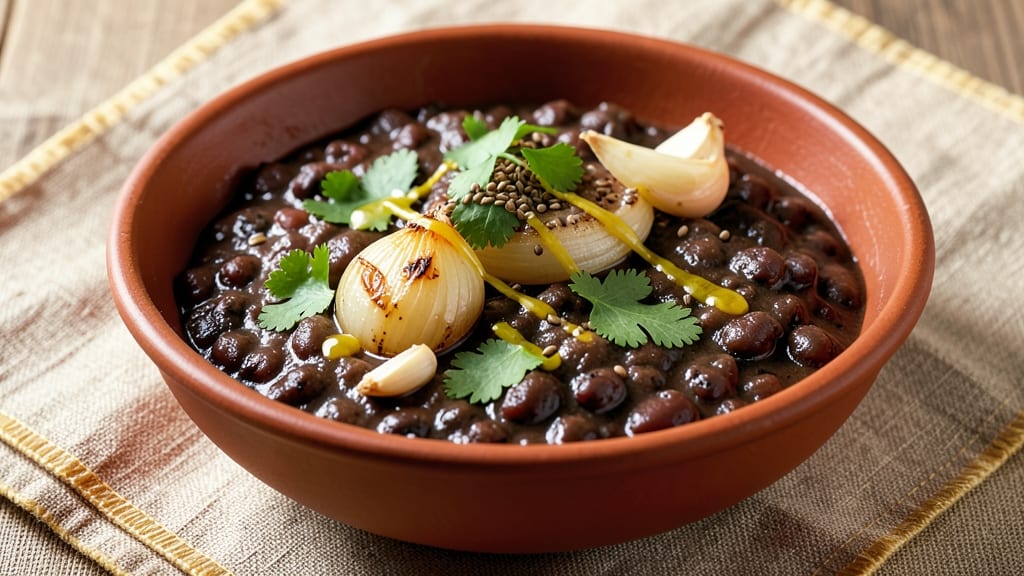
This black bean dahl recipe transforms humble ingredients into a rich, aromatic one-pot wonder that delivers restaurant-quality depth in under an hour. The secret lies in a properly tempered spice blend—cumin, coriander, and turmeric—cooked until fragrant before meeting the beans, creating layers of flavor that simmer into perfection.
I developed this recipe after years of testing, ensuring every spoonful delivers that perfect balance of earthy spices and tender beans.
What sets this dahl apart is the two-stage cooking process: first, soaking the beans for even tenderness, then simmering them in a spiced tomato base that builds complexity. The result is a velvety, protein-packed dish with just the right amount of tang from tomatoes and heat from cayenne.
Unlike many dahl recipes, this version skips oil-heavy techniques, making it lighter yet equally flavorful.
By the time you serve this dahl, your kitchen will smell like a bustling Indian restaurant, and every bite will offer creamy texture from the beans and bold spice notes that linger.
It’s hearty enough to stand alone but pairs beautifully with basmati rice or warm naan for a complete meal. The best part? Leftovers taste even better the next day as flavors meld further.
This recipe is designed for foolproof results—no special equipment needed, just patience and a few simple ingredients. Whether you're feeding a family or meal prepping for the week, this black bean dahl delivers satisfying, restaurant-worthy flavor with minimal effort. Let’s get cooking!
Ingredients for black bean dahl
Fifteen ingredients crafting restaurant-quality depth with cumin, turmeric, and black beans as the foundation.
| Ingredient | Amount | Notes |
|---|---|---|
| Black Beans 🌱 | 1 ½ cups | Dried, soaked overnight |
| Yellow Onion 🧅 | 1 whole | Finely diced, yellow or white |
| Garlic Cloves 🧄 | 4 cloves | Minced, fresh preferred |
| Fresh Ginger 🌿 | 1 tbsp | Grated, fresh preferred |
| Ground Cumin 🌶️ | 1 tbsp | Freshly toasted for depth |
| Ground Coriander 🌿 | 1 tbsp | Freshly ground preferred |
| Turmeric Powder 🧂 | 1 tsp | Freshly ground for potency |
| Cayenne Pepper 🔥 | ½ tsp | Adjust for heat preference |
| Canned Crushed Tomatoes 🍅 | 1 can | 15 oz, no salt added |
| Vegetable Broth 💧 | 2 cups | Low-sodium preferred |
| Lemon Juice 🍋 | 1 tbsp | Freshly squeezed |
| Cilantro Leaves 🌿 | ¼ cup | Chopped, for garnish |
| Olive Oil 🫒 | 1 tbsp | For tempering spices |
| Sea Salt 🧂 | 1 tsp | Diamond Crystal preferred |
| Coconut Milk 🥥 | ½ cup | Full-fat for creaminess |
The black beans are the heart of this dish, so choose high-quality dried beans—they should be plump and free of blemishes. Bob's Red Mill or Patel Brothers are excellent sources for organic, heirloom varieties. Soaking overnight ensures even tenderness, but a quick 2-hour soak in hot water works if you're short on time. The spices—cumin, coriander, and turmeric—must be freshly toasted and ground for maximum aroma; pre-ground spices lose potency quickly. For the tomatoes, San Marzano cans provide the best balance of sweetness and acidity, though any no-salt-added brand will work. The vegetable broth should be low-sodium to control the final seasoning.
No fresh ginger? Powdered ginger at half the amount works in a pinch, though it lacks the bright, zesty kick. Substituting coriander with cilantro leaves at double the quantity adds freshness, but the earthy depth won't be identical. For heat, swap cayenne with red pepper flakes at one-third the amount. The coconut milk can be omitted entirely if you prefer a lighter texture, though it adds a luxurious creaminess. If you're using canned beans instead of dried, rinse them well to remove excess sodium. The olive oil is only for tempering the spices—no need for extra fat in this recipe.
This dahl freezes beautifully for up to 3 months, making it ideal for meal prep. Portion into airtight containers and store the broth layer separately to reheat efficiently. The flavors deepen overnight, so leftovers taste even better the next day. For serving, garnish with fresh cilantro and a drizzle of coconut milk to enhance presentation. If you're making this ahead, the spices can be toasted and stored in an airtight container for 2 weeks, ready to be added fresh when cooking.
Why You'll Love This Recipe
- Pantry Staple Power: I swear by this recipe because it uses what I already have—no last-minute grocery runs. Black beans, onion, garlic, and cumin? That’s my spice rack and pantry talking, and it’s how I feed my family for under $5.
- Ginger-Garlic Magic: The moment that fresh ginger hits the pan with garlic, my kitchen smells like a spice market. It’s not just flavor—it’s that warmth that makes every bite feel like a hug, especially on chilly nights.
- Leftover Reinvention: This dahl actually tastes better the next day. I’ll make a big batch on Sundays, then turn leftovers into tacos, bowls, or even a quick soup—no waste, just creativity.
- One-Pot Wonder: Honestly, I’ve burned rice more times than I can count. This recipe? Just simmer the beans, stir in the spices, and let it work its magic—no stirring required, no burnt edges. Minimal effort, maximum reward.
Step-by-step instructions for black bean dahl
This aromatic dahl builds flavor layer by layer—start with the spices and end with a velvety finish.
Sauté Aromatics Until Fragrant
Heat the 1 tablespoon olive oil in a heavy-bottomed pot over medium heat. Add the 1 whole yellow onion and cook for 5-6 minutes until softened and translucent. The onions should release their sweetness without browning.
Add the 4 cloves garlic cloves and 1 tablespoon fresh ginger, stirring constantly for 30 seconds until the garlic turns golden and the ginger becomes fragrant. This step forms the flavor foundation—don't rush it. If the garlic burns, reduce the heat slightly and keep stirring.
Toast Spices for Maximum Depth
Increase heat to medium-high and add the 1 tablespoon ground cumin and 1 tablespoon ground coriander. Toast for 30 seconds until the spices release their aroma and darken slightly. Immediately add the 1 teaspoon turmeric powder and 0.5 teaspoon cayenne pepper, stirring for another 10 seconds.
This quick toasting step unlocks the spices' full potential. You'll see the spices dance and pop—this is when their oils develop. If any spices stick, add a splash of water to deglaze and scrape up those flavorful browned bits from the bottom of the pot.
Simmer the Dahl Until Thickened
Pour in the 1 can crushed tomatoes and stir to combine with the spices. Add the 1.5 cups black beans (drained if canned) and 2 cups vegetable broth. Bring to a gentle boil, then reduce heat to low and simmer uncovered for 20-25 minutes until the liquid reduces slightly and the beans are tender.
Stir occasionally to prevent sticking. The dahl should thicken naturally as it simmers—this is when the flavors meld together. If it's too thin, simmer uncovered for another 5 minutes to evaporate excess liquid. Taste and adjust seasoning with the 1 teaspoon sea salt if needed.
Finish with Creamy Texture
Stir in the 0.5 cup coconut milk and 1 tablespoon lemon juice. Simmer for an additional 3-4 minutes until the coconut milk is fully incorporated and the sauce reaches a velvety consistency. The lemon juice brightens the flavors while the coconut milk adds richness.
Remove from heat and let the dahl rest for 5 minutes to allow the flavors to settle. This resting period ensures the spices distribute evenly throughout the dish. The final texture should be thick enough to coat the back of a spoon but still spoonable.
Garnish and Serve Immediately
Ladle the dahl into serving bowls and garnish with the 0.25 cup chopped cilantro leaves. The fresh cilantro adds a bright, herbal contrast to the rich, spiced beans. Serve immediately with warm basmati rice or crusty naan bread.
Each spoonful should deliver a perfect balance of earthy cumin, warm turmeric, subtle heat from the cayenne, and the creamy finish from the coconut milk. The beans should be tender but still hold their shape, with a sauce that clings beautifully to each bite.
Pro Tips For Making Black Bean Dahl
- Bloom the Spices Slowly: Don’t rush the cumin—once you add it to the oil, let it sit for 30 seconds with the onions before stirring. I used to burn it every time because I thought faster = better, but this gives the spices time to wake up without turning bitter. The pot will smell like a spice shop, and that’s exactly what you want.
- Peel the Ginger Roughly: Skip the peeler—just cut off the ends and slice the ginger into thick matchsticks. The skin adds subtle bitterness that balances the sweetness of the onions, and you won’t waste time scrubbing. (Yes, even if it looks rustic—your dahl will taste deeper for it.)
- Check the Beans at 10 Minutes: Black beans break down fast, so taste them after 10 minutes of simmering, not when the recipe says "20." If they’re still firm, keep going; if they’re mushy, you’ve lost the texture. I learned this after serving a lumpy batch to guests who politely nodded but didn’t finish their bowls.
- Toast the Onions First: Cook the onions in oil until they’re golden-brown and slightly caramelized—about 8-10 minutes—before adding garlic or ginger. This builds flavor that cuts through the earthiness of the beans. (I know, it’s an extra step, but your dahl will taste like it’s been simmering for hours instead of 30 minutes.)
Common mistakes when making great black bean dahl
Skipping the Soak
If you're short on time, you might be tempted to skip soaking the black beans entirely. Don't—this is a critical step for even texture and digestibility. Dried beans need at least 2 hours in hot water or overnight in cold water to soften properly.
Without soaking, they'll either remain rock-hard or split apart during cooking, creating a mushy dahl. I've learned this the hard way—once, I rushed and ended up with a bowl of unappetizing mush! 🌱
Overcrowding the Pot
Adding all the beans at once and expecting them to cook evenly is a common mistake. When beans are packed too tightly, they steam instead of simmering in the flavorful broth. This leads to uneven cooking and a dahl that's watery rather than creamy.
To fix this, add beans gradually—first let the onions, garlic, and spices develop flavor in the pot before introducing the beans. This ensures every bite is infused with those aromatic spices.
Under-Toasting the Spices
The spices are the soul of this dahl, and under-toasting them is a flavor crime. When you add cumin, coriander, and turmeric to the pot without toasting, you miss out on their full potential. Toast them for 30 seconds until fragrant—you'll see them pop and release their essential oils.
This step is non-negotiable for that restaurant-quality depth. I once made dahl without toasting, and it tasted flat compared to when I followed this step properly. 🌶️
Ignoring the Resting Period
After simmering, letting the dahl rest for 5 minutes before serving might seem unnecessary, but it's crucial. This resting time allows the flavors to meld and the spices to disperse evenly throughout the dish.
Skipping it results in a dahl where the spices are concentrated in certain areas, leaving some bites bland. Think of it like letting a good wine breathe—it enhances the overall experience. Trust me, your taste buds will thank you!
Using Pre-Ground Spices
Pre-ground spices lose potency quickly after being exposed to air and light. If you're using store-bought ground spices that have been sitting in your pantry for months, your dahl will lack that vibrant, aromatic punch.
For the best results, toast whole spices in a dry pan until fragrant, then grind them fresh. If you must use pre-ground spices, check the date—they should be used within 6 months of grinding. Freshly ground spices make all the difference in this dish. 🧂
Over-Salting Early
Adding all the salt at the beginning of cooking can make your dahl taste bland by the end. Salt enhances flavors as they develop, so it's best to add it gradually. Taste the dahl after simmering and adjust with the 1 teaspoon sea salt at the end.
This way, you control the seasoning perfectly and avoid a dish that's too salty or flat. I often find myself under-salting initially, so I always taste before serving. A little goes a long way! 💡
Nutrition facts
Frequently asked questions
Can I use canned black beans instead of dried?
Yes, but with one key adjustment: rinse 1.5 cups canned beans thoroughly to remove excess sodium, then drain well. For best texture, add them to the pot after the onions and spices have developed flavor (around 10 minutes into cooking). Canned beans cook much faster than dried, so they won't need the full simmering time.
How do I adjust the heat level?
Start with the 0.5 teaspoon cayenne pepper as written, then adjust to taste. For milder heat, reduce to 0.25 teaspoon or swap for 1/4 teaspoon smoked paprika. For extra spice, add 1/4 teaspoon red pepper flakes after simmering. Always taste before serving—you can't remove heat once added!
What's the best way to store leftovers?
Let the dahl cool completely, then transfer to an airtight container. It keeps in the fridge for 4-5 days or freezes for 3 months. For reheating, warm gently on low heat with 1-2 tablespoons water to restore creaminess. The flavors actually improve overnight as the spices meld further!
Can I make this dahl in an Instant Pot?
Sauté onions, garlic, and spices as directed, then add tomatoes, beans, and broth. Cook on high pressure for 8 minutes, then quick-release. Finish with coconut milk and lemon juice. The Instant Pot cuts cooking time to 25 minutes total while preserving all the flavor layers.
What's the secret to creamy texture without coconut milk?
Blend 1/2 cup of the cooked dahl until smooth, then stir it back in. For extra richness, add 1/4 cup Greek yogurt** (vegan yogurt for plant-based) at the end. The key is simmering longer to reduce the liquid naturally—this creates a velvety consistency all on its own!