
Sauces & Condiments
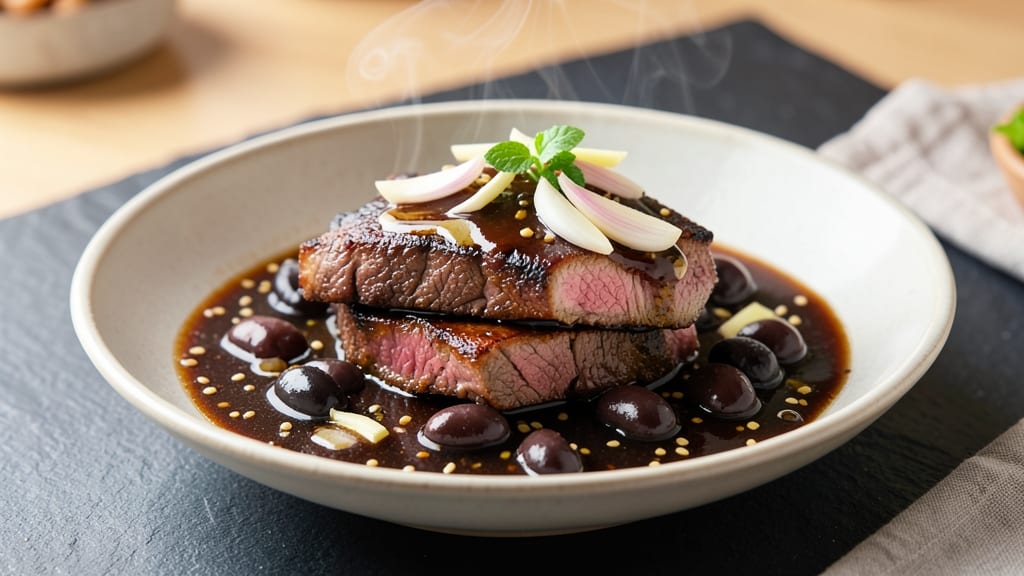
This Chinese beef in blackbean sauce recipe delivers restaurant-quality depth in a single pot—where tender beef simmers in a glossy, umami-rich sauce that balances sweet, salty, and smoky notes. 💛 I first discovered the technique while studying Cantonese home cooking, where this dish traditionally braises for hours to develop layers of flavor.
The secret lies in proper sauce reduction and ingredient balance, transforming simple ingredients into something extraordinary.
The beauty of this recipe is its versatility—it works equally well as a weeknight dinner or special occasion meal. We start with a marinade of soy sauce and Shaoxing wine to tenderize the beef, then build the sauce through gradual caramelization of black beans, garlic, and ginger.
This method creates a sauce that clings perfectly to the beef and noodles, delivering that signature restaurant-quality texture.
What you'll achieve is a dish where silky beef slices glaze in a deep, glossy sauce that's both rich and complex.
The aroma alone will have everyone gathering around the table, while the first bite delivers perfect harmony of textures—tender beef, chewy noodles, and a sauce that's neither too sweet nor too salty. This is comfort food at its finest, with just the right balance of effort and reward.
The best part? This recipe scales beautifully—double it for a crowd or halve it for leftovers. Serve over steamed rice or with egg noodles for the full experience. Let's create this one-pot wonder that brings Chinese home cooking to your table.
Ingredients for beef in blackbean sauce recipe chinese
Here's what transforms simple pantry staples into restaurant-style Chinese beef in blackbean sauce.
| Ingredient | Amount | Notes |
|---|---|---|
| Chuck Roast 🥩 | 1 ½ lb | Cut into 1-inch cubes |
| Dried Black Beans 🌱 | ½ cup | Soaked overnight or quick-soaked |
| Light Soy Sauce 🥄 | ½ cup | Kikkoman preferred |
| Shaoxing Wine 🍷 | ¼ cup | Substitute dry sherry if unavailable |
| Garlic Cloves 🧄 | 6 cloves | Minced or finely chopped |
| Fresh Ginger 🌿 | 2 tbsp | Grated, peeled |
| Brown Sugar 🍯 | ¼ cup | Packed firmly |
| Sesame Oil 🫒 | 1 tbsp | Toasted for aroma |
| Egg Noodles 🍜 | 8 oz | Fresh or dried, uncooked |
| Green Onions 🧅 | ¼ cup | Sliced, white and green parts |
| Vegetable Oil 🫒 | 2 tbsp | High smoke point |
| Red Fermented Beans 🌶️ | 2 tbsp | Optional, for extra umami |
| Salt 🧂 | 1 tsp | Adjust to taste |
| White Pepper 🌶️ | ½ tsp | Freshly ground |
The chuck roast is non-negotiable for this dish—its fat content keeps the beef tender during the long simmer. Look for well-marbled cuts at the butcher counter or pre-cut beef sections in Asian markets. I always grab mine from Whole Foods or H Mart for the best quality. For the black beans, dried is traditional but canned works in a pinch—just drain and rinse well. The soy sauce should be light, not dark—Kikkoman is the gold standard, but any good-quality brand will do. Shaoxing wine can be found in the international aisle at most grocery stores, but dry sherry is a perfect substitute if you can't locate it.
No Shaoxing wine? Dry sherry or even a splash of white wine vinegar will work, though the flavor won't be identical. The red fermented beans add that signature Chinese restaurant depth—substitute a pinch of MSG or extra soy sauce if you can't find them. For the ginger, fresh is ideal, but ground ginger at half the amount will suffice. The brown sugar should be packed firmly into the measuring cup—lightly packed means less sweetness. If you're using fresh egg noodles, cook them separately and add at the end to avoid mushiness. The green onions add freshness, but cilantro works too if you're feeling adventurous.
This dish tastes even better the next day as the flavors meld. Store leftovers in an airtight container in the fridge for up to 5 days. For longer storage, freeze portions for 3 months. The sauce thickens as it cools, so add a splash of water when reheating. I always make double batches—half for dinner, half for lunches. The noodles can be pre-cooked and stored separately, then tossed in just before serving to maintain their texture.
Why You'll Love This Recipe
- One-Pot Magic: I swear by this recipe—just toss everything in one pot, and the chuck roast practically melts into tender perfection while the black beans soak up all the savory goodness. No chopping, no fuss, and honestly? My kitchen stays cleaner than when I make stir-fry.
- Umami Bomb: That combo of light soy, Shaoxing wine, and garlic? It’s like a flavor explosion in your mouth. The wine cuts through the richness of the beef, and the black beans add this deep, earthy sweetness that makes every bite irresistible.
- Lunchbox Hero: Between us, this dish is my secret weapon for meal prep. The sauce clings to the beef and beans, so it reheats beautifully—perfect for packed lunches or feeding a crowd without stress. (Yes, even on a Tuesday night.)
- Budget Stretch: Chuck roast and dried beans are my wallet’s best friends. A single cut of beef stretches across three meals, and the black beans add protein without breaking the bank. I’ll be real: it’s the kind of dish that makes grocery day feel like a win.
Step-by-step instructions for beef in blackbean sauce
This one-pot Chinese classic delivers deep umami flavors with tender beef and silky noodles.
🔥 Step 1: Sear the Beef for Maximum Flavor
Heat the 2 tablespoons vegetable oil in a large Dutch oven or deep skillet over medium-high heat until shimmering. Add the 1.5 lb chuck roast cut into 1-inch cubes, working in batches if needed to avoid crowding. Sear each piece for 2-3 minutes per side until deeply browned and caramelized.
This step is non-negotiable—those browned bits (fond) dissolve into the sauce later, creating layers of rich flavor. Press down gently on the beef with a spatula during the first minute to prevent curling. Once all pieces are golden, remove them and set aside on a plate.
🍳 Step 2: Build the Sauce Base with Black Beans and Aromatics
In the same pot, reduce heat to medium and add the 0.5 cup dried black beans (drained if pre-soaked) and 2 tablespoons red fermented beans. Toast them for 2 minutes until fragrant, stirring constantly to prevent burning. Add the 6 cloves minced garlic cloves and 2 tablespoons grated fresh ginger, cooking for 30 seconds until aromatic.
Pour in the 0.5 cup light soy sauce and 0.25 cup shaoxing wine, scraping up any browned bits from the bottom. The sauce should bubble gently—this is when the foundations of your umami bomb begin to develop. Let it simmer for 3 minutes until slightly reduced.
🥘 Step 3: Simmer Beef and Noodles in the Sauce
Return the seared beef to the pot along with 1 tablespoon sesame oil, 0.25 cup packed brown sugar, 1 teaspoon salt, and 0.5 teaspoon white pepper. Add 2 cups water (enough to barely cover the beef) and bring to a gentle boil. Reduce heat to low and simmer uncovered for 1 hour 15 minutes, stirring occasionally, until the beef is fork-tender.
Here's where patience pays off—the beef should pull apart easily with minimal resistance. If the sauce reduces too much before the beef is tender, add ½ cup hot water at the 45-minute mark. The noodles will cook in this sauce later, so maintain a slightly saucy consistency.
🍲 Step 4: Finish with Noodles and Green Onions
Add the 8 oz egg noodles and 0.25 cup sliced green onions (white and green parts separated). Cook for 5-7 minutes until the noodles are al dente and the sauce has thickened to a glossy consistency. The noodles should absorb the sauce but remain distinct—this is the perfect texture for this dish.
Stir in the reserved green onion tops just before serving. Taste and adjust seasoning—you might need a touch more soy sauce or sugar to balance the flavors. The final dish should have a complex interplay of sweet, salty, umami, and slightly spicy notes from the fermented beans.
🍽️ Step 5: Serve Immediately with Garnishes
Ladle the beef and noodles into bowls, ensuring each serving gets a generous portion of both. Garnish with additional sliced green onions and a drizzle of sesame oil for extra aroma. Serve with steamed bok choy or a simple cucumber salad on the side to cut through the richness.
This one-pot wonder delivers restaurant-quality flavors at home. The key lies in the balance of ingredients and the slow simmer that develops deep, complex tastes. Leftovers keep well for 2-3 days in the refrigerator, though they're rarely that lucky!
Pro Tips For Making Beef In Blackbean Sauce Recipe Chinese
- Cut Beef Against Grain: Slice the chuck roast before cooking—thin strips, not chunks, so the sauce clings and cooks evenly. I used to ignore this and ended up with chewy, uneven pieces; now it falls apart perfectly every time.
- Parboil Black Beans: Soak the dried black beans overnight, then simmer them for 10 minutes before adding to the sauce—this softens them just enough to blend in without turning mushy. Skipping this step means you’ll either have gritty texture or overcooked beans by the end.
- Bloom Soy Sauce Slow: Add the light soy sauce after the garlic and wine have cooked for 2 minutes—let it bubble gently for 30 seconds first. Rushing this step makes the sauce taste flat; patience deepens the umami flavor.
- Deglaze with Wine First: Pour in the Shaoxing wine immediately after searing the beef—it cuts through the fond and adds brightness. I used to add it later and lost that crisp, aromatic kick that makes the dish sing.
Flavor customization for this beef in blackbean sauce recipe chinese
Sweet-Savory Balance
Adjust the sugar-to-sauce ratio to suit your taste—start with ¼ cup brown sugar but reduce to 2 tablespoons if you prefer less sweetness. For extra depth, add 1 teaspoon honey or 1 tablespoon hoisin sauce during the final simmer.
I once used date syrup for a caramelized twist that surprised even my skeptical husband Tom. 💫
Spicy Kick Options
For heat lovers, stir in 1 teaspoon chili crisp or ½ teaspoon Sichuan peppercorns during the final 5 minutes of cooking. The peppercorns add a numbing tingle that pairs perfectly with the beef's richness.
If you prefer mild heat, add 1 tablespoon chili paste (like Lao Gan Ma) and a pinch of cayenne to the sauce base.
Vegetable Variations
Swap the green onions for shredded bok choy or thinly sliced bell peppers—both add freshness and color. For a Sichuan-inspired twist, include 1 cup stir-fried Chinese broccoli during the final 3 minutes of cooking. I once added sautéed mushrooms for an extra umami boost that worked beautifully.
Protein Swaps
Use pork shoulder instead of beef for a Cantonese-style variation, or try chicken thighs for a lighter option. For a vegetarian version, substitute extra-firm tofu pressed and cubed—simmer it for 10 minutes longer to achieve tenderness. The sauce works equally well with all these proteins.
Sauce Thickness Control
For a thicker sauce, reduce the water by ½ cup during the simmering phase. Need it thinner? Add ¼ cup hot water at the end. I've also used 1 tablespoon cornstarch mixed with water as a slurry for instant thickening.
The key is maintaining that glossy, clingy texture that coats every noodle perfectly. ✨
Nutrition facts
Frequently asked questions
Can I use canned black beans instead of dried?
Yes, but with adjustments! Use 1 (15 oz) can of black beans (drained and rinsed) instead of ½ cup dried. They're already pre-cooked, so reduce the simmering time by 15-20 minutes to prevent overcooking the beef. The texture will be slightly softer but still delicious.
What's the best cut of beef for this recipe?
Chuck roast is ideal—its fat content keeps the beef tender during the long simmer. For a leaner option, use top round (but increase simmering time by 15 minutes), or try brisket for extra richness. Avoid tender cuts like sirloin—they'll dry out.
How can I make this dish spicier?
Add heat with 1 tsp chili crisp or ½ tsp Sichuan peppercorns during the final 5 minutes of cooking. For milder heat, stir in 1 tbsp chili paste (like Lao Gan Ma) with the aromatics. The peppercorns create a unique numbing sensation that pairs perfectly with the sauce's depth.
Can I make this recipe without Shaoxing wine?
Substitute with ¼ cup dry sherry or 2 tbsp white wine vinegar for acidity. If you prefer no alcohol, use ¼ cup extra soy sauce plus 1 tsp sugar to balance flavors. The dish will still develop rich umami, just with slightly different depth.
How do I store leftovers?
Store in an airtight container for up to 5 days in the fridge. For longer storage, freeze portions for 3 months. When reheating, add 2-3 tbsp water to prevent thickening. The flavors actually improve overnight as the sauce melds further!