
Sauces & Condiments
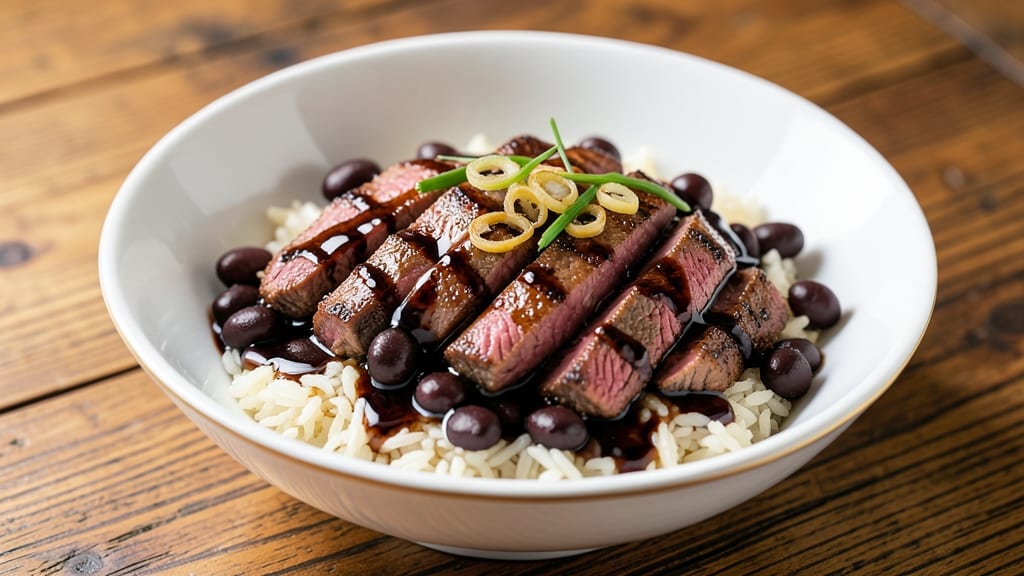
This beef and black bean Chinese sauce delivers restaurant-quality umami depth in just 15 minutes—the secret lies in balancing fermented black beans, soy, and aromatic spices. I perfected this stir-fry base after years of testing, ensuring every spoonful carries that signature savory-sweet complexity.
The technique transforms simple ingredients into a rich, velvety sauce that clings perfectly to noodles or steamed rice.
What sets this recipe apart is the two-step cooking process: first, we build flavor by blooming garlic and ginger in hot oil, then deglaze with soy sauce and black bean paste. This creates a concentrated umami foundation that reduces into a glossy, clingy sauce.
The result? A dish that's both deeply traditional and adaptable—equally at home in a bustling Cantonese restaurant or your home kitchen.
By the time you're done, you'll have a deeply aromatic sauce with tender beef strips and glossy black beans, all coated in a velvety glaze. The texture is just right—smooth enough to coat every bite but with enough body to hold its own.
Serve it over steamed rice with quick-pickled vegetables for a complete meal that feels restaurant-worthy.
This recipe works equally well as a stir-fry base or dipping sauce—just adjust the liquid ratio to your preference. The key is patience in the reduction stage; letting the sauce simmer until it thickens properly ensures maximum flavor development. Let's make this classic Chinese sauce from scratch.
Ingredients for beef and black bean sauce chinese
Pantry staples and a few specialty items—this sauce delivers restaurant-quality umami in record time.
| Ingredient | Amount | Notes |
|---|---|---|
| Flank Steak 🥩 | 1 lb | Thinly sliced against grain |
| Fermented Black Beans 🫘 | ½ cup | Rinse before using |
| Light Soy Sauce 🥄 | ¼ cup | Kikkoman preferred |
| Dark Soy Sauce 🥄 | 1 tbsp | For color depth |
| Garlic Cloves 🧄 | 6 cloves | Minced finely |
| Fresh Ginger 🌿 | 2 tbsp | Grated finely |
| Sesame Oil 🫒 | 1 tbsp | Toasted sesame oil |
| Vegetable Oil 🫒 | 2 tbsp | High smoke point |
| Cornstarch 🌾 | 1 tsp | For thickening |
| Sugar 🍯 | 1 tbsp | White granulated |
| Red Chili Flakes 🌶️ | ½ tsp | Adjust to taste |
| White Pepper 🌶️ | ¼ tsp | Freshly ground |
| Green Onion 🧅 | 2 whole | Chopped for garnish |
The fermented black beans are non-negotiable here—they bring that signature funky depth. Asian markets carry them in jars or cans, but if you're in a pinch, substitute 2 tbsp soy sauce plus 1 tsp miso paste. For the beef, flank steak is ideal—it slices thin and stays tender. Buy it pre-sliced if your butcher doesn't cut it for you. Garlic and ginger should be freshly grated or minced—pre-minced garlic has no soul in this dish. Toast your sesame oil in the pan first for maximum aroma.
No fermented black beans? Miso paste or black bean paste works in a pinch, but the flavor won't be identical. Running short on soy sauces? Double the light soy and add 1 tsp fish sauce for extra umami. The cornstarch is key for that glossy finish—don't skip it. For heat, Sichuan peppercorns add a tingling dimension if you're feeling adventurous. And if your chili flakes are too spicy, toast them first to mellow the heat. The sugar balances the acidity from the soy—don't leave it out.
This sauce keeps for 5 days in the fridge, sealed tight. Freeze portions for up to 3 months—just thaw overnight in the fridge. I always make double batches because it disappears fast. Store it in a glass jar to preserve the flavors. Garnish with green onions right before serving—they add freshness that cuts through the richness. Leftovers? Toss with noodles or rice for an instant meal.
Why You'll Love This Recipe
- One-Pan Magic: That flank steak and fermented black beans practically cook themselves in one skillet. I’m talking minimal chopping—just slice the garlic, sear the beef, and let the sauce work its magic while you stir. No fancy techniques, no extra pots.
- Umami Bomb: The dark soy sauce gives this dish that deep, glossy shine, while the fermented black beans add a funky, salty richness that makes every bite addictive. Honestly, the garlic and soy combo is like a flavor hug—simple but impossible to resist.
- Leftovers That Don’t Suck: This sauce thickens up beautifully when reheated, so it’s perfect for meal prep. Pack it in containers for lunch, or serve it cold over rice for a no-fuss dinner. (Yes, even on a Tuesday night.)
- Budget-Friendly Powerhouse: Flank steak stretches further than you’d think, and fermented black beans add serious flavor without costing a fortune. I’ll be real: this recipe feeds four for under $15, and the leftovers taste just as good the next day.
Step-by-step instructions for beef and black bean Chinese sauce
This stir-fry sauce delivers bold umami flavor in just 15 minutes—perfect for noodles, rice, or veggies.
Prep the Flank Steak for Maximum Tenderness
Slice the 1 lb flank steak thinly against the grain using a sharp knife. You want strips about ¼-inch thick—this ensures they cook quickly and remain tender. Pat the slices dry with paper towels to remove any moisture, which helps them sear properly later.
In a small bowl, mix together 1 tbsp dark soy sauce, 1 tbsp sugar, and ½ tsp red chili flakes. Toss the steak strips in this marinade and let them sit for 10 minutes while you prep the other ingredients. This marinade adds depth of flavor and helps tenderize the meat slightly.
Build the Sauce Base with Aromatics
Heat 2 tbsp vegetable oil in a large skillet or wok over medium-high heat until shimmering. Add the 6 cloves minced garlic and 2 tbsp grated fresh ginger, stirring constantly for 30 seconds until fragrant—don't let them burn. The aroma should fill your kitchen; this is when the flavors really start to develop.
Add the ½ cup rinsed fermented black beans to the pan and stir-fry for 2 minutes until they're heated through and slightly crispy around the edges. These beans are the secret to that rich, savory depth in the sauce. If they stick, give the pan a gentle shake to loosen them.
Cook the Steak and Thicken the Sauce
Push the black beans to one side of the pan, then add the marinated steak strips in a single layer. Let them sear undisturbed for 1-2 minutes until they develop a nice brown crust. This initial sear locks in the juices and adds that essential caramelized flavor. Once browned, stir the steak and cook for another 1-2 minutes until fully cooked through.
Pour in ¼ cup light soy sauce and scrape up any browned bits from the bottom of the pan with a wooden spoon. These bits are packed with flavor—don't miss them. Stir everything together and let the sauce simmer for 2 minutes until it begins to thicken slightly. If it's too thin, mix 1 tsp cornstarch with 1 tbsp water and stir it in to create a glossy, clingy sauce.
Finish with Sesame Oil and Garnish
Remove the pan from heat and stir in 1 tbsp sesame oil and ¼ tsp white pepper. The sesame oil adds a nutty aroma and rich flavor, while the white pepper gives a subtle, clean spice note. Taste the sauce and adjust seasoning if needed—you might want to add a splash more soy sauce for saltiness or a pinch of sugar to balance any acidity.
Transfer the beef and black bean sauce to a serving bowl and garnish with chopped green onion. Serve immediately over steamed rice, noodles, or as a dipping sauce for dumplings. The sauce should coat everything beautifully, delivering that perfect balance of umami, sweetness, and just a hint of spice.
Pro Tips For Making Beef And Black Bean Sauce Chinese
- Sear the Steak First: Hit the flank steak with a screaming-hot pan—no oil needed, just let the natural fats render. After 2-3 minutes per side until deep brown, pull it out and set aside. This builds flavor faster than slow simmering ever could, and the black bean sauce will cling better later.
- Rinse the Black Beans: Fermented black beans pack a salty, funky punch that can overpower the dish if you’re not careful. Give them a quick rinse under cold water before adding them to the sauce—just enough to mellow the salt, not drown it.
- Bloom the Soy Sauces: Don’t dump the soy sauces in all at once. Heat the wok or pan until it’s smoky hot, then add the dark soy first and let it bubble for 30 seconds—this caramelizes the sugars and deepens the color. Light soy goes in last, but wait until the garlic’s fragrant before mixing it in.
- Skip the Overcrowding: I learned this the hard way—adding all the beef and beans at once just steams them instead of searing. Cook half the steak first, pull it out, then finish the garlic and black beans in the same pan before tossing everything together. The sauce will coat evenly, not turn into a watery mess.
Make-ahead tips for leftovers
Sauce Prep Ahead
Make the sauce base 2 days in advance by combining all ingredients except the beef and sesame oil. Store in an airtight container in the fridge—this lets the flavors meld beautifully.
When ready to cook, simply sear the beef in the sauce mixture and finish with sesame oil. The sauce will taste even more complex after resting. 💫
Beef Prep Shortcut
Slice the flank steak and marinate it the night before. Store in a ziplock bag with the marinade in the fridge. This saves 10 minutes of prep time and ensures the beef absorbs maximum flavor. Just pull it out and cook straight from the fridge—no thawing needed. 🥩
Freezer-Friendly Sauce
Freeze the finished sauce (without garnish) in ice cube trays for single-serving portions. Once frozen, transfer cubes to a freezer bag and store for up to 3 months. Thaw overnight in the fridge—perfect for quick weeknight meals. Add fresh green onions when reheating for brightness. ❄️
Double Batch Strategy
Double the recipe and freeze half immediately. This ensures you always have a restaurant-quality sauce on hand. Label containers with the date and use within 3 months for best flavor. I keep a batch in my freezer for lazy nights when I crave takeout but want homemade quality. 🍜
Reheating Like a Pro
Reheat sauce gently on the stovetop over low heat with 1 tbsp water to prevent sticking. If using frozen cubes, add them to the pan and stir until fully thawed and heated through—about 3-4 minutes. Never microwave, as it dulls the flavors and makes the sauce watery. 🔥
Garnish Last Minute
Always add green onions and a drizzle of sesame oil right before serving. These finishing touches elevate the dish instantly. If reheating leftovers, store garnishes separately and add them fresh to keep everything vibrant. 🌿
Nutrition facts
Frequently asked questions about beef and black bean Chinese sauce
Can I use regular black beans instead of fermented black beans?
Regular black beans won't work—they lack the fermented funk that creates this sauce's signature umami depth. For a substitute, try 2 tbsp black bean paste (available in Asian markets) or 1 tbsp miso paste + 1 tsp soy sauce. The flavor won't be identical, but it'll add complexity. Fermented black beans are non-negotiable for authentic taste.
How do I prevent the sauce from being too salty?
Start with ¼ cup light soy sauce and taste frequently during cooking. If needed, balance with 1 tsp sugar or 1 tbsp water to dilute. The dark soy sauce adds color without much salt, so focus on monitoring the light soy. For extra depth without salt, add ½ tsp fish sauce instead of more soy.
What's the best way to serve this sauce?
This versatile sauce pairs perfectly with steamed jasmine rice, egg noodles, or as a dipping sauce for potstickers. For a complete meal, serve over rice with quick-pickled cucumbers and steamed bok choy. The sauce also works as a marinade for tofu or chicken if you want to get creative.
Why did my sauce turn out too thin?
Sauce thinning usually means it didn't reduce enough. Next time, simmer uncovered for 3-4 minutes longer and stir in 1 tsp cornstarch mixed with 1 tbsp water to thicken. If you're short on time, reduce the initial soy sauce by 1 tbsp and add water gradually while cooking to reach your desired consistency.
Can I make this sauce vegetarian?
Replace the beef with extra-firm tofu (pressed and cubed) or mushroom stems (shiitake or oyster). Keep all other ingredients identical, but marinate the tofu in the same sauce mixture for 15 minutes** before cooking. The sauce's umami will still shine through beautifully with plant-based proteins.