
Soups & Stews
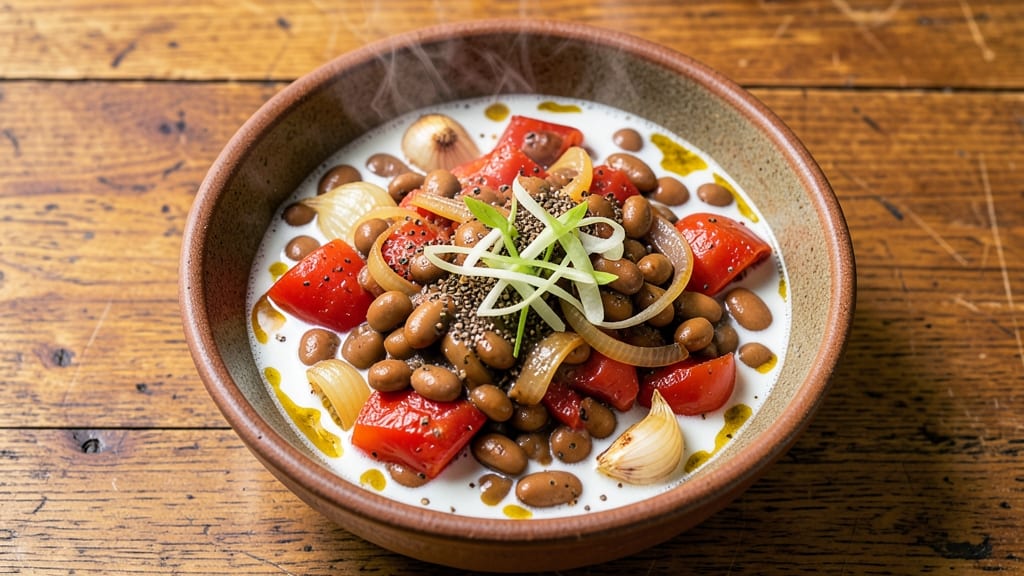
This bean stew recipe Kenya brings the hearty, aromatic flavors of East African cuisine to your kitchen, where dried beans simmer with tomatoes, onions, and a touch of coconut milk for a dish that’s both comforting and deeply satisfying.
The slow-cooked stew develops rich, earthy notes that pair perfectly with crusty bread or steamed rice, making it a staple in Kenyan homes. What sets this recipe apart is the balance of traditional spices—garlic, chili, and fresh herbs—that transform simple ingredients into something extraordinary.
The beauty of Kenyan bean stew lies in its versatility and simplicity. With just a handful of ingredients—dried beans, tomatoes, onions, garlic, and a splash of coconut milk—you can create a meal that’s hearty enough for a family dinner but easy enough for a weeknight.
The stew’s texture is what makes it special: tender beans, soft vegetables, and a sauce that’s thick yet light, infused with the warm spices of the region. This dish is not only nourishing but also deeply flavorful, offering a taste of Kenya’s culinary traditions.
What you’ll end up with is a rich, aromatic stew that’s perfect for serving with ugali (maize porridge) or as a side to grilled meats or fish. The slow simmering process allows the flavors to meld beautifully, creating a dish that’s both comforting and full of depth.
Whether you’re cooking for a crowd or just looking for a satisfying meal, this bean stew delivers on flavor and tradition. Let’s get started!
For those who love customization, this recipe easily adapts to include proteins like chicken, beef, or fish, making it a complete meal in one pot. The key to success is patience—letting the stew simmer until the beans are tender and the flavors have fully developed.
Trust me, the wait is worth it for a dish that’s as rewarding to make as it is to eat.
Ingredients for bean stew recipe kenya
Simple ingredients that pack a flavor punch—just what you need for this Kenyan-inspired bean stew.
| Ingredient | Amount | Notes |
|---|---|---|
| Dried Beans 🌱 | 1 ½ cups | Rinsed before cooking |
| Fresh Tomatoes 🍅 | 2 cups | Chopped, vine-ripened preferred |
| Yellow Onions 🧅 | 1 whole | Chopped into small pieces |
| Garlic Cloves 🧄 | 4 cloves | Minced for aromatic depth |
| Fresh Ginger 🌿 | 1 tbsp | Grated, fresh preferred |
| Coconut Milk 🥥 | 1 can | Full-fat for creaminess |
| Vegetable Oil 🫒 | 2 tbsp | For sautéing onions |
| Dried Chili Flakes 🌶️ | 1 tbsp | Adjust for heat preference |
| Ground Cumin 🌿 | 1 tsp | Toasted for deeper flavor |
| Dried Thyme 🌿 | 1 tsp | Or 1 tbsp fresh thyme |
| Salt 🧂 | 1 tsp | Kosher or sea salt |
| Black Pepper 🌶️ | ½ tsp | Freshly ground preferred |
| Fresh Cilantro 🌿 | ¼ cup | Chopped, for garnish |
| Bay Leaves 🍃 | 2 whole | Removed before serving |
The dried beans are the heart of this stew, so pick a good-quality variety—black beans or kidney beans work beautifully. Most grocery stores carry them in the baking aisle, but African markets or specialty stores often have more exotic options like mung beans. If you're using dried beans, soak them overnight for the best texture. Fresh tomatoes are ideal, but canned tomatoes in San Marzano or Muir Glen work in a pinch—just drain and chop them. For the coconut milk, full-fat is key—it adds that rich, creamy texture that makes this stew so special. Grab a can of Aroy-D or Thai Kitchen brand if you're at the regular grocery store.
No fresh ginger? Powdered ginger at half the amount gets you close, but trust me, fresh makes a difference. Running out of thyme? Dried oregano works in a bind, though it won't be quite the same. The chili flakes can be swapped for cayenne pepper or fresh chili, but go light—this stew is meant to be comforting, not fiery. If you're short on time, pre-chopped onions from the store are fine, but fresh is always better. The bay leaves add depth, but if you don't have any, a sprig of rosemary works too.
This stew tastes even better the next day—honestly, the flavors meld into something magical after sitting overnight. Keeps in the fridge for 5-6 days in an airtight container, or freeze portions for up to 3 months. I like to double the batch and freeze half—perfect for lazy weeknights. The beans get softer the longer it sits, so if you're serving it fresh, don't worry about overcooking. Just taste as you go and adjust the seasoning. The cilantro at the end is totally optional, but it adds that fresh finish that makes the whole dish sing.
Why You'll Love This Recipe
- No-Soaking Needed: I’ll be real—soaking beans is a hassle. This stew? Just toss them in dry, simmer with the onions and tomatoes, and they soften right into that rich, creamy texture. No extra steps, no waiting.
- Ginger-Garlic Magic: That crisp, bright hit from fresh ginger and garlic? It’s the secret weapon. The onions caramelize into sweetness while the garlic mellows into warmth, and the tomatoes tie it all together—like a cozy hug in a bowl.
- Leftover Goldmine: Honestly, this stew tastes better the next day. The flavors meld into something deeper, and it reheats like a dream. Pack it for lunch, freeze portions, or just eat it cold from the pot—it’s always a win.
- Budget-Friendly Feast: Dried beans and seasonal tomatoes stretch into meals for days. Between us, this is the kind of dish where you can feed a crowd without breaking the bank, and everyone will ask for seconds anyway.
Step-by-step instructions for bean stew recipe Kenya
This rich, aromatic stew comes together with simple steps and bold flavors.
Prepare the Dried Beans
Start by rinsing the 1.5 cups dried beans thoroughly under cold water to remove any debris. Place them in a large pot and cover with plenty of fresh water—at least 4 cups—to ensure they're fully submerged. Add the 2 whole bay leaves and bring to a boil over medium-high heat. Once boiling, reduce the heat to medium-low and let the beans simmer uncovered for 2-3 minutes to soften their skins slightly.
Drain the beans and return them to the pot. Add 4 cups fresh water (enough to cover by about 2 inches) along with the 1 tsp salt. Bring back to a boil, then reduce heat to low and simmer gently for 1-1.5 hours, stirring occasionally. The beans are done when they're tender but not mushy—you should be able to mash them slightly with a fork but still see some texture. If they're not tender enough, keep simmering for another 15-20 minutes.
Build the Flavor Base
While the beans cook, heat the 2 tbsp vegetable oil in a large pot or deep skillet over medium heat. Add the 1 whole yellow onion, chopped into small pieces, and sauté for 5-6 minutes until softened and beginning to turn golden. Stir in the 4 cloves garlic cloves, minced, and cook for another 30 seconds until fragrant—don't let the garlic burn.
Add the 1 tbsp fresh ginger, grated, and cook for 1 minute until the raw ginger smell disappears. Stir in the 1 tbsp dried chili flakes, 1 tsp ground cumin, and 1 tsp dried thyme, cooking for 30 seconds to toast the spices and deepen their flavors. Pour in the 2 cups chopped fresh tomatoes and let them cook down for 5-7 minutes, stirring occasionally, until the mixture thickens slightly and the raw tomato flavor mellows.
Combine and Simmer
Once the beans are tender, drain them again and add them to the pot with the tomato mixture. Stir in the 1 can coconut milk, ensuring it's evenly distributed. Add the 0.5 tsp black pepper and bring the stew to a gentle simmer over medium-low heat. Let it cook uncovered for 20-25 minutes, stirring occasionally, until the flavors meld and the stew thickens slightly. The coconut milk will create a creamy, velvety texture that balances the earthy beans.
Taste and adjust the seasoning—add more salt if needed or a pinch more dried chili flakes for extra heat. The stew should be rich, aromatic, and well-seasoned. If it's too thick, stir in 2-3 tablespoons of water to reach your desired consistency. Keep the stew warm while you prepare the garnish.
Finish and Serve
Remove the 2 whole bay leaves from the stew. Ladle the stew into bowls and garnish each serving with 0.25 cup chopped fresh cilantro. The bright, citrusy notes of the cilantro will cut through the richness of the coconut and spices, adding a fresh finish.
Serve the stew hot with crusty bread, rice, or flatbread to soak up every last drop of that flavorful sauce. The combination of tender beans, aromatic spices, and creamy coconut milk makes this a comforting, hearty dish perfect for any meal. Enjoy the earthy spice and coconut harmony in every bite!
Pro Tips For Making Bean Stew Recipe Kenya
- SOAK BEANS OVERNIGHT: I learned this the hard way—rushing the soak leaves beans tough and gummy. Use 3 cups water per cup beans, add a pinch of baking soda (trust me), and let them sit 12+ hours. Drain, rinse, then start cooking; they’ll soften faster and absorb flavors better.
- CHAR THE ONIONS: Skip the gentle sauté—Kenyan stew needs deep, caramelized flavor. Cook sliced onions in hot oil (medium-high heat) until they’re dark brown at the edges, almost crispy. This takes 10-12 minutes, but it’s the thing that matters most for that rich base.
- PEEL GINGER LIKE A PRO: Use a spoon’s back to scrape off ginger skin in one smooth motion—no peeling with a knife, which wastes time and bruises the flesh. Finely mince it (not grate) for a cleaner texture that blends into the stew without bitterness.
- SIMMER LOW AND SLOW: After the initial boil, drop the heat to the lowest setting that keeps tiny bubbles breaking the surface. High heat after the first 20 minutes turns beans mushy and splits tomatoes into a watery mess. Patience here makes all the difference.
Pro cooking tips for great bean stew recipe kenya
Slow Cooking Secrets
Patience is key with this Kenyan bean stew—the longer you let it simmer, the deeper the flavors develop. I recommend starting with a 1.5-hour simmer for the beans, then another 20-25 minutes with the coconut milk.
The magic happens when the spices and coconut milk meld together, creating that signature earthy-spicy harmony. If you're short on time, use a pressure cooker to cut the bean cooking time to just 30 minutes, but the flavor won't be quite as complex. 🌡️
Spice Toasting Technique
Never skip toasting your spices! When you sauté the cumin and thyme in the oil, cook them for 30 seconds until fragrant—this releases their essential oils and deepens their flavor. I like to use a cast-iron skillet for this step because it retains heat better.
If your spices smell raw when you add the tomatoes, give them another 10 seconds of toasting. This small step makes a huge difference in the final dish.
Coconut Milk Integration
The coconut milk should be added at the end of cooking to prevent curdling. Stir it in gently over medium-low heat and let it warm through without boiling vigorously. If you add it too early, the acidity from the tomatoes can cause separation.
For extra creaminess, I sometimes whisk in 1 tbsp cornstarch mixed with 2 tbsp water during the final 5 minutes of simmering. This thickens the sauce beautifully without making it gluey. 🥥
Bean Texture Control
Overcooked beans turn mushy, while undercooked ones stay hard. Test doneness by mashing a few beans with a fork—they should break down slightly but still hold their shape. If using kidney beans, they'll need about 1.5 hours of simmering, while black beans might take 1 hour.
For extra tenderness, add a pinch of baking soda to the soaking water (not cooking water) to help soften the skins. Drain well before cooking to avoid a watery stew.
Heat Adjustment Tips
Kenyan cuisine balances heat with richness, so adjust the chili to your taste. For a mild version, reduce the dried chili flakes to ½ tsp and add ½ tsp smoked paprika instead. If you love heat, add 1 fresh chili (like jalapeño or bird's eye) along with the garlic.
I like to serve extra chili flakes on the side so everyone can customize their bowl. Pro tip: Toast the chili flakes in the oil for 10 seconds first to enhance their flavor. 🌶️
Make-Ahead Magic
This stew tastes even better the next day as the flavors continue to develop. Let it cool completely, then store in an airtight container in the fridge for up to 5 days.
For freezing, portion into quart-sized containers with 1 inch headspace—it reheats beautifully on the stovetop with 2-3 tbsp water added. The texture might thicken slightly after reheating, so stir well.
I often make a double batch and freeze half for lazy weeknights when I crave that comforting Kenyan flavor. ❄️
Nutrition facts
Frequently asked questions
What type of beans work best for this Kenyan stew?
Dried kidney beans or black beans are ideal—they hold their shape beautifully while soaking up the rich flavors. For extra depth, try mung beans or pigeon peas, which are common in East African cooking. Always rinse them thoroughly before soaking to remove any debris that could make the stew bitter.
Can I make this stew without coconut milk?
Yes! If you're avoiding coconut, substitute with ½ cup Greek yogurt or sour cream for creaminess, or simply add ½ cup extra water and a pinch of salt. The dish will still be flavorful, though the traditional East African touch of coconut milk creates that signature velvety texture.
How do I adjust the spice level for my family?
Start with ½ tsp chili flakes for mild heat, then add more to taste. For extra depth without heat, toast ½ tsp smoked paprika with the spices. Always toast your chili flakes first—they'll develop deeper flavor. Serve extra chili flakes on the side so everyone can customize their bowl.
What's the best way to store and reheat leftovers?
Store in an airtight container in the fridge for up to 5 days or freeze for 3 months. Reheat on the stovetop with 2-3 tbsp water to prevent drying out. The stew actually tastes better the next day as flavors meld! For extra creaminess after reheating, stir in 1 tbsp coconut milk or water.
Can I add meat or fish to this stew?
Traditional Kenyan versions often include chicken, beef, or fish like tilapia or mackerel. Add the protein during the final 15 minutes of simmering to prevent overcooking. For fish, use 1 lb white fish and cook until just opaque (8-10 minutes). The stew's rich sauce will complement any protein beautifully.