
Main Courses
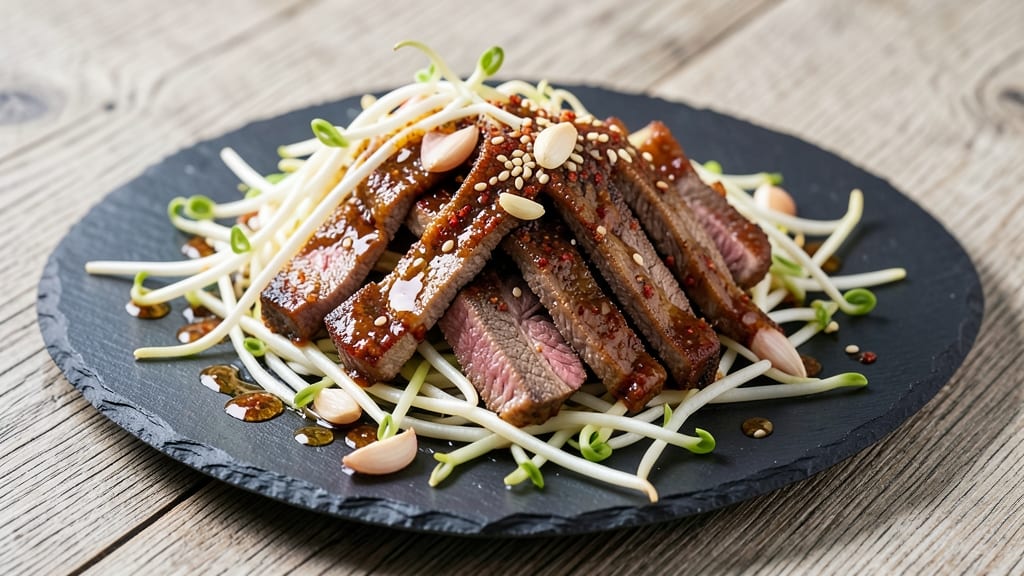
This bean sprout bulgogi recipe transforms humble bean sprouts into a sweet-spicy Korean crunch that rivals traditional meat versions. ✨ The secret lies in a vegetarian-friendly marinade packed with fermented flavors—no meat substitutes needed—while pan-frying creates that signature caramelized texture.
I developed this after discovering how well bean sprouts absorb marinades while adding satisfying texture, making it perfect for weeknight dinners or meal prep.
The beauty of this dish is its authentic yet adaptable nature. You'll start with a marinade of gochugaru (Korean chili flakes), soy sauce, and a touch of maple syrup for that signature sweet-spice balance, then quickly pan-fry the sprouts until crispy.
The result? A dish that's bold in flavor but light in calories, with a satisfying crunch that makes every bite exciting. It's the kind of recipe that proves vegetarian meals can be just as dynamic as their meat-based counterparts.
What makes this recipe truly special is how it comes together in just 25 minutes—ideal for busy weeknights. The bean sprouts develop a caramelized exterior while staying tender inside, perfectly complementing the complex marinade.
Serve it over steamed rice with a side of kimchi for an authentic Korean meal, or enjoy it as a standalone dish with a drizzle of sesame oil. The possibilities are endless, but the execution is simple.
This dish also works beautifully as a protein-packed side or even a budget-friendly main course when paired with other staples. The crispy texture and vibrant flavors make it equally at home on a lunch plate or as part of a larger spread.
Let's get cooking—your taste buds will thank you for this Korean-inspired twist on a classic.
Ingredients for bean sprout bulgogi
Sweet-spicy Korean flavors meet crispy bean sprouts in this vibrant vegetarian bulgogi.
| Ingredient | Amount | Notes |
|---|---|---|
| Bean Sprouts 🌱 | 4 cups | Fresh, trimmed and rinsed |
| Gochugaru (Korean Chili Flakes) 🌶️ | 2 tbsp | Adjust for heat preference |
| Soy Sauce 🥄 | ⅓ cup | Low-sodium preferred |
| Maple Syrup 🍁 | 2 tbsp | For authentic sweetness |
| Sesame Oil 🫒 | 1 tbsp | Toasted for aroma |
| Garlic Cloves 🧄 | 6 cloves | Minced for depth |
| Fresh Ginger 🌿 | 1 tbsp | Grated, for zing |
| Rice Vinegar 🍶 | 1 tbsp | White or seasoned |
| Neutral Oil (Avocado or Vegetable) 🫒 | 2 tbsp | For high-heat frying |
| Toasted Sesame Seeds 🌾 | 1 tbsp | For garnish, optional |
| Green Onions 🧅 | 3 whole | Thinly sliced, for freshness |
| Steamed White Rice 🍚 | 2 cups | Cooked, for serving |
| Kimchi 🥬 | ½ cup | For serving, optional |
The gochugaru is non-negotiable for that signature Korean heat—look for it in the international aisle at Whole Foods or H Mart. If you can't find it, substitute smoked paprika plus a pinch of cayenne, but the flavor won't be quite the same. Fresh bean sprouts are a must—they need to be crisp and vibrant, not wilted. Trim the ends before rinsing to remove any dirt. For the maple syrup, grade B is ideal—it's darker and more robust, but regular works in a pinch. The garlic and ginger should be freshly grated or minced right before marinating to preserve their brightness.
No sesame oil? Toasted sesame oil from a dark bottle is best, but regular sesame oil works in a bind. Want extra umami? Add 1 tsp soy sauce or dash of fish-free Worcestershire to the marinade. For a gluten-free version, swap soy sauce for tamari or coconut aminos. The bean sprouts should be pat dry before frying to get that perfect crisp. If you're short on time, microwave the sprouts for 2 minutes first to soften them slightly—they'll still crisp up in the pan. The green onions add a fresh contrast, so don't skip them unless you're sensitive to their bite.
This marinade keeps for 5 days in the fridge—make extra for stir-fries or noodles. The bean sprouts are best served immediately after frying, but they reheat well in a dry pan for 2-3 minutes. Store leftovers in an airtight container with a paper towel to absorb moisture. For meal prep, marinate the sprouts ahead but fry fresh—the texture suffers if pre-cooked. The rice and kimchi can be prepped separately and stored for up to 4 days. Freezing isn't recommended for the sprouts, but you can freeze the marinade for 3 months.
Why You'll Love This Recipe
- No-Chop Required: I swear by this trick—just toss those bean sprouts in whole. The quick stir-fry keeps them crisp-tender, and the gochugaru clings like magic. My lazy Sundays just got a flavor upgrade.
- Sweet Heat Magic: That maple syrup and gochugaru combo? It’s the kind of balance you’ll reach for again. The soy sauce adds depth, but the sesame oil finish—oh, it’s the little details that make this dish ridiculously good.
- Lunchbox Hero: Between us, this is my go-to for packed lunches. The flavors stay vibrant in containers, and it’s the one thing my kids actually eat from their bento boxes. (Yes, even on a Tuesday night.)
- Pantry Staple Power: You’re using things you already have—no specialty shopping needed. A handful of sprouts, a spoon of gochugaru, and boom: dinner’s sorted. My wallet and my fridge both thank me.
Step-by-step instructions for bean sprouts bulgogi
Here's how to transform simple bean sprouts into restaurant-quality bulgogi with bold flavors.
🍳 Step 1: Make the Sweet-Spicy Bulgogi Sauce
In a small bowl, whisk together the 0.33 cup soy sauce, 2 tbsp maple syrup, 1 tbsp rice vinegar, and 2 tbsp gochugaru (Korean chili flakes) until completely dissolved. This sauce is the heart of your dish—balance is key. If you prefer extra heat, add another ½ tbsp gochugaru, but start with the recipe as written for perfect harmony.
Next, add the 6 minced garlic cloves and 1 tbsp grated fresh ginger to the sauce mixture. Stir well to combine, then pour in the 1 tbsp sesame oil. The aroma will intensify immediately—this is your first taste of the finished dish. Let the sauce sit for 5 minutes while you prep the sprouts, allowing the flavors to meld together.
👨🍳 Step 2: Blanch and Season the Bean Sprouts
In a large pot, bring 4 cups water to a rolling boil. Add the 4 cups bean sprouts and cook for exactly 2 minutes—this preserves their crisp texture while softening them slightly. Drain immediately in a colander and rinse under cold water to stop the cooking process. Squeeze out any excess water with your hands or a clean kitchen towel.
Transfer the blanched sprouts to a large bowl. Pour the prepared bulgogi sauce over them and toss gently but thoroughly to coat every sprout. Let them marinate for 5 minutes while you heat your pan. This step ensures each bite packs maximum flavor without being soggy.
🔥 Step 3: Sear for Perfect Crisp-Tender Texture
Heat 2 tbsp neutral oil in a large skillet over medium-high heat until shimmering. Add the seasoned bean sprouts in a single layer, spreading them out evenly. Cook undisturbed for 3-4 minutes until they develop a beautiful golden-brown crust on the bottom. Here's the thing—don't stir too soon. You want that perfect caramelization before tossing.
Once the bottom layer is crispy, use a spatula to gently flip and toss the sprouts. Cook for another 2-3 minutes until they're evenly browned and heated through. The sprouts should be tender yet still hold their shape—if they're mushy, you overcooked them. Remove from heat immediately as they'll continue cooking from residual heat.
🥘 Step 4: Finish and Assemble
Return the cooked sprouts to their bowl. Drizzle with any remaining sauce from the pan (those flavorful bits stuck to the bottom are pure gold). Toss gently to combine, then sprinkle with 1 tbsp toasted sesame seeds and 3 thinly sliced green onions. The seeds add nutty crunch while the green onions provide fresh contrast.
Serve immediately over 2 cups steamed white rice, with 0.5 cup kimchi on the side for extra tang. The combination of crispy sprouts, sweet-spicy sauce, and cooling kimchi creates a perfect balance of textures and flavors that'll have you coming back for seconds.
Pro Tips For Making Bean Sprout Bulgogi
- Blanch Sprouts First: Toss the bean sprouts in boiling water for 30 seconds before stir-frying—this softens them just enough to absorb the marinade without turning mushy. I learned this the hard way after ending up with a pile of rubbery sprouts that refused to caramelize.
- Toast Gochugaru Dry: Heat the gochugaru in a dry pan for 30 seconds until fragrant—this deepens the chili flavor and mellows the raw heat. Skip this, and your bulgogi will taste sharp and underdeveloped, no matter how much soy sauce you add.
- Balance Sweet and Salty: Taste the marinade before tossing with sprouts—adjust the maple syrup to soy sauce ratio to 1:2 (or less). Too much syrup and the dish becomes cloying; too little, and the sweetness gets lost in the heat.
- Finish with Cold Oil: Drizzle sesame oil at the very end over low heat—it cools instantly and coats the sprouts evenly for that signature nutty aroma. Adding it early just burns it off, leaving you with a bland finish.
Best sauces and condiments for bean sprout bulgogi
Sweet-Spicy Sauce
The marinade is where this dish comes alive, blending 2 tbsp gochugaru for heat with 2 tbsp maple syrup for sweetness. I like to add 1 tbsp rice vinegar for brightness and 1 tbsp sesame oil for depth.
The key is balancing these flavors—start with the recipe as written, then adjust to taste. For extra umami, stir in ½ tsp fish-free Worcestershire sauce or a pinch of MSG if you have it. 🌶️
Sesame Oil Finish
Don’t skip the final drizzle of toasted sesame oil—it adds a nutty aroma that elevates the dish. I use 1 tbsp directly over the pan-fried sprouts right before serving.
For a smoky twist, swap in ½ tsp smoked paprika with the sesame oil. This step is non-negotiable for that authentic Korean touch.
Garnish Game-Changers
Fresh green onions and toasted sesame seeds are my go-to garnishes—they add crunch and visual appeal. Thinly slice 3 green onions and sprinkle over the top, then scatter 1 tbsp sesame seeds.
For a pop of color, add ¼ cup shredded red cabbage or cilantro leaves. These finishes make the dish feel restaurant-worthy.
Extra Flavor Boosters
Want to take it further? Stir 1 tsp grated pear into the marinade for natural sweetness, or add ½ tsp ground black pepper for warmth. For heat lovers, mix ½ tsp gochujang (fermented chili paste) into the sauce. These tweaks let you customize the depth without overpowering the bean sprouts.
Sauce Storage Tips
The marinade keeps for 5 days in the fridge—make extra for stir-fries or noodles. Store it in an airtight container, and reheat gently before using. For longer storage, freeze the sauce in ice cube trays** for easy portioning.
Just thaw and stir before marinating your sprouts. This saves time on busy weeknights! ✨
Nutrition facts
Frequently asked questions about bean sprout bulgogi
Can I use dried bean sprouts instead of fresh?
Fresh bean sprouts are ideal for this recipe—they hold their crisp texture perfectly when pan-fried. Dried sprouts won't work because they're already dehydrated and won't absorb the marinade properly. If you're short on time, you can use fresh mung bean sprouts (the most common type) or even snow peas as a substitute, though the texture will differ slightly. Always choose sprouts that are firm and vibrant in color.
How do I adjust the spice level?
The recipe uses 2 tbsp gochugaru for a balanced heat. For milder flavor, reduce to 1 tbsp and add ½ tsp sugar to compensate. If you love spice, increase to 3 tbsp gochugaru or add ½ tsp gochujang (fermented chili paste) for deeper heat. Remember, the bean sprouts absorb flavors quickly, so taste the marinade before coating them fully.
Can I make this recipe ahead of time?
While the marinade keeps well for 5 days in the fridge, the bean sprouts are best cooked fresh for maximum crispness. You can prep the sauce ahead and store it separately. For meal prep, blanch and marinate the sprouts up to 24 hours ahead, then cook them fresh when ready to serve. If reheating, cook in a dry pan for just 2-3 minutes to restore crispness.
What's the best way to get crispy bean sprouts?
The secret is high heat and proper drying. Pat the blanched sprouts completely dry before marinating, then spread them in a single layer in the pan. Cook undisturbed for 3-4 minutes until golden brown before stirring. If your pan isn't hot enough, the sprouts will steam instead of crisp. A cast-iron skillet works best for even heat distribution.
Are there gluten-free alternatives?
Yes! Swap the soy sauce for tamari or coconut aminos (both gluten-free). Check that your gochugaru is also gluten-free, as some blends contain wheat. For extra umami without soy, add 1 tsp mushroom powder or ½ tsp nutritional yeast to the marinade. The recipe remains delicious while being completely gluten-free.