
Side Dishes
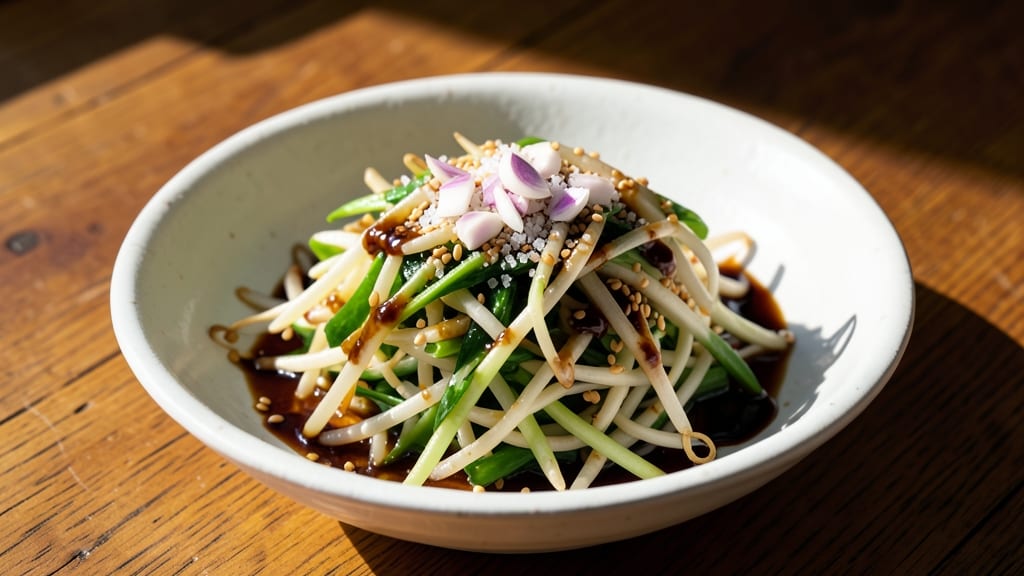
This bean sprout banchan Korean recipe delivers the perfect balance of crisp-tender texture and bold soy-garlic flavor that elevates every Korean meal. The secret lies in a quick soak and blanch that preserves freshness while the seasoning transforms simple bean sprouts into a vibrant, restaurant-quality side dish.
What makes this recipe truly special is its versatility—it's as satisfying as a standalone snack as it is essential when paired with rice, grilled meats, or fermented dishes.
The preparation is straightforward but precise: soaking the sprouts removes excess starch, while blanching ensures they stay crisp rather than mushy. The seasoning—soy sauce, sesame oil, minced garlic, and a touch of sugar—creates that signature umami depth with just the right amount of heat if you add chili flakes.
This banchan isn't just a side; it's a flavor bridge that connects every bite of your Korean feast.
What you'll end up with is a dish that's crisp-tender on the outside with a satisfying snap, while the interior remains juicy and fresh.
The aromas of toasted sesame and garlic will fill your kitchen, and the visual contrast of bright green sprouts against the golden-brown edges makes it as appealing to serve as it is to eat.
Perfect for meal prep, this recipe keeps well in the fridge for up to 3 days, making it ideal for busy weeks.
Traditionally served at the start of Korean meals, this banchan is also vegan-friendly and packed with nutrients. Its light yet flavorful profile makes it a crowd-pleaser, whether you're cooking for family gatherings or simply adding depth to your weekly meals.
The best part? It takes just 20 minutes to prepare, proving that authentic Korean flavors don't require complicated techniques.
Ingredients for bean sprout banchan korean
Fresh bean sprouts, bold soy, and toasted sesame—simple ingredients for a restaurant-quality Korean side dish.
| Ingredient | Amount | Notes |
|---|---|---|
| Fresh Bean Sprouts 🌱 | 4 cups | Packed, trimmed ends |
| Kosher Salt 🧂 | 1 tsp | For soaking water |
| Cold Water 💧 | 4 cups | For soaking sprouts |
| Sesame Oil 🫒 | 1 tbsp | Toasted for aroma |
| Soy Sauce 🍶 | 2 tbsp | Korean or Japanese preferred |
| Garlic Cloves 🧄 | 4 cloves | Minced for seasoning |
| Toasted Sesame Seeds 🌿 | 1 tbsp | For garnish |
| Granulated Sugar 🍯 | 1 tsp | Balances flavors |
| Red Chili Flakes 🌶️ | ½ tsp | Optional for heat |
| Rice Vinegar 🍶 | 1 tbsp | For brightness |
| Vegetable Oil 🫒 | 1 tbsp | For blanching |
The bean sprouts are the star here—look for bright green, firm sprouts at the produce section. Korean markets often have the freshest supply, but any grocery store’s vegetable aisle works. Trim the tough ends before soaking, and don’t skip the soak—it removes excess starch so they stay crisp. For extra authenticity, grab Korean-style sesame oil (it’s toastier and more aromatic), but regular sesame oil works in a pinch. The garlic should be fresh—smell it first—and minced finely for that signature umami punch.
No sesame oil? Toast regular sesame seeds in a dry pan for 2 minutes and grind them into a paste with a pinch of salt. Swap soy sauce for tamari or coconut aminos if you need gluten-free. Running low on garlic? Garlic powder at half the amount works, but fresh is non-negotiable for that authentic flavor. The red chili flakes are optional, but if you add them, start with half a teaspoon—you can always add more. For a sweeter touch, swap sugar for honey or agave, though traditional recipes use sugar.
Blanched sprouts keep best in an airtight container in the fridge for 3 days, but they’ll lose crispness after day 2. For meal prep, blanch and season them ahead, then reheat in a dry pan for 2-3 minutes before serving. The sesame oil and rice vinegar can be mixed into the seasoning up to 2 days ahead, stored in a sealed jar. Garnish with extra sesame seeds just before serving—they add crunch and visual appeal. This dish reheats beautifully, making it perfect for busy weeks.
Why You'll Love This Recipe
- No-Chop Required: I swear, this is one of those "I can do this with my eyes closed" banchan. Just rinse the sprouts, pat them dry, and toss—no dicing, no peeling, no fuss. The salt and sesame oil do all the work while you sip your coffee.
- Umami Crunch Magic: That first bite? The crisp snap of fresh sprouts with the deep, salty-savory punch of soy sauce—it’s like a tiny flavor explosion. Honestly, I’ll take this over fussy salads any day, especially when it’s ready in minutes.
- Potluck Superstar: Between us, this is my go-to for gatherings. It’s light enough to balance heavy dishes but bold enough to stand alone. Drop it in a bowl with a drizzle of sesame oil, and suddenly you’ve got a crowd-pleaser that costs pennies.
- Fridge Workhorse: Make a big batch on Sunday, and you’ve got a week’s worth of banchan ready. It keeps perfectly for days—no weird textures, no wilting—just that same addictive crunch. My lazy nights thank me every time.
Step-by-step instructions for crisp-tender bean sprout banchan
Here's how to make this vibrant Korean side dish with perfect texture and bold flavors.
Prepare the Bean Sprouts for Perfect Texture
Rinse the 4 cups fresh bean sprouts thoroughly under cold water to remove any dirt or debris. Trim the tough ends by cutting about ½ inch from the bottom of each sprout. This ensures you get the tender parts only. Drain well in a colander and set aside.
In a large bowl, combine the 4 cups cold water and 1 teaspoon kosher salt, stirring until fully dissolved. Add the drained bean sprouts and soak for 15 minutes. This step removes excess starch and helps achieve that signature crisp-tender texture. After soaking, drain again and give them a quick rinse under cold water to remove any lingering saltiness.
Blanch the Sprouts for Crisp-Tenderness
Fill a large pot with 4 cups fresh water and bring to a rolling boil over high heat. Once boiling, add the 1 tablespoon vegetable oil - this prevents the sprouts from sticking together. Working in batches if needed, add the sprouts and cook for 2 minutes until just bright green and slightly softened but still firm to the bite.
Immediately drain the sprouts in a colander and rinse under cold water for 30 seconds to stop the cooking process. This quick blanching is crucial - it softens the sprouts just enough while maintaining their crisp texture. Spread them on a clean kitchen towel and gently pat dry. You want them damp but not soaking wet for the next step.
Create the Flavor-Packed Sauce
In a small bowl, whisk together the 2 tablespoons soy sauce, 1 tablespoon rice vinegar, 1 teaspoon granulated sugar, 0.5 teaspoon red chili flakes (if using), and 1 tablespoon toasted sesame oil. The sugar helps balance the saltiness while the vinegar adds brightness. Minced 4 garlic cloves should be added to this mixture and stirred well - you want them finely incorporated for even distribution.
Taste the sauce and adjust seasoning if needed. I like to add a pinch more sugar if the soy sauce is particularly salty, or a bit more vinegar for extra tang. This sauce is the heart of your banchan, so don't be shy about tasting as you go. The perfect balance should be savory, slightly sweet, with just a hint of heat from the chili flakes.
Toss and Finish with Aromatics
In a large mixing bowl, combine the blanched sprouts with the prepared sauce. Using clean hands or a pair of tongs, gently toss everything together until the sprouts are evenly coated. Let them marinate for 5 minutes at room temperature - this allows the flavors to penetrate while keeping that perfect texture.
Just before serving, sprinkle the 1 tablespoon toasted sesame seeds over the sprouts. Give everything one final toss to distribute the seeds evenly. The nutty aroma of the sesame seeds will elevate the dish to restaurant-quality banchan. Serve immediately while the sprouts are still crisp-tender and the flavors are vibrant.
Pro Tips For Making Bean Sprout Banchan Korean
- Rinse Sprouts Twice: Cold water is your friend here—drain the sprouts, swirl them in a fresh bowl of ice-cold water, then drain again. This removes dirt and excess starch, which keeps the texture crisp instead of slimy. (Yes, even if you’re impatient like me, take the extra 10 seconds.)
- Salt While Wet: Toss the drained sprouts with salt immediately after rinsing—no waiting. The salt draws out moisture, and when you later toss them with sesame oil, they’ll absorb flavor better and stay crunchy. Skip this, and you’ll end up with soggy, flavorless mush.
- Toss with Oil Fast: Once you add sesame oil, work quickly—coat the sprouts thoroughly but don’t let them sit. The oil should glisten, not pool. If you linger, the sprouts will soften before you even taste them. (Pro move: Use a bowl instead of a pan to avoid over-handling.)
- Soy Sauce Last: Add soy sauce after the oil has been absorbed—about 30 seconds before serving. This keeps the color bright and the flavor sharp, not muddy. Drizzle it on like you’re finishing a painting, not drowning the dish. (Your future self will notice the difference.)
Serving suggestions for bean sprout banchan korean
Traditional Korean Meal Pairings
This banchan shines when paired with classic Korean dishes. Serve alongside kimchi for a tangy contrast, or pair with bulgogi beef to balance the rich, sweet marinade. The crisp texture also complements grilled fish like saerangjeol (grilled sea bass) beautifully.
For a vegetarian spread, add kongnamul muchim (spicy soybean paste stew) or doenjang jjigae (fermented soybean paste stew) to round out the meal. 🍶
Rice Bowl Elevation
Transform simple white rice into a full Korean meal by serving this banchan alongside steamed jasmine rice. Add a soft-boiled egg (gyeran mari) and a few slices of pickled radish (danmuji) for a classic bapang (rice bowl) experience.
The crisp sprouts add freshness while the soy-garlic seasoning ties everything together. I love adding a drizzle of gochujang (Korean chili paste) for extra depth.
Snackable Appetizer Style
Serve this banchan as a crispy, flavorful appetizer before your main course. Arrange it on a wooden serving board with other small bites like mandu (Korean dumplings) or tteokbokki (spicy rice cakes).
The vibrant green color makes it visually appealing, while the bold flavors satisfy cravings. For a modern twist, pair with Korean-style fried chicken (yangnyeom chicken) for a fusion appetizer spread. 🌟
Meal Prep and Leftovers
This banchan keeps well for 3 days in an airtight container, making it perfect for meal prep. Store the seasoned sprouts separately from the sauce to maintain crispness. When reheating, toss with a ½ teaspoon sesame oil in a dry pan over medium heat for 2-3 minutes to restore texture.
I often pack it as a side for lunches with rice and protein like grilled chicken or tofu. The flavors actually deepen overnight!
Garnish and Presentation
Elevate your dish with simple garnishes. A sprinkle of toasted sesame seeds adds crunch and visual appeal, while thinly sliced green onions provide freshness. For extra flair, add a few crispy fried shallots or a drizzle of chili oil before serving.
Serve in a small ceramic bowl (like Korean banchan dishes) to keep the presentation authentic and inviting. 💫
Dietary Flexibility
This vegan-friendly banchan works perfectly in plant-based meals. Pair it with tofu stew (dubu jjigae) or tempeh bulgogi for a satisfying protein alternative. The soy-garlic flavor also complements vegan kimchi and mushroom dishes.
For gluten-free options, use tamari instead of soy sauce and ensure your sesame oil is certified gluten-free. It's a versatile side that fits any dietary need! 🌱
Nutrition facts
Frequently asked questions
Why do I need to soak the bean sprouts before cooking?
The 15-minute salt soak removes excess starch from the sprouts, which prevents them from turning mushy during cooking. This step is key to achieving that signature crisp-tender texture that makes Korean banchan so satisfying. Plus, it helps clean any dirt or debris from the sprouts for a fresher final dish.
Can I use frozen bean sprouts instead of fresh?
Fresh bean sprouts are ideal for this recipe, but if you must use frozen, thaw them completely first and pat them very dry before soaking. Frozen sprouts tend to release more water, which can dilute your seasoning. For best results, look for fresh sprouts at Korean markets or well-stocked grocery stores.
How spicy should this banchan be?
The recipe includes 0.5 teaspoon red chili flakes as a suggestion, but you can adjust to taste. For mild heat, reduce to ¼ teaspoon or omit completely. If you love spice, go up to 1 teaspoon or add a dash of gochugaru (Korean chili flakes) for deeper flavor. The key is balancing the soy and garlic notes with just enough heat.
Can I make this ahead of time for meal prep?
Yes! Store the blanched sprouts and sauce separately in airtight containers for up to 3 days. When ready to eat, toss them together and reheat in a dry pan over medium heat for 2-3 minutes to restore crispness. The flavors actually deepen overnight, making it perfect for busy weeks. Just add fresh sesame seeds before serving.
What if my bean sprouts turn out too soft?
Overcooking is the most common issue—stick to the 2-minute blanch time and rinse immediately in cold water to stop cooking. For extra crispness, spread them on a wire rack after blanching instead of patting with a towel. If they're already soft, try reheating them in a dry pan with a pinch of salt for 1-2 minutes to crisp up the edges.