
Soups & Stews
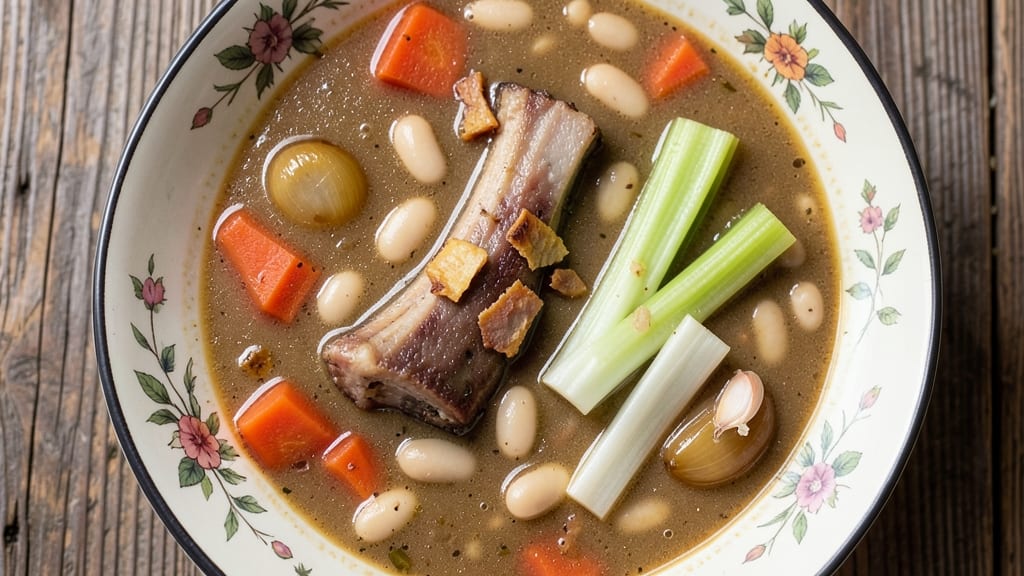
Transforming a leftover ham bone into a rich, smoky bean soup is one of those foolproof techniques that turns simple ingredients into something extraordinary.
The key lies in extracting every ounce of flavor from that bone—simmering it low and slow until the broth transforms from pale to deep amber, carrying layers of savory, smoky depth that elevates the entire dish.
This isn't just soup; it's comfort in a bowl, built on time and patience rather than shortcuts.
The beauty of this recipe is its versatility—you can use any dried beans, from hearty pinto to tender white beans, and adjust the vegetables based on what you have on hand.
The ham bone infuses the broth with a richness that no bouillon cube could replicate, while the vegetables soften into sweet, tender morsels that soak up the flavor.
Skimming the fat as it rises ensures a cleaner, more refined broth, though a little schmear of golden fat adds character if you prefer rustic depth.
What you'll end up with is a hearty, satisfying soup that tastes even better the next day as the flavors meld and deepen. The beans become tender yet retain their shape, the vegetables melt into the broth, and the ham bone contributes both substance and an unmistakable smokiness.
Serve it with crusty bread to soak up every last drop of that precious broth, or pair it with a simple green salad to balance the richness.
This recipe is perfect for weeknight dinners when you want something substantial but don't have time for elaborate prep. The one-pot method means minimal cleanup, and the flavors only get better with time—ideal for meal prepping or reheating leftovers.
Let's get started on creating a soup that tastes like a hug in a bowl.
Ingredients for bean soup recipe with leftover ham bone
That ham bone's got magic—turn it into rich, smoky bean soup with just these 13 ingredients.
| Ingredient | Amount | Notes |
|---|---|---|
| Leftover Ham Bone 🍖 | 1 whole | With meat attached for flavor |
| Dried White Beans 🌱 | 1 ½ cups | Soaked overnight or quick-soaked |
| Carrots 🥕 | 3 medium | Cut into 1-inch chunks |
| Celery Stalks 🧅 | 3 whole | Chopped into 1-inch pieces |
| Yellow Onion 🧅 | 1 whole | Quartered, skin on |
| Garlic Cloves 🧄 | 4 cloves | Smashed, not minced |
| Tomato Paste 🍅 | ¼ cup | For depth of flavor |
| Bay Leaves 🌿 | 2 whole | For aromatic depth |
| Fresh Thyme 🌿 | ¼ cup | Or 1 tsp dried thyme |
| Salt 🧂 | 1 ½ tsp | Adjust to taste |
| Black Pepper 🌶️ | ½ tsp | Freshly cracked |
| Olive Oil 🫒 | 2 tbsp | For initial sear |
| Water 💧 | 8 cups | Or low-sodium broth |
The ham bone is your secret weapon here. Look for one with meat still attached—that's where the flavor hides. Most grocery stores sell them in the deli section, or ask your butcher to save it for you. If yours is bone-dry, give it a quick rinse before roasting. Costco or Trader Joe's often have pre-roasted bones in the freezer section—those skip the first step. The beans? Any dried variety works—white, pinto, or even black beans. Just make sure they're not pre-cooked; those won't soften right. For the veggies, no need to be fancy—whatever's in the crisper will do.
No ham bone? Smoked paprika plus a splash of soy sauce can mimic that smoky depth, though nothing beats the real thing. Short on carrots? Substitute celery or parsnips—they'll give a similar sweetness. Fresh thyme is ideal, but dried works at one-third the amount. The tomato paste can be swapped for crushed tomatoes if you prefer, though it'll be less concentrated. For a meatier texture, add crumbled bacon or sausage at the end. And if you're using canned beans for speed, drain and rinse them well—no one likes mushy soup.
This soup only gets better with time—2-3 days in the fridge lets the flavors marry perfectly. Freeze portions for up to 3 months by storing in airtight containers. I always make a double batch because it reheats beautifully—just warm gently on the stove, stirring occasionally. The fat will rise to the top while chilling; skim or leave it depending on whether you want rustic richness or cleaner broth. Serve with crusty bread to soak up every last drop of that precious, smoky liquid gold.
Why You'll Love This Recipe
- Pantry Magic: I swear by this one when my fridge looks sad and the cupboard’s got nothing but dried beans and a ham bone staring back at me. No fancy shopping required—just chop, simmer, and let the bone work its magic.
- Deep Umami Bomb: That ham bone? It’s the secret weapon. The longer it simmers, the richer the broth gets—salty, smoky, with just enough sweetness from the caramelized onion. Honestly, I’ll take this over any store-bought bouillon any day.
- Leftovers That Beg for Seconds: This soup only gets better the next day. The beans soften just right, the veggies meld into the broth, and the ham bone’s flavor intensifies. I’ll be real: I’ve reheated it three times in a row without getting tired of it.
- Game Day or Lazy Night: Need something hearty for a football watch party? Done. Too tired to cook after work? Done. It’s the kind of soup that feels like a hug—warm, filling, and always welcome, whether it’s a weekday or a weekend.
Step-by-step instructions for bean soup with leftover ham bone
Transform that leftover ham bone into a soul-warming soup with rich broth and smoky flavor in one pot.
🍳 Step 1: Sear the Ham Bone for Deep Flavor
Heat the 2 tablespoons olive oil in a large Dutch oven over medium-high heat. Place the leftover ham bone in the pot, fat-side down, and sear for 5-7 minutes until the meat is golden brown and the bone releases a rich aroma. This step caramelizes the surface, locking in flavor that will infuse the broth.
Flip the bone and sear the other side for another 3-4 minutes. You'll see the meat brown and crisp slightly—this is your signal that the foundation of flavor is building. Remove the bone and set it aside (you'll return it later). Keep the rendered fat in the pot—it's pure flavor gold.
👨🍳 Step 2: Sauté Vegetables Until Softened
In the same pot, add the quartered yellow onion, chopped celery stalks, and carrot chunks. Cook over medium heat for 8-10 minutes, stirring occasionally, until the vegetables soften and the onion becomes translucent. This step develops their natural sweetness and removes any raw bite.
Add the smashed garlic cloves and cook for another 30 seconds until fragrant—you'll smell that unmistakable garlic aroma wafting through your kitchen. Be careful not to let it burn; burned garlic tastes bitter and ruins the dish. Stir in the 0.25 cup tomato paste and cook for 1 minute to deepen the sauce's richness.
🥘 Step 3: Build the Broth with Beans and Herbs
Add the 1.5 cups dried white beans (if quick-soaked, drain them first), 8 cups water, 2 whole bay leaves, and 0.25 cup fresh thyme. Return the ham bone to the pot, making sure it's fully submerged. Bring everything to a boil over high heat, then reduce to a simmer and cover partially.
Simmer for 1.5 hours until the beans are tender but not mushy. The broth should be rich and flavorful—if it looks too thin, reduce the heat slightly to prevent evaporation. Here's the thing: the longer it simmers, the deeper the flavor. Don't rush this step; patience pays off with a broth that tastes like it's been simmering all day.
⏰ Step 4: Season and Finish to Perfection
Remove the ham bone and let it cool slightly, then use a fork to shred the meat from the bone directly into the pot. Discard the bone. Stir in the 1.5 teaspoons salt and 0.5 teaspoon black pepper, tasting as you go. Adjust the seasoning to your preference—this soup should be hearty and satisfying.
Simmer uncovered for another 10-15 minutes to let the flavors meld and the broth thicken slightly. The soup is ready when the beans are tender, the broth is rich, and the aroma fills your kitchen with warmth. Serve hot with crusty bread to soak up every last drop of that smoky, savory goodness.
Pro Tips For Making Bean Soup Recipe With Leftover Ham Bone
- CRUSH THE HAM BONE FIRST: That leftover ham bone won’t render flavor if you just toss it in whole. Smash it with a meat mallet (or heavy pan) until it cracks—this exposes the marrow and speeds up the broth extraction. I used to skip this and wondered why my soup tasted like "ham-light."
- SOAK BEANS IN COLD WATER: Dried beans need a good 8+ hour soak in cold water—no hot water shortcuts. The cold water prevents the skins from splitting and keeps the texture creamy. (Yes, even if you’re impatient like me.) Drain and rinse before adding them to the pot.
- SAVE THE STALKS WHOLE: Celery and carrots don’t need chopping into tiny pieces—just rough dice them into ½-inch chunks. They’ll soften perfectly without turning to mush, and you’ll spend half the time prepping. (Bonus: fewer scraps to waste.)
- SIMMER LOW AND LONG: This isn’t a 30-minute meal. After the initial boil, drop the heat to a bare simmer (tiny bubbles, not rolling) and let it cook for at least 2 hours. The low heat breaks down the beans and ham bone properly—rushing it just makes the beans mealy. (Your taste buds will notice the difference.)
Creative variations of this bean soup recipe with leftover ham bone
Smoky Paprika Swap
No ham bone? No problem. Swap the bone's smoky depth with 1 tablespoon smoked paprika and 1 teaspoon soy sauce—they mimic that unmistakable charred flavor while adding umami richness.
Add them with the tomato paste during the sauté step. For extra depth, toss in ½ teaspoon liquid smoke (like A1 Steak Sauce) but use sparingly—it's potent! 🌶️
Spicy Kick Variations
Crank up the heat with 1-2 slices of jalapeño or ½ teaspoon cayenne pepper during the simmer. For a smoky-chili fusion, add 1 teaspoon chipotle powder with the paprika.
I love finishing with a splash of hot sauce (like Cholula) or crushed red pepper flakes at the table for customizable heat.
Vegetarian Adaptation
Skip the ham bone entirely and build flavor with 1 cup mushrooms (sautéed with the veggies) and 1 teaspoon miso paste (added with the tomato paste). For umami, add 1 tablespoon nutritional yeast or ½ cup diced tomatoes.
The broth will still be rich—just without the smoky undertones. Use vegetable broth instead of water for extra depth.
Protein Boosters
Make this soup heartier with ½ pound smoked sausage (like kielbasa) or 4 slices bacon (crumbled and cooked with the veggies). For a lighter option, stir in ½ cup cooked lentils or 1 cup shredded rotisserie chicken at the end.
The beans will soak up all the extra flavor like a sponge. 🍖
Global Twists
Give it a French bistro vibe by adding 1 sprig tarragon and ½ cup pearl onions. For Spanish-inspired flavor, swap thyme for rosemary and add 1 teaspoon smoked paprika.
A Mexican twist? Toss in 1 teaspoon cumin and ½ teaspoon oregano with the beans. Each variation keeps the soul of the soup but gives it a fresh cultural flair.
Seasonal Swaps
Summerize this soup with zucchini and corn (add in the last 10 minutes). For fall, swap carrots for sweet potatoes and add 1 cinnamon stick (remove before serving). Winter calls for rutabaga and kale—toss in the last 5 minutes to keep the greens vibrant.
Each seasonal swap keeps the soup hearty but celebrates what’s fresh. ❄️
Nutrition facts
Frequently asked questions
Can I use canned beans instead of dried? Yes, but adjust the cooking time! Use 2 (15-ounce) cans of white beans (like cannellini) and add them to the pot after the vegetables have softened. Simmer for just 15-20 minutes to heat through—no need for long cooking. Just
How do I know when the beans are done?
Test for doneness by mashing a bean between your thumb and finger—it should be tender but still hold its shape. For white beans, this usually takes 1-1.5 hours of simmering. Darker beans like pinto may need 10-15 extra minutes. Never overcook or they'll turn mushy and lose their texture.
What if my broth tastes too salty?
Add 1-2 cups fresh water or low-sodium broth and simmer for 10 minutes to dilute the salt. If that's not enough, stir in ½ cup unsalted tomato sauce or 1 cup chopped fresh vegetables (like zucchini or potatoes) to balance the flavor. Taste as you go—this soup should be hearty, not briny.
Can I make this soup in a slow cooker?
Sear the ham bone and sauté the vegetables as directed, then transfer everything to your slow cooker. Add 4 cups water (instead of 8) and cook on low for 6-7 hours or high for 3-4 hours. The low-and-slow method enhances the smoky depth even more. Just check the beans occasionally after 4 hours to avoid overcooking.
Why does my soup have a skin on top?
That's just fat and proteins rising to the surface—completely normal! Skim it off with a spoon before serving for a cleaner broth, or leave it for extra richness. For a smoother finish, chill the soup overnight and remove the hardened fat layer in the morning. It won't affect the flavor, just the texture.