
Main Courses
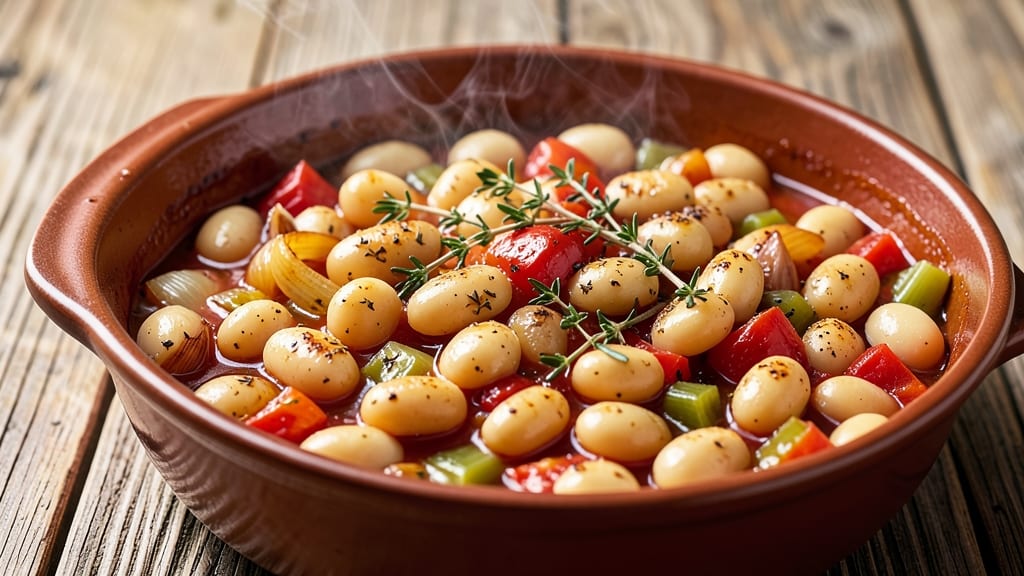
This bean ragout recipe transforms humble ingredients into a deeply flavorful, tomato-rich stew that feels like a hug in a bowl. The secret lies in slow simmering—where dried beans soften, vegetables caramelize, and herbs infuse into a velvety sauce that clings to every bite.
I developed this version after years of testing, balancing traditional French techniques with modern shortcuts to deliver restaurant-quality results at home.
The foundation begins with high-quality dried beans (like cannellini or borlotti) that soak overnight for tender, creamy texture. Sautéed onions, garlic, and celery form the aromatic base, while tomatoes—fresh or canned—provide the rich, tangy backbone.
Aromatic herbs (thyme, bay leaf, and parsley) elevate the dish without overpowering, and a splash of red wine adds depth for those who want it.
What you’ll end up with is a hearty, well-balanced dish that’s as satisfying as it is elegant—perfect for weeknight dinners or special occasions. The beans become tender yet substantial, the vegetables melt into the sauce, and the herbs shine through in every spoonful.
Serve it with crusty bread to soak up the sauce or alongside roasted potatoes for a complete meal.
For dietary flexibility, this recipe easily adapts: swap the wine for vegetable broth for a vegan version, or use gluten-free flour in the roux if needed. The beauty of ragout lies in its versatility—it’s hearty enough for a main course but simple enough to make regularly. Let’s get cooking!
Ingredients for bean ragout
Transform humble pantry staples into a restaurant-worthy bean ragout with these carefully selected ingredients.
| Ingredient | Amount | Notes |
|---|---|---|
| Dried Cannellini Beans 🌾 | 1 ½ cups | Soaked overnight, drained |
| Yellow Onions 🧅 | 1 whole | Diced, medium size |
| Celery Stalks 🥬 | 3 whole | Diced, with leaves |
| Garlic Cloves 🧄 | 4 cloves | Minced, fresh preferred |
| Canned San Marzano Tomatoes 🍅 | 2 cups | Crushed by hand |
| Fresh Thyme Sprigs 🌿 | 2 whole | Leaves only, stems removed |
| Bay Leaves 🍃 | 2 whole | Dried or fresh |
| Fresh Parsley 🌿 | ¼ cup | Chopped, flat-leaf preferred |
| Dry Red Wine 🍷 | ½ cup | Bold Cabernet or Merlot |
| Vegetable Broth 💧 | 2 cups | Low-sodium preferred |
| Extra-Virgin Olive Oil 🫒 | ½ cup | For sautéing |
| All-Purpose Flour 🌾 | 2 tbsp | For thickening sauce |
| Salt 🧂 | 1 ½ tsp | Diamond Crystal preferred |
| Black Peppercorns 🌶️ | ½ tsp | Freshly cracked |
| Fresh Tomato Paste 🍅 | 2 tbsp | Squeeze tube preferred |
The foundation begins with high-quality dried cannellini beans—Whole Foods or bulk bins at natural markets yield the best texture. Soak them overnight in plenty of water with a pinch of salt to prevent bloating. For the aromatic base, yellow onions and celery should be fresh, with crisp whites and no browning. San Marzano tomatoes are non-negotiable for their sweet, meaty texture—Trader Joe's carries them year-round. The thyme and bay leaves should be vibrant; dried herbs work in a pinch but fresh infuses more complexity. If using wine, opt for a bold Cabernet or Merlot—the tannins marry beautifully with the tomatoes.
No red wine? Vegetable broth with a splash of balsamic vinegar mimics the depth perfectly. Fresh thyme unavailable? Dried at one-third the amount delivers similar earthiness. Prefer a smoother texture? Blend half the cooked beans before adding them back to the pot. The tomato paste can be substituted with fresh tomatoes puréed, though canned offers consistent flavor. For a gluten-free version, use cornstarch or arrowroot powder to thicken the sauce instead of flour. The celery leaves add subtle bitterness—don't discard them!
Beans keep in the fridge for 5 days once cooked, though the ragout tastes even better the next day as flavors meld. Freeze portions in airtight containers for up to 3 months—simply thaw and reheat. For meal prep, double the batch and store components separately: beans, vegetables, and sauce. Reheat gently on low to preserve the sauce's velvety texture. Whole Foods sells pre-soaked beans if you're short on time, though homemade soaking yields superior texture. Always taste as you go—adjust salt gradually to avoid over-seasoning.
Why You'll Love This Recipe
- Here’s what sold me: the way San Marzano tomatoes caramelize with garlic and onions until they’re almost jammy. The cannellinis soak up that sweetness like a sponge, giving you that rich, velvety texture without a drop of cream. Honestly, it’s the kind of dish where you’ll pause mid-bite just to appreciate how good it tastes.
- No-Fuss Soak: I’ll admit—I used to dread soaking beans. Then I discovered this trick: just toss dried cannellinis in a pot with onions, celery, and water, let them simmer until tender. No fancy prep, no straining, and the flavors meld right in the same pot. That’s 15 minutes less work for me, every time.
- Tomato-Garlic Magic: Here’s what sold me: the way San Marzano tomatoes caramelize with garlic and onions until they’re almost jammy. The cannellinis soak up that sweetness like a sponge, giving you that rich, velvety texture without a drop of cream. Honestly, it’s the kind of dish where you’ll pause mid-bite just to appreciate how good it tastes.
- Meal Prep MVP: Between us, this is my go-to for busy weeks. Make a big batch on Sunday, and you’ve got lunch for three days—toss it with crusty bread, over rice, or even in a sandwich. My daughter picks out the "best" jar for her school lunch, but still asks for seconds. (Yes, even on a Tuesday night.)
Step-by-step instructions for deep-simmered tomato and herb ragout
This method delivers restaurant-quality depth through slow development and precise technique.
Sauté the Aromatic Vegetable Base
Heat the 0.5 cup extra-virgin olive oil in a heavy Dutch oven over medium heat until shimmering. Add the 1 whole diced yellow onion and 3 whole diced celery stalks (with leaves), stirring occasionally for 8-10 minutes until softened and translucent.
The key here is patience—you want the vegetables to cook down and release their natural sugars before adding anything else. I press down gently with a wooden spoon to break up any dense pieces, ensuring even cooking. When they're tender and beginning to caramelize slightly at the edges, you're ready for the next step.
Build Flavor with Garlic, Tomato Paste, and Wine
Add the 4 minced garlic cloves and cook for 30 seconds until fragrant—don't let them brown or they'll turn bitter. Stir in the 2 tbsp fresh tomato paste and cook for another 1 minute to develop its rich flavor.
Pour in the 0.5 cup dry red wine and scrape up any browned bits from the bottom of the pot with a wooden spoon. This deglazing captures all the concentrated flavor that would otherwise go to waste. Let the wine simmer for 2-3 minutes until reduced by half, intensifying its depth.
Incorporate Tomatoes and Herbs for Deep Flavor
Add the 2 cups crushed San Marzano tomatoes, 2 whole bay leaves, and 2 whole thyme sprigs (leaves only). Stir in the 1.5 tsp salt and 0.5 tsp freshly cracked black peppercorns, then bring to a gentle simmer. Partially cover and cook for 15 minutes to allow the tomatoes to break down and release their natural sweetness.
This simmering period is crucial—it develops the tomato's flavor and allows the herbs to infuse the base. I stir occasionally to prevent sticking, but avoid aggressive stirring which can break down the tomatoes too quickly. The sauce should reduce slightly and develop a glossy sheen.
Thicken and Finish with Flour and Broth
Sprinkle the 2 tbsp all-purpose flour over the simmering mixture and stir vigorously for 1-2 minutes to create a smooth paste. This step thickens the sauce and removes any potential raw flour taste. Pour in the 2 cups vegetable broth gradually while stirring constantly to prevent lumps.
Bring the mixture back to a simmer and cook uncovered for 10-12 minutes until the sauce thickens to your desired consistency. You want it to coat the back of a spoon but still be spoonable—not gluey. Taste and adjust seasoning if needed, remembering that the beans will add their own flavor.
Simmer the Beans to Perfect Tenderness
Add the 1.5 cups soaked and drained cannellini beans and stir gently to combine. The beans should be fully submerged in the sauce. Bring to a gentle simmer, then reduce heat to low and cook uncovered for 45-50 minutes, stirring occasionally.
You'll know they're done when the beans are fork-tender with just a slight bite remaining. The sauce should be rich and velvety, clinging to the beans. Remove the bay leaves and thyme sprigs before serving. Stir in the 0.25 cup chopped fresh parsley just before serving to brighten the dish with fresh herb notes.
Pro Tips For Making Bean Ragout
- SOAK BEANS OVERNIGHT: I used to rush the soaking—big mistake. Cannellini beans soften unevenly, leaving some rock-hard while others turn mushy. Skip the quick-soak hack: just toss them in cold water with a bay leaf and let them sit 12+ hours. No extra effort, but they’ll break down perfectly and taste richer.
- SWEAT ONIONS LOW AND SLOW: That sizzling sound? Bad news. Onions burn fast, and charred bits make the ragout bitter. Use medium-low heat and stir every 30 seconds until they’re translucent but not golden. Patience here means the whole dish won’t taste like a campfire.
- CRUSH TOMATOES BY HAND: I know, blenders are easier, but San Marzano tomatoes deserve respect. Smash them with your fingers—skin, seeds, and all—to release their natural sweetness. The texture stays chunky but silky, and you avoid that sad, watery pulp that ruins the balance.
- SALT THE BEANS MID-COOK: Adding salt at the start makes the beans tough. Wait until they’re tender but still firm, then season generously. This keeps them creamy inside and prevents them from turning to glue. (Yes, even if you’re impatient like me.)
Perfect pairings for bean ragout
Crusty Bread Pairing
Nothing complements bean ragout like warm, crusty bread to soak up that luscious sauce. I love using a baguette or sourdough—the crisp exterior contrasts beautifully with the soft interior. For extra authenticity, try a ciabatta with its airy holes that trap the ragout's rich flavors.
Toast the bread lightly before serving to enhance its crunch and prevent it from getting soggy too quickly.
Roasted Potatoes
For a heartier meal, serve your ragout alongside roasted baby potatoes tossed in extra-virgin olive oil, garlic powder, and fresh rosemary. Roast them at 400°F for 30 minutes until golden and crispy.
The potatoes add a satisfying texture contrast to the creamy beans, while their earthy flavor complements the ragout's tomato richness. I often double the ragout recipe to make it a full main course.
Simple Green Salad
A bright arugula salad with a lemon vinaigrette cuts through the ragout's richness perfectly. Toss 4 cups baby arugula with 2 tbsp olive oil, 1 tbsp fresh lemon juice, and a pinch of flaky sea salt.
Add thinly sliced radishes or shaved fennel for extra crunch. The peppery bite of arugula balances the dish's heartiness, making each bite feel fresh and balanced.
Cheese Board
For a more indulgent pairing, set out a small cheese board with options like aged pecorino, creamy goat cheese, and sharp cheddar. These cheeses add another layer of flavor that pairs wonderfully with the ragout's tomato and herb notes.
Include cured meats like prosciutto for a non-vegetarian option, or marinated artichokes for a vegetarian twist. Serve with grape tomatoes and olives for a complete Mediterranean-inspired spread.
Wine Recommendations
A bold red wine like Chianti or Pinot Noir enhances the ragout's deep tomato and herb flavors. The acidity in Chianti cuts through the richness, while Pinot Noir's earthy notes complement the dish's complexity.
For white wine lovers, a dry Vermentino offers a refreshing contrast. If you prefer beer, a crisp lager or wheat beer cleanses the palate between bites without overpowering the ragout's flavors.
Nutrition facts
Frequently asked questions
Can I use canned beans instead of dried for this ragout?
Yes, but adjust the cooking time and liquid. Use 2 (15 oz) cans of drained cannellini beans and add 1 extra cup of broth to prevent drying. Simmer for 20-25 minutes instead of 45-50 minutes—just until heated through. The texture will be slightly softer than dried beans, but still delicious!
What can I substitute if I don't have red wine?
For equal depth, use 1 cup vegetable broth + 1 tbsp balsamic vinegar or ½ cup apple cider + 1 tsp soy sauce. Both combinations mimic wine's acidity and umami. If you're vegan, skip the wine entirely and use ½ cup tomato paste + ½ cup broth for richness.
How do I make this ragout gluten-free?
Replace the 2 tbsp flour with 2 tbsp cornstarch or arrowroot powder mixed with 2 tbsp cold water. Stir this slurry into the simmering sauce instead of flour. The sauce will still thicken beautifully without gluten. For extra insurance, check your broth and tomato paste labels for hidden gluten.
Can I make this ragout in a slow cooker?
Follow the same steps until adding the beans, then transfer everything to a 6-quart slow cooker. Cook on low for 6-7 hours or high for 3-4 hours. The slow cooker enhances the flavors even more. Stir occasionally and add a splash of broth if it gets too thick. Perfect for hands-off cooking!
Why does my ragout taste bland?
Blandness usually comes from insufficient simmering or under-seasoning. Let the ragout reduce uncovered for 10 extra minutes to concentrate flavors. Taste and adjust with salt, black pepper, or a pinch of sugar to balance acidity. Fresh herbs at the end also brighten the dish.