
Soups & Stews
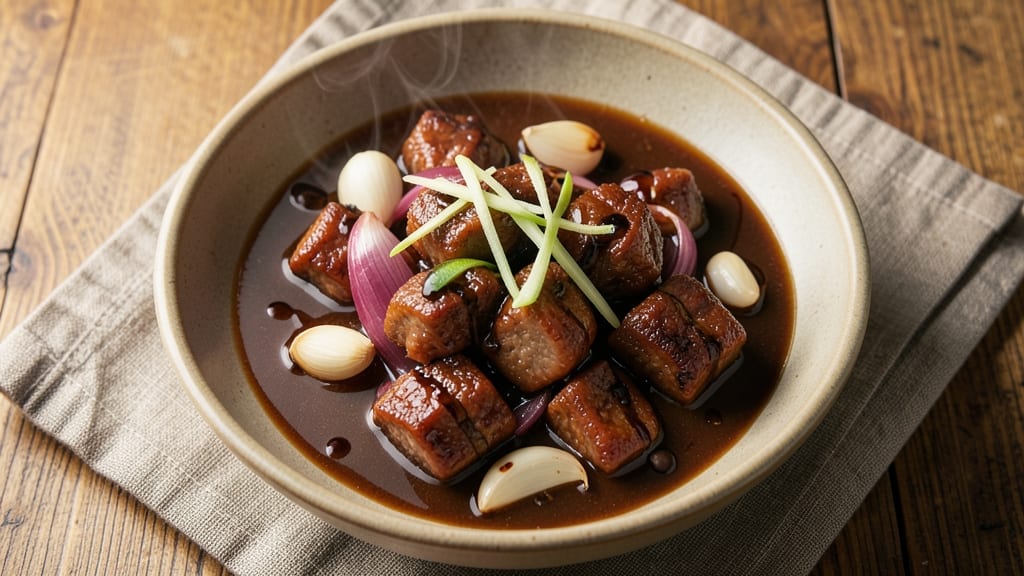
This Korean bean paste stew delivers the kind of deep, smoky umami flavor that transforms simple ingredients into something extraordinary. The rich, caramelized bean paste (kongnamul) forms the heart of this dish, creating a sauce that's both savory and subtly sweet—perfect for hearty weeknight dinners or special occasions.
What makes this recipe special is how it balances traditional techniques with approachable steps, ensuring you can achieve restaurant-quality results at home.
The magic happens during the slow simmer, where the bean paste develops its signature depth and the proteins—whether pork, beef, or tofu—become tender and infused with flavor. This stew is incredibly versatile, allowing you to adjust the spice level to your preference while keeping the core umami richness intact.
The result is a dish that's comforting, satisfying, and packed with layers of flavor that linger long after the last bite.
By the time you're done, you'll have a steaming bowl of stew with tender meat or tofu swimming in a glossy, caramelized sauce that's rich yet balanced.
The aroma alone will have everyone at the table asking for seconds, and the texture—soft yet substantial—makes it a meal you'll want to return to again and again. Serve it over steamed rice for the full Korean dining experience, or enjoy it as-is with a side of kimchi for contrast.
This recipe is designed to be both foolproof and flexible, making it ideal for beginners and experienced cooks alike. The slow cooking process ensures maximum flavor extraction, while the simple ingredients keep it accessible.
Whether you're introducing someone to Korean cuisine or adding a new dish to your rotation, this bean paste stew is sure to impress. Let's get started!
Ingredients for bean paste stew korean
These simple yet powerful ingredients create a rich, smoky Korean bean paste stew that's hearty and full of umami.
| Ingredient | Amount | Notes |
|---|---|---|
| Korean Bean Paste (Kongnamul) 🥜 | ½ cup | Store-bought or homemade paste |
| Pork Shoulder 🥩 | 1 ½ lb | Boneless, cut into 1-inch chunks |
| Onion 🧅 | 1 whole | Yellow or white, sliced |
| Garlic Cloves 🧄 | 6 cloves | Minced, for depth of flavor |
| Fresh Ginger 🌿 | 1 tbsp | Grated, for aromatic warmth |
| Soy Sauce 🍶 | ¼ cup | Korean or Japanese preferred |
| Rice Wine 🍶 | ¼ cup | Mirin or sweet cooking wine |
| Sugar 🍯 | 2 tbsp | White or brown, for balance |
| Sesame Oil 🫒 | 1 tbsp | Toasted, for nutty aroma |
| Vegetable Oil 🫒 | 2 tbsp | For initial searing |
| Water 💧 | 2 cups | For simmering the stew |
| Green Onion 🧅 | ¼ cup | Sliced, for garnish |
| Salt 🧂 | 1 tsp | Kosher or sea salt |
| Black Pepper 🌶️ | ½ tsp | Freshly ground |
| Optional Chili Flakes 🔥 | ½ tsp | Adjust for heat preference |
The bean paste is the soul of this dish—Kongnamul is what you're looking for, the fermented soybean paste that gives it that deep, caramelized flavor. Asian grocery stores usually carry it, but if you can't find it, Gochujang (Korean chili paste) mixed with a little sugar works in a pinch. For the pork, boneless shoulder is ideal—it stays tender during the long simmer. If you're vegetarian, swap in extra-firm tofu or mushrooms for a plant-based version. The ginger and garlic? Fresh is non-negotiable here—dried just won't cut it for that aromatic punch.
No rice wine? Dry sherry or even a splash of apple juice will get you close, though the sweetness will be slightly different. Running low on sesame oil? Toasted sesame seeds ground into a paste work too—just add a little oil to help it blend. The soy sauce matters here—Korean or Japanese brands have that perfect balance of salt and umami. If you're using a vegetarian protein, marinate it in a little of the soy sauce and rice wine before adding it to the pot. And if you're feeling adventurous, add a splash of fish sauce for extra depth, but skip it if you're keeping it fully vegetarian.
This stew tastes even better the next day—plan ahead and make it for a dinner party. Keeps in the fridge for 4-5 days in an airtight container, and freezes beautifully for up to 3 months. When reheating, add a splash of water to prevent it from thickening too much. Serve it over steamed rice, and trust me—everyone will ask for the recipe. The leftovers reheat perfectly, so make extra if you can. Store the bean paste in the fridge once opened, and it'll last for up to a year in the freezer.
Why You'll Love This Recipe
- Minimal Chopping Required: The pork shoulder is the star—just cut it into chunks, no fancy technique needed. Onion and garlic? Two quick minces, and you’re done. That bean paste does the heavy lifting of flavor.
- Deep Umami Magic: Honestly, the moment that pork shoulder melts into the bean paste? Rich, earthy, with just enough ginger kick to wake it up. It’s the kind of taste that lingers and makes you want seconds.
- Leftovers That Shine: This stew tastes even better the next day—yes, really. Reheat it, add a splash of water, and it’s heartier than ever. Pack it for lunches, or freeze portions for those nights you’d rather be on the couch.
- Budget-Friendly Feast: Pork shoulder stretches for miles, and that jar of bean paste? It’s the secret weapon. A single batch feeds four easily, and you’ll spend less than you would on takeout. (Between us, it’s way tastier.)
Step-by-step instructions for Korean bean paste stew
Here's how to build this rich, umami-packed stew with layers of smoky depth and tender pork.
Sear the Pork Shoulder for Maximum Flavor
Heat the 2 tablespoons vegetable oil in a large Dutch oven over medium-high heat until shimmering. Working in batches if needed, add the 1.5 lb pork shoulder cut into 1-inch chunks, spreading them in a single layer. Let them sear undisturbed for 3-4 minutes until deep golden brown on all sides.
Don't crowd the pan—this is where the magic happens. The caramelized crust locks in flavor and creates that signature smoky depth. Once all pork is browned, transfer it to a plate and set aside. You'll notice the pork releases easily from the pan when properly seared.
Build the Aromatic Base
In the same Dutch oven, reduce heat to medium and add the 1 whole onion sliced into half-moons. Cook for 5 minutes until softened and beginning to caramelize. Add the 6 cloves minced garlic cloves and 1 tablespoon grated fresh ginger, stirring constantly for 30 seconds until fragrant.
Here's where the foundation forms. The onions should be golden at the edges, not burnt. If they stick, add a splash of water and scrape up those flavorful browned bits from the bottom. These bits, called fond, are packed with umami that will infuse your stew.
Bloom the Kongnamul and Add Liquids
Stir in the 0.5 cup Korean Bean Paste (Kongnamul) and cook for 1-2 minutes until it darkens slightly and releases its nutty aroma. This step is crucial—it deepens the stew's complexity. Pour in the 0.25 cup soy sauce, 0.25 cup rice wine, and 2 cups water, scraping up any browned bits from the bottom.
Bring the mixture to a gentle simmer, then add the seared pork back to the pot. The liquid should just cover the pork. If it's too thin, add a splash more water. The stew will thicken as it simmers, so we want it slightly under-covered initially.
Simmer Until Tender and Flavorful
Partially cover the Dutch oven and simmer over low heat for 1.5-2 hours, stirring occasionally. You'll know it's ready when the pork is fork-tender and falls apart easily. The sauce should be thick enough to coat the back of a spoon but still spoonable.
Here's the thing—patience pays off. The longer it simmers, the more the flavors meld together. If the sauce reduces too much, add 1-2 tablespoons water at a time to maintain the right consistency. The pork should be falling apart when pierced with a fork, but not mushy.
Finish with Seasonings and Garnish
Remove from heat and stir in the 2 tablespoons sugar, 1 tablespoon sesame oil, 1 teaspoon salt, 0.5 teaspoon black pepper, and 0.5 teaspoon optional chili flakes (if using). The sugar balances the savory flavors while the sesame oil adds a nutty aroma. Taste and adjust seasoning—you might need a touch more salt or soy sauce.
Let the stew rest for 10 minutes before serving. This allows the flavors to settle and the pork to absorb any remaining sauce. Ladle into bowls and garnish with 0.25 cup sliced green onion. Serve hot with steamed rice to soak up that rich, umami-packed sauce.
Pro Tips For Making Bean Paste Stew Korean
- Brown the Pork First: Don’t skip this step—crispy pork bits anchor the stew. Cut the shoulder into 1.5-inch chunks, then sear them in a hot pot (no oil needed) until deep brown on all sides. The Maillard reaction here is what turns this from good to actually flavorful.
- Blend Your Kongnamul: Store-bought kongnamul paste is fine, but homemade makes a difference. Toast dried soybean powder in a dry pan for 3–4 minutes until nutty, then blend with water until smooth. The toasted flavor cuts through the pork’s richness better than untoasted.
- Simmer Low and Slow: After adding the kongnamul paste and broth, reduce heat to the lowest setting—this isn’t a race. Let it bubble gently for 45–60 minutes. Rushing turns the paste gritty and the pork tough. A lid helps, but leave it slightly ajar to evaporate excess moisture.
- Grate the Ginger Fine: No food processor? Use a microplane. Fresh ginger’s texture matters—lumpy bits sit like gravel in your stew. For 2 cloves, aim for a tablespoon of shredded ginger. It dissolves into the sauce, adding warmth without chunks. (Yes, even if you’re impatient like me.)
Regional styles of this recipe
Jeonju-Style Kongnamul Guk
In Jeonju, Korea's cultural heart, this stew is a staple at local hanok (traditional houses) and street food stalls. The Jeonju version uses pork belly instead of shoulder, cut into larger chunks for a richer, fattier texture.
The city's famous bibimbap culture influences this stew's balance—sweet, salty, and umami notes harmonize perfectly. Look for Jeonju-style kongnamul at specialty markets, which has a slightly sweeter profile. 🥘
Spicy Pusan-Style Variation
Busan's coastal climate inspires this fiery twist, where gochugaru (Korean chili flakes) are mixed directly into the kongnamul paste before cooking. Add 1 tbsp gochugaru per serving and a splash of fish sauce for depth.
The stew becomes a vibrant red and packs serious heat—ideal with cold soju to cut through the spice. Busan chefs often finish with a drizzle of perilla oil for an earthy aroma.
Vegetarian Seoul Style
Seoul's modern approach replaces pork with shiitake mushrooms and tofu for texture. Marinate the tofu in 1 tbsp soy sauce + 1 tsp rice wine before adding to the stew. Use dried shiitakes rehydrated and sliced for umami depth.
The kongnamul's natural sweetness shines here, balanced by 1 tsp grated pear (a Korean classic) for brightness. Serve with kimbap instead of rice for a contemporary twist. 🌱
Winter Solstice Special
During Dongji (Winter Solstice), Koreans prepare this stew with year-old kongnamul for enhanced fermentation depth. Add 1 tbsp black bean paste and 5 dried jujubes for sweetness. The longer simmer time (up to 3 hours) develops a deeper, almost caramelized sauce.
This version is traditionally served with mandu (dumplings) and kongguksu (bean sprout soup) for a complete meal. The contrast of hot stew with cold kimchi is a must during Korea's coldest months.
Regional Bean Paste Swaps
Each region has its kongnamul variation: Gyeonggi-do uses a lighter paste, while Gangwon-do prefers a darker, smokier version. For a Jeolla-do twist, substitute 2 tbsp doenjang (soybean paste) for half the kongnamul—this adds a funkier, more complex flavor.
If you can't find regional pastes, mix kongnamul with 1 tsp miso paste for a similar effect. Always taste and adjust—regional pastes vary widely in saltiness. 🌎
Modern Fusion Adaptation
For a contemporary take, add 1 cup baby spinach in the last 5 minutes of cooking to wilt slightly. Top with crispy fried shallots and a sprinkle of toasted sesame seeds for texture contrast.
Some chefs in Seoul serve this with warm naan instead of rice, creating a fusion that bridges Korean and Indian flavors. The key is keeping the kongnamul's richness as the centerpiece while adding complementary elements. 💡
Nutrition facts
Frequently asked questions
What's the best protein to use for this Korean bean paste stew?
Pork shoulder works perfectly, but you can also use beef chuck or even firm tofu for a vegetarian version. For extra richness, try pork belly (Jeonju-style), but it requires longer cooking. Chicken thighs work too, though they'll be slightly lighter in flavor. Always cut proteins into 1-inch chunks for even cooking.
Can I make this stew without rice wine?
Yes! Use dry sherry or apple juice as a substitute—both add sweetness that balances the savory flavors. For a non-alcoholic option, try white grape juice or even a splash of pineapple juice. Just reduce the sugar slightly since these liquids are naturally sweet.
Why does my stew taste too salty?
Kongnamul and soy sauce are both salty, so taste as you go! If it's too strong, dilute with 1/4 cup water and simmer 5 more minutes. For a quick fix, add 1/2 cup steamed rice (it absorbs salt) or a splash of rice vinegar to balance. Always taste before adding more salt.
How do I store and reheat leftovers?
Store in an airtight container for 4-5 days in the fridge or 3 months in the freezer. To reheat, add 1-2 tbsp water per cup of stew and simmer gently—this prevents thickening. Never microwave directly from frozen; thaw overnight first for best texture.
What sides pair best with this stew?
Steamed white rice is classic, but try kimchi for tangy contrast or mandu (dumplings) for a hearty meal. For freshness, add spinach or bok choy sautéed in sesame oil. The stew's richness also pairs well with pickled radish or cucumber banchan.