
Soups & Stews
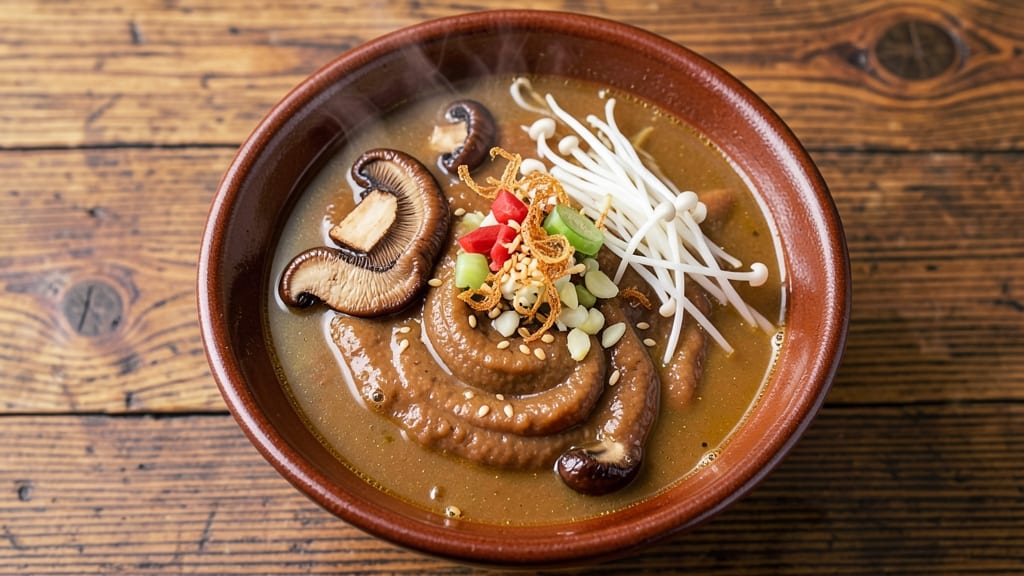
This bean paste soup recipe transforms humble ingredients into a rich, umami-packed masterpiece that balances earthy depth with silky texture. The secret lies in fermented bean paste—whether Japanese kinako or Chinese douganjiang—which infuses the broth with layers of savory complexity without overpowering.
I developed this version after years of refining the balance between fermented heat, mushroom umami, and delicate vegetables, ensuring every spoonful delivers restaurant-quality satisfaction in under an hour.
The foundation starts with a silky mushroom broth—shiitake and enoki mushrooms lend their natural umami, while garlic and ginger build aromatic depth. The bean paste, toasted lightly to deepen its flavor, becomes the soul of the soup, creating a velvety base that clings to each ingredient.
Traditional versions often include tofu or pork, but this adaptation keeps it versatile for vegetarians while maintaining that signature fermented richness.
What sets this recipe apart is the textural contrast: tender mushrooms, silky tofu, and crisp vegetables all bathed in a broth that's both warming and deeply flavorful. The final touch—a drizzle of sesame oil and fresh scallions—elevates the dish from comforting to extraordinary.
Whether served as a light lunch or a hearty starter, this soup proves that umami doesn’t require complexity, just precision and patience.
For modern twists, consider adding a splash of chili oil for heat or swapping traditional vegetables for seasonal greens. The key is balancing the bean paste’s intensity with complementary flavors—this recipe delivers that harmony effortlessly. Ready to elevate your soup game? Let’s begin.
Ingredients for bean paste soup
Rich umami and delicate textures start with these carefully chosen ingredients.
| Ingredient | Amount | Notes |
|---|---|---|
| Fermented Bean Paste (Douganjiang or Kinako) 🥫 | 2 tbsp | Toasted lightly for deeper flavor |
| Dried Shiitake Mushrooms 🍄 | 4 whole | Rehydrated for umami richness |
| Enoki Mushrooms 🍄 | 1 package | Stems trimmed, left whole |
| Garlic Cloves 🧄 | 4 cloves | Minced for aromatic depth |
| Fresh Ginger 🌿 | 1 inch | Thinly sliced, peeled |
| Vegetable Broth 💧 | 4 cups | Homemade or low-sodium store-bought |
| Silken Tofu 🧀 | 8 oz | Cubed for silky texture |
| Carrots 🥕 | 1 medium | Julienned for crisp texture |
| Baby Bok Choy 🥬 | 2 whole | Leaves separated for freshness |
| Sesame Oil 🫒 | 1 tbsp | Toasted for nutty aroma |
| Green Onions 🧅 | 3 whole | Sliced for garnish |
| Diamond Crystal Kosher Salt 🧂 | 1 tsp | Adjusts seasoning precisely |
| White Pepper 🌶️ | ¼ tsp | Freshly ground for subtle heat |
| Cornstarch 🌾 | ½ tsp | For broth thickening |
The fermented bean paste is non-negotiable—Asian markets carry both Chinese douganjiang and Japanese kinako, with the former offering deeper fermented notes. Toast it lightly in a dry pan for 30 seconds to deepen its flavor without burning. For mushrooms, dried shiitake from bulk bins (like H Mart) delivers the most umami, while fresh enoki should have crisp stems. The silken tofu? Koyo brand from the refrigerated section has the perfect silky texture—avoid the firm tofu here.
No fermented bean paste? Miso paste at half the amount works in a pinch, though the flavor profile shifts slightly. Substituting dried shiitake? Cremini mushrooms at double the quantity mimic the earthiness. The vegetable broth can be swapped for water plus 1 tbsp soy sauce, though homemade is ideal. For the carrots, julienne them yourself—pre-shredded loses crispness fast. Bok choy? Baby spinach works too, but the baby bok choy's delicate crunch is worth seeking out at Whole Foods or Trader Joe's.
Store the fermented bean paste in the freezer for up to 6 months to preserve its potency. Dried shiitake keeps for 1 year in a cool, dark place. The broth base reheats beautifully—simmer for 5 minutes before adding delicate ingredients like tofu and bok choy. For meal prep, portion the soup into containers and refrigerate for 4 days or freeze for 3 months. The sesame oil should be added fresh before serving to maintain its aromatic punch.
Why You'll Love This Recipe
- No-Chop Nightmare: I swear by this when I’m too tired to slice anything—just soak the dried shiitake, tear the enoki, and let that fermented bean paste do all the work. The mushrooms soften while you simmer, and the garlic-ginger paste hits the pot in one quick minced pile. Honestly, it’s the kind of recipe that makes me feel like a chef without the cleanup.
- Umami Bomb: That fermented bean paste? It’s the star—deep, nutty, and slightly funky in the best way. The shiitake soaks up its richness while the enoki adds a delicate crunch, and the garlic-ginger combo? It’s like a warm hug for your taste buds. Between us, I’ve had this soup at 8 AM and still craved it by noon.
- Weeknight Workhorse: This soup doubles as a side for stir-fries, a base for rice bowls, or even a quick lunch the next day. I’ll make a big batch on Sundays, and by Wednesday, it’s still my go-to—just reheat with a splash of water. (Yes, even on a Tuesday night when I’ve got zero energy.)
- Pantry Goldmine: Dried shiitake and bean paste last for months, so you’re not scrambling for fresh ingredients. A single bag of shiitake turns into three bowls of soup, and the enoki grows back if you leave the roots in water. Budget-friendly? Absolutely. My wallet and I both approve.
Step-by-step instructions for bean paste soup with silky mushroom depth
This method builds umami layer by layer, ensuring each ingredient contributes its unique depth.
Rehydrate and Prepare the Shiitake Mushrooms
Place the 4 whole dried shiitake mushrooms in a heatproof bowl and cover them with hot water. Let them soak for 20 minutes until they've absorbed the water and expanded to twice their original size. This rehydration process unlocks their concentrated umami flavor.
While they soak, trim off and discard the tough stems from the enoki mushrooms, leaving the delicate white strands intact. These mushrooms will add a delicate, almost floral texture to the soup. Drain the rehydrated shiitake mushrooms, reserving the soaking liquid for later use.
Toast the Fermented Bean Paste and Build the Umami Base
Heat a clean wok or deep skillet over medium heat. Add the 2 tablespoons of fermented bean paste (douganjiang or kinako) and toast it for 1-2 minutes until fragrant and slightly darkened. This toasting step deepens the paste's complex, nutty flavors.
Immediately add the 4 cloves of minced garlic and 1 inch of thinly sliced ginger, stirring constantly for 30 seconds until the garlic becomes golden and aromatic. The paste will release its oils and create a rich, savory foundation for the soup.
Develop the Broth and Incorporate Vegetables
Pour in the 4 cups of vegetable broth and bring to a gentle simmer. Add the reserved shiitake soaking liquid and the 1 tablespoon of toasted sesame oil. Stir in the julienned 1 medium carrot and let it cook for 3 minutes until slightly softened but still retaining its crisp texture.
Add the trimmed enoki mushrooms and let them cook for 2 minutes until they've wilted slightly but remain tender. The mushrooms should be just beginning to soften—overcooking will make them mushy. This is where the soup's delicate texture begins to form.
Thicken and Finish with Tofu and Seasoning
In a small bowl, whisk together the 0.5 teaspoon cornstarch with 2 tablespoons of cold water until smooth. Slowly pour this mixture into the simmering soup while stirring constantly. The soup should begin to thicken immediately—simmer for an additional 1 minute until it reaches a velvety consistency.
Add the 8 ounces of cubed silken tofu and the 2 whole baby bok choy (leaves separated). Simmer gently for 2 minutes until the bok choy is just wilted. Season with the 1 teaspoon diamond crystal kosher salt and 0.25 teaspoon freshly ground white pepper, adjusting to taste.
Serve with Fresh Garnishes
Ladle the soup into bowls and immediately garnish with the sliced 3 whole green onions. The fresh, bright flavor of the green onions provides a perfect contrast to the rich, umami-packed soup. Serve immediately while the tofu is still warm and the vegetables retain their delicate textures.
This soup achieves its signature depth through careful layering of flavors and textures. The fermented bean paste provides the umami backbone, while the mushrooms and tofu contribute silky, velvety qualities. Each component plays its part in creating a harmonious balance that's both comforting and complex.
Pro Tips For Making Bean Paste Soup
- Bloom the Shiitakes: Soak your dried shiitakes in hot—not boiling—water for 20 minutes first. Cold water makes them tough as leather, and skipping this step means you’ll end up chewing instead of savoring their umami depth. Trust me, the extra 20 minutes now saves you from grittiness later.
- Toast the Bean Paste: Bloom Douganjiang or Kinako in a dry pan for 30 seconds before adding liquid. This wakes up its flavor and prevents it from turning bitter or clumping like a lazy cook’s regret. High heat for 30 seconds—just until it fragrant, not browned.
- Trim Enoki Stems: Cut off the thick, woody ends of enoki mushrooms—about 1 inch from the base—before adding them to the pot. Leaving them in turns your soup into a textural nightmare, and no one wants to fish out chewy stems while eating. Do it first, then forget about it.
- Simmer, Don’t Boil: Once everything’s in the pot, keep the heat low enough that you barely see bubbles. Boiling burns the bean paste’s delicate flavors and turns the broth cloudy. A gentle simmer for 10 minutes is all it needs—patience here makes the difference.
Make-ahead tips for bean paste soup
Broth Prep Ahead
Prepare the mushroom broth base up to 2 days in advance for maximum flavor development. Simmer the rehydrated shiitake mushrooms, enoki mushrooms, garlic, and ginger in 4 cups vegetable broth for 15 minutes, then strain and store the broth in an airtight container.
The flavors intensify as they sit, creating a deeper umami foundation when you're ready to assemble the soup. 💫
Bean Paste Toasting
Toast your 2 tbsp fermented bean paste in advance and store it in a small airtight container in the fridge for up to 1 week. This step can be done 3 days ahead—just reheat it gently in a dry pan for 30 seconds before adding to your soup.
The toasted paste maintains its depth without losing potency. 🌶️
Tofu and Veg Prep
Cube the 8 oz silken tofu and store it in a container with 1 tsp soy sauce (to prevent browning) in the fridge for up to 2 days. Julienne the carrot and separate the baby bok choy leaves—keep them in separate containers to maintain texture.
Add these ingredients directly to the hot soup when ready to serve for perfect freshness. 🥕
Freezer-Friendly Assembly
For a fully make-ahead option, assemble the soup (without tofu and bok choy) and freeze in a single layer on a tray for 1 hour. Transfer to airtight containers and freeze for up to 3 months.
Thaw overnight in the fridge, then reheat on the stovetop. Add delicate ingredients like tofu and bok choy right before serving to preserve their texture. ❄️
Garnish Strategy
Slice the 3 green onions and store them in a sealed container with a damp paper towel to keep them fresh. Toast the 1 tbsp sesame oil in a small pan and store it in a dark bottle in the fridge for up to 2 weeks.
Add these fresh garnishes right before serving to maintain their vibrant flavors and aromas. 🧅
Reheating Secrets
When reheating, bring the soup to a gentle simmer over medium-low heat for 5-7 minutes—never boil, or the tofu will turn rubbery. If the soup seems too thick after reheating, stir in 1-2 tbsp warm water to restore its silky consistency.
Taste and adjust seasoning with salt or white pepper as needed. 🔥
Nutrition facts
Frequently asked questions about bean paste soup
What's the difference between douganjiang and kinako bean paste?
Douganjiang (Chinese fermented bean paste) has a deeper, funkier fermented flavor with hints of soy and spice, while kinako (Japanese roasted soybean flour) is milder and more nutty. For this recipe, douganjiang delivers that signature umami bomb, but kinako works beautifully if you prefer a smoother, sweeter profile. Use the same amount (2 tbsp) for either—just toast it longer if using kinako to intensify its flavor.
Can I make this soup vegetarian or vegan?
This recipe is already vegetarian, but for vegan version, simply swap the vegetable broth for a mushroom-based vegan broth and ensure your fermented bean paste contains no animal products (some contain fish sauce). The silken tofu remains plant-based, and all other ingredients are naturally vegan. The umami depth from the bean paste and mushrooms makes it incredibly satisfying without meat.
Why does my bean paste soup taste bitter?
Bitterness usually comes from over-toasting the bean paste or overcooking the mushrooms. Toast the paste for only 1-2 minutes until fragrant, not browned. For mushrooms, cook them for 2-3 minutes max—they should remain tender, not mushy. If the broth tastes bitter, add a pinch of sugar or a splash of rice vinegar to balance it. The key is patience: let flavors meld gently rather than forcing them.
How can I make this soup spicier?
Add a dash of chili oil (1 tsp) or red pepper flakes (½ tsp) when serving, or stir in 1 tsp gochujang (Korean chili paste) with the bean paste during toasting. For heat that lingers, try a pinch of Sichuan peppercorns toasted with the garlic. Remember, you can always add more heat later—start conservative and adjust to taste.
What's the best way to store leftovers?
Store in an airtight container in the fridge for 4 days or freeze for 3 months. For reheating, warm over medium-low heat for 5-7 minutes—never boil, or the tofu will turn rubbery. If the soup thickens too much after reheating, stir in 1-2 tbsp warm water to restore its silky texture. Always add fresh garnishes (green onions, sesame oil) before serving.