
Soups & Stews
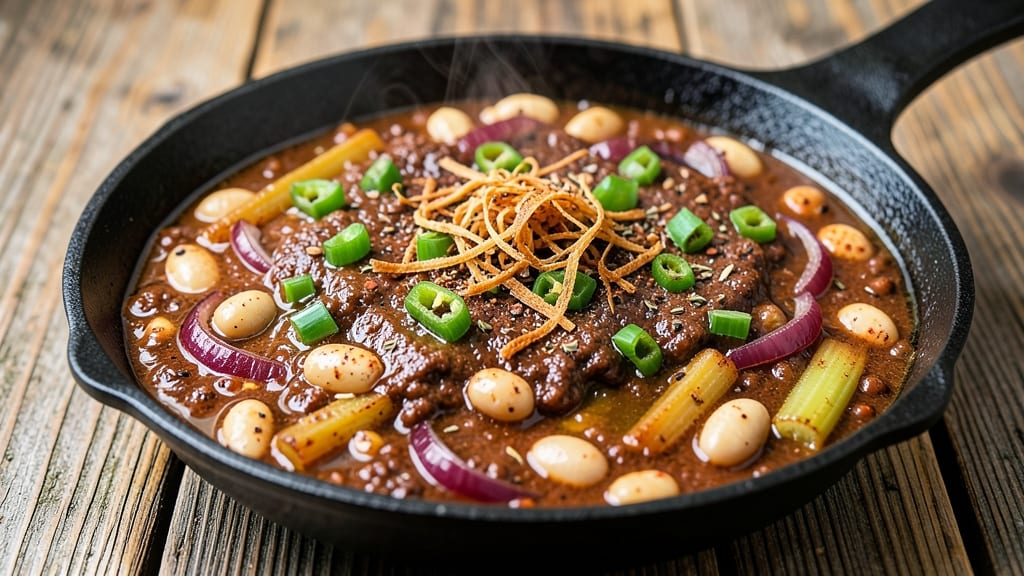
This bean gumbo recipe delivers the soul-warming depth of a Louisiana classic without the meat—just rich, smoky flavors that build layer upon layer. The foundation is a dark, nutty roux that forms the heart of every great gumbo, cooked until it reaches that perfect mahogany hue.
I’ve perfected this vegetarian version with okra for natural thickening and a blend of kidney and black beans for hearty texture and earthy flavor.
The secret to authentic gumbo lies in patience: letting the roux develop its deep flavor, then layering in aromatic vegetables like bell peppers, celery, and onions before adding the beans and broth.
A splash of hot sauce or smoked paprika adds that signature Louisiana smokiness, while fresh herbs at the end brighten the dish. This recipe is adaptable—swap the stock for vegan broth, and use olive oil instead of butter for a fully plant-based version.
By the time it’s done simmering, you’ll have a velvety, deeply flavorful gumbo with tender beans, crisp-tender vegetables, and a roux so rich it coats every spoonful. Serve it over steamed white rice or with a slice of warm cornbread to soak up every last drop.
The aroma alone will transport you to a New Orleans dinner table.
Whether you’re feeding a crowd or meal prepping for the week, this gumbo scales beautifully while keeping its restaurant-quality depth. The okra thickens naturally as it cooks, eliminating the need for cornstarch or flour—just pure, traditional gumbo magic. Let’s get cooking!
Ingredients for bean gumbo
Sixteen ingredients for a gumbo so rich and smoky, it’ll fool even meat lovers.
| Ingredient | Amount | Notes |
|---|---|---|
| Vegetable Oil 🫒 | ½ cup | High smoke point for roux |
| All-Purpose Flour 🌾 | 1 cup | For dark mahogany roux |
| Yellow Onion 🧅 | 1 whole | Diced, medium dice |
| Green Bell Pepper 🍅 | 1 whole | Diced, medium dice |
| Celery Stalk 🥬 | 3 whole | Diced, medium dice |
| Garlic Cloves 🧄 | 4 cloves | Minced, fresh preferred |
| Fresh Okra 🌱 | 1 lb | Sliced lengthwise, fresh or frozen |
| Kidney Beans 🌱 | 1 ½ cups | Cooked, canned or dried |
| Black Beans 🌱 | 1 cup | Cooked, canned or dried |
| Vegetable Broth 💧 | 4 cups | Low-sodium preferred |
| Smoked Paprika 🌶️ | 1 tbsp | For authentic smokiness |
| Hot Sauce 🌶️ | 1 tbsp | Like Crystal or Tabasco |
| Fresh Thyme 🌿 | 1 tbsp | Leaves only, chopped |
| Fresh Parsley 🌿 | ¼ cup | Chopped, for garnish |
| Salt 🧂 | 1 ½ tsp | Diamond Crystal preferred |
| Black Pepper 🌶️ | ½ tsp | Freshly ground |
The roux is non-negotiable here—this is where the magic happens. Vegetable oil works better than butter for that deep, nutty flavor, and All-Purpose Flour should be white, not whole wheat. For the best roux, use a heavy-bottomed pot and stir constantly until it reaches that perfect mahogany color—about 30 minutes. If you burn it, start over. The okra? Trader Joe's frozen okra is a game-changer when fresh isn't available, but fresh is best if you can find it at a Latin market. Look for firm, unblemished pods—those are the good ones.
No smoked paprika? Liquid smoke at half the amount gets you close, but it’s not the same. The beans can be dried (soaked overnight) or canned (drained and rinsed). For extra depth, mushroom broth instead of vegetable adds an umami punch. Fresh thyme is ideal, but dried at one-third the amount works in a pinch. The hot sauce is your secret weapon—don’t skip it. If you’ve got Cajun seasoning, use half a tablespoon instead of the paprika and hot sauce combo. The bell pepper and celery are the holy trinity—don’t skimp on them.
This gumbo tastes even better the next day—4-5 days in the fridge, 3 months frozen. I always make a double batch and freeze half. To reheat, add a splash of broth or water and simmer gently. The roux thickens as it cools, so don’t be afraid to add a little liquid if it gets too stiff. Leftovers reheat beautifully, and the flavors only deepen over time. Serve with crusty bread to soak up every last bit of that smoky, velvety goodness.
Why You'll Love This Recipe
- Trinity of Veggies: I swear by that onion, bell pepper, and celery combo—it’s the holy trinity right there in your pantry. Five minutes of chopping, and you’ve got that deep, savory base that makes everything else sing.
- Roux Magic: Between us, that flour and oil roux is where the real flavor happens. It’s not fancy—just brown it right—but it transforms this into something rich and soulful that tastes like love poured into a pot.
- Leftover Luxury: This gumbo only gets better the next day. Honestly, I make a big batch on Sunday because reheating it is like winning the lottery—thick, flavorful, and ready to feed the whole family without stress.
- Budget Warrior: Beans, veggies, and pantry staples? This is my go-to when I need to stretch a meal. It feeds four for under $10 and still feels like a restaurant-worthy dish—no fancy ingredients required.
Step-by-step instructions for smoky bean gumbo
Here's how to build deep, smoky flavor layer by layer—starting with that signature roux.
Develop the Dark Mahogany Roux
Heat the 0.5 cup vegetable oil in a heavy-bottomed pot over medium-low heat. Gradually whisk in the 1 cup all-purpose flour, stirring constantly to prevent lumps. This is where patience pays off—cook the roux for 30-45 minutes, stirring every 5 minutes, until it reaches a deep mahogany color.
The roux should smell nutty and toasty, not burnt. If it darkens too quickly, reduce the heat immediately. This roux forms the flavor base of your gumbo, so don't rush it. When it reaches the perfect color, remove it from heat and set aside—it'll continue cooking with the vegetables.
Sauté the Holy Trinity
In the same pot, add the diced 1 whole yellow onion, 1 whole green bell pepper, and 3 whole celery stalks. Cook over medium heat for 8-10 minutes, stirring occasionally, until the vegetables soften and begin to release moisture. You'll notice the pot will start to smell like a Louisiana kitchen—this is good.
Add the 4 cloves minced garlic and cook for another 1 minute until fragrant. Here's where the flavor really starts to develop. Don't let the garlic burn—it should add aroma, not bitterness. Stir in the 1 tbsp smoked paprika and cook for 30 seconds to toast the spices and deepen their flavor.
Build the Gumbo Base
Return the roux to the pot and stir to combine with the sautéed vegetables. Add the 4 cups vegetable broth, scraping up any browned bits from the bottom of the pot. Bring to a gentle simmer, then add the 1 lb sliced okra, 1.5 cups kidney beans, and 1 cup black beans. Stir well to distribute everything evenly.
Season with the 1.5 tsp salt and 0.5 tsp black pepper, then add the 1 tbsp fresh thyme. Let the gumbo simmer uncovered for 20-25 minutes, stirring occasionally, until the okra is tender and the flavors meld together. The gumbo should be thick but still spoonable—this is where the magic happens.
Finish with Heat and Freshness
Remove the pot from heat and stir in the 1 tbsp hot sauce. Taste and adjust the seasoning if needed—this is your chance to balance the flavors. The gumbo should be rich, smoky, and slightly spicy, with the beans and okra contributing texture and body.
Ladle the gumbo into bowls and garnish with the 0.25 cup chopped fresh parsley. Serve immediately while hot, with crusty bread on the side. The gumbo will continue to thicken as it sits, so don't wait too long to serve—every bite should be packed with smoky, savory, and slightly spicy flavors.
Pro Tips For Making Bean Gumbo
- Cook the Roux Low and Slow: I learned this the hard way—rushing the roux for bean gumbo turns it bitter or burnt. Once you add the flour to the oil, drop the heat to medium-low and stir constantly with a wooden spoon. It’ll take 20-30 minutes to reach that perfect peanut-butter color, but that’s what builds flavor. (Yes, even if you’re impatient like me.)
- Chop the Holy Trinity Fine: Onion, bell pepper, and celery should be diced smaller than you think—about 1/4-inch pieces. Too big, and they’ll turn to mush instead of softening into the gumbo. My grandmother swore by this, and she was right: the smaller the chop, the more even the texture and the deeper the flavor integration.
- Deglaze with Liquid Immediately: As soon as you add the chopped veggies to the roux, pour in your liquid (broth, water, or whatever) right away. If you wait, the roux will stick to the pan like glue, and you’ll be scraping burnt bits off the bottom all night. (Your future self will thank you.)
- Simmer, Don’t Boil: Bean gumbo needs gentle heat to thicken properly—if it boils, the flour will break down too fast and turn gluey. Keep it at a low simmer, stirring occasionally, until the beans are tender and the gumbo has that rich, velvety consistency. Sounds weird, but it works: patience here makes all the difference.
Make-ahead tips for this dish
Prep Ahead Roux
Make the roux the day before to save time—it’s the most labor-intensive step! Cook it to a deep mahogany color, then let it cool completely. Store in an airtight container in the fridge for up to 3 days.
When ready to cook, simply reheat it gently in a pot with 1 tablespoon vegetable oil over low heat until warmed through. This shortcut cuts your active cooking time by 30 minutes while keeping all that rich, nutty flavor. 💡
Bean Prep Shortcut
Use canned beans instead of dried to save 6-8 hours of soaking time. Drain and rinse thoroughly before adding to the gumbo. For extra convenience, I keep a stash of pre-cooked kidney and black beans in the freezer—just thaw overnight in the fridge.
If using dried beans, soak them overnight in 4 cups water with 1 teaspoon salt and 1 bay leaf for enhanced flavor. 🌱
Vegetable Prep Efficiency
Chop all your onions, bell peppers, and celery at once and store them in a ziplock bag with a paper towel to absorb moisture. They’ll stay fresh in the fridge for 3-4 days. When ready to cook, simply squeeze out excess moisture and toss them directly into the pot.
This keeps your prep organized and prevents soggy vegetables. I like to use a mandoline slicer for even dices—it’s faster and more consistent. 🥬
Freezer-Friendly Gumbo
This gumbo freezes beautifully for up to 3 months! Let it cool completely, then portion it into quart-sized freezer bags, leaving 1 inch of headspace for expansion. Seal tightly and label with the date.
When reheating, thaw overnight in the fridge, then warm gently on the stovetop with 2 tablespoons of broth to restore its velvety texture. The flavors actually deepen after freezing, making it perfect for lazy weeknights. ❄️
Make-Ahead Broth Boost
Prepare your vegetable broth in advance and store it in 1-cup portions in ice cube trays. Once frozen, transfer the cubes to a ziplock bag for easy grab-and-go measuring. This ensures you always have flavorful broth on hand without the need to simmer a big pot.
For extra richness, add 1 frozen cube of broth directly to the gumbo while it simmers—it’ll melt seamlessly and add depth. 💧
Herb Prep Tips
Chop your fresh thyme and parsley and store them in small glass jars with a splash of water to keep them vibrant. They’ll stay fresh in the fridge for 5-7 days. For the thyme, I like to crush the stems slightly to release more flavor.
When ready to use, simply add the herbs directly to the gumbo during the final 10 minutes of simmering—this ensures their bright, fresh flavors shine through. 🌿
Nutrition facts
Frequently asked questions
Can I make this bean gumbo vegan?
Replace the vegetable oil with olive oil for the roux, and use vegan vegetable broth instead of regular. The same recipe works perfectly—just ensure all ingredients are plant-based. The okra and beans will still thicken beautifully without any animal products.
What if my roux burns before reaching mahogany color?
Start over! A burnt roux will make your gumbo taste bitter. For success, use medium-low heat and stir constantly. If it starts to darken too quickly, reduce the heat immediately. Patience is key—this is the foundation of your gumbo's flavor.
Can I substitute okra with another thickener?
Yes, but okra gives that authentic gumbo texture. For a substitute, use 2 tablespoons cornstarch mixed with 2 tablespoons cold water, stirred into the gumbo during the last 10 minutes of simmering. File powder (sassafras) is another traditional option, but it's harder to find.
How do I adjust the spice level?
Start with the 1 tbsp hot sauce and adjust to taste. For more heat, add an extra ½ tbsp or a pinch of cayenne pepper. If you prefer milder flavor, reduce the hot sauce to ½ tbsp or omit it entirely. The smoked paprika provides depth without heat.
What's the best way to reheat leftovers?
Reheat gently on the stovetop with 2-3 tablespoons of broth or water to restore its velvety texture. Avoid microwaving—it can make the gumbo watery. Simmer uncovered for 5-10 minutes until heated through. The flavors actually improve after resting!