
Main Courses
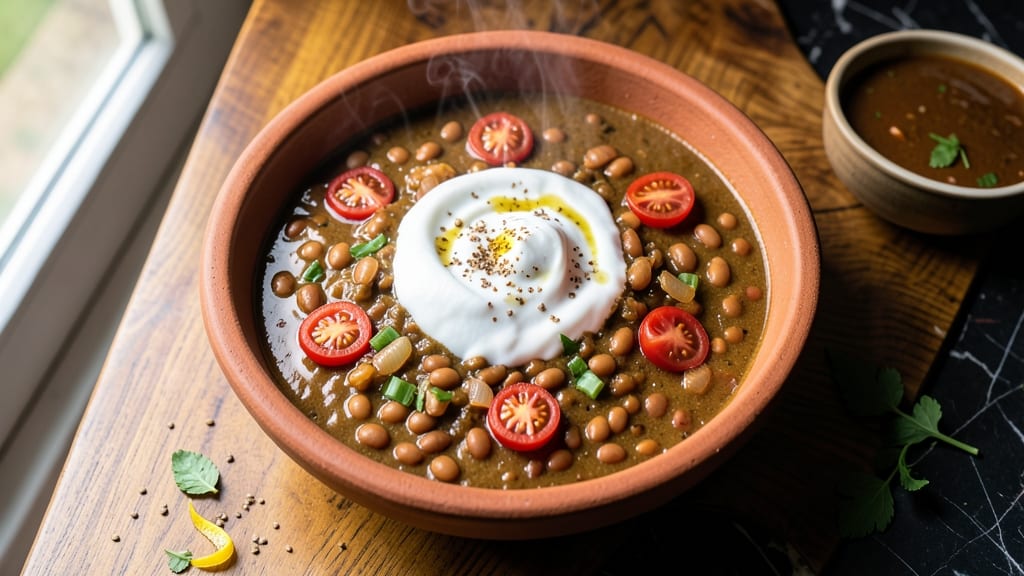
This Sri Lankan bean curry transforms simple lentils into a fragrant, spiced masterpiece that balances earthy turmeric with creamy coconut richness. The traditional method starts with tempering whole spices—mustard seeds, curry leaves, and cinnamon—that infuse the oil with aromatic depth before the beans absorb their flavors.
What makes this dish special is how the spices bloom gradually, creating layers of warmth that linger long after the first bite.
The recipe relies on a foolproof technique: slow simmering allows the beans to soften while developing their natural sweetness, never becoming mushy. Coconut milk adds velvety texture and subtle sweetness that contrasts beautifully with the tangy tamarind and the earthy kick of red chili.
This dish is both comforting and vibrant—a perfect balance that defines Sri Lankan home cooking.
By the time you serve it, you'll have a curry that's rich in color and flavor, with tender beans swimming in a sauce that's perfectly balanced between spicy, sweet, and savory.
The aroma alone will transport you to a bustling Sri Lankan kitchen, where this dish is a staple for both weeknight dinners and festive gatherings. Pair it with steamed rice or flaky roti for the full experience.
Modern adaptations make this recipe even more versatile—swap chickpeas for lentils, add fresh cilantro for brightness, or adjust the spice level to taste. The beauty of this dish lies in its flexibility while maintaining its authentic soul. Let's bring this Sri Lankan classic to your table.
Ingredients for bean curry recipe sri lanka
Earthy lentils, fragrant spices, and velvety coconut create Sri Lanka's iconic bean curry.
| Ingredient | Amount | Notes |
|---|---|---|
| Red Lentils 🌾 | 1 ½ cups | Rinsed before cooking |
| Coconut Milk 🥥 | 1 can | Full-fat for creaminess |
| Tomatoes 🍅 | 2 medium | Chopped, skin removed |
| Onion 🧅 | 1 whole | Finely chopped |
| Garlic Cloves 🧄 | 4 cloves | Minced for depth |
| Ginger 🌿 | 1 tbsp | Freshly grated |
| Mustard Seeds 🌶️ | 1 tsp | Whole seeds preferred |
| Curry Leaves 🌿 | ¼ cup | Dried if fresh unavailable |
| Cinnamon Stick 🌱 | 1 whole | For aromatic depth |
| Turmeric Powder 🌶️ | 1 tsp | Fresh root preferred |
| Red Chili Powder 🔥 | 1 tsp | Adjust for heat |
| Tamarind Paste 🍋 | 1 tbsp | Or lemon juice substitute |
| Salt 🧂 | 1 tsp | To taste adjustment |
| Cilantro 🌿 | ¼ cup | Fresh, chopped garnish |
| Vegetable Oil 🫒 | 3 tbsp | For tempering spices |
The lentils are the heart of this dish—red lentils break down beautifully but stay intact, absorbing all those spiced flavors. Whole spices like mustard seeds and curry leaves are non-negotiable for that authentic aroma; Penzeys Spices or bulk bins at Whole Foods have the best quality. The tamarind paste gives that signature tang—Trader Joe's carries it in jars, but if you can't find it, lemon juice works in a pinch. For the coconut milk, full-fat canned versions give the richest texture, though light works if that's what you have.
No curry leaves? Dried leaves at one-third the amount still add depth, though fresh is ideal. Running short on tamarind? Lime juice plus a pinch of sugar mimics the balance. The ginger and garlic can be swapped for 1 tbsp ginger-garlic paste if you're short on prep time. For the tomatoes, canned crushed tomatoes save time—just drain the excess liquid. And if you're worried about the lentils getting mushy, partial cooking them first (10 minutes in boiling water) ensures they stay tender but hold their shape.
Store the cooked curry in an airtight container with a layer of coconut milk on top to preserve freshness—it keeps for 4-5 days in the fridge. Freezes beautifully for up to 3 months, though the texture changes slightly upon thawing. For best flavor, let it sit at room temperature for 10 minutes before serving so all those spices can bloom again. The cilantro should be added fresh just before eating—it brightens everything up.
Why You'll Love This Recipe
- One-Pot Magic: I swear by this recipe—just toss everything into one pot, stir, and let the spices work their magic. No chopping mountains of veggies or juggling multiple pans; the lentils soften while the tomatoes melt into a rich, velvety sauce.
- Creamy-Garlicky Bliss: That first spoonful? Chef’s kiss. The coconut milk makes it lusciously thick, but the garlic and onions caramelize into something deeply savory—like a hug in a bowl. Honestly, I’ll take this over takeout any day.
- Leftover Legend: This curry begs to be made in bulk. The flavors actually deepen overnight, so it’s perfect for meal prep—just reheat and serve with rice or roti. My freezer’s always stocked with portions because it’s that good.
- Budget Superstar: Red lentils and coconut milk stretch this dish into a full meal without breaking the bank. Between us, I’ve fed six people for under $10 with this—plus, it’s one of those rare recipes where cheaper ingredients taste better because of the technique.
Step-by-step instructions for Sri Lankan spiced bean curry
Here's how to create a rich, aromatic curry with deep turmeric and coconut flavors.
Temper the Spices in Oil
Heat the 3 tablespoons vegetable oil in a heavy-bottomed pot over medium heat. Add the 1 whole cinnamon stick and 1 teaspoon mustard seeds, letting them sizzle for 30 seconds until the mustard seeds begin to pop. This is your aromatic base—don't rush this step, as the spices need time to release their flavors.
Next, add the 0.25 cup curry leaves and 1 tablespoon ginger. Stir constantly for 1 minute until the curry leaves darken slightly and the ginger becomes fragrant. This creates the foundational spice blend that will infuse the entire curry. Watch carefully—ginger burns quickly, so keep the heat at a steady medium level.
Sauté Onions and Add Tomatoes
Add the 1 whole onion that's been finely chopped and cook for 5-6 minutes until it turns golden brown and translucent. This caramelization adds sweetness and depth to the curry. Stir frequently to prevent burning, especially at the edges of the pot.
Now add the 2 medium tomatoes that have been chopped and skinned. Cook for 3-4 minutes until the tomatoes soften and break down into the oil. The mixture should darken slightly as the tomatoes release their juices. This step builds the curry's rich, tangy foundation—don't skip it, as it's crucial for balancing the flavors.
Incorporate Spices and Cook the Lentils
Reduce the heat to medium-low and add the 1.5 cups red lentils that have been rinsed, the 1 teaspoon turmeric powder, 1 teaspoon red chili powder, and 1 tablespoon tamarind paste. Stir well to coat the lentils evenly with the spices. Add 1 cup water and bring to a gentle simmer.
Let the lentils cook for 5 minutes, stirring occasionally, until they begin to soften slightly. Then pour in the 1 can coconut milk, ensuring it's fully-fat for maximum creaminess. Stir once more and let the mixture simmer uncovered for 15-20 minutes, stirring occasionally, until the lentils are tender but still hold their shape. The curry should thicken gradually as it reduces.
Season and Finish
Taste the curry and adjust the seasoning with the 1 teaspoon salt. If the tamarind paste needs balancing, add a splash of water to thin the curry slightly. The final texture should be thick but still spoonable—like a rich, velvety stew. Let it simmer for another 5 minutes to meld all the flavors together.
Remove the cinnamon stick and stir in the 4 cloves garlic that have been minced. Garnish with the 0.25 cup cilantro that's been freshly chopped. The curry should have a vibrant golden color, with a balance of spicy, tangy, and creamy flavors. Serve immediately with steamed rice or roti to enjoy the full depth of this Sri Lankan classic.
Pro Tips For Making Bean Curry Recipe Sri Lanka
- SOAK THE LENTILS: DESCRIPTION:
- SAUTÉ THE ONIONS LOW: DESCRIPTION:
- CRUSH THE TOMATOES: DESCRIPTION:
- TEMPER THE COCONUT MILK: DESCRIPTION:
Essential equipment for this recipe
Heavy-Bottomed Pot
A stainless steel or cast iron pot with a 3-4 quart capacity is essential for even heat distribution. I swear by my All-Clad stainless steel pot—it handles the medium-high heat needed for tempering spices without scorching.
The thick base prevents hot spots that can burn your ginger or onions. If you're on a budget, a Lodge cast iron skillet works too, but be mindful of its weight—it takes longer to heat up. 🌡️
Curry Leaf Source
Fresh curry leaves are non-negotiable for authentic flavor, but they can be tricky to find outside Indian or Sri Lankan grocery stores. I recommend Penzeys Spices for dried curry leaves (use ¼ cup dried instead of fresh) or check the international aisle at Whole Foods.
If you're near an Asian market, fresh curry leaves are often sold in small bundles. For a pinch of authenticity, don’t substitute with bay leaves—they lack the floral, citrusy depth curry leaves bring. 🌿
Spice Grinder or Mortar
While this recipe uses whole spices like mustard seeds and cinnamon sticks, having a small spice grinder (like the OXO Good Grips Spice Grinder) or a mortar and pestle lets you adjust spice levels to taste.
I grind ½ teaspoon of the tempered spices at the end to boost flavor intensity. For cinnamon, a microplane works wonders for fresh, aromatic zest. If you’re short on time, pre-ground spices from Spicewalla are a reliable shortcut. ✨
Tamarind Paste Substitute
Tamarind paste is the secret to balancing the curry’s richness, but if you can’t find it, lemon juice + sugar is a game-changer. Mix 1 tablespoon lemon juice with ½ teaspoon sugar to mimic tamarind’s tangy-sweet profile.
For a deeper flavor, Trader Joe’s tamarind concentrate (found in the international foods aisle) is a lifesaver. Pro tip: If using lemon, add it after the lentils have simmered for 10 minutes to let the flavors meld. 🍋
Wooden Spoon for Stirring
A long-handled wooden spoon (like the OXO Good Grips) is your best friend for stirring the curry without scratching the pot. Wood distributes heat evenly and prevents the spices from sticking to metal utensils.
I also use it to scrape the bottom of the pot—this ensures no burnt bits ruin the flavor. For extra safety, keep a silicon spatula nearby to handle hot spots.
Avoid metal spoons during the tempering phase, as they can react with the mustard seeds and create a bitter taste. 🔥
Instant-Read Thermometer
While not mandatory, an instant-read thermometer (like the Thermoworks ThermoPop) helps monitor the oil temperature during spice tempering. The oil should reach 325–350°F for optimal spice blooming—this ensures mustard seeds pop without burning.
For the lentils, check their internal temp: they’re done at 185°F (soft but intact). This small tool takes the guesswork out of heat control and elevates your curry from good to restaurant-quality. 🌡️
Nutrition facts
Frequently asked questions
Can I use chickpeas instead of red lentils in this recipe?
Chickpeas add a heartier texture and work beautifully in this curry. Use 1.5 cups dry chickpeas (or 2.5 cups cooked chickpeas) and simmer for 25-30 minutes instead of 15-20 minutes—they need more time to soften. The coconut milk will create a luscious sauce that complements their earthy flavor perfectly.
How can I make this curry less spicy?
Reduce the red chili powder to ½ teaspoon or omit it entirely. For extra mildness, add 1 teaspoon sugar or ½ teaspoon coconut sugar to balance any residual heat. If you accidentally over-spiced it, stir in 1 tablespoon yogurt or ½ cup coconut milk to mellow the flavors.
What's the best way to store leftovers?
Store in an airtight container with a layer of coconut milk on top to preserve freshness. It keeps well in the fridge for 4-5 days and freezes beautifully for up to 3 months. Thaw overnight in the fridge—never at room temperature—and gently reheat on the stove with a splash of water to restore creaminess.
Can I make this curry in a slow cooker?
Yes! Sauté the onions, tomatoes, and spices first in a pan, then transfer everything to the slow cooker. Add 1 cup water (instead of 1 cup coconut milk initially) and cook on low for 4-5 hours or high for 2-3 hours. Stir in the coconut milk during the last 30 minutes to prevent curdling. The slow cooker yields a thicker, more concentrated flavor.
Why did my curry turn out too thin?
This usually happens if you used too much liquid or didn't simmer long enough. To fix it, remove the cinnamon stick and simmer uncovered for 5-10 more minutes to thicken. If it's still too thin, mix 1 teaspoon cornstarch with 2 tablespoons water, stir into the curry, and cook for 2-3 minutes until thickened.