
Main Courses
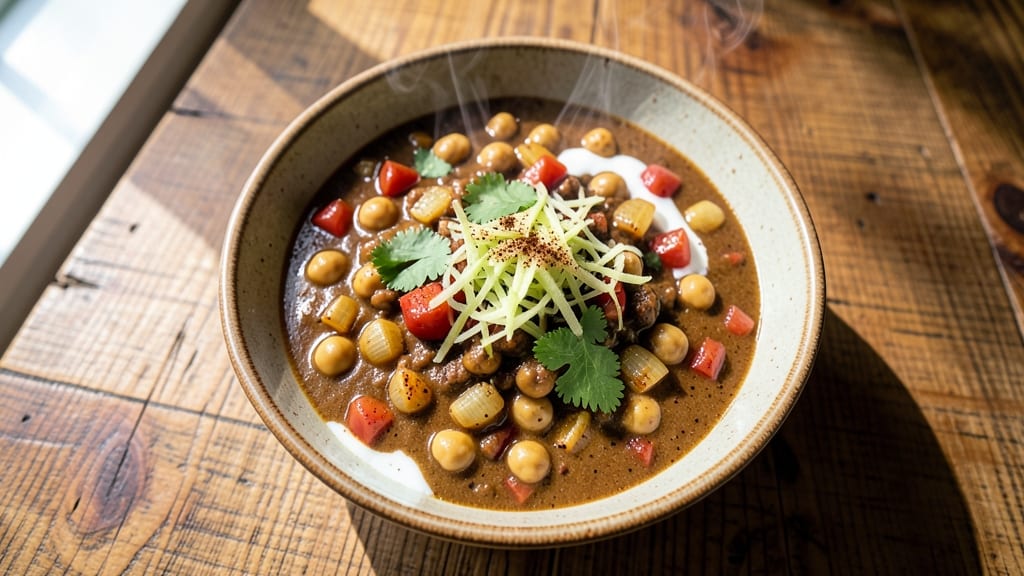
This South African bean curry recipe brings the rich, spiced flavors of Cape Malay cuisine to your table with every aromatic bite. The blend of turmeric, cumin, and chili creates a fragrant base that simmers into a velvety coconut-tomato sauce, while hearty beans and seasonal vegetables deliver satisfying texture. I developed this version after years of perfecting the balance between traditional spices and modern convenience—now you can enjoy restaurant-quality curry in under an hour.
The secret lies in slow simmering, which allows the spices to meld and the coconut milk to create a luscious, slightly sweet sauce that coats every ingredient.
Traditional South African recipes often include pumpkin or carrots for natural sweetness, but you can adapt this with whatever vegetables you have on hand. The dish is naturally hearty enough to serve with rice or roti, making it perfect for family meals or meal prep.
What makes this curry truly special is its versatility—it works equally well as a weeknight dinner or a centerpiece for gatherings. The spices can be adjusted to suit your heat preference, and the recipe easily accommodates vegetarian or vegan diets by omitting honey or ghee.
Once you taste the deep, complex flavors of this South African classic, you'll want to make it again and again.
Ready to transform simple ingredients into a fragrant, flavorful masterpiece? Let's get started with this step-by-step guide that preserves the soul of Cape Malay cooking while fitting seamlessly into your modern kitchen.
Ingredients for bean curry recipe south africa
These fragrant spices and hearty vegetables create a South African classic that's rich, spiced, and ready in under an hour.
| Ingredient | Amount | Notes |
|---|---|---|
| Dried Chickpeas 🌾 | 1 ½ cups | Unsoaked, drained and rinsed |
| Canned Diced Tomatoes 🍅 | 14 ½ oz | No salt added preferred |
| Coconut Milk 🥥 | 13 ½ oz | Full-fat for creaminess |
| Yellow Onion 🧅 | 1 whole | Diced, medium size |
| Garlic Cloves 🧄 | 4 cloves | Minced for aromatic base |
| Fresh Ginger 🌿 | 1 ½ tbsp | Grated, peeled root |
| Ground Cumin 🌿 | 1 ½ tbsp | Toasted for depth |
| Ground Turmeric 🌶️ | 1 tbsp | Freshly ground preferred |
| Ground Coriander 🌿 | 1 tbsp | For citrusy brightness |
| Chili Powder 🌶️ | 1 tbsp | Adjust for heat preference |
| Vegetable Oil 🫒 | ¼ cup | High smoke point preferred |
| Carrots 🥕 | 1 lb | Peeled, chopped into chunks |
| Sweet Potato 🍠 | 1 lb | Peeled, cubed evenly |
| Fresh Cilantro 🌿 | ¼ cup | Chopped, for garnish |
| Salt 🧂 | 1 ½ tsp | Diamond Crystal preferred |
The spices are where this curry shines. Penzeys or bulk bins are your best bet for fresh, aromatic ground spices—cumin and coriander should smell vibrant, not stale. For the ginger, grab a fresh root and grate only what you need (it loses potency fast). The chickpeas? Trader Joe's has the best canned ones, but dried works too if soaked overnight. Sweet potatoes add natural sweetness—orange-fleshed varieties like Jewel or Beauregard work best. Carrots can be baby or regular, but orange carrots add extra color and a slightly sweeter taste.
No fresh ginger? Powdered works at half the amount, but it lacks that bright zing. Short on sweet potatoes? Substitute with regular potatoes or butternut squash, though the flavor will differ slightly. The coconut milk can be light or full-fat—full-fat gives richer texture. For heat, adjust the chili powder or add red pepper flakes to taste. The tomatoes? San Marzano if you want premium flavor, but any good-quality canned tomatoes work. Fresh cilantro is ideal, but dried works in a pinch at one-third the amount—just know it won't have the same freshness.
This curry tastes even better the next day as flavors meld. Store in an airtight container in the fridge for up to 5 days, or freeze portions for 3 months. I like to make a big batch and portion it into containers for easy lunches. The spices keep well in airtight jars for 6 months—just store them away from light and heat. For extra richness, stir in a splash of coconut cream when reheating.
Why You'll Love This Recipe
- One-Pot Magic: I swear by this recipe when I’m too tired to wash pots—just soak the chickpeas overnight, toss everything in one pot, and let it simmer. The onions caramelize right into the coconut milk, and suddenly, you’ve got a rich, fragrant curry with zero extra cleanup.
- Garlic-Coconut Bomb: That first whiff of garlic sizzling in oil, then melting into the coconut milk? It’s like a flavor hug. The tomatoes add just enough tang to balance the creaminess, and the chickpeas soak up all the goodness—no bland beans here.
- Lunchbox Hero: Between us, this curry is my secret weapon for packed lunches. Make a big batch on Sunday, and you’ve got three days of meals that taste fresh, not sad. Serve it with rice or flatbread, and suddenly you’re the office hero.
- Pocket-Friendly Power: Dried chickpeas and canned tomatoes stretch my budget without sacrificing taste. A single batch feeds four for under $10, and the leftovers? Even better the next day. Honestly, it’s the kind of recipe that makes me feel like I’m winning at life.
Step-by-step instructions for South African bean curry
Here's how to create a rich, spiced tomato-coconut curry that balances heat, sweetness, and earthy depth.
Prepare the Base with Aromatics
Heat the 0.25 cup vegetable oil in a large, heavy-bottomed pot over medium heat. Add the 1 whole diced yellow onion and cook for 5-6 minutes until softened and translucent. This foundational step develops the curry's sweetness before adding spices.
Add the 4 cloves minced garlic cloves and 1.5 tbsp grated fresh ginger, cooking for 1-2 minutes until fragrant. Stir constantly to prevent burning—garlic turns bitter fast. The aroma should fill your kitchen, signaling the base is ready for the spices.
Toast the Spice Blend
Reduce heat to medium-low and add the 1.5 tbsp ground cumin, 1 tbsp ground turmeric, 1 tbsp ground coriander, and 1 tbsp chili powder. Stir vigorously for 1-2 minutes until the spices release their oils and the mixture darkens slightly. This step unlocks their full flavor—don't rush it.
Here's the thing—if you smell burning, reduce heat immediately. The spices should smell warm, toasty, and complex, not acrid. This is where the curry's soul develops, so pay attention. After toasting, add the 1.5 tsp salt and stir to distribute evenly.
Build the Curry with Tomatoes and Chickpeas
Pour in the 14.5 oz canned diced tomatoes and stir to combine with the spice mixture. Let it simmer for 5 minutes until the tomatoes break down slightly and the mixture thickens. This creates the curry's velvety texture.
Add the 1.5 cups drained and rinsed dried chickpeas, 1 lb chopped carrots, and 1 lb cubed sweet potato. Stir gently to coat everything in the spiced tomato mixture. The chickpeas should be fully submerged—if not, add ½ cup water to help them cook evenly.
Simmer to Perfect Texture
Pour in the 13.5 oz coconut milk and bring to a gentle simmer. Reduce heat to low and cover partially with a lid. Let it cook for 30-35 minutes, stirring occasionally, until the sweet potatoes are tender when pierced with a fork and the chickpeas are creamy.
Watch for the perfect balance—you want the curry thick enough to coat a spoon but still saucy. If it's too thick, add 2-3 tablespoons water at a time. The coconut milk should blend seamlessly with the spices, creating a rich, golden sauce that clings to every ingredient.
Finish with Fresh Herbs
Remove from heat and let the curry sit for 5 minutes to allow flavors to meld. Stir in the 0.25 cup chopped fresh cilantro, reserving a few sprigs for garnish. The cilantro brightens the dish with a fresh contrast to the rich spices.
Taste and adjust seasoning—you might need a pinch more salt or chili powder to balance the flavors. Serve immediately over steamed rice or with warm naan, garnished with the reserved cilantro. The curry should be aromatic, slightly sweet from the sweet potatoes, and deeply spiced with just the right heat.
Pro Tips For Making Bean Curry Recipe South Africa
- SOAK CHICKPEAS OVERNIGHT: I learned this the hard way—rushing chickpeas on the stove leaves them tough and mealy. Soak them in plenty of water (double the volume) with a pinch of baking soda for 12 hours, then drain and rinse. This isn’t just about softness; it’s about flavor absorption. Your curry’s texture will thank you.
- FRY ONIONS UNTIL GOLDEN: Skip the soft onions—this isn’t a quick stir-fry. Cook the sliced yellow onion in oil over medium heat until deep golden, about 8-10 minutes. That caramelized depth is what makes the curry sing, especially when paired with the tomatoes later. (Yes, even if you’re impatient like me.)
- CRUSH GARLIC, DON’T MINCE: After burning three batches of garlic, I finally figured out: smashing the cloves with the flat side of a knife releases more flavor without burning. Toss the crushed pieces into the onions early—they’ll mellow and infuse the base instead of scorching. Your future self will notice the difference.
- STIR IN COCONUT MILK LAST: Sounds weird, but it works: let the onions, garlic, and spices build flavor first, then add the tomatoes and cook until thickened. Only then pour in the coconut milk. This keeps it from breaking or curdling, and the sauce stays velvety. (Your lazy shortcut won’t cut it here.)
Essential equipment for this recipe
Heavy-Bottomed Pot
A large, heavy-bottomed pot (like a Le Creuset Dutch oven or All-Clad stainless steel) is essential for even heat distribution and preventing scorching. I swear by my 5-quart Dutch oven—it handles the curry's long simmer beautifully without hot spots.
If you don’t have one, a stainless steel stockpot works too, but watch for sticking. 🔥
Immersion Blender
An immersion blender (like the Ninja Foodi or Hamilton Beach) transforms this curry into a silky-smooth sauce if you prefer a more refined texture. Simply blend the cooked mixture directly in the pot for 10-15 seconds before adding the coconut milk.
No straining required! For extra creaminess, blend only half the curry and mix it back in. 💫
Fine-Mesh Strainer
A fine-mesh strainer (such as the OXO Good Grips) helps remove any fibrous bits if you want a smoother curry. After simmering, strain the mixture through the strainer before adding the coconut milk.
This step is optional but elevates the dish to restaurant-quality. Store the strainer in your kitchen for future soups and sauces. ✨
Wooden Spoon
Use a wooden spoon (I love OXO’s silicone-coated version) to stir the curry without scratching your pot or altering flavors. Wood distributes heat evenly and prevents the spices from sticking to metal utensils.
Keep it handy for stirring during the 30-minute simmer—constant stirring ensures even cooking and prevents burning. 🌿
Instant Pot or Slow Cooker
For a hands-off approach, an Instant Pot or slow cooker (like the Crock-Pot) simplifies the process. Sauté the aromatics first, then add all ingredients and cook on High Pressure for 10 minutes (Instant Pot) or Low for 4-5 hours (slow cooker). The pressure cooker cuts time dramatically while maintaining deep flavors. Just
Measuring Spoons
Precision matters with spices! Invest in a set of stainless steel measuring spoons (like OXO’s magnetic set) for accurate measurements of cumin, turmeric, coriander, and chili powder. Even a ¼ teaspoon too much can overpower the dish. Keep them near your spice rack for easy access while cooking. 🧂
Nutrition facts
Frequently asked questions
What makes this South African bean curry different from Indian curries?
This recipe draws from Cape Malay traditions, using a milder spice blend with more turmeric and coriander than typical Indian curries. The coconut milk creates a richer, slightly sweeter sauce, while the inclusion of sweet potatoes and carrots adds natural sweetness that balances the heat. Indian curries often feature more garam masala and mustard seeds, whereas this version emphasizes turmeric's earthy warmth.
Can I make this curry vegan or gluten-free?
For a vegan version, simply omit the honey (if using) and ensure your coconut milk is unsweetened. The recipe is naturally gluten-free, but check your spice blends for additives. The chickpeas and vegetables provide all the protein needed, making this a hearty plant-based meal that still satisfies with rich, spiced flavors.
How can I adjust the heat level in this curry?
Start with the 1 tbsp chili powder as written for a mild-medium heat. For more spice, add ½ tsp cayenne pepper or 1 tsp red pepper flakes when toasting the spices. If you prefer a smoky depth, substitute ½ tsp smoked paprika for half the chili powder. Always taste as you go—South African curries often balance heat with sweetness from the sweet potatoes.
What's the best way to store and reheat leftovers?
Store in an airtight container in the fridge for up to 5 days, or freeze for 3 months. To reheat, warm in a pot over low heat with a splash of water or coconut milk until bubbly. For microwave reheating, cover with a damp paper towel and heat in 1-minute intervals, stirring between each. The flavors actually deepen overnight, making it perfect for meal prep!
Can I substitute canned chickpeas for dried?
Yes, but adjust cooking time! Use 1.5 cups canned chickpeas (drained and rinsed) instead of dried, and reduce the simmering time to 20-25 minutes** since they're pre-cooked. Canned chickpeas work well, but dried ones develop a creamier texture from the long simmer. If using canned, add them with the vegetables to avoid overcooking.