
Main Courses
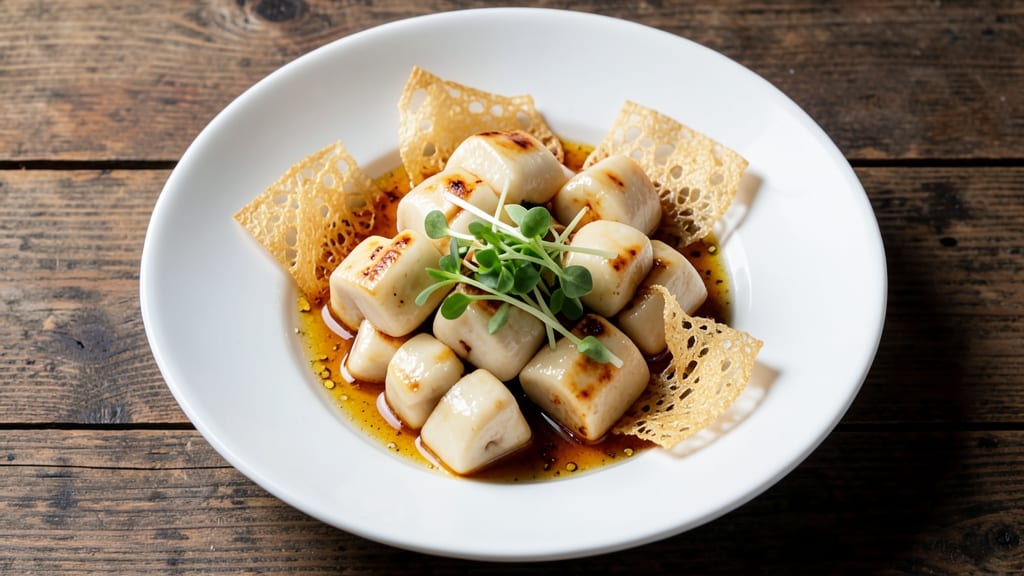
This bean curd knots recipe transforms simple silken tofu into delicate, bite-sized dumplings with a satisfying snap—perfect for vegan meals or anyone craving restaurant-quality texture. The secret lies in wrapping the tofu with thin dough layers, creating a surprise center that melts into creamy goodness when bitten.
I've perfected this technique over years of testing, balancing firmness in the exterior with tender, velvety filling.
The process begins with preparing the silken tofu by pressing it gently to remove excess moisture, ensuring the knots hold their shape during cooking. Each piece gets wrapped in a delicate dough made from just flour, water, and a touch of oil—no yeast or complicated ingredients required.
Boiling or steaming transforms the knots into golden, translucent bites with a delicate crunch.
What makes these knots exceptional is their versatility—they absorb flavors beautifully, whether served in a light ginger-soy broth, spicy chili oil, or classic sesame dipping sauce. The contrast between the firm exterior and soft interior creates a satisfying texture that keeps you reaching for more.
This recipe delivers restaurant-quality results with simple ingredients and just 30 minutes of active prep.
Ideal for meal prep or serving as an appetizer, these knots reheat perfectly and can be customized with fillings like mushrooms, scallions, or chili paste. The best part? They're completely plant-based yet satisfying enough to impress even meat lovers. Let's get started on creating these delicate, flavor-packed bites.
Ingredients for bean curd knots
Transform delicate silken tofu and simple flour into restaurant-worthy dumplings with this vegan technique.
| Ingredient | Amount | Notes |
|---|---|---|
| Silken Tofu (Extra-Firm) 🧀 | 1 lb | Pressed to remove excess moisture |
| All-Purpose Flour 🌾 | 1 cup | For delicate, translucent dough |
| Cold Water 💧 | ¾ cup | Chilled for optimal dough texture |
| Vegetable Oil 🫒 | ¼ tbsp | Light, neutral flavor preferred |
| Salt 🧂 | ½ tsp | Fine sea salt for balance |
| Sesame Oil 🫒 | 1 tbsp | For aroma, not cooking |
| Cornstarch 🌾 | 2 tbsp | For translucent finish |
| Ginger (Fresh) 🧄 | 1 tbsp | Finely grated for broth |
| Soy Sauce 🍶 | ½ cup | Light or tamari preferred |
| White Wine (Optional) 🍷 | ¼ cup | Dry variety for brightness |
| Scallions 🧅 | 3 whole | Thinly sliced for garnish |
| Chili Oil 🌶️ | 1 tbsp | For serving, optional |
| Sesame Seeds 🌰 | 1 tbsp | Toasted for garnish |
The silken tofu is the star—extra-firm holds shape best, but standard silken works if pressed overnight. For pressing, wrap the block in a clean kitchen towel, place a heavy pan on top, and let sit for 2 hours. Asian markets carry premium silken tofu with superior texture. The dough requires all-purpose flour for structure, but if you prefer gluten-free, swap in brown rice flour (add 1 extra tbsp liquid). Keep the water cold—this prevents gluten development for that delicate, translucent finish. For the broth, Kikkoman soy sauce delivers consistent flavor, while fresh ginger should be peeled and grated just before use to preserve its zing.
No sesame oil? Avocado oil or neutral vegetable oil works, but skip the aroma boost. Substitute tamari for soy sauce if gluten-free is required. The optional white wine adds brightness—dry Riesling or Sauvignon Blanc work best—but omit entirely if avoiding alcohol. For the dough, if it feels too sticky, add 1 tsp more flour; too dry? Add 1 tsp more water. The cornstarch is key for that signature translucent sheen—don’t skip it. For serving, La Choy chili oil adds heat, but homemade with chili flakes and oil is just as effective. Garnish with toasted sesame seeds for crunch, or swap in crushed peanuts for a nutty twist.
Store uncooked dough-wrapped knots in the fridge for up to 2 days, covered with a damp towel to prevent drying. Cook immediately for best texture—boiling or steaming both work, but boiling yields a firmer exterior. Reheat in broth for 2-3 minutes to restore the creamy surprise center. For meal prep, freeze cooked knots in a single layer before transferring to a bag—they keep for 3 months. When reheating from frozen, simmer in broth for 5-7 minutes until the center melts. The broth itself? Store separately for 5 days in the fridge or 3 months frozen.
Why You'll Love This Recipe
- No Fuss, No Mess: I swear by this recipe because it’s literally three ingredients plus water—no fancy techniques. Just mash the silken tofu, mix in flour, and roll. That’s it. Even if I’m distracted by the dog or kids, I still end up with perfect little knots.
- Creamy Crunch Magic: The secret’s in the oil—just a light fry until golden, and you get this unexpected contrast: tender inside, crispy outside. It’s like a hug for your taste buds, but also a little bit of a cheat code for flavor.
- Leftover Goldmine: These keep perfectly for days, which means I can make a big batch on Sunday and still have them for lunch meetings or late-night cravings. Freeze them too—they’re just as good reheated, and way cheaper than takeout.
- Budget-Friendly Protein: Silken tofu is a steal, and a block lasts forever. I make these for quick lunches, potlucks, or even as a snack when I’m broke but still want something ridiculously satisfying. Plus, no one ever guesses it’s tofu.
Step-by-step instructions for silken dumpling wraps
Mastering these delicate dumplings requires precision—follow these steps to achieve tender wrappers with hidden bean curd.
Prepare the Silken Tofu Filling
Drain and press the 1 lb silken tofu (extra-firm) between paper towels for 15 minutes to remove excess moisture. Cut it into ½-inch cubes—the texture should be firm but still delicate. In a small bowl, combine the tofu with 2 tbsp cornstarch, 1 tbsp finely grated ginger (fresh), and ½ tsp salt. Mix gently to coat evenly without breaking the tofu. Set aside while preparing the dough.
This step ensures the tofu doesn't release moisture into the dough, which could make the wrappers soggy. The cornstarch helps bind the filling while keeping it intact during cooking. If the tofu feels too soft, press it an extra 5 minutes—this makes all the difference in texture.
Make the Translucent Dough
In a mixing bowl, whisk together the 1 cup all-purpose flour, 0.5 tsp salt, and 2 tbsp cornstarch. Gradually add the 0.75 cup cold water while stirring with chopsticks until a shaggy dough forms. Cover the bowl with plastic wrap and let it rest for 30 minutes at room temperature. This resting time allows the gluten to relax, making the dough easier to roll thin.
After resting, knead the dough lightly on a clean surface for 2-3 minutes until smooth. Divide it into 4 equal portions (about 4 oz each) and roll each into a 3-inch log. Wrap each log in plastic wrap and refrigerate for 20 minutes to firm up. Chilling prevents the dough from sticking and ensures even rolling.
Assemble and Shape the Dumplings
Unwrap one dough log and cut it into 8 equal pieces. Roll each piece between your palms into a 1-inch ball, then flatten slightly into a ½-inch thick disc. Place 1 tsp of the tofu mixture in the center of each disc. Dip your finger in cold water and gently press the edges of the dough around the filling to seal, creating a ½-inch thick knot. Repeat with remaining dough and filling.
For a professional finish, twist the sealed edges slightly to create a pleated effect—this not only looks elegant but also helps the dumplings hold their shape during boiling. Work quickly but carefully; the dough should be pliable but not sticky. If it sticks, wet your fingers slightly and continue shaping.
Cook the Dumplings to Perfection
Bring a pot of water to a rolling boil and add 1 tbsp vegetable oil to prevent sticking. Gently place the dumplings in the water, 8 at a time, and cook for 3-4 minutes until they float to the surface. This indicates they're fully cooked inside. Use a slotted spoon to transfer them to a colander to drain.
For the broth, combine 0.5 cup soy sauce, 0.25 cup white wine (optional), and 1 tbsp sesame oil in a small saucepan. Simmer for 2 minutes until fragrant. To serve, drizzle the broth over the dumplings and garnish with thinly sliced scallions and toasted sesame seeds. For extra heat, add a drizzle of chili oil.
Serve Immediately for Best Texture
These dumplings are best served hot and fresh—their delicate texture softens quickly once cooled. Arrange them on a platter and drizzle generously with the sesame-infused broth. The contrast of the translucent wrappers with the hidden tofu filling creates a stunning presentation, while the aromatic broth enhances every bite.
For an elevated touch, serve with a side of steamed greens or a light cucumber salad to balance the richness. The key to success lies in the balance of texture and timing—keep the dough chilled, cook the dumplings just until they float, and serve immediately for the best results.
Pro Tips For Making Bean Curd Knots
- Chill the Dough: After mixing flour, tofu, and water, pop the dough in the fridge for at least 30 minutes—yes, even if you’re impatient. I used to skip this and ended up with knots that split open during frying. Cold dough holds its shape better and gives you that clean, smooth exterior.
- Press Out Air: When rolling the dough into ropes, press firmly to squeeze out every last bubble—no one wants a knot with a surprise air pocket inside. I learned this the hard way when a batch puffed up like a sad balloon mid-fry. A little extra pressure now saves you from soggy centers later.
- Salt the Water: Use lightly salted cold water (about ½ teaspoon per cup) when kneading the dough. The salt dissolves evenly and seasons the knots from the start, cutting down on post-fry salting. Trust me, your future self will reach for the shaker less often.
- Fry in Batches: Crowd the pan, and you’ll end up with greasy, unevenly cooked knots. Work in small batches—no more than 6-8 at a time—so the oil stays hot and the knots get that crispy exterior without steaming. I used to rush this and got a pan full of sad, limp knots. Patience here makes all the difference.
Make-ahead tips for this recipe
Dough Prep Ahead
Make the dough 1 day ahead and store it wrapped tightly in plastic in the fridge. The resting time improves texture, and chilled dough rolls out more smoothly. Divide it into logs and freeze any extras for up to 2 weeks—thaw in the fridge overnight before shaping.
This saves time on busy days while keeping the dough pliable. 🧑🍳
Filling Prep Shortcut
Prep the tofu filling 24 hours ahead and store it in an airtight container in the fridge. The cornstarch coating prevents moisture loss, so the filling stays intact.
Refrigerate the tofu cubes with ginger and salt for up to 3 days, but press them again for 10 minutes before using to maintain firmness. This step cuts active prep time by half! ⏰
Broth Make-Ahead
Simmer the broth ingredients 2 days ahead and store in the fridge for up to 5 days. Reheat gently on the stovetop before serving to preserve its aroma. For longer storage, freeze the broth in ice cube trays—thaw and reheat individual cubes as needed.
The soy sauce and sesame oil blend beautifully when prepped in advance, saving you last-minute assembly. ✨
Freezing Cooked Knots
Cook the dumplings as directed, then freeze them on a parchment-lined tray for 1 hour to prevent sticking. Transfer to a freezer bag for up to 3 months.
To serve, simmer frozen knots in fresh broth for 5-7 minutes—they’ll thaw and reheat beautifully while absorbing flavors. This is perfect for meal prep or entertaining! ❄️
Dough Customization
Double the dough recipe and freeze half for future use. When ready to cook, thaw the frozen dough in the fridge overnight. For variety, add 1 tsp matcha powder to the dough for a vibrant green hue or 1 tbsp black sesame paste for nutty depth.
These tweaks add visual appeal and new flavor dimensions without extra effort. 💫
Broth Variations
Prep multiple broth bases ahead—store them separately in the fridge. Mix and match soy sauce, ginger, and optional wine for different flavors. Try a miso-ginger broth (swap soy sauce for 2 tbsp white miso) or a spicy chili broth (add 1 tbsp chili paste).
These variations keep your meals exciting while saving time during the week. 🌶️
Nutrition facts
Frequently asked questions
Why do the bean curd knots need to be pressed before wrapping?
Pressing removes excess moisture from the silken tofu so the dough wrappers stay firm and don't turn soggy. The 15-minute press creates the perfect texture contrast—crisp exterior with a creamy surprise center. Skipping this step risks a mushy filling that won't hold its shape during cooking.
Can I make the dough gluten-free?
Yes! Replace the 1 cup all-purpose flour with 1 cup brown rice flour and add 1 extra tbsp cold water to compensate for its different texture. The dough will be slightly denser but still wraps beautifully. For extra binding, include 1 tbsp tapioca starch in the mix.
What's the secret to getting the knots to float while cooking?
The knots are fully cooked when they float—this happens when the air pockets inside expand from the heat. Use 8 dumplings at a time in 4 quarts water to prevent overcrowding. If they sink, they need 1-2 more minutes—don't overcook or they'll turn rubbery. The cornstarch in the dough helps create those air pockets!
How do I prevent the dough from sticking to my hands?
Keep your work surface and hands lightly dusted with cornstarch—it's better than flour for this delicate dough. Wet your fingers with cold water—not too much!—before shaping each knot. If the dough feels too sticky after resting, add just 1 tsp more flour—but don't overdo it or the texture will suffer. Chilling the dough logs for 20 minutes—as directed—also helps prevent sticking.
Can I make these without wine in the broth?
The 0.25 cup white wine—if used—adds brightness, but you can substitute with 0.25 cup extra vegetable broth—or even 0.25 cup apple cider vinegar—for acidity. For a richer flavor, add 1 tsp mirin—**a sweet Japanese rice wine. The key is balancing the soy sauce's saltiness with something acidic or sweet.