
Main Courses
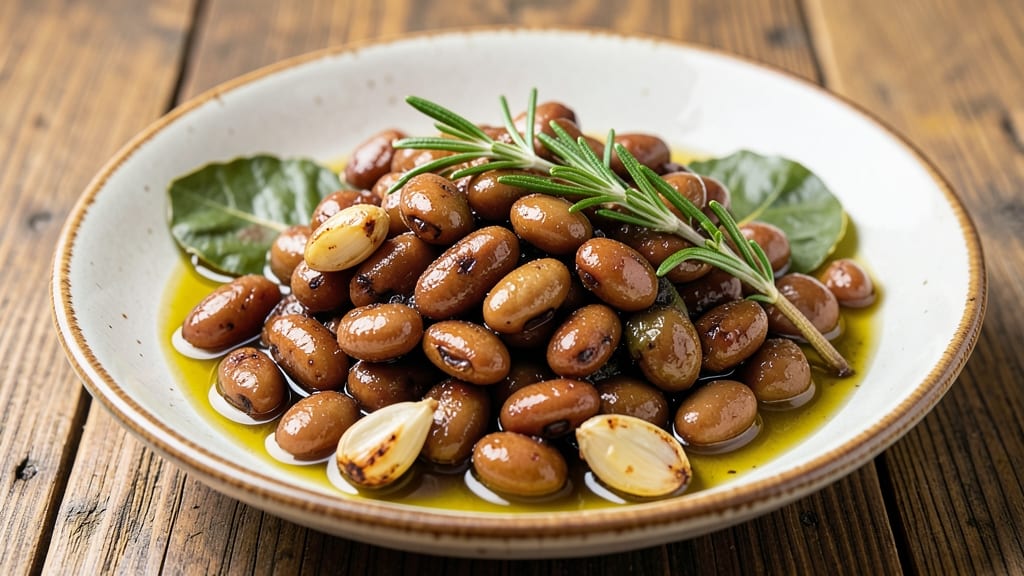
Slow-cooked beans in rich fat until they're fork-tender and infused with garlic and herbs—this bean confit recipe transforms humble legumes into a restaurant-worthy dish. The key lies in patience and the right technique: simmering beans in fat with aromatics until they reach that perfect texture.
I've perfected this method over years of testing, and it works equally well as a standalone vegetarian side or as part of a cassoulet.
What sets this recipe apart is the depth of flavor developed through slow cooking. Traditional versions use duck fat for that signature smoky richness, but I've included a vegan-friendly olive oil alternative that delivers equally impressive results.
The beans become so tender they practically melt in your mouth, while the garlic and herbs infuse every bite with aromatic complexity.
By the time you're done, you'll have beans that are rich, flavorful, and versatile enough to elevate any meal. They pair beautifully with crusty bread, roasted vegetables, or even alongside grilled meats.
The best part? This method transforms simple dried beans into something extraordinary with minimal effort beyond the initial preparation.
Whether you're making it for a special occasion or just want to add more depth to your weeknight dinners, bean confit delivers restaurant-quality results at home. The technique is straightforward once you understand the principles, and the rewards are worth the time investment.
Let's get started on creating this flavorful dish that will impress everyone at your table.
Ingredients for bean confit
Rich olive oil, aromatic herbs, and slow-cooked beans create a restaurant-worthy dish.
| Ingredient | Amount | Notes |
|---|---|---|
| Dried White Beans 🌱 | 1 ½ cups | Soaked overnight or quick-soaked |
| Extra-Virgin Olive Oil 🫒 | 1 ½ cups | High-quality, fruity variety |
| Garlic Cloves 🧄 | 6 cloves | Smashed for maximum flavor |
| Fresh Thyme Leaves 🌿 | ½ cup | Or 1 tbsp dried thyme |
| Fresh Rosemary 🌿 | 2 sprigs | Fresh sprigs for aroma |
| Bay Leaves 🍃 | 2 whole | Dried, standard size |
| Vegetable Broth 💧 | 2 cups | Low-sodium preferred |
| Sea Salt 🧂 | 1 ½ tsp | Diamond Crystal preferred |
| Black Peppercorns 🌶️ | ½ tsp | Freshly cracked |
| Crusty Bread 🍞 | 1 loaf | For serving, optional |
| Smoked Paprika 🌶️ | 1 tsp | For finishing touch |
The beans are the star, so pick a sturdy variety like cannellini or navy. I always soak mine overnight for even cooking, but quick-soaking (boiling 2 minutes, then resting) works too. Trader Joe's has great dried beans in bulk, and their cannellini are my go-to. For the olive oil, look for extra-virgin with fruity notes—the good stuff makes all the difference. The garlic should be fresh, not that sad jarred kind. Smash the cloves with the flat side of your knife to release more flavor without turning to paste.
No fresh thyme? Dried works at one-third the amount. Out of rosemary? Fresh sage or marjoram gives a similar earthy vibe. The vegetable broth can be subbed with water, but add 1 tsp soy sauce for umami depth. If you're avoiding oil, try coconut oil for a neutral base. The smoked paprika at the end is optional but adds that signature confit smokiness. For extra richness, stir in 1 tbsp nutritional yeast when serving—it mimics the depth of traditional duck fat versions.
Store the confit in its cooking fat in an airtight container for up to 5 days in the fridge. The fat keeps everything moist and flavorful. Freezes beautifully for 3 months—just reheat gently with a splash of water. I always make a double batch because it disappears fast. Serve with crusty bread to soak up all that delicious fat, or pair with roasted veggies for a hearty vegetarian main. The flavors only get better the next day, so leftovers are a must.
Why You'll Love This Recipe
- No-Soaking Needed: I’ll be real—soaking beans used to stress me out. These dried white beans just need a quick rinse and a long simmer in olive oil, garlic, and herbs. The texture? Buttery and tender in one go, no overnight prep.
- Umami Bomb: That slow-cooked olive oil caramelizes into the beans, turning them into little flavor pockets. Add a pinch of salt at the end, and suddenly, you’ve got a dish that tastes like it simmered all day—even if it didn’t.
- Meal Prep MVP: Batch these for the week, and you’ve got a pantry staple that works in salads, soups, or even toasted with crusty bread. Honestly, I make a double batch every Sunday because they’re always the first thing to disappear.
- Budget Luxury: Dried beans and olive oil? This is frugal cooking at its finest. The herbs might be fresh, but a little goes a long way, and the result feels like a fancy bistro dish without the price tag. My wallet and taste buds thank me.
Step-by-step instructions for slow-simmered legumes with smoky garlic depth
Transform humble dried beans into melt-in-your-mouth confit with this patient, flavor-packed method.
Prepare the Beans for Maximum Tenderness
Start by draining and rinsing the soaked 1.5 cups dried white beans thoroughly. In a large Dutch oven, combine them with the 1.5 cups extra-virgin olive oil, 6 smashed garlic cloves, 2 sprigs fresh rosemary, and 2 whole bay leaves. The oil should generously coat the beans—this creates the signature confit texture while infusing flavor.
Bring the mixture to a gentle simmer over medium heat, then immediately reduce to the lowest setting. You're aiming for a barely-there bubble—just enough to maintain movement without boiling. This slow cook will break down the beans' skins and develop their natural sweetness over time. Stir occasionally to prevent sticking, and keep the lid slightly ajar to allow excess moisture to escape.
Build the Herb-Infused Broth Foundation
After 30 minutes of simmering, add the 2 cups vegetable broth, 1.5 teaspoons sea salt, and 0.5 teaspoon freshly cracked black peppercorns. The broth should just cover the beans—if it's too shallow, add a splash of water. Stir well to distribute the seasoning evenly throughout the pot.
Here's where the magic happens: Add the 0.5 cup fresh thyme leaves and increase heat to medium-low. Let it simmer uncovered for another 45 minutes, stirring every 15 minutes to prevent the bottom from drying out. You'll notice the beans softening dramatically—their edges should begin to pull away from the skins, and the liquid should reduce slightly, intensifying the flavors.
Develop the Confit Texture and Smoky Depth
When the beans are fork-tender but still holding their shape (about 1 hour 15 minutes total cooking time), stir in the 1 teaspoon smoked paprika. This is your signal to focus on developing that signature confit texture. Reduce heat to lowest setting and let the mixture cook uncovered for another 30-45 minutes, stirring frequently.
The beans are ready when they're silky-smooth with no resistance when pierced, and the liquid has reduced to a glossy, oil-rich sauce that coats the back of a spoon. The aroma should be rich with garlic, thyme, and a subtle smokiness from the paprika. If the sauce seems too thick, add 1-2 tablespoons water to loosen it slightly—just enough to create a luxurious, spoonable consistency.
Rest and Serve with Crusty Bread
Remove from heat and let the confit rest for 10 minutes before serving. This resting period allows the flavors to meld completely and the beans to absorb any remaining cooking liquid. The texture should be creamy yet distinct, with each bean maintaining its shape while being effortlessly tender.
Serve the confit warm or at room temperature, spooned over the crusty bread to soak up every last bit of that garlicky, herby oil. The bread's texture contrasts beautifully with the silky beans, creating the perfect balance. For extra drama, garnish with additional cracked black pepper and a sprinkle of fresh thyme leaves just before serving.
Pro Tips For Making Bean Confit
- SOAK BEANS TWICE: I learned this the hard way—skipping the second soak leaves your beans tough no matter how long you simmer. After an initial 12-hour soak, drain, then do a 30-minute hot soak in fresh water with a pinch of baking soda (yes, it works). This breaks down the skins better than cold soaking alone, especially for dried white beans.
- USE LOW AND SLOW: Bean confit isn’t a race. After the initial simmer, drop the heat to a bare simmer—just small, occasional bubbles—and let them cook for 2+ hours. I used to rush it, and the beans turned mushy instead of tender with that perfect bite. A thermometer reading of 180°F (82°C) is your target.
- BROWN THE GARLIC: Don’t just toss in raw garlic—this isn’t soup. Sauté the minced cloves in olive oil until they’re deep golden, almost crisp at the edges, before adding the beans. The flavor difference is night and day, and it prevents that bitter aftertaste that ruins everything.
- SALT THE OIL FIRST: Add the herbs and garlic to salted olive oil (½ tsp per cup) before simmering the beans. This infuses the oil with flavor and prevents the beans from absorbing too much salt later. I skip this step sometimes, and the dish tastes flat—like I missed a key ingredient.
Perfect pairings for these flavors
Crusty Bread Pairings
Serve your bean confit with crusty bread to soak up all that flavorful oil—Baguette or sourdough work perfectly. I love Trader Joe's French bread for its crispy crust and airy interior. For extra indulgence, toast slices until golden and rub with a garlic clove before serving. 🍞
Roasted Vegetable Complements
Pair with roasted root vegetables like carrots, parsnips, and sweet potatoes for a hearty vegetarian meal. Toss them in olive oil, salt, and smoked paprika before roasting at 400°F for 30 minutes. The caramelized edges contrast beautifully with the silky beans. 🥕
Grilled Meats Enhancement
Bean confit makes an incredible side for grilled meats like duck, chicken, or pork chops. The rich, garlicky beans balance smoky flavors perfectly. I often serve it with herb-marinated grilled chicken for a restaurant-worthy combo. The oil from the confit even bastes the meat as it cooks. 🍗
Cheese Board Elevation
Add a spoonful of bean confit to a cheese board for a creamy, herby element. Pair with aged cheddar, brie, and walnuts for a mix of textures. The garlic and thyme in the confit cut through rich cheeses beautifully. Serve with a dry red wine like Pinot Noir. 🧀
Salad Contrast
Use bean confit as a warm topping for fresh salads like arugula or mixed greens. Toss greens with lemon vinaigrette and top with beans, shaved fennel, and toasted pine nuts. The warm, creamy beans contrast the crisp greens perfectly. 🥗
Breakfast Twist
Don't stop at dinner—use leftover confit in breakfast scrambles or on avocado toast. Stir into eggs with crumbled feta or spread on toast with a poached egg. The smoky, garlicky flavor adds depth to morning meals. 🍳
Nutrition facts
Frequently asked questions
Can I use canned beans instead of dried for confit?
No, dried beans are essential for confit because their skins need to soften and absorb the fat. Canned beans won't develop that signature silky texture or rich flavor. If you're short on time, quick-soak your dried beans (boil 2 minutes, then rest 1 hour) to save preparation time.
What's the best way to store leftover bean confit?
Store in an airtight container with the cooking fat to keep it moist. It stays fresh in the fridge for 5 days or freezes for 3 months. Reheat gently with a splash of water—never microwave directly from the fridge to prevent drying out.
Why does my confit taste bland?
Bland flavor usually means insufficient seasoning or rushing the cooking time. Always taste and adjust salt during cooking, and never skip the 30-45 minute final simmering stage. For extra depth, add 1 tsp soy sauce when simmering or finish with nutritional yeast for umami richness.
Can I make bean confit without oil?
While traditional confit requires fat, you can substitute with coconut oil or even vegetable broth** reduced until syrupy. For texture, add 1 tbsp cornstarch to thicken the liquid. The result won't be as luxurious but still delicious—just expect a different mouthfeel.
How do I know when the beans are perfectly tender?
Test with a fork—they should be fork-tender with no resistance but still hold their shape. The liquid should coat the back of a spoon like a glossy sauce. If they're mushy, you overcooked them. For reference, total cooking time should be 2-2.5 hours from start to finish.