
Soups & Stews
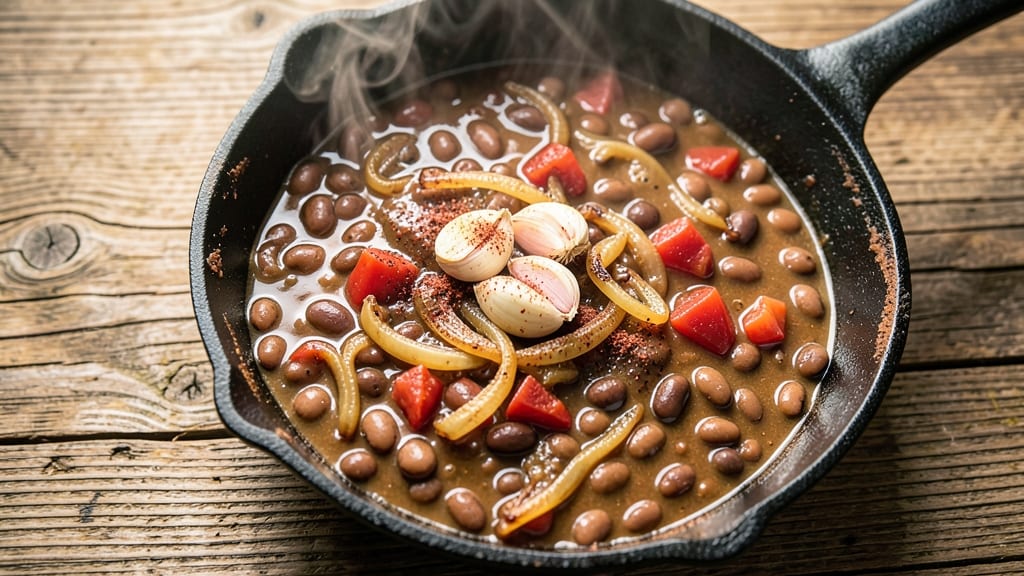
This baked bean stew recipe delivers deep, smoky-sweet flavor that transforms simple ingredients into a hearty vegetarian meal. The secret lies in slow simmering—allowing flavors to meld over time while developing that signature tender texture.
I’ve refined this version to balance traditional techniques with modern twists, like smoked paprika and miso paste, for complexity without effort.
The process is straightforward yet rewarding: sauté onions and garlic until fragrant, then build layers of flavor with tomatoes, spices, and beans in rich broth. A 30-minute bake at 350°F ensures the beans soften perfectly while the edges caramelize into a golden crust.
The result? A stew so satisfying, it becomes the centerpiece of any meal—whether paired with crusty bread or served as-is.
What makes this recipe stand out is its adaptability. Skip the honey for a vegan version, or boost umami with a splash of soy sauce. The slow cooking transforms tough beans into fork-tender bites, while the smoky-sweet sauce coats every spoonful.
It’s the kind of dish that tastes even better the next day, making it ideal for meal prep or cozy weeknight dinners.
Ready in under an hour, this stew proves hearty comfort food doesn’t require complicated techniques—just patience and the right balance of spices. The aroma alone will have everyone gathering around the table. Let’s get started!
Ingredients for baked bean stew
Fourteen ingredients transform into a vegetarian masterpiece with smoky-sweet depth and tender beans.
| Ingredient | Amount | Notes |
|---|---|---|
| Dried Navy Beans 🌾 | 1 ½ cups | Soaked overnight or quick-soaked |
| Yellow Onion 🧅 | 1 whole | Diced, medium size preferred |
| Garlic Cloves 🧄 | 4 cloves | Minced, fresh preferred |
| Canned Crushed Tomatoes 🍅 | 1 can | 15 oz, San Marzano preferred |
| Vegetable Broth 💧 | 2 cups | Low-sodium preferred |
| Smoked Paprika 🌶️ | 2 tsp | For authentic smoky depth |
| White Miso Paste 🍜 | 1 tbsp | For umami richness |
| Maple Syrup 🍁 | 2 tbsp | Grade B for robust flavor |
| Kosher Salt 🧂 | 1 ½ tsp | Diamond Crystal preferred |
| Black Peppercorns 🌶️ | ½ tsp | Freshly cracked preferred |
| Bay Leaves 🍃 | 2 whole | Dried, removed before serving |
| Extra-Virgin Olive Oil 🫒 | 2 tbsp | For sautéing onions |
| Fresh Thyme Leaves 🌿 | ¼ cup | Chopped, or 1 tsp dried |
| Vegetable Oil 🫒 | 1 tbsp | For greasing baking dish |
The beans are the foundation—navy beans hold their shape beautifully while soaking up flavors. Trader Joe's and bulk bins at Whole Foods offer high-quality dried beans; avoid canned if you want maximum texture control. For the tomatoes, San Marzano cans deliver superior sweetness and acidity, though any quality crushed tomato works. The miso paste is non-negotiable for umami depth—White Diamond brand is my go-to, available in the Asian foods aisle. Fresh thyme elevates this dish; if using dried, measure one-third the amount and toast the spices in the oil for 30 seconds to release their aromas.
No smoked paprika? Substitute liquid smoke at 1/2 tsp, though the flavor will be less authentic. Maple syrup can be swapped for agave nectar or brown sugar, though maple's unique notes are ideal. Vegetable broth without low-sodium? Use regular broth but reduce salt by half—this stew needs balance, not salt overload. The bay leaves add aromatic depth; if you're sensitive to their flavor, reduce to 1 leaf or use 1/4 tsp dried bay leaf. For a vegan version, simply omit the honey entirely—this recipe already delivers sweetness through maple and tomatoes.
Prep ahead by soaking beans overnight for even cooking. The stew develops best when made a day in advance—flavors meld beautifully in the fridge. Store covered for 5 days or freeze portions for 3 months. For serving, I recommend a sprinkle of fresh parsley and a dollop of vegan sour cream on top. The crust that forms on the edges? That's the good stuff—scrape it up with a spoon for maximum flavor.
Why You'll Love This Recipe
- No-Soaking Needed: I’ll admit, I used to dread the overnight soak for dried beans—but this stew? Just a quick rinse and a 30-minute simmer, and those navy beans turn ridiculously tender. The broth absorbs all the smoky tomato depth like a sponge, so you end up with that rich, melty texture without the fuss.
- Garlic-Tomato Magic: Here’s what sold me—the crushed tomatoes and garlic cloves caramelize into this sweet-savory base that’s dangerously addictive. The onions soften just enough to melt into the mix, but that bright garlic punch? It lingers in every bite, like a hug for your taste buds.
- Potluck Hero: Between us, this is my go-to for gatherings because it’s solid at room temp and even better reheated. Pack it in a jar, slap a label on it, and watch it disappear—no one will guess it’s just beans and pantry staples. (Yes, even on a Tuesday night.)
- Budget Stretch: Honestly, this stew costs me about $3 for a full pot, and it feeds four with leftovers that taste just as good the next day. The navy beans bulk it up, the broth stretches it out, and I swear, the flavor only gets deeper after sitting overnight. My wallet and my freezer both thank me.
Step-by-step instructions for baked bean stew
Here's the method that delivers restaurant-quality depth with every spoonful.
Prepare the Beans for Maximum Tenderness
Start by sorting through the 1.5 cups dried navy beans, discarding any stones or discolored beans. For overnight soaking, place them in a bowl with plenty of cold water (about 4 cups) and let them sit at room temperature for 12 hours. If you're short on time, use the quick-soak method: boil the beans in water for 2 minutes, then let them stand off heat for 1 hour. This removes antinutrients and ensures even cooking.
Drain and rinse the soaked beans thoroughly. The key here is proper hydration - you want them to be fully softened before baking. I press a few beans between my fingers to check for pliability. If they're still firm, add them back to the pot with fresh water and simmer for another 10 minutes until they're just tender but not mushy. This initial preparation prevents a gummy texture in the finished stew.
Build Flavor Through Sautéing
Heat the 2 tablespoons extra-virgin olive oil in a Dutch oven over medium heat. Add the diced yellow onion and cook for 8-10 minutes until softened and beginning to caramelize at the edges. You'll know it's ready when the onions develop a golden hue and release their sweet aroma. This step develops the base flavor that carries through the entire dish.
Add the 4 minced garlic cloves and cook for 30 seconds until fragrant. Immediately stir in the 2 teaspoons smoked paprika and 1 tablespoon white miso paste, allowing the spices to toast for 1 minute until aromatic. This creates a complex flavor profile that's both smoky and umami-rich. Be careful not to let the spices burn - they should smell deeply aromatic without any bitter notes.
Combine All Ingredients for Layered Flavor
Add the drained beans, 1 can crushed tomatoes, 2 cups vegetable broth, 2 tablespoons maple syrup, 1.5 teaspoons kosher salt, 0.5 teaspoon cracked black peppercorns, and 2 whole bay leaves to the Dutch oven. Stir well to combine all ingredients. The mixture should be thick but still pourable. If it's too thick, add ¼ cup water to reach the proper consistency. This balance of ingredients creates the perfect harmony of sweet, smoky, and savory flavors.
Bring the mixture to a gentle simmer over medium-high heat, then reduce to low heat and let it cook uncovered for 20 minutes. This initial simmer helps the flavors meld together before the baking process. I stir occasionally to prevent sticking, but avoid over-mixing which can break down the beans. The stew should be bubbling gently but not vigorously.
Bake to Develop Deep, Complex Flavors
Preheat your oven to 350°F. Transfer the Dutch oven to the oven and bake uncovered for 2 hours. This long, slow baking time allows the flavors to penetrate each bean and develop that perfect balance of tenderness and texture. I like to check the stew after 1 hour to ensure it's simmering gently - if it's too vigorous, the beans might overcook.
About 30 minutes before the baking time is complete, stir in the 0.25 cup chopped fresh thyme leaves. This late addition ensures the thyme remains bright and aromatic rather than becoming bitter. The stew is done when the beans are fork-tender with just a slight resistance (they'll continue cooking slightly when removed from the oven). The liquid should be thickened but still coat the back of a spoon.
Rest and Adjust for Perfect Texture
Remove the stew from the oven and let it rest for 15 minutes off the heat. This resting period allows the flavors to fully meld and the beans to absorb any remaining liquid. Remove and discard the bay leaves before serving. Taste and adjust the seasoning if needed - you might need an additional ¼ teaspoon salt or ½ teaspoon maple syrup to balance the flavors to your preference.
For serving, I recommend transferring the stew to a warm bowl and garnishing with additional chopped thyme. The perfect baked bean stew should have beans that are tender but still hold their shape, with a sauce that's thick enough to coat a spoon but still has body. Serve with crusty bread or over mashed potatoes to soak up every last bit of that smoky-sweet goodness.
Pro Tips For Making Baked Bean Stew
- SOAK BEANS 8 HOURS (OR OVERNIGHT): I learned this the hard way—skipping the long soak leaves navy beans tough as boot leather. Use 4 cups water per cup beans, cover, and let them sit on the counter. No peeling or pre-sorting needed; just drain and rinse right before cooking.
- SWEAT ONIONS UNTIL SOFT (NO BROWNING): Medium heat is your friend here. Cook the onions for 10-12 minutes until they’re translucent and just starting to caramelize—stop before they darken. Overcooked onions turn bitter, and you’ll taste it in every spoonful.
- SAVE THE TOMATO JUICE: After crushing the tomatoes, pour the juice into a measuring cup. That extra liquid makes a real difference—add it back to the pot to keep the stew from drying out. (Yes, even if the can says "drained.") It’s the glue holding everything together.
- STIR IN BROTH GRADUALLY (NOT ALL AT ONCE): Start with half the broth, let it simmer for 5 minutes, then add the rest. This prevents the beans from absorbing too much liquid at once, which guarantees mushy results. If it looks thin, add a splash more later—but not upfront.
Serving suggestions for this baked bean stew
Crusty Bread Pairing
Nothing complements this rich stew like a warm, crusty loaf of bread to soak up every last drop of smoky-sweet sauce. I love using a sourdough baguette or ciabatta—their open crumb structure absorbs the stew beautifully.
For extra flair, toast the bread with garlic-infused olive oil and sprinkle with flaky sea salt before serving. 🥖
Fresh Herb Garnish
Brighten the dish with a final touch of chopped fresh parsley or thyme right before serving. This adds a pop of color and freshness that cuts through the stew's richness. For a more robust flavor, try cilantro or green onions if you prefer a slightly sharper note.
I often garnish with a drizzle of extra-virgin olive oil to enhance the dish's elegance.
Cheesy Toppings
For a vegetarian twist, top individual servings with shredded sharp cheddar or vegan feta just before serving. The cheese melts into the warm stew, adding a creamy, tangy contrast. If you're avoiding dairy, nutritional yeast sprinkled on top provides a cheesy flavor without the dairy.
A dollop of vegan sour cream adds a cool, creamy finish that balances the heat.
Side Salad Balance
A simple arugula salad with a light lemon vinaigrette provides the perfect acidity to cut through the stew's richness. Toss 4 cups arugula with 2 tbsp olive oil, 1 tbsp lemon juice, and a pinch of salt and pepper.
For extra crunch, add thinly sliced radishes or toasted walnuts. This light side keeps the meal balanced and refreshing.
Warm Cornbread
Sweet cornmeal-based cornbread is a classic pairing that complements the stew's smoky notes perfectly. I use a basic cornbread recipe with buttermilk and honey for a touch of sweetness.
Serve it warm, cut into squares, and let everyone scoop up the stew. For a gluten-free option, use a cornmeal-based mix or almond flour as a binder.
Pickled Vegetable Contrast
Add a tangy crunch with quick-pickled red onions or carrots. Thinly slice 1 red onion and toss with ½ cup vinegar, 1 tbsp sugar, and a pinch of salt. Let it sit for 15 minutes before serving.
The bright acidity and crunch create a delightful contrast to the hearty stew. This is especially effective if you're serving the stew as a cold dish for a potluck.
Nutrition facts
Frequently asked questions about baked bean stew
Can I use canned beans instead of dried?
Yes, but with adjustments! Drain and rinse 3 cans (15 oz each) navy beans and reduce the broth by ½ cup to maintain balance. Canned beans save time but lack the texture depth of dried beans. For best results, add 1 extra bay leaf and ½ tsp sugar to compensate for their milder flavor. The stew will still be delicious but slightly less tender.
Why does my stew taste bland after baking?
Bland flavor usually means insufficient seasoning or underdeveloped depth. Try adding ½ tsp smoked paprika and 1 tsp miso paste during baking, or finish with 1 tbsp soy sauce (for umami) and 1 tsp maple syrup (for sweetness) before serving. Always taste as you go—this stew needs a balance of sweet, smoky, and savory notes to shine.
How can I make this vegan?
This recipe is already vegan-friendly! Simply omit the honey (use 2 extra tbsp maple syrup) and ensure your broth is plant-based. For extra richness, stir in 1 tbsp nutritional yeast at the end. The miso paste and smoked paprika provide deep umami and smoky flavors without any animal products, making this a naturally plant-powered dish.
Can I make this stew in a slow cooker?
Sauté the onions and garlic first, then transfer everything to the slow cooker and cook on low for 6-7 hours or high for 3-4 hours. The slow cooker's gentle heat mimics the oven's effect, though the texture may be slightly softer. Add ¼ cup broth if it gets too thick during cooking. Stir in fresh thyme in the last 30 minutes for maximum aroma.
What’s the best way to reheat leftovers?
Reheat gently on the stovetop over low heat with 2 tbsp broth or water to prevent drying. Stir frequently and add more liquid as needed. For oven reheating, cover with foil and bake at 325°F for 20-30 minutes. Never microwave—it makes the beans mushy. Leftovers taste even better the next day as flavors deepen!