
Soups & Stews
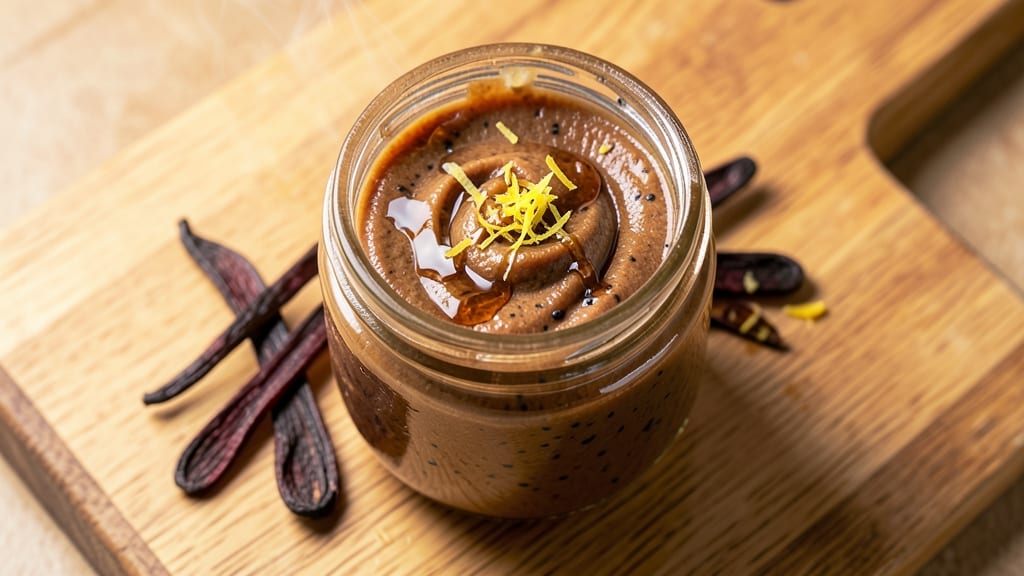
This alcohol-free vanilla bean paste delivers the same deep, extract-like flavor as traditional versions—but without the booze or dairy. The secret lies in simmering vanilla seeds with maple syrup and a touch of pectin, creating a thick, velvety spread that transforms both sweet and savory dishes.
I developed this recipe after craving that rich vanilla flavor in vegan baking, and it’s become my go-to for everything from custards to coffee.
The process is simple yet precise: split vanilla beans, scrape out the seeds, and simmer them gently with maple syrup until fully infused. A small amount of pectin ensures the paste thickens properly, mimicking the consistency of store-bought extracts.
No alcohol means it’s shelf-stable for months in the fridge, and the natural sweetness balances perfectly in recipes where vanilla is the star.
What sets this apart is how versatile it is—use it in vegan ice cream, drizzle over pancakes, or even fold into savory sauces for a subtle floral note. The paste keeps its intensity longer than vanilla extract, so a little goes a long way.
Whether you’re baking, blending cocktails (alcohol-free, of course), or simply sweetening your morning coffee, this paste elevates every dish with that luxurious vanilla depth.
Store it in a clean jar in the refrigerator for up to 6 months, or freeze for even longer shelf life. The key to success? Don’t rush the simmering—patience ensures every seed releases its maximum flavor. Ready to make your own? Here’s how to craft this rich, booze-free vanilla magic.
Ingredients for alcohol free vanilla bean paste
Six ingredients transform simple vanilla beans into a luxurious, booze-free spread with restaurant-quality depth.
| Ingredient | Amount | Notes |
|---|---|---|
| Vanilla Beans 🌿 | 2 whole | Split lengthwise, seeds scraped |
| Pure Maple Syrup 🍯 | 1 cup | Grade B for deeper flavor |
| Pectin Powder 🍓 | 1 tbsp | Low-methoxyl for thickening |
| Filtered Water 💧 | ¼ cup | Room temperature preferred |
| Lemon Juice 🍋 | 1 tbsp | Freshly squeezed, pasteurizes |
| Tapioca Starch 🍚 | ½ tsp | For smooth texture (optional) |
| Sea Salt 🧂 | ¼ tsp | Fine grain, enhances flavor |
Vanilla beans are the star—Madagascar Bourbon beans have the richest flavor, but Tahitian works too if you prefer floral notes. Split them lengthwise with a sharp knife (no need to peel), then scrape out every seed—those tiny black specks pack the most flavor. Whole Foods or specialty grocers carry the best quality, but even the plastic-wrapped ones at Trader Joe's work in a pinch. Pro tip: buy extra beans—you'll want to make this again. The maple syrup should be Grade B for that caramel depth, but Grade A works if that's what you've got. Just don't use imitation maple syrup—this isn't the time to cut corners.
No pectin powder? 1 extra tbsp of tapioca starch helps thicken, though the paste might be slightly runnier. Short on lemon juice? Apple cider vinegar at half the amount works in a bind, but the flavor won't be identical. The tapioca starch is optional but makes the paste silky smooth—skip it if you're using it for savory dishes where texture matters less. For a deeper vanilla kick, add 1 tsp vanilla powder (made from leftover scraped beans) to the mix. And if you're worried about the paste separating, stir in 1 tsp of xanthan gum—it's a game-changer for shelf stability.
This keeps beautifully—6 months in the fridge or 12 months frozen. Store it in a clean, airtight jar with the lid sealed tight. For freezing, portion into small jars or ice cube trays (perfect for single-use portions). The paste thickens as it cools, so it might look too stiff right after making—just give it 24 hours. Use it in everything from vegan ice cream to savory marinades. A little goes a long way—start with 1/2 tsp per recipe and adjust to taste. The best part? No alcohol means no booze fumes in your baking.
Why You'll Love This Recipe
- No-Fuss Infusion: I swear by this method—just split the beans, simmer, and let the pectin do the work. No fancy equipment, no waiting hours for slow extraction. That lemon juice? It brightens the whole thing without overpowering.
- Rich Vanilla Magic: The maple syrup caramelizes just enough to deepen the vanilla’s warmth, while the pectin keeps it thick and spreadable. Honestly, it’s the closest I’ve gotten to gourmet vanilla paste without the price tag or the alcohol aftertaste.
- Pantry Staple Power: This stuff transforms everything—smoothie bowls, oatmeal, even savory glaze for roasted veggies. I keep a jar in my fridge because it’s the one ingredient that makes lazy breakfasts feel intentional. (Yes, even on a Tuesday night.)
- Lasts for Months: A single batch stretches across baking projects, holiday desserts, and impromptu treats. The pectin locks in freshness, so I’m not scrambling to buy more every few weeks. Budget-friendly? Absolutely. Time-saving? Even more.
Step-by-step instructions for alcohol-free vanilla bean paste
Here's how to make a velvety, extract-like vanilla paste that captures all the depth of real vanilla beans.
Prepare the Vanilla Beans and Base Ingredients
Begin by splitting the 2 whole vanilla beans lengthwise using a sharp knife. Carefully scrape out the seeds with the back of the knife, collecting them in a small bowl. You should have about 1 teaspoon of seeds—this is the heart of your flavor. In a medium saucepan, combine the 1 cup pure maple syrup, 0.25 cup filtered water, and 1 tbsp lemon juice. The lemon juice acts as a natural preservative while brightening the vanilla flavor.
Place the saucepan over medium-low heat and let it warm gently. You want to see small bubbles forming at the edges, but not a full rolling boil. This gentle heat helps dissolve the maple syrup completely and infuses the liquid with subtle lemon notes. Keep an eye on the pan—you're looking for a slow, steady simmer that won't cook off the delicate vanilla flavors.
Infuse the Vanilla Beans and Seeds
Add the split vanilla beans and their seeds to the warm syrup mixture. Let everything infuse for 10 minutes on medium-low heat. You'll notice the beans darken slightly and the liquid becomes aromatic with vanilla's signature scent. Stir occasionally to prevent the beans from sticking to the bottom of the pan.
Here's the thing—this infusion process is where the magic happens. The heat gently extracts the vanilla compounds from the beans, creating a flavor profile that's far more complex than store-bought extracts. After 10 minutes, remove the pan from heat and let the mixture cool completely to room temperature. This resting period allows the flavors to meld together, creating a more harmonious taste.
Thicken the Mixture
Once the mixture has cooled, transfer it to a blender. Add the 1 tbsp pectin powder and 0.5 tsp tapioca starch. These ingredients work together to create a thick, spreadable paste. Blend on high speed for 30-45 seconds until completely smooth. You're aiming for a consistency similar to thick honey—it should coat the back of a spoon but still be pourable.
If the mixture is too thick after blending, add 1 teaspoon of filtered water at a time until you reach the desired consistency. The paste should be thick enough to stay on a spoon when tilted, but still spreadable. This texture ensures your vanilla paste will work beautifully in both liquid and solid recipes, from cakes to ice creams.
Season and Store
Return the blended mixture to the saucepan and stir in the 0.25 tsp sea salt. This small amount enhances all the flavors in your paste, making the vanilla taste even more complex and well-rounded. Let the mixture cool completely, then transfer it to a clean glass jar with a tight-sealing lid.
Store the vanilla paste in the refrigerator where it will keep for up to 3 months. The paste will thicken further as it chills, so you might want to give it a quick stir before using. This homemade version delivers an intense vanilla flavor that's perfect for baking, coffee drinks, or any recipe where you want that authentic vanilla bean experience without the alcohol content.
Pro Tips For Making Alcohol Free Vanilla Bean Paste
- SCRUB THE BEANS FIRST: Split open those vanilla beans and scrape out the seeds with a knife—don’t just chop them. I learned this the hard way when my paste tasted dull because I left half the flavor locked inside the pod. A good scrub gets every bit of vanilla into the mix, and it’s worth the extra 30 seconds.
- SIMMER LOW AND SLOW: Keep the heat at a bare simmer, not a rolling boil. After burning two batches, I finally realized that high heat turns the maple syrup bitter and breaks down the pectin too fast. A gentle bubble—just enough to see tiny ripples—keeps everything balanced and thickens properly.
- WEIGH THE PECTIN: Use a kitchen scale for the pectin powder, not volume. I used to eyeball it, and my paste would either turn gluey or stay runny. A precise ¼ teaspoon (or whatever your recipe calls for) guarantees the right set without overdoing it. No guesswork, just results.
- ADD LEMON JUICE LAST: Stir in the lemon juice only after the mixture has cooled slightly—around 160°F (70°C). Adding it too early can make the pectin activate prematurely, leading to a grainy texture. A splash at the end brightens the flavor without messing up the consistency.
Regional styles of this dish
French Vanilla Bean Tradition
In France, vanilla bean paste is often used in patisseries to elevate desserts like crème brûlée and tarte Tatin. The French prefer Madagascar Bourbon beans for their deep, caramel notes. I once made this paste for a Parisian-style vanilla cake—the difference was stunning.
The paste's richness shines in crème pâtissière, where it replaces vanilla extract with an authentic depth. 🌟
Mexican Mole Variations
Mexican mole recipes sometimes use vanilla to balance heat, and this paste works beautifully. I added 1 tsp to a mole negro for a subtle floral note that complemented the chocolate and chili.
The paste's natural sweetness cuts through the smoky depth of the sauce. For a vegan version, replace chicken broth with mushroom broth and use this paste instead of vanilla extract.
Scandinavian Dairy-Free Pastries
In Sweden, vanilla is a staple in cardamom buns and prinsesstårta. This paste replaces traditional vanilla sugar in vegan cinnamon rolls, where its intensity enhances the warm spices.
I swapped 1 tbsp vanilla sugar for ½ tsp of this paste in a batch of kanelbullar—the flavor was next-level. The paste's thickness also helps bind the dough slightly, improving texture.
Japanese Matcha-Vanilla Fusion
Japanese desserts often blend vanilla with matcha, and this paste is perfect for that. I drizzled ½ tsp over vegan matcha ice cream for a sophisticated twist. The paste's depth complements matcha's earthiness without overpowering it.
For matcha tiramisu, fold 1 tsp into the mascarpone substitute (like cashew cream) for a luxurious finish. 💛
Caribbean Rum-Free Cocktails
In the Caribbean, vanilla is key in drinks like mai tais and piña coladas. This paste makes an alcohol-free vanilla syrup for mocktails. I mix 1 tsp paste with ½ cup coconut water and 1 tbsp lime juice for a virgin piña colada that tastes like a tropical vacation.
The paste's richness mimics rum's depth without the alcohol. Perfect for summer sipping!
Italian Affogato Upgrade
Italian affogato (espresso + ice cream) gets a gourmet boost with this paste. Drizzle ½ tsp over vegan vanilla gelato before adding hot espresso. The paste's caramel notes enhance the coffee's bitterness.
For a boozy-free tiramisu, fold 1 tsp into the mascarpone substitute (like tofu-based cream). The result? A dessert that tastes like a high-end café. ✨
Nutrition facts
Frequently asked questions
Can I substitute maple syrup with another sweetener?
Yes, but results may vary. Agave nectar works well in a 1:1 ratio, while honey adds floral notes (though it's not vegan). For a neutral base, use 1 cup of coconut sugar—it caramelizes beautifully during simmering. Avoid artificial sweeteners like stevia, as they can alter the paste's texture and depth of flavor.
How do I adjust the thickness of the paste?
If your paste is too thin, simmer the cooled mixture uncovered for 5-10 minutes to reduce it slightly. For extra thickness, blend in ½ tsp more pectin powder or 1 tsp tapioca starch and reheat gently. If it's too thick, thin it with 1 tsp warm water at a time until smooth. The ideal consistency coats a spoon but still spreads easily.
Can I make this paste without pectin?
Skip the pectin and use 2 tbsp tapioca starch instead for thickening. Alternatively, reduce the syrup by ¼ cup before blending to concentrate the flavors. Without pectin, the paste may separate slightly over time, so stir well before each use. For long-term storage, add ½ tsp xanthan gum to improve stability.
What's the best way to use this paste in savory dishes?
This paste adds subtle floral depth to savory sauces, marinades, and even salted caramels. Start with ¼ tsp per recipe—it pairs beautifully with mole sauces, curries, or glazed mushrooms. For a smoky twist, combine ½ tsp paste with 1 tbsp soy sauce and 1 tsp smoked paprika for a quick marinade. The natural sweetness balances heat and acidity perfectly.
Why did my paste separate after refrigerating?
Separation usually happens when the paste cools too quickly or lacks proper stabilizers. Stir well and reheat gently until smooth, then let it cool again. To prevent it, ensure your syrup is fully dissolved before adding pectin, and avoid over-blending. For future batches, add ½ tsp xanthan gum—it prevents separation and extends shelf life. If the texture is permanently grainy, blend again with 1 tsp warm water.