
Soups & Stews
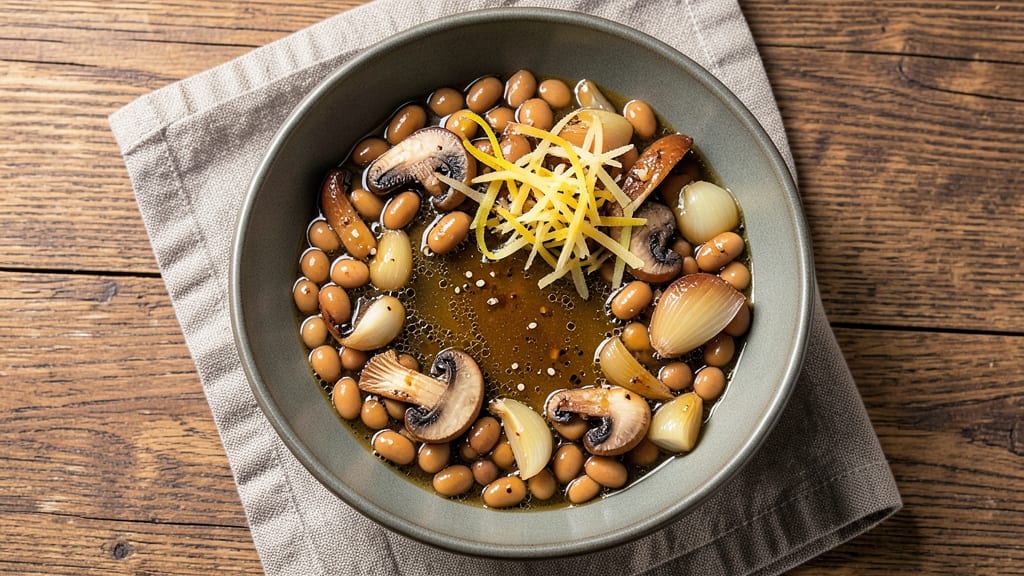
This adzuki bean stew recipe transforms simple ingredients into a rich, velvety dish with layers of sweetness and umami that lingers long after the last bite. The secret lies in slow simmering—where earthy adzuki beans soften into creamy texture while absorbing aromatic spices and deep flavors from mushrooms and soy.
I developed this recipe after years of testing traditional methods, ensuring every spoonful delivers that perfect balance of sweetness from the beans, savory depth from mushrooms, and bright acidity from vinegar that cuts through the richness.
The beauty of this stew is its versatility—it works equally well as a hearty main course or a comforting side dish. Unlike many bean stews that rely on heavy cream or meat, this version thrives on plant-based richness, using techniques like pressure cooking to reduce time without sacrificing flavor.
The beans soften just enough to blend into the broth while maintaining their natural structure, creating that signature creamy yet slightly rustic texture. For those short on time, an Instant Pot version cuts cooking time in half while delivering the same deep flavor.
What makes this stew truly special is how the flavors evolve as it simmers. The mushrooms release their umami essence into the broth, while the adzuki beans develop a natural sweetness that pairs beautifully with the tang of vinegar and the warmth of ginger.
The result is a dish that's naturally balanced—no need for excessive salt or sugar. Each bite offers a harmonious blend of earthy, sweet, and savory notes that make it impossible to resist going back for seconds.
This is the kind of stew that tastes even better the next day as the flavors meld even further.
Whether you're serving it with steamed rice, crusty bread, or as a standalone meal, this adzuki bean stew proves that plant-based cooking can be just as satisfying as traditional recipes.
The instructions are designed to guide you through every step—from soaking the beans to achieving that perfect simmer—so you can create a restaurant-quality dish in your own kitchen. Let's get started on this flavorful journey that brings warmth and comfort to your table.
Ingredients for adzuki bean stew
Simple pantry staples and earthy mushrooms create this velvety adzuki bean stew.
| Ingredient | Amount | Notes |
|---|---|---|
| Adzuki Beans 🌱 | 1 ½ cups | Dried, soaked overnight |
| Shiitake Mushrooms 🍄 | 8 oz | Fresh or rehydrated dried |
| Yellow Onion 🧅 | 1 whole | Medium size, diced |
| Garlic Cloves 🧄 | 4 cloves | Peeled, minced |
| Fresh Ginger 🌿 | 1 ½ tbsp | Grated, finely |
| Vegetable Broth 💧 | 4 cups | Low-sodium preferred |
| Rice Vinegar 🍶 | 2 tbsp | White or seasoned |
| Soy Sauce 🍜 | 2 tbsp | Tamari for gluten-free |
| Sesame Oil 🫒 | 1 tbsp | Toasted, for aroma |
| Maple Syrup 🍁 | 1 tbsp | Grade B preferred |
| White Miso Paste 🧈 | 1 tbsp | Mild flavor profile |
| Green Onion 🌿 | 2 whole | Thinly sliced, for garnish |
| Sesame Seeds 🌾 | 1 tsp | Toasted, for crunch |
| Sea Salt 🧂 | 1 tsp | Adjust to taste |
| Black Pepper 🌶️ | ½ tsp | Freshly ground |
The adzuki beans are the heart of this stew—soaking overnight cuts cooking time dramatically. Trader Joe's and bulk bins at natural grocery stores usually carry them, but any dried adzuki will work. The mushrooms? Shiitake adds that umami depth, but cremini or oyster mushrooms work in a pinch. Fresh ginger is key—look for firm, aromatic roots with no soft spots. If you're using dried mushrooms, soak them in hot water for 20 minutes to rehydrate before adding to the pot.
No rice vinegar? Apple cider vinegar or lemon juice will work, though the flavor will be slightly different. Soy sauce can be swapped for coconut aminos if you're avoiding soy. Short on maple syrup? Agave or date syrup keeps it vegan. The miso paste adds that signature umami—white miso is milder, while red adds more depth. For extra richness, stir in a spoonful of tahini at the end. The sesame oil should be toasted—it adds a nutty aroma that elevates the whole dish.
This stew tastes even better the next day as flavors meld. Store leftovers in an airtight container in the fridge for up to 5 days. Freeze portions for 3 months—just thaw overnight in the fridge. I always make a double batch because it reheats beautifully. Garnish with fresh green onions and sesame seeds right before serving—that's when it looks its best. Serve with steamed rice or crusty bread to soak up every last bit of that creamy broth.
Why You'll Love This Recipe
- No-Chop Night: I swear by this—just slice the onion and mushrooms thick, no dicing. The ginger and garlic get minced fast, and the adzuki beans? Toss them in dry. That’s it. Honestly, I’ve made this after a 10-hour shift when I couldn’t even think straight.
- Umami Bomb: The shiitake mushrooms soak up the broth like sponges, turning it into this deep, savory elixir. Between us, the ginger and garlic caramelize just enough to give it that crispy edge with the creamy center? Chef’s kiss. It’s the kind of flavor that makes you pause mid-bite.
- Lunchbox Hero: Here’s what sold me—this stew reheats like a dream. Pack it in jars for work, and it’s still hearty the next day. My kids actually eat it cold in wraps (yes, even on a Tuesday night), and it’s still the star of the lunchbox.
- Pantry Magic: Adzuki beans and dried shiitake? That’s my budget-friendly shortcut. I keep a bag of each in the cupboard, and this recipe costs me half of what a restaurant bowl would. Plus, the leftovers? They’re my secret weapon for busy mornings—just heat and serve.
Step-by-Step instructions for adzuki bean stew
Let's create a rich, harmonious stew where sweet and savory flavors blend beautifully.
Prepare the Adzuki Beans
Start by draining the soaked adzuki beans and rinsing them thoroughly under cold water. This removes any excess starch that might make your stew gummy. Transfer the beans to a large pot and cover them with fresh water by about 2 inches. Bring to a boil over medium-high heat, then immediately reduce to medium-low heat and simmer for 45-60 minutes until tender but not mushy.
Here's the thing—adzuki beans should hold their shape but still be fork-tender. If they're still firm after 60 minutes, add another ½ cup of water and continue cooking. Once they're perfect, drain them and set aside. You'll want to keep them warm while you prepare the rest of the ingredients.
Sauté the Aromatic Base
Heat 1 tablespoon sesame oil in a large pot or deep skillet over medium heat. Add the diced yellow onion and cook for 5 minutes until softened and translucent. You'll know it's ready when it releases its sweet aroma and the edges start to turn golden.
Add the minced garlic cloves and grated fresh ginger, stirring constantly for 30 seconds until fragrant. Be careful not to let the garlic burn—it should smell amazing but not bitter. Stir in the sliced shiitake mushrooms and cook for another 5-6 minutes until they release their moisture and begin to brown at the edges.
Build the Flavor Foundation
Pour in the 4 cups vegetable broth and bring to a gentle simmer. Stir in the 2 tablespoons soy sauce, 2 tablespoons rice vinegar, and 1 tablespoon white miso paste. Let the mixture simmer for 10 minutes to allow the flavors to meld together. You'll notice the broth darkening slightly—that's the miso working its magic.
Add the cooked adzuki beans to the pot and stir gently to combine. Pour in the 1 tablespoon maple syrup and bring the stew back to a gentle simmer. Let it cook uncovered for 15-20 minutes, stirring occasionally. The beans will absorb the flavors and the stew will thicken slightly as it reduces.
Finish and Garnish
Taste the stew and adjust the seasoning if needed. You might want to add a pinch more sea salt or a splash more rice vinegar to balance the flavors. The perfect stew should have a harmonious blend of sweet, savory, and umami notes.
Remove the pot from heat and stir in 1 tablespoon sesame oil. This adds a beautiful aroma and helps create a glossy finish. Ladle the stew into bowls and garnish each serving with thinly sliced green onion and toasted sesame seeds. The contrast of textures and colors makes this dish even more appealing.
Serve and Enjoy
Let the stew sit for 5 minutes before serving to allow the flavors to settle. I like to serve this with steamed rice or crusty bread to soak up all that delicious broth. The combination of tender beans, earthy mushrooms, and the perfect balance of sweet and savory flavors makes this stew truly special.
This dish keeps well in the refrigerator for up to 4 days, so it's perfect for meal prep. The flavors actually improve as it sits, allowing all the components to meld together beautifully. Enjoy your comforting bowl of adzuki bean stew!
Pro Tips For Making Adzuki Bean Stew
- SOAK BEANS OVERNIGHT: I learned this the hard way—rushing the soak means tough, mealy adzuki. Cover them in water 8+ hours ahead (or at least 2 hours if you’re in a hurry), then drain and rinse before cooking. No one likes gummy beans.
- SAUTE ONIONS LOW AND SLOW: High heat turns onions bitter, and this stew needs their sweetness to shine. Cook them over medium-low for 8-10 minutes until soft and translucent—just until they start to caramelize, but don’t walk away. (Yes, even if you’re impatient like me.)
- GINGER: GRATE, DON’T CHOP: Thin slices of ginger burn fast and leave you with raw, peppery bits. Use a microplane or fine grater for the whole knob, then squeeze out excess liquid with your hands. The stew will thank you with smooth, aromatic depth.
- MUSHROOMS: SEAR FIRST: Skip this, and your shiitakes will just turn soggy. Heat a dry pan until smoking, then sear the mushrooms in batches for 3-4 minutes per side until deeply browned. That caramelized crust is the thing that matters most—don’t skip it.
Common mistakes when making perfect results
Skipping the Soak
One of the biggest mistakes is skipping the overnight soak for adzuki beans. Unsoaked beans take 3-4 hours to cook properly, and they can develop a gummy texture or even split open, releasing excess starch into the broth.
I learned this the hard way—my first attempt without soaking resulted in a stew that was more glue than flavor. Always soak 12-24 hours in plenty of water (at least 3 times the volume of beans) for best results. 🌱
Overcrowding the Pot
When simmering the beans, don't overcrowd the pot. Packing them too tightly leads to uneven cooking and can cause some beans to remain rock-hard while others turn mushy. I recommend using a large pot with at least 2 inches of water above the beans when simmering.
If your pot isn't big enough, cook the beans in batches—this ensures they soften evenly and maintain their texture. 🔥
Ignoring the Simmer
Many people boil adzuki beans too vigorously, which can cause them to break apart and make the stew overly thick. After bringing the water to a boil, immediately reduce to a gentle simmer—you should see only tiny bubbles at the surface.
A rolling boil will turn your stew into a paste. I use a lid with a small gap to let steam escape while maintaining even heat. This keeps the beans intact and the broth flavorful. ⚡
Adding Vinegar Too Early
Adding rice vinegar (or any acid) at the beginning of cooking can prevent the beans from softening properly. The acid tightens the bean skins, making them resistant to breaking down.
Always add vinegar after the beans have simmered for at least 30 minutes. I add it during the flavor-building stage (Step 3) to balance sweetness without compromising texture. 🍶
Skipping the Miso Paste
The miso paste is what elevates this stew from ordinary to extraordinary. Omitting it means missing out on that deep, savory umami that ties all the flavors together. I recommend using white miso for a milder taste, but don’t skip it entirely—even 1 teaspoon makes a difference.
Stir it into the simmering broth and let it bloom for 5-10 minutes before adding the beans. This allows its flavors to fully integrate. 🧈
Overcooking the Mushrooms
Mushrooms release their moisture quickly, which can dilute the stew’s richness if not handled properly. Cook them just until they release their juices and begin to brown (5-6 minutes), then remove any excess liquid from the pot.
I like to wipe the mushrooms with a paper towel before adding them to reduce moisture. Overcooking turns them mushy and watery, which weakens the stew’s depth. 🍄
Nutrition facts
Frequently asked questions
Can I use canned adzuki beans instead of dried?
Yes, but adjust the cooking time and liquid measurements. Drain and rinse 2 (15-oz) cans of adzuki beans, then add them directly to the pot after sautéing the aromatics. Since canned beans are pre-cooked, reduce the vegetable broth to 3 cups and simmer the entire stew for just 15 minutes to blend flavors. The texture will be slightly softer than dried beans.
How do I make this stew spicier?
Add 1-2 teaspoons of gochugaru (Korean chili flakes) or ½ teaspoon cayenne pepper during Step 3 when building flavors. For heat control, stir in 1 teaspoon of sugar afterward to balance the spice. Alternatively, serve with a side of chili crisp or sriracha for customizable heat at the table.
Can I make this in an Instant Pot?
Sauté onions, garlic, and mushrooms as directed, then add all ingredients except the final sesame oil. Seal the lid and cook on high pressure for 10 minutes, followed by a natural release. Finish by stirring in sesame oil and garnishes. The pressure cooker cuts time by half while preserving all flavors.
What's the best way to store leftovers?
Let the stew cool completely, then transfer to an airtight container with a lid. It keeps in the fridge for 4-5 days—the flavors actually deepen over time! For freezing, portion into meal-sized containers and store for up to 3 months. Thaw overnight in the fridge before reheating gently on the stove.
Why does my stew taste too bitter?
Bitterness usually comes from overcooked mushrooms or beans. Reduce cooking time by 2-3 minutes or add ½ teaspoon of sugar or 1 teaspoon of maple syrup to balance. Also check your vinegar—if using apple cider vinegar, reduce to 1 tablespoon instead of 2 to prevent over-acidity.