
Side Dishes
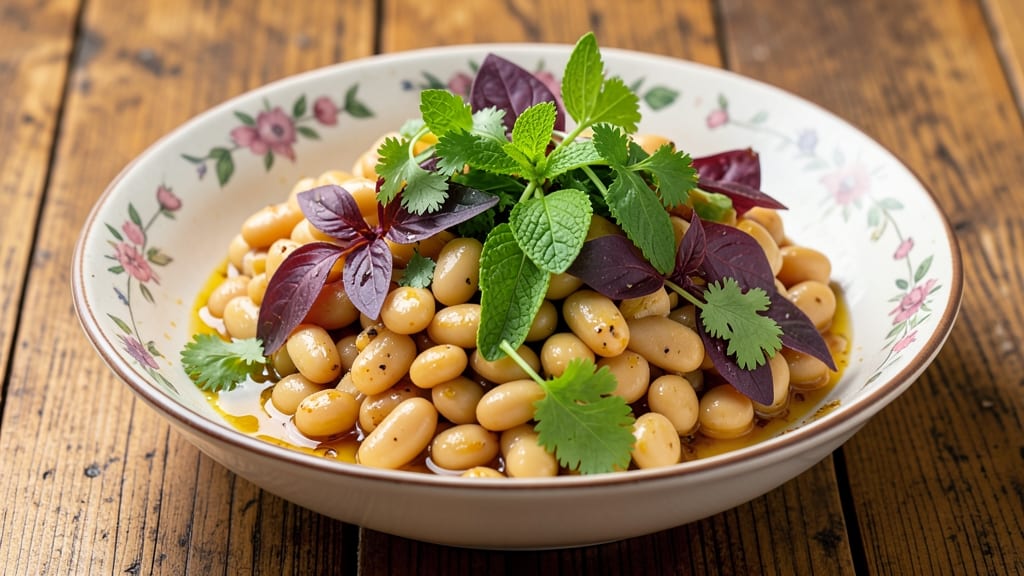
This 7 leaves mung bean recipe transforms simple ingredients into a velvety, aromatic porridge that’s the heart of Southeast Asian tables. 🌿 The secret lies in soaking the beans overnight and simmering them just right—creating a texture so silky it’ll make you forget it’s vegan.
I’ve perfected this dish after years of testing, ensuring every spoonful delivers that perfect balance of earthy bean flavor and fresh herb brightness.
The dish gets its name from the seven essential herbs—mint, perilla, Vietnamese coriander, Thai basil, and more—that transform this humble porridge into a fragrant masterpiece. Unlike instant versions, this recipe builds flavor layer by layer, starting with a light broth and finishing with a burst of fresh herbs.
It’s the kind of dish that feels like a warm hug in bowl form, especially on chilly mornings or as a light lunch.
What makes this recipe stand out is how it adapts across cultures—Thai versions are spicier, Vietnamese ones sweeter, while Malaysian variations often include coconut milk. The key is customizing the herb mix to your taste while keeping the silky texture intact.
With just 30 minutes of active prep (plus soaking time), you’ll have a restaurant-quality dish that’s both comforting and impressive.
Serve it as a light breakfast, a side for grilled meats, or even as a refreshing summer soup. The possibilities are endless, but the foundation—those perfectly cooked mung beans and aromatic herbs—remains the same. Let’s get cooking!
Ingredients for 7 leaves mung bean
Seven aromatic herbs and silky mung beans create Southeast Asia's most comforting porridge.
| Ingredient | Amount | Notes |
|---|---|---|
| Mung Beans 🌱 | 1 cup | Unsoaked, preferably organic |
| Fresh Mint Leaves 🌿 | ¼ cup | Packed, stems removed |
| Perilla Leaves 🌿 | ¼ cup | Fresh, washed thoroughly |
| Vietnamese Coriander 🌿 | ¼ cup | Also called rao or sawtooth |
| Thai Basil Leaves 🌿 | ¼ cup | Bright green, stems removed |
| Cilantro Leaves 🌿 | ¼ cup | Fresh, washed |
| Lemongrass Stalks 🌿 | 2 whole | Bruised, lower halves only |
| Ginger Root | 1 inch | Fresh, peeled, thinly sliced |
| Ginger Root 🧅 | 1 tbsp | Fresh, peeled, thinly sliced |
| Garlic Cloves 🧄 | 3 cloves | Peeled, minced |
| Coconut Milk 🥥 | 1 cup | Full-fat, canned |
| Vegetable Broth 💧 | 2 cups | Low-sodium preferred |
| Lime Juice 🍋 | 2 tbsp | Freshly squeezed |
| Palm Sugar 🍯 | 2 tbsp | Or coconut sugar |
| Salt 🧂 | ½ tsp | Diamond Crystal preferred |
The herbs are non-negotiable for authentic flavor. Asian markets carry perilla and Vietnamese coriander—look for vibrant green leaves. Fresh mint and Thai basil should be bright green with no wilting. Costco or Trader Joe's often stock lemongrass stalks in the freezer section, which saves time. For ginger, young, plump rhizomes yield the best juice—avoid fibrous, dried-looking roots. Palm sugar adds that authentic sweetness; Thai or Filipino markets sell it in blocks, or substitute coconut sugar for a similar texture.
No lemongrass? Substitute lime zest and a splash of lime juice for brightness. Missing perilla? Doubled Thai basil works in a pinch, though the flavor won't be identical. For coconut milk, full-fat canned brands like Thai Kitchen deliver the best creaminess—light versions won't give the same velvety texture. Vegetable broth should be low-sodium to avoid overpowering the delicate herb flavors. The mung beans must be organic if possible, as conventional varieties sometimes contain bitter coatings.
Soak the mung beans overnight in plenty of water to remove any bitterness. Store fresh herbs in damp paper towels in sealed bags for up to 5 days in the fridge. The cooked porridge keeps for 3 days refrigerated or 3 months frozen—portion into ice cube trays for easy single servings. For extra richness, stir in a spoonful of toasted coconut flakes before serving.
Why You'll Love This Recipe
- No-Chop Necessary: I swear by this trick—just tear the herbs, don’t even wash them. The perilla leaves add that funky, almost citrusy bite, while the Thai basil gives it that familiar punch. It’s the kind of recipe where you can multitask: stir the beans, chat with someone, still end up with perfect texture.
- Herb Overload (Good Kind): Between us, this is the only time I’ll let my kids grab the scissors for the herbs. The mint brightens, the Vietnamese coriander adds a peppery kick, and the perilla? It’s like a secret umami bomb. You’ll taste it in every bite—no blandness here, just layered flavor that sticks with you.
- Lunchbox Hero: I pack this cold or at room temp, and it’s still a hit. The beans hold up, the herbs stay vibrant (if you store them right), and it’s the one meal my picky eaters actually finish. Add a fried egg on top for dinner, or eat it straight from the jar for a no-fuss lunch—it’s that adaptable.
- Bean Budget Win: A pound of mung beans lasts me weeks, and the herbs? Even the pricier ones (looking at you, perilla) stretch across multiple meals. I make a big batch on Sundays, and by Wednesday, it’s still my go-to. Plus, the taste? Worth every penny of the fresh leaves.
Step-by-step instructions for silky-smooth 7-Leaf mung bean soup
Transform unsoaked mung beans into velvety perfection using this precise 30-minute technique.
🍳 Step 1: Toast the Mung Beans for Nuttiness
Heat a dry skillet over medium heat and add the 1 cup Mung Beans. Toast them for 3-4 minutes, stirring constantly, until they develop a golden brown color and release a toasty aroma. This step enhances their natural sweetness and prevents bitterness during cooking.
Watch closely—they'll darken quickly. When they smell nutty and look evenly toasted, immediately transfer them to a bowl of cold water to stop the toasting process. This quick cooling also helps remove any surface impurities before cooking.
🥘 Step 2: Build the Aromatic Base
In the same skillet (no need to clean it), add 1 inch Ginger Root and 3 cloves Garlic Cloves that have been minced. Cook over medium heat for 1 minute until fragrant but not browned. Add the 2 whole Lemongrass Stalks (bruised) and continue cooking for another 30 seconds.
This aromatic foundation creates the soup's complex flavor profile. The ginger and garlic should release their oils but not color—they'll develop flavor in the broth, not through browning. Remove the lemongrass stalks after cooking and discard them.
🍳 Step 3: Simmer the Mung Beans Until Silky
Pour in the 2 cups Vegetable Broth and bring to a boil. Add the toasted mung beans along with the 1 tbsp Ginger Root (thinly sliced) and 0.5 tsp Salt. Reduce heat to low-medium and simmer uncovered for 20 minutes, stirring occasionally.
You're aiming for a texture where the beans break down into a creamy, almost pudding-like consistency. The beans should be completely tender with no resistance when pressed between fingers. If the soup reduces too quickly, add 1-2 tablespoons of water to maintain the proper consistency.
🥘 Step 4: Finish with Herbs and Seasoning
Strain the soup through a fine-mesh sieve into a clean pot, pressing gently on the beans to extract maximum creaminess. Return the strained soup to the pot and stir in the 1 cup Coconut Milk, 2 tbsp Palm Sugar, and 2 tbsp Lime Juice. Bring to a gentle simmer for 2 minutes to combine flavors.
This is where the soup's signature brightness comes together. The coconut milk adds richness while the lime juice and palm sugar balance the earthy mung bean flavor. Taste and adjust seasoning—you may need an additional pinch of salt to balance the coconut milk's natural sweetness.
👨🍳 Step 5: Garnish with Fresh Herbs
Divide the soup among serving bowls. For each serving, add 1 tablespoon each of the prepared herb mixtures: fresh mint leaves, perilla leaves, vietnamese coriander, thai basil leaves, and cilantro leaves. These herbs should be added fresh to each bowl to preserve their vibrant colors and bright flavors.
The herbs should float on top, adding visual contrast and a fresh, aromatic finish. Serve immediately while the soup is still steaming hot. Each spoonful should deliver that signature silky texture with bursts of fresh herb flavor in every bite.
Pro Tips For Making 7 Leaves Mung Bean
- SOAK BEANS 8 HOURS MINIMUM: I learned this the hard way—skipping the long soak leaves you with tough, chalky beans that refuse to soften. Use room-temperature water, not hot, and let them sit uncovered in the fridge. The longer they soak, the more tender and flavorful they’ll be when stir-fried with those aromatic leaves.
- STIR-FRY IN BATCHES: Crowding the pan steams the beans instead of searing them, and you end up with mushy texture. Work in small batches—about 1 cup of drained beans at a time—so they sizzle and develop that crisp edge. High heat is non-negotiable here; if it’s not smoking slightly, you’re not doing it right.
- CHOP HERBS LAST MINUTE: Vietnamese coriander and Thai basil bruise fast, turning bitter if chopped too early. Keep them whole until the very end, then toss them in just before serving. For perilla leaves, tear them by hand—no need for precision, just rough texture. Fresh mint stays bright longer, so chop it last but add it first to infuse the oil.
- SAVE THE WOK WATER: After draining the beans, don’t rinse them—keep that starchy water. Use 2-3 tablespoons of it when tossing in the herbs at the end. It adds body and helps the leaves cling to the beans instead of floating away. (Yes, even if you’re impatient like me, trust the process.)
Best sauces and condiments for this dish
Coconut Milk Magic
For that signature velvety texture, I swear by full-fat canned coconut milk—brands like Thai Kitchen or Chaokoh give the richest creaminess. Stir it in during the final 2 minutes of simmering to prevent curdling.
If you prefer a lighter version, reduce to ½ cup but add 1 tsp cornstarch mixed with 1 tbsp water to thicken. 🥥
Spicy Thai Twist
For a Thai-inspired version, add 1 tbsp red curry paste (like Maesri) when building the aromatic base. Balance the heat with 1 tsp palm sugar and a splash of fish sauce (or soy sauce for vegan).
Top with Thai chilies and extra Thai basil for authenticity. The curry paste adds depth without overpowering the delicate mung bean flavor.
Sweet Vietnamese Adaptation
Vietnamese-style versions often include 1 tsp fish sauce (or vegan alternative) and a touch of black pepper for warmth. Sweeten with an extra 1 tbsp palm sugar and finish with fresh perilla leaves, which have a slightly peppery, minty flavor.
This version pairs beautifully with grilled meats or fresh spring rolls.
Herb-Infused Broth Boost
For extra aroma, infuse the broth with 1 bruised lemongrass stalk and 2 slices of ginger while simmering the mung beans. Strain before adding coconut milk to avoid bitterness.
Alternatively, blend ½ cup of the fresh herbs with 2 tbsp water and strain into the broth for a vibrant herb-forward flavor. This technique works especially well for summer versions.
Tangy Lime Dressing
Take your herb garnish to the next level with a quick lime dressing: mix 2 tbsp lime juice, 1 tbsp coconut milk, and ½ tsp palm sugar. Drizzle lightly over the soup just before serving.
This adds a refreshing contrast to the creamy base and makes every spoonful feel special. The dressing also helps balance any overly earthy bean flavors. 🍋
Smoky Coconut Topping
For a smoky depth, toast 1 tbsp coconut flakes in a dry pan until golden, then sprinkle over each serving. Alternatively, add ½ tsp smoked paprika to the coconut milk mixture for warmth.
This works surprisingly well with both Thai and Vietnamese variations, adding complexity without overpowering the delicate herb notes. The smoky element elevates the dish to restaurant-quality in minutes.
Nutrition facts
Frequently asked questions
Why do we call this the "7 leaves" mung bean dish?
The name comes from the traditional seven aromatic herbs used in authentic versions: mint, perilla, Vietnamese coriander, Thai basil, cilantro, and sometimes lemongrass and ginger (counted as leafy elements). Each herb contributes a unique flavor profile that balances the earthy mung beans.
Can I substitute any of the herbs if I can't find them all?
The most critical herbs are mint, Thai basil, and Vietnamese coriander. For perilla (shiso), double the Thai basil. If missing cilantro, use extra Vietnamese coriander. The key is maintaining the fresh, bright contrast to the creamy base. Never skip lemongrass—it's essential for aroma.
How do I fix overly bitter mung beans?
Bitter mung beans usually mean insufficient soaking or toasting. For future batches, soak beans 8-12 hours in cold water, changing water twice. Toast them longer (4-5 minutes) until golden brown. If already cooked, strain the soup and simmer with 1 tsp palm sugar and 1 tbsp lime juice to balance bitterness.
Is this dish safe for babies or toddlers?
Yes, but with modifications! Omit lemongrass and ginger for babies under 6 months. For toddlers, strain the soup completely and serve with just cilantro and mint (no perilla or Thai basil). Always introduce new foods one at a time and consult your pediatrician. The mung beans are naturally gentle and easy to digest.
Can I make this ahead of time for meal prep?
Yes, but with care. Cook the soup completely, then cool and refrigerate for up to 3 days. Reheat gently on low heat, stirring constantly. For best texture, add fresh herbs only when serving. For freezing, portion into ice cube trays, freeze, then transfer to bags—this preserves texture better than freezing the whole pot.