
Sauces & Condiments
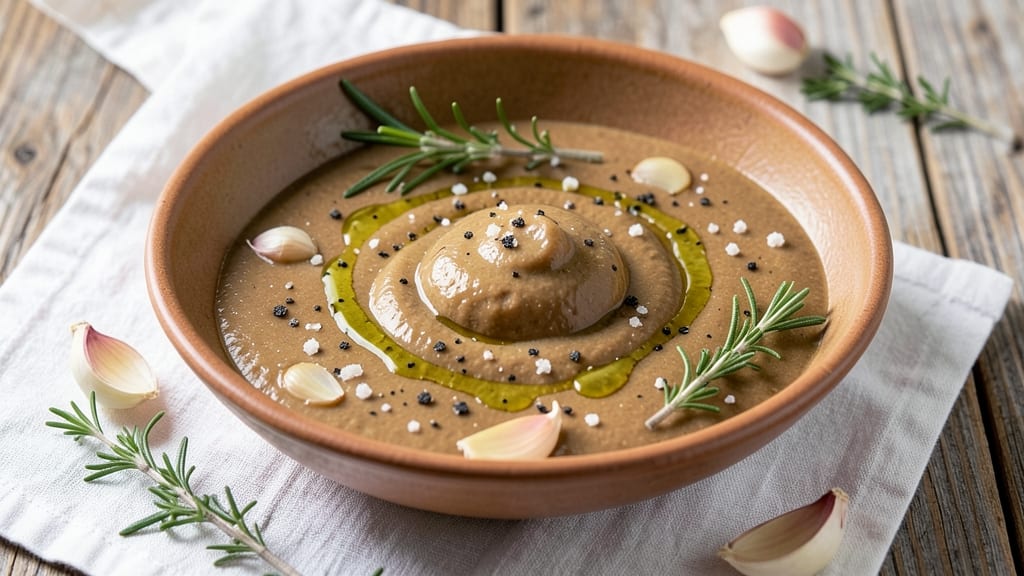
This broad bean sauce recipe transforms humble broad beans into a rich, earthy umami base that elevates everything from pasta to dips. The secret lies in simmering the beans with garlic, olive oil, and herbs until they break down into a velvety, flavorful paste—no blender required.
I developed this sauce after discovering how well broad beans hold their texture while releasing deep, savory notes when cooked slowly.
The result is a versatile sauce with a smooth yet slightly textured consistency, perfect for drizzling over grilled vegetables, tossing with al dente pasta, or serving as a bold dip for crusty bread.
Unlike many sauces that rely on heavy cream or butter, this one gets its richness from the broad beans themselves, making it naturally lighter yet deeply flavorful. The addition of a touch of lemon or vinegar brightens the earthy tones, balancing the umami perfectly.
What makes this sauce truly special is its adaptability—use it as a marinade for meats, a finishing sauce for roasted dishes, or even a base for soups. The process is straightforward: simmer, blend (or mash), and adjust the seasoning until it sings.
Once you taste the difference between this homemade version and store-bought alternatives, you’ll never go back to the jarred stuff again.
Best of all, this sauce keeps well in the refrigerator for up to a week, allowing you to make a big batch and use it throughout the week. It’s the kind of recipe that turns a simple ingredient into something extraordinary with minimal effort. Let’s get cooking!
Ingredients for broad bean sauce
Eight simple ingredients create this velvety sauce that turns broad beans into umami magic.
| Ingredient | Amount | Notes |
|---|---|---|
| Dried Broad Beans 🌱 | 1 ½ cups | Soaked overnight, skins removed |
| Extra-Virgin Olive Oil 🫒 | ½ cup | High quality, fruity variety |
| Garlic Cloves 🧄 | 4 cloves | Peeled, roughly chopped |
| Fresh Rosemary 🌿 | ¼ cup | Chopped, stems removed |
| Fresh Thyme Leaves 🌿 | ¼ cup | Or 1 tbsp dried thyme |
| Lemon Juice 🍋 | 2 tbsp | Freshly squeezed |
| Vegetable Broth 💧 | 1 cup | Low-sodium preferred |
| Salt 🧂 | 1 ½ tsp | Diamond Crystal preferred |
| Black Pepper 🌶️ | ½ tsp | Freshly ground |
| Red Wine Vinegar 🍷 | 1 tbsp | Optional, for brightness |
Broad beans are the star here. Trader Joe's and specialty grocers usually carry them dried—look for vibrant, plump beans without blemishes. If you can't find dried, fresh broad beans work too, but you'll need to peel them first (it's tedious but worth it). The olive oil matters—California avocado oil or a fruity Spanish olive oil adds depth. Fresh herbs make all the difference, but dried works in a pinch (use one-third the amount). Garlic should be freshly minced—pre-minced jars lack flavor.
No broad beans? White beans or cannellini beans are decent substitutes, though the texture will differ slightly. Short on rosemary? Fresh sage or marjoram works beautifully. The red wine vinegar is optional but adds a nice tang—substitute with lemon juice if needed. For extra richness, stir in 1 tbsp tahini or cashew butter at the end. The sauce thickens as it cools, so add a splash of broth if it gets too thick. If you're using dried beans, soak them overnight—this is non-negotiable for tender results.
This sauce keeps beautifully in the fridge for up to 1 week—it actually tastes better the next day as flavors meld. For longer storage, freeze in ice cube trays and transfer to a container. Thaw overnight in the fridge. The sauce reheats perfectly—just warm gently on the stove with a splash of broth. I like to make a big batch and use it all week on everything from pasta to roasted veggies. The flavor only deepens over time, so don't hesitate to make extra.
Why You'll Love This Recipe
- No-Soak Needed: I swear by this trick—just toss dried broad beans in boiling water for 10 minutes, and they soften perfectly. No overnight soaking, no fuss, just hands-off simplicity while you sauté the garlic and rosemary.
- Herb-Packed Punch: That first hit of olive oil hitting the pan with garlic and rosemary? Instant flavor explosion. The thyme leaves add this earthy warmth that makes it taste like a sun-drenched Italian garden—without the pretension.
- Weeknight Workhorse: Drizzle it over crusty bread with grilled fish, toss it with roasted veggies, or slather it on toast like a fancy hummus. It’s the kind of sauce that turns a simple meal into something that feels intentional—even when you’re exhausted.
- Budget Magic: Dried broad beans last months in your pantry, and a few sprigs of rosemary stretch across multiple meals. You’re basically making gourmet sauce for pennies—plus, the leftovers taste even better the next day.
Step-by-step instructions for broad bean sauce
Here's how to transform simple ingredients into a rich, earthy sauce perfect for pasta or dips.
Prepare the Broad Beans
Start by draining and rinsing the soaked broad beans thoroughly. I like to give them a quick rinse under cold water to remove any excess starch that might make the sauce gummy. Transfer them to a food processor and pulse until you achieve a smooth, creamy consistency—think hummus texture but slightly thicker. You want to preserve some texture, so don't over-process.
This is where the flavor foundation begins. The beans should look like finely ground nut butter with no visible chunks. If you're using a high-powered processor, it might take just a few pulses. Taste a small amount at this stage—you should notice a naturally sweet, earthy flavor that's the base of our sauce. Set the bean purée aside in a bowl.
Sauté Aromatics in Olive Oil
Heat the extra-virgin olive oil in a medium saucepan over medium heat until it shimmers gently. Add the roughly chopped garlic cloves and cook for about 1 minute until they become fragrant but not browned—this prevents bitterness. Then add the chopped fresh rosemary and thyme leaves, stirring constantly for 30 seconds until the herbs release their aromatic oils into the oil.
Here's the thing—don't walk away during this step. The herbs can burn quickly, and burned herbs will make your sauce bitter. You'll know it's ready when the kitchen fills with that piney, herbal aroma. The oil should look slightly cloudy from the infused aromatics, which means it's ready for the next step.
Combine and Simmer the Sauce
Pour the bean purée into the saucepan with the aromatics, stirring constantly to combine. Add the vegetable broth and bring the mixture to a gentle simmer over medium heat. Let it cook for 5-7 minutes until the sauce thickens slightly and coats the back of a spoon. This is where the magic happens—the broth reduces, concentrating the flavors while the beans soften further.
While it simmers, taste occasionally to monitor the seasoning. You might find it needs more salt or acidity at this stage. I usually add the lemon juice and red wine vinegar now, along with the salt and black pepper. Stir well to incorporate all the flavors. The sauce should be smooth with a velvety texture, not grainy or watery.
Finish and Adjust
Reduce the heat to low and let the sauce simmer gently for another 2-3 minutes. This final step allows all the flavors to meld together perfectly. Taste again and make any final adjustments—perhaps a touch more salt, or a splash of lemon juice if you want more brightness. The sauce should have a rich, earthy depth with herbal notes that make your mouth water.
For the best results, let the sauce cool slightly before serving. This allows the flavors to settle and intensify. You'll notice how the colors deepen from a pale green to a rich, golden hue as the sauce cools. This earthy umami base works beautifully with pasta, as a dip for crusty bread, or even as a marinade for grilled vegetables.
Pro Tips For Making Broad Bean Sauce
- SOAK BEANS OVERNIGHT: Dried broad beans need a good long soak—at least 8 hours, ideally overnight. I learned this the hard way when my sauce turned out chalky and tough; those little guys need time to soften properly. Use a big bowl and plenty of water, then drain before cooking.
- CRUSH GARLIC WITH SALT: Mince the garlic cloves and mix them with a pinch of salt before adding to the oil. This prevents burning and deepens the flavor—no more bitter-tasting garlic. Let it sit for 2 minutes before stirring in the beans.
- STIR CONSTANTLY AT FIRST: The moment you add the beans to the hot oil, they’ll splatter like crazy. Keep a wooden spoon in your dominant hand and stir like you’re mixing a cocktail—fast and steady for the first 3 minutes. This ensures even cooking and prevents sticking.
- FINE-TUNE HERBS LAST: Add the rosemary and thyme only after the beans are tender and the sauce has thickened slightly. Taste first—sometimes the herbs need a quick toast in the oil for 10 seconds to release their aroma without overpowering. (Yes, even if you’re impatient like me.)
Flavor customization for broad bean sauce
Spicy Umami Twist
Add 1 tsp red pepper flakes or ½ tsp cayenne to the simmering sauce for heat, then balance it with 1 extra tbsp lemon juice to keep the acidity bright.
For a smoky kick, stir in ½ tsp smoked paprika during the final simmer. I love this version with grilled chicken or roasted potatoes—it adds depth without overpowering. 🌶️
Creamy Tahini Version
For a richer texture, stir in 2 tbsp tahini during the last 2 minutes of simmering. This creates a silky, almost hummus-like consistency that pairs perfectly with falafel or grilled halloumi.
Add 1 tsp ground cumin and a pinch of turmeric for Middle Eastern flair. The tahini adds a nutty richness that complements the broad beans beautifully.
Citrus Brightened
Boost the brightness by doubling the lemon juice to 4 tbsp and adding 1 tbsp orange zest during the final simmer. This works wonderfully with seafood or grilled vegetables.
For extra zing, add 1 tbsp honey to balance the acidity—it creates a sweet-savory contrast that’s addictive. The citrus notes elevate the earthy broad bean flavor to new heights.
Herb-Forward Variation
Swap rosemary and thyme for ½ cup fresh parsley and 2 tbsp fresh dill to create a lighter, more herbaceous sauce. This version pairs beautifully with fish or light salads. For a Mediterranean twist, add 1 tsp dried oregano and a pinch of crushed fennel seeds during the simmer.
The herbs infuse the sauce with fresh, bright flavors that cut through richer dishes.
Garlicky Roasted Version
Roast the garlic cloves at 400°F for 10 minutes until caramelized before adding them to the sauce. This deepens the garlic flavor and adds a subtle sweetness. For extra richness, stir in 1 tbsp olive oil at the end.
This version is perfect for drizzling over roasted meats or hearty bread. The caramelized garlic transforms the sauce into something truly special.
Smoky Chipotle Infusion
Add 1 tsp adobo sauce (from canned chipotle peppers) and ½ tsp chipotle powder during the final simmer for a smoky, slightly spicy depth. This works amazingly with tacos or grilled corn.
The chipotle adds a slow-building heat that lingers on the palate. For balance, add an extra ½ tsp salt to enhance the smoky flavors. 🔥
Nutrition facts
Frequently asked questions
Can I use canned broad beans instead of dried?
Yes, but with adjustments! Drain and rinse canned broad beans thoroughly, then mash them until smooth in a food processor. You'll need about 1.5 cups of drained canned beans to replace 1.5 cups dried. The texture will be slightly softer, so add 1 extra tbsp olive oil to compensate. Skip the overnight soaking step entirely.
How do I fix a sauce that's too thick or too thin?
For a thick sauce, thin it with 1-2 tbsp vegetable broth or water while stirring. If it's too thin, simmer uncovered for 3-5 extra minutes to reduce. For emergency fixes, whisk in ½ tsp cornstarch mixed with 1 tsp water—just enough to reach your desired consistency.
What are the best ways to use this broad bean sauce?
This versatile sauce shines as a pasta drizzle, dipping sauce for grilled veggies, or marinade for chicken. Try it with roasted potatoes, drizzled over flatbread, or mixed into hummus. The earthy flavor also works beautifully as a soup base—just thin with extra broth. Store-bought versions can't compare!
Can I make this sauce without fresh herbs?
Use 1 tsp dried rosemary and 1 tsp dried thyme instead of fresh. Toast the dried herbs in the olive oil for 30 seconds before adding other aromatics to deepen their flavor. For extra aroma, add ½ tsp dried basil or oregano during the final simmer.
Why does my sauce taste bitter?
Bitterness usually comes from overcooked garlic or burned herbs. Next time, cook garlic just until fragrant (1 minute) and never let herbs brown. For immediate fixes, balance bitterness with 1 extra tbsp lemon juice or 1 tsp honey. If the sauce is too strong, thin with 2 tbsp extra broth and adjust seasoning.