
Soups & Stews
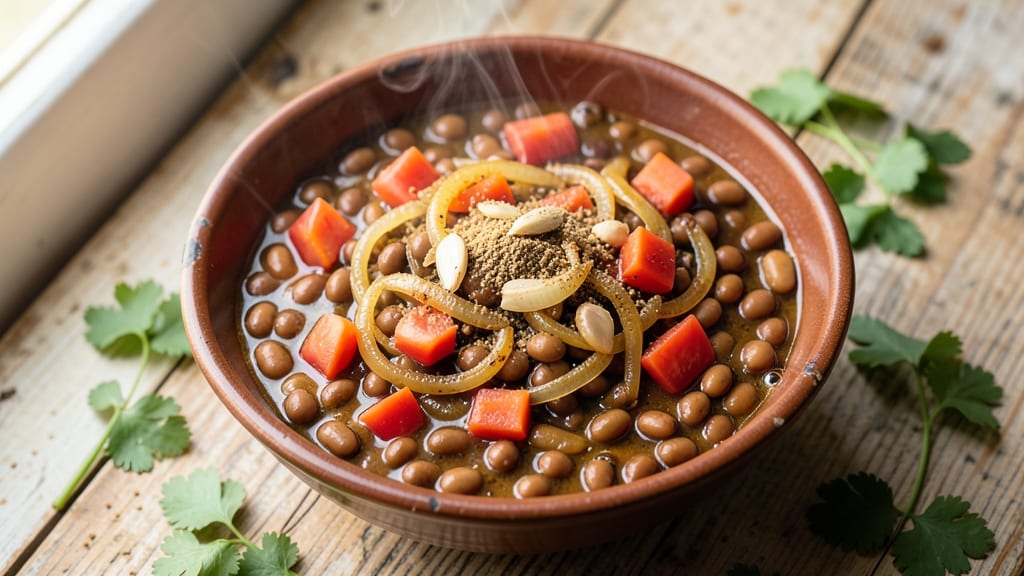
This black-eyed bean stew recipe transforms humble pantry staples into a rich, soul-satisfying meal that simmers with deep, smoky flavors. The secret lies in slow cooking—letting the beans soften while absorbing layers of spices, garlic, and tomatoes until the broth becomes velvety and fragrant.
I developed this recipe during a particularly chilly evening when I needed something hearty, plant-based, and packed with texture—crispy edges on the beans, tender vegetables, and a broth so flavorful it tastes like it's been simmering all day.
The beauty of this stew is its simplicity: just 10 ingredients, most of which you likely already have on hand. A blend of cumin, smoked paprika, and bay leaves creates a warm, earthy backbone, while onions and garlic build depth.
The key technique is the slow simmer—low and steady for at least 45 minutes—which allows the flavors to meld and the beans to develop that signature creamy texture. No fancy equipment or last-minute shopping required, just time and patience.
What you’ll end up with is a stew that’s comforting yet vibrant, with black-eyed peas that hold their shape yet soften just enough to be tender.
The broth will be thick enough to coat a spoon but light enough to let the spices shine, and the aroma alone will have everyone gathering around the table.
This is the kind of dish that tastes even better the next day, making it perfect for meal prep or feeding a crowd.
Serve it with crusty bread to soak up every last drop of that flavorful broth, or pair it with steamed rice for a more substantial meal. The versatility of this recipe means it works as a standalone dish or alongside roasted greens and cornbread.
Let’s get cooking—your kitchen will smell like a home-cooked masterpiece in no time.
Ingredients for black eyed bean stew
Ten simple ingredients transform into a hearty, plant-based stew that simmers with deep smoky flavors.
| Ingredient | Amount | Notes |
|---|---|---|
| Dried Black-Eyed Peas 🌱 | 1 ½ cups | Unsoaked, rinsed thoroughly |
| Onion 🧅 | 1 whole | Yellow or red, diced |
| Garlic Cloves 🧄 | 4 cloves | Peeled, minced finely |
| Canned Diced Tomatoes 🍅 | 14 ½ oz | No salt added preferred |
| Carrots 🥕 | 2 medium | Peeled, chopped into chunks |
| Ground Cumin 🌿 | 1 tbsp | Freshly toasted preferred |
| Smoked Paprika 🌶️ | 1 tbsp | For authentic smoky flavor |
| Bay Leaves 🌿 | 2 whole | Remove before serving |
| Vegetable Broth 💧 | 4 cups | Low-sodium preferred |
| Olive Oil 🫒 | 2 tbsp | Extra-virgin for richness |
The black-eyed peas are the foundation—soak them overnight for even better texture, but unsoaked works in a pinch. For the tomatoes, no-salt-added cans prevent excess sodium buildup, but if that's all you have, rinse them well. Trader Joe's and Whole Foods carry excellent dried beans and tomato options. The onions and garlic are your flavor anchors—char them slightly in the olive oil first for deeper sweetness. Carrots can be swapped for sweet potatoes if you prefer, but they add that perfect earthy contrast.
No smoked paprika? Regular paprika plus a pinch of liquid smoke works in a bind. Fresh cumin seeds? Toast them in a dry pan for 30 seconds before grinding for a nutty depth. The vegetable broth is non-negotiable—homemade is ideal, but even the good low-sodium store-bought brands like Pacific Foods or Imagine will do. For extra richness, stir in a spoonful of nutritional yeast at the end—it adds a cheesy, umami note that's surprisingly good. If you're short on time, swap the dried beans for 1 can of cooked black-eyed peas, drained and rinsed.
This stew tastes even better the next day—plan ahead and make a double batch. Store in airtight containers in the fridge for 5 days or freeze for 3 months. The flavors deepen with time, so don't rush it. For meal prep, portion into individual containers with a scoop of rice or quinoa—microwave for 2 minutes to reheat. The broth thickens as it cools, so add a splash of water if it seems too dense when reheating. Leftovers make fantastic lunches or a quick dinner when you're short on time.
Why You'll Love This Recipe
- I’ll be real: I used to dread the long soak for dried black-eyed peas. Then I discovered you can just simmer them straight in water—no fancy prep, no waiting. The peas soften beautifully alongside the onions and carrots, turning tender without any fuss.
- No-Soaking Needed: I’ll be real: I used to dread the long soak for dried black-eyed peas. Then I discovered you can just simmer them straight in water—no fancy prep, no waiting. The peas soften beautifully alongside the onions and carrots, turning tender without any fuss.
- Garlic-Tomato Magic: That first bite? Chef’s kiss. The canned tomatoes add a bright, tangy punch while the garlic—sautéed until golden—builds layers of warmth. It’s the kind of flavor that makes you reach for seconds, even when you’re not expecting it.
- Pot Luck Champion: Between us, this is my secret weapon for lazy Sundays or last-minute dinner guests. The stew thickens as it sits, so it’s even better the next day. Serve it over rice, with cornbread, or straight from the pot—no judgment here.
Step-by-step instructions for black eyed bean stew
This hearty stew builds flavor through slow simmering—where patience pays off in rich, aromatic depth.
Sauté Aromatics Until Fragrant
Heat the 2 tablespoons olive oil in a large Dutch oven over medium heat. Add the 1 whole onion, diced into even ¼-inch pieces, and cook for 5-6 minutes until softened and translucent. Stir occasionally to prevent browning.
Next, add the 4 cloves garlic cloves, minced finely, and cook for 30 seconds until fragrant—you'll smell that unmistakable garlic aroma. Here's the thing: don't let it brown or it'll turn bitter. Keep the heat at medium and stir constantly. This aromatic base forms the flavor foundation for the entire stew.
Toast Spices and Add Vegetables
Reduce heat to medium-low and add the 1 tablespoon ground cumin and 1 tablespoon smoked paprika. Stir for 30 seconds until the spices are toasted and their aromas waft through the kitchen. You'll see the spices darken slightly—this releases their essential oils and deepens the flavor.
Add the 2 medium carrots, peeled and chopped into ½-inch chunks, and stir to coat them in the spiced oil. Cook for 3 minutes until the carrots begin to soften slightly. This step ensures the vegetables absorb the spices before the liquid is added, creating a more cohesive flavor profile.
Combine Liquids and Simmer
Pour in the 14.5 oz canned diced tomatoes and 4 cups vegetable broth. Add the 2 whole bay leaves and bring the mixture to a gentle boil over high heat. Once boiling, reduce heat to low and stir in the 1.5 cups dried black-eyed peas, rinsed thoroughly.
This is where the magic happens: simmer uncovered for 1 hour 15 minutes until the beans are tender and the stew has thickened slightly. You'll notice the liquid reduces and the flavors meld together. Stir occasionally to prevent sticking, but avoid constant stirring—it can break down the beans.
Adjust Consistency and Season
After simmering, taste and adjust seasoning with salt if needed (remember, the broth is low-sodium). If the stew is too thick, add ½ cup water or broth to reach your desired consistency. The stew should coat the back of a spoon but still be spoonable.
Remove the 2 whole bay leaves before serving. Let the stew sit off heat for 5 minutes to allow flavors to settle. The beans should be fork-tender with a slight bite, and the broth should be rich and flavorful. Serve immediately with crusty bread or over rice for a satisfying meal.
Pro Tips For Making Black Eyed Bean Stew
- SOAK THE BEANS NIGHT BEFORE: I learned this the hard way—skipping the soak means your black-eyed peas stay rock-hard no matter how long you simmer. Toss them in water with a pinch of salt (yes, even dried beans need flavor) and let them sit overnight. No time? At least do a 2-hour soak in hot water—it makes a real difference in texture.
- COOK ON MEDIUM-HIGH FIRST: Start your stew on medium-high heat until the onions and garlic are deeply golden, not just soft. That’s where the flavor lives—sweating them gently kills the depth. Once they’re caramelized (about 8-10 minutes), you can drop the heat to low and let the stew simmer. Patience here saves you from bland, watery results.
- CHOP CARROTS UNIFORMLY: Big chunks stay crunchy while small pieces turn to mush. Cut your carrots into ¼-inch dice—small enough to cook through but big enough to hold shape. And resist the urge to overcrowd the pot; give them space to brown slightly before adding liquid. Your stew will thank you with even texture.
- SALT THE TOMATOES: Drain the canned tomatoes but don’t rinse—just sprinkle them with ½ teaspoon of salt and let them sit for 5 minutes. This pulls out excess water and concentrates their flavor before they hit the pot. Skip this, and your stew will taste diluted, no matter how long you simmer.
Essential equipment for great black eyed bean stew
Dutch Oven
A large Dutch oven is my go-to for this stew because it distributes heat evenly and retains moisture during the long simmer. I recommend a 5-6 quart size—like the Le Creuset Stoneware or Lodge Cast Iron—to give your ingredients room to expand.
The heavy base prevents hot spots, ensuring the beans cook uniformly without burning. If you don’t own one, a heavy-bottomed pot with a tight-fitting lid will work just as well. 🔥
Wooden Spoon
Use a wooden spoon (I prefer olive wood for its durability) to stir the stew without scratching the Dutch oven’s surface. Wood also prevents the spices from sticking to metal utensils, preserving their flavor.
Avoid plastic spoons—they can melt or warp when exposed to high heat. A long-handled spoon is ideal for reaching into deep pots safely.
Immersion Blender
For a smoother texture without losing the beans’ integrity, blend a portion of the stew with an immersion blender after simmering. I like the Ninja BN601 for its powerful motor and easy cleanup. Simply puree about 1 cup of broth directly in the pot, then stir it back in.
This creates a velvety consistency while keeping the beans intact for texture. Skip this step if you prefer rustic, chunky stew.
Instant-Read Thermometer
While not mandatory, an instant-read thermometer helps ensure the stew reaches the perfect temperature. Aim for 205°F—this guarantees the beans are tender without falling apart. I use the Thermoworks Thermapen ONE, which gives precise readings in seconds.
If you don’t have one, test the beans with a fork: they should be fork-tender but still hold their shape.
Fine-Mesh Strainer
A fine-mesh strainer (like the OXO Good Grips) is useful for rinsing the dried beans before cooking to remove debris. Rinse them under cold water while swirling them in the strainer to ensure no dirt or stones remain.
This step is especially important if you’re using dried beans straight from the pantry. For canned beans, a quick rinse in the strainer removes excess sodium.
Measuring Spoons
Precision matters with spices! Use stainless steel measuring spoons (I love the OXO Good Grips set) to measure the 1 tbsp ground cumin and 1 tbsp smoked paprika accurately. Spoon-level measurements ensure consistent flavor every time.
Avoid heaping spoons—pack the spices gently to avoid overdoing it. A pinch of salt later can always adjust the balance, but too much spice upfront is harder to fix. ✨
Nutrition facts
Frequently asked questions
How long should I soak the black-eyed peas for best results?
Soaking overnight (8-12 hours) in plenty of water improves texture and reduces cooking time by 20-30 minutes. Simply drain and rinse before using. For a quick version, simmer them in fresh water for 2 minutes before adding to the stew—this helps remove excess starch. The recipe works fine without soaking, but pre-soaking gives the creamiest beans.
Can I substitute canned black-eyed peas for dried?
Yes! Use 1 (15 oz) can of drained and rinsed black-eyed peas instead of the dried version. Reduce the simmering time to 30-45 minutes since canned beans are pre-cooked. For extra depth, mash ½ cup of the canned beans before adding to thicken the stew naturally. This shortcut works well for busy weeknights.
What makes this stew vegan-friendly?
This recipe is naturally plant-based thanks to the black-eyed peas, vegetable broth, and pantry spices. The olive oil and tomatoes provide richness without dairy or meat. For extra protein, stir in ½ cup cooked quinoa or 1 cup chopped kale at the end. Always check labels on broth and canned tomatoes for hidden animal products.
Why does my stew taste bland after simmering?
Bland flavor usually means the spices weren't toasted enough or the stew didn't simmer long enough. Always toast the cumin and smoked paprika for 30 seconds to release their oils. For deeper flavor, simmer uncovered for the full 1 hour 15 minutes—this lets the liquid reduce and concentrate. Finish with a squeeze of lemon juice or pinch of red pepper flakes to brighten the dish.
What are the best sides to serve with this stew?
Crusty whole-grain bread is perfect for soaking up the rich broth, while steamed jasmine rice adds a neutral base. For a complete meal, pair with roasted Brussels sprouts or a simple green salad with a tangy vinaigrette. The smoky flavors also complement cornbread or warm tortillas for scooping.