
Sauces & Condiments
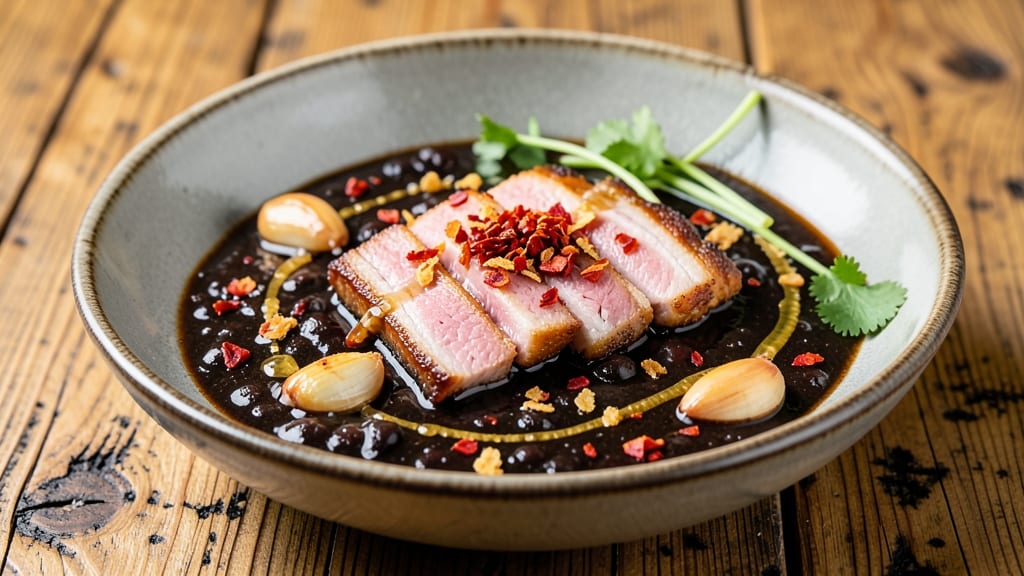
This Korean black bean sauce transforms simple meals into bold, umami-rich experiences with just a few simmered ingredients. 🔥 The secret lies in fermented black beans (chunjang or doenjang), which develop deep, savory notes when blended with garlic, soy, and a touch of sweetness.
Unlike store-bought versions, this homemade sauce delivers authentic complexity—perfect for dumpling dips, stir-fry marinades, or even noodle slurping. The process is straightforward but rewarding: toast the beans to intensify their flavor, then simmer with aromatics until thickened. No blender? A fine-mesh strainer works just as well.
The result is a glossy, fermented sauce with layers of saltiness, sweetness, and a subtle heat that lingers. It’s the kind of condiment that elevates everyday dishes into something memorable. What sets this sauce apart is its versatility.
Use it as a dipping sauce for mandu (Korean dumplings), a glaze for grilled meats, or a stir-fry finish. The flavors deepen over time, making it even better after a few days in the fridge. For vegetarians, simply omit fish sauce—this version still packs umami punch.
Ready to master this fermented Korean staple? Let’s get simmering.
Ingredients for black bean sauce korean
Toasted fermented beans and aromatic garlic create this umami-rich Korean staple.
| Ingredient | Amount | Notes |
|---|---|---|
| Fermented Black Beans (Chunjang or Doenjang) 🌱 | ½ cup | Toasted for enhanced flavor |
| Korean Red Pepper Flakes (Gochugaru) 🌶️ | 1 tbsp | Adjust for desired heat level |
| Garlic Cloves 🧄 | 4 cloves | Minced for aromatic depth |
| Korean Soy Sauce (Ganjang) 🥫 | ¼ cup | High-quality fermented soy |
| Rice Vinegar 🍶 | 2 tbsp | White or seasoned variety |
| Brown Sugar 🍯 | 1 tbsp | Light or dark preferred |
| Sesame Oil 🫒 | 1 tbsp | Toasted for nutty aroma |
| Water 💧 | ½ cup | Room temperature preferred |
| Vegetable Oil 🫒 | 1 tbsp | For simmering consistency |
| Salt 🧂 | ½ tsp | Diamond Crystal preferred |
The fermented black beans are the heart of this sauce—chunjang or doenjang from a Korean market delivers authentic depth. Toast them lightly in a dry pan first to intensify their flavor, then grind into a paste. If you can't find these, miso paste or black soybeans work in a pinch, though the fermented funk will differ. For the gochugaru, Korean grocery stores carry the best quality, but any red pepper flakes will add heat. The garlic should be freshly minced—the aroma is critical here.
No Korean soy sauce? Regular soy sauce plus a dash of sugar mimics the balance, though it lacks the fermented complexity. Substitute brown sugar with honey or maple syrup if needed, though the caramelization will differ slightly. Sesame oil is non-negotiable for that nutty finish—toast it briefly before adding to enhance its aroma. The rice vinegar adds brightness; if you prefer tang, increase to 2.5 tablespoons. For vegetarians, omit any fish-based ingredients entirely—this version remains rich and savory without them.
This sauce thickens as it cools, so stir occasionally while simmering to prevent burning. Store in a clean glass jar in the fridge for up to 2 weeks, though flavors peak after 3-4 days. Freeze for 3 months in ice cube trays for single-use portions. The longer it sits, the deeper the umami develops—make extra if you can, it disappears too quickly once opened.
Why You'll Love This Recipe
- Few Ingredients, Big Payoff: I swear by this—just five things: fermented black beans, a pinch of gochugaru, garlic, soy sauce, and vinegar. That’s it. No chopping mountains of veggies or hunting for obscure pantry items. Honestly, I keep the jar of chunjang in my fridge just for this—it’s my lazy-night secret weapon.
- Umami Bomb Alert: The moment that garlic and chunjang hit the pan? Pure flavor overload. The fermented beans bring this deep, salty-sweet richness, while the gochugaru adds a slow-building heat that sticks with you. Here’s what sold me—the way it coats everything, turning even simple rice or noodles into something ridiculously good.
- Dresses Up Anything: This sauce is my pantry’s chameleon. Drizzle it over steamed greens for a quick side, toss it with cold noodles for a 10-minute lunch, or slather it on grilled chicken. Between us, I’ve even used it as a marinade for tofu—it’s that versatile. No fancy plating needed; just good, honest flavor.
- Leftovers That Don’t Suck: Between us, I make a double batch every time. The sauce keeps for weeks in the fridge, and it only gets better as the flavors meld. Need a fast weeknight dinner? Toss it with pre-cooked rice and a fried egg. Budget-friendly? Check. Time-saving? Double check. This is the kind of sauce that makes me feel like I’m eating well without trying.
Step-by-step instructions for fermented black bean sauce
Transform simple ingredients into a complex, umami-rich sauce with this precise method.
🍳 Step 1: Toast the Fermented Black Beans for Depth
Heat a dry skillet over medium heat and add the 0.5 cup Fermented Black Beans (Chunjang or Doenjang). Toast them for 3-4 minutes, stirring constantly, until they develop a rich, nutty aroma and darken slightly. This step enhances their natural fermentation flavors and removes any raw taste.
Watch closely—they'll darken quickly. Once they smell deeply aromatic and look slightly charred in spots, remove from heat immediately. The beans should be fragrant but not burnt. Let them cool for 2 minutes before transferring to a bowl.
👨🍳 Step 2: Build the Sauce Base with Aromatics
In the same skillet, add 1 tablespoon Vegetable Oil over medium heat. Once shimmering, add the 4 cloves Garlic Cloves (minced) and 1 tablespoon Korean Red Pepper Flakes (Gochugaru). Sauté for 1-2 minutes until the garlic turns golden and the pepper flakes release their vibrant color.
Here's the thing—don't let the garlic burn. You'll know it's ready when it smells intensely aromatic and the pepper flakes have deepened in color. Add the toasted black beans and stir to combine with the aromatic oils. This creates the flavor foundation for your sauce.
🥘 Step 3: Combine Wet Ingredients for Balance
Pour in the 0.25 cup Korean Soy Sauce (Ganjang), 2 tablespoons Rice Vinegar, 1 tablespoon Brown Sugar, 0.5 teaspoon Salt, and 0.5 cup Water. Stir vigorously to dissolve the brown sugar completely and incorporate all ingredients. The mixture should be smooth with no visible sugar granules.
Bring the sauce to a gentle simmer over medium-low heat, then reduce heat to maintain a steady simmer. You want the sauce to bubble softly but not boil vigorously. This controlled simmer prevents the sauce from separating or developing a harsh flavor.
⏰ Step 4: Simmer and Thicken for Perfect Texture
Let the sauce simmer uncovered for 12-15 minutes, stirring occasionally, until it thickens to a glossy consistency that coats the back of a spoon. The sauce should reduce by about one-third, becoming syrupy and concentrated in flavor.
Taste and adjust seasoning if needed. If it's too salty, add a splash of water. If it needs more depth, add a pinch more gochugaru or a dash of soy sauce. The sauce should balance sweet, salty, umami, and spicy notes harmoniously.
🍽️ Step 5: Finish with Sesame Oil and Rest
Remove the sauce from heat and stir in 1 tablespoon Sesame Oil. This adds a nutty aroma that complements the fermented flavors. Let the sauce rest for 10 minutes at room temperature—this allows the flavors to meld completely and the texture to set properly.
For best results, use the sauce immediately for dipping dumplings, marinating proteins, or glazing vegetables. If storing, transfer to an airtight container and refrigerate for up to 1 week. The sauce will continue to develop complexity as it sits, making it even more flavorful over time.
Pro Tips For Making Black Bean Sauce Korean
- TOAST THE BEANS FIRST: I learned this the hard way—skipping the quick toast in a dry pan for 30 seconds means your chunjang or doenjang will just dissolve into a muddy paste instead of building rich, nutty depth. Use medium heat and stir constantly; you’re not trying to burn them, just wake up those flavors.
- GRIND GARLIC COARSE: Minced garlic burns fast and turns bitter in this sauce. Instead, smash 4-5 cloves with the flat side of your knife or pulse them lightly in a food processor—just until they look like rough sand. The texture stays intact, and the sauce won’t taste like a chemistry experiment.
- DILUTE GRADUALLY: Pouring all your rice vinegar or ganjang in at once thins the sauce into soup. Start with 1 tablespoon of vinegar and 2 of ganjang, taste, then add more while stirring. The goal is a glossy, clingy sauce—not a watery glaze.
- SAVE THE STRAIN: After simmering, let the sauce sit for 2 minutes off the heat. The solids (like chunjang bits) will sink, and the liquid on top is your real sauce—smooth, vibrant, and worth spooning into a separate bowl. Use it for drizzling or thinning later batches.
Best sauces and condiments for black bean sauce korean
Dumpling Dip
This sauce is a game-changer for Korean dumplings (mandu).
Serve it warm in small bowls alongside steamed or pan-fried dumplings—its fermented depth and subtle heat cut through the richness perfectly. 🌟 For extra authenticity, garnish with thinly sliced green onions and a drizzle of toasted sesame seeds right before serving.
The contrast of cool dumplings and warm sauce is irresistible.
Stir-Fry Glaze
Use this sauce as a bold glaze for stir-fries, especially with tofu, mushrooms, or Napa cabbage. Toss cooked ingredients with 1-2 tablespoons of sauce and finish with a quick sear in a hot wok.
The sauce caramelizes beautifully, creating a glossy, sticky coating. I love pairing it with rice noodles for a quick, restaurant-quality bowl.
Marinade Magic
Transform bland proteins with this sauce as a marinade. Coat chicken thighs, pork belly, or shrimp and let sit for 30 minutes to 2 hours before cooking.
The fermented beans tenderize meat while adding layers of flavor. For extra richness, add 1 teaspoon of grated ginger to the marinade. Grill or pan-fry for best results.
Noodle Elevator
Drizzle 2-3 tablespoons of this sauce over steaming hot ramen or udon noodles just before serving. The umami bomb transforms simple noodles into a vibrant, flavorful meal. For a vegetarian twist, add soft-boiled eggs and quick-pickled cucumbers to balance the richness. The sauce’s fermented notes complement the noodles beautifully.
Rice Bowl Topper
Spoon 1-2 tablespoons of this sauce over steamed white rice alongside grilled meats, kimchi, or sautéed veggies. The sauce’s complexity turns a basic rice bowl into a flavorful feast. For extra texture, sprinkle with crispy fried shallots or toasted sesame seeds before serving.
Vegetarian Powerhouse
This sauce shines in vegetarian dishes thanks to its deep umami flavor. Use it to glaze eggplant or bell peppers before roasting, or toss it with steamed bok choy for a quick side dish.
The fermented beans and gochugaru create a satisfying, savory-sweet profile that keeps vegetarians happy. 💛 For extra protein, stir in crumbled tofu or tempeh at the end.
Nutrition facts
Frequently asked questions
What's the difference between chunjang and doenjang?
Both are fermented black bean pastes, but chunjang is sweeter and less salty, while doenjang is saltier with deeper umami. For this sauce, either works—chunjang gives a milder profile, while doenjang adds more complexity. If you can't find either, substitute with miso paste, though the texture will differ slightly.
Can I make this sauce without sesame oil?
Yes, but you'll miss the nutty depth. Replace it with 1 teaspoon toasted sesame seeds or neutral oil—though the flavor won't be as rich. For a vegan version, ensure your sesame oil is certified plant-based (most are). The key is adding it at the very end to preserve its aroma.
Why does my sauce look too thin?
Simmering longer will thicken it—reduce heat and cook uncovered for 5-10 more minutes, stirring often. If it's still runny, mix 1 teaspoon cornstarch with cold water and stir in. For extra gloss, chill the sauce overnight—the flavors meld better and it naturally thickens as it cools.
How spicy should this sauce be?
The 1 tablespoon gochugaru gives a mild heat—adjust to taste! For more kick, add ½ teaspoon extra or a dash of gochujang. If you prefer no heat, omit it entirely and boost sweetness with an extra ½ teaspoon brown sugar to balance the soy.
Can I freeze this sauce?
Yes! Portion into ice cube trays for single-use servings, then transfer to a freezer bag. Thaw overnight in the fridge—never at room temperature. The texture may separate slightly, but stir well before using. For best quality, consume within 3 months.