
Beverages
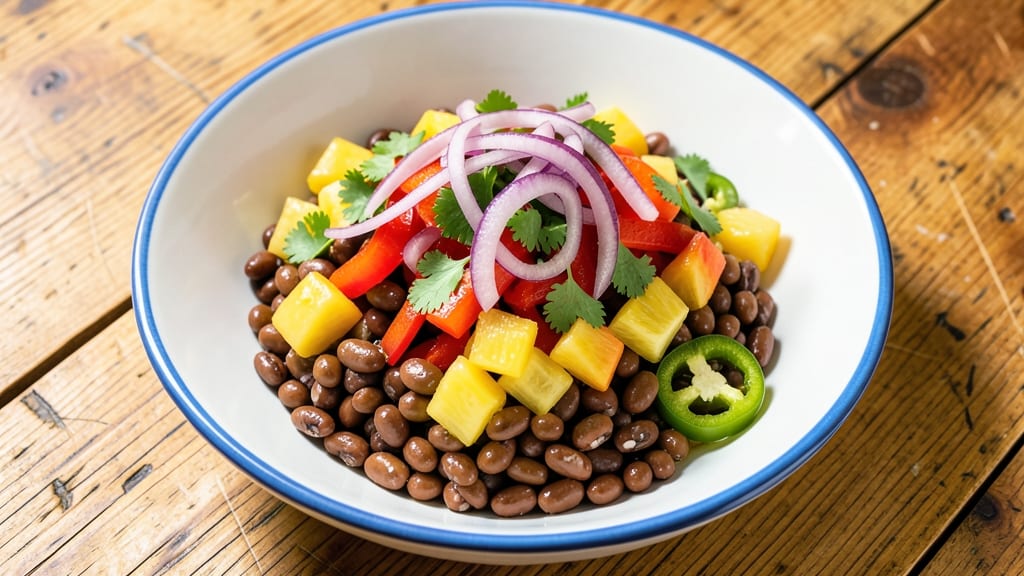
This black bean pineapple salsa recipe delivers a perfect balance of tropical sweetness and bold heat that transforms ordinary meals into vibrant, flavorful experiences.
The combination of creamy black beans, juicy pineapple chunks, and fresh cilantro creates a texture that's both crunchy and satisfying, while lime and jalapeño add the zesty kick that keeps every bite exciting.
I developed this recipe after craving something fresh, light, and packed with protein—ideal for summer gatherings or weeknight dinners when you want bold flavors without heavy cooking.
The secret lies in the proper chopping technique and ingredient ratios—fresh pineapple should be finely diced for even distribution, while black beans add substance without overpowering the bright citrus notes. A quick toast of the jalapeño seeds (optional) controls heat intensity, making this versatile for all palates.
This salsa works as a standalone appetizer, taco topping, or even a light lunch with tortilla chips—its versatility makes it a pantry staple.
What you'll end up with is a colorful, aromatic dish that's ready in just 15 minutes but tastes like it simmered all day. The lime juice brightens the flavors while preserving freshness, and the cilantro adds that signature freshness that makes it feel restaurant-quality.
Best of all, it keeps well in the fridge for 3-4 days, letting you prep ahead for impromptu gatherings.
Serve it with grilled fish, chicken, or simply with warm tortillas for dipping—this salsa proves that simple ingredients can create extraordinary results. The sweet-heat balance makes it addictive, while the protein-packed black beans ensure it's satisfying enough for any meal. Let's get started!
Ingredients for black bean pineapple salsa
Tropical flavors and bold textures come together in this vibrant black bean pineapple salsa.
| Ingredient | Amount | Notes |
|---|---|---|
| Canned Black Beans 🌱 | 1 ½ cups | Drained and rinsed thoroughly |
| Fresh Pineapple 🍍 | 1 ½ cups | Finely diced, fresh or frozen |
| Red Bell Pepper 🌶️ | 1 whole | Finely diced, seeds removed |
| Red Onion 🧅 | ½ whole | Finely diced, white part only |
| Fresh Cilantro 🌿 | ½ cup | Chopped, stems removed |
| Jalapeño Pepper 🌶️ | 1 whole | Seeds removed, finely chopped |
| Fresh Lime 🍋 | 1 whole | Juiced, seeds strained |
| Extra-Virgin Olive Oil 🫒 | 1 tbsp | For binding and richness |
| Cumin 🌿 | ½ tsp | Ground, toasted for depth |
| Salt 🧂 | ½ tsp | Kosher or sea salt |
| Tortilla Chips 🍟 | 2 cups | For serving, optional |
The black beans provide the protein backbone, so choose canned beans without added salt—rinsing removes any residual sodium. For pineapple, fresh is ideal, but frozen works in a pinch if thawed and drained well. The bell pepper and red onion should be finely diced for even distribution—a mandoline slicer speeds this up. If you prefer less heat, remove all seeds and membranes from the jalapeño before chopping. Fresh cilantro adds that signature brightness, but dried cilantro at half the amount works if fresh isn't available.
No lime juice? Lemon juice in equal parts gives a similar tang, though slightly less sweet. Short on cumin? Smoked paprika at double the amount mimics its earthy notes. The olive oil isn't just for flavor—it helps bind the salsa for a better texture. For extra crunch, toast your tortilla chips lightly before serving. If you're serving this as a standalone dish, add a sprinkle of Tajín seasoning for that restaurant-quality finish. The jalapeño seeds can be toasted lightly in a dry pan for 30 seconds to deepen the heat—just don't burn them!
Store in an airtight container in the fridge for up to 4 days. The flavors actually improve overnight as everything melds. For longer storage, freeze in ice cube trays—perfect for adding to future meals. If using frozen pineapple, thaw and drain thoroughly to avoid a watery salsa. The tortilla chips stay crispy for about 2 hours at room temperature, so serve them last. This salsa reheats beautifully—just a quick pulse in the microwave to restore texture. Double the batch and freeze half for future tropical cravings.
Why You'll Love This Recipe
- No Chopping Nightmare: I swear by this recipe when I’m too tired to dice anything—just drain those black beans, grate the pineapple (or buy pre-cut chunks), and slice the onion. The bell pepper? Toss it in whole until the end. Five minutes of actual work, and you’ve got something fresh.
- Sweet-Savory Magic: That first bite? The pineapple’s bright tang cuts through the earthy beans, while the red onion and cilantro add this fresh, almost herby kick. Honestly, it’s the kind of flavor combo that makes you forget salsa can be boring.
- Party in a Bowl: Serve it with chips for a crowd, dollop it on grilled fish for dinner, or pack it in lunchboxes—it’s my go-to for anything. (Yes, even on a Tuesday night when I’m craving something fun but not fussy.)
- Pantry Hero: Canned beans, a fresh pineapple (or frozen works in a pinch), and basic veggies? This salsa costs next to nothing to make. Plus, it keeps for days in the fridge, so I’m always covered—no last-minute grocery runs needed.
Step-by-step instructions for black bean pineapple salsa
This tropical salsa balances sweet pineapple with smoky black beans and a touch of heat.
Prep All Ingredients for Even Texture
Drain and rinse the 1½ cups canned black beans thoroughly to remove excess starch, then pat them dry with a clean kitchen towel. This step prevents a gummy salsa later. In a medium mixing bowl, combine the beans with the 1½ cups finely diced fresh pineapple and 1 whole finely diced red bell pepper. The pineapple should be cut into small, even pieces—about ¼-inch cubes—so every bite delivers balanced sweetness.
Add the ½ whole finely diced red onion (white part only) and 1 whole finely chopped jalapeño pepper (seeds removed for milder heat). Give everything a quick stir to distribute the ingredients evenly. The jalapeño adds subtle heat without overpowering the tropical flavors, while the onion provides a sharp contrast that brightens the dish.
Toast the Spices for Depth of Flavor
In a small dry skillet over medium heat, toast the ½ teaspoon ground cumin for 30 seconds until fragrant. The aroma should fill your kitchen—this is your cue that the cumin is activated and ready to enhance the salsa's complexity. Immediately transfer the toasted cumin to a small bowl and let it cool for 2 minutes before adding it to the salsa mixture.
While the cumin cools, zest ½ of the fresh lime (about 1 teaspoon) into the mixing bowl. The zest adds a bright, citrusy note that complements the pineapple's sweetness. Then, carefully juice the remaining lime, straining out any seeds to avoid bitterness. You should yield about 2 tablespoons of fresh lime juice—this acidity is essential for balancing the salsa's flavors and preventing it from becoming too heavy.
Bind and Season the Salsa
Pour the 1 tablespoon extra-virgin olive oil into the mixing bowl and drizzle it slowly over the ingredients while stirring gently. The olive oil acts as a natural binder, helping the salsa hold its shape without turning mushy. Add the ½ teaspoon salt and 2 tablespoons lime juice, then fold in the ½ cup chopped fresh cilantro. The cilantro should be finely chopped—¼-inch pieces or smaller—so it distributes evenly throughout the salsa.
Taste the mixture and adjust the seasoning if needed. If the salsa tastes too mild, add a pinch more salt or a splash of lime juice. If the heat from the jalapeño is too subtle, add a tiny pinch of cayenne pepper. Let the salsa sit at room temperature for 10 minutes to allow the flavors to meld. This resting time ensures the ingredients fully integrate, resulting in a harmonious blend of sweet, smoky, and tangy notes.
Serve with Crunchy Tortilla Chips
Transfer the salsa to a serving bowl and gently fold it one last time to ensure everything is well combined. The texture should be chunky yet cohesive, with the black beans providing a hearty base and the pineapple adding a refreshing crunch. Serve immediately with 2 cups tortilla chips for dipping, or let it chill in the refrigerator for up to 2 hours if you prefer a slightly cooler salsa.
The chips should be served at room temperature to maintain their crispiness. If you're serving the salsa as a topping, spoon it over grilled fish, chicken, or even tacos. The contrast of the warm, protein-rich dish with the cool, vibrant salsa creates a perfect balance of flavors and textures. Enjoy within 2 days for the freshest taste, as the lime juice will continue to brighten the salsa over time.
Pro Tips For Making Black Bean Pineapple Salsa
- Drain and Rinse Beans: That canned bean liquid is salty and gummy—skip it. Rinse the beans thoroughly under cold water, then drain again. I learned this the hard way when my first batch tasted like a sad, watery soup instead of bright, fresh salsa.
- Char the Pineapple: Cut the pineapple into chunks, then toss them in a dry skillet over medium-high heat for 2-3 minutes per side until they develop blackened spots. The smoky depth cuts through the sweetness and makes the whole dish taste more complex. (Yes, even if you’re impatient like me.)
- Soak the Cilantro: Chop the cilantro and place it in a bowl of ice water for 5 minutes before draining. This removes any dirt or bitterness, and the leaves stay crisp longer. Sounds weird, but it works—my grandmother swore by it, and she was right.
- Acidify Early: Add lime juice or vinegar (about 2 tablespoons) before mixing everything together. This keeps the pineapple from turning mushy and ensures the salsa stays vibrant. I skip this when I’m lazy, but the dish is noticeably better when I don’t.
Common mistakes when making this recipe
Over-Soft Pineapple
If your pineapple ends up mushy, it’s likely from over-dicing or using frozen pineapple that wasn’t drained well. Stick to ¼-inch cubes and pat fresh pineapple dry with a paper towel before chopping.
For frozen pineapple, thaw it first and drain excess liquid—never use it straight from the freezer. This keeps the salsa’s texture bright and crunchy. 🍍
Uneven Heat Distribution
Uneven heat often happens when jalapeño seeds aren’t fully removed or when the pepper isn’t chopped finely enough. Always remove seeds and membranes for milder heat, and chop the jalapeño into tiny pieces so the heat blends evenly.
For extra control, lightly toast the seeds in a dry pan for 30 seconds before adding them to the salsa—this deepens the flavor without overpowering.
Gummy Black Beans
Gummy beans are usually a sign of excess starch or insufficient rinsing. Always drain and rinse canned beans thoroughly, then pat them dry with a kitchen towel before mixing. If your beans are still gummy, add 1 extra tablespoon of lime juice to cut through the starchiness.
For future batches, choose low-sodium canned beans to avoid added fillers that can make the salsa heavy.
Lacking Brightness
If your salsa tastes flat, it’s probably missing enough acidity or freshness. Fresh lime juice is key—never substitute bottled lime juice, as it lacks the bright, tangy punch. Add an extra 1 tablespoon of lime juice and let the salsa rest for 10 minutes before serving.
For extra zing, sprinkle in ½ teaspoon of Tajín seasoning just before eating—it adds a citrusy kick that elevates the flavors instantly.
Watery Texture
A watery salsa usually means the pineapple or beans weren’t drained properly, or the lime juice wasn’t strained. Always drain frozen pineapple thoroughly and pat fresh pineapple dry. Strain lime juice through a fine-mesh sieve to remove seeds, which can dilute the salsa.
If it’s still too watery, let it sit uncovered in the fridge for 30 minutes to evaporate excess liquid. For a thicker consistency, add 1 extra tablespoon of olive oil to bind the ingredients.
Dull Flavors
Dull flavors often result from skipping the cumin toast or using stale ingredients. Always toast the ½ teaspoon cumin for 30 seconds to activate its aroma. Fresh cilantro and lime are non-negotiable—dried herbs won’t cut it.
If your salsa tastes bland, add a pinch of smoked paprika or a dash of hot sauce to wake up the flavors. Trust me, this small step makes a world of difference. 💡
Nutrition facts
Frequently asked questions
Can I use frozen pineapple instead of fresh?
Yes, but with one critical step: thaw and drain the frozen pineapple completely first. Excess moisture turns salsa watery. For best results, pat the thawed chunks dry with a paper towel before dicing. Frozen pineapple works well when handled properly—just avoid using it straight from the freezer.
How do I adjust the heat level?
For milder heat, remove all seeds and membranes from the jalapeño before chopping. For extra kick, add a pinch of cayenne pepper or toast the seeds in a dry pan for 30 seconds before mixing. Always taste as you go—you can't remove heat once it's in!
What are the best ways to serve this salsa?
This tropical salsa shines as a taco topping, nacho dip, or standalone appetizer with chips. It also pairs beautifully with grilled fish or chicken. For a complete meal, serve with warm tortillas, avocado slices, and a sprinkle of Tajín seasoning. The sweet-heat balance makes it versatile for any occasion!
Can I make this salsa ahead of time?
Store in an airtight container in the fridge for 3-4 days. The flavors actually improve overnight as everything melds. For longer storage, freeze in ice cube trays—perfect for adding to future meals. Thaw in the fridge before serving to preserve texture.
What if I don't have lime juice?
Use lemon juice in equal parts, though it's slightly less sweet. For extra brightness, add a pinch of Tajín seasoning or a dash of apple cider vinegar. The acidity is crucial for balancing the sweetness—never skip it entirely, or the salsa may taste flat.