
Sauces & Condiments
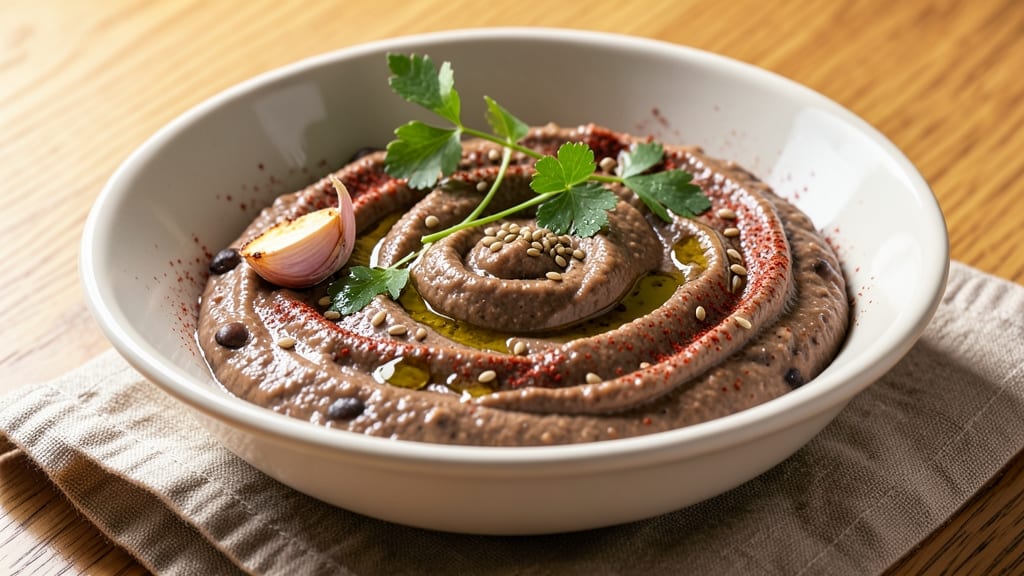
Creating a black bean and chickpea hummus recipe transforms your favorite dip into a smoky, protein-packed powerhouse with every bite.
The combination of creamy tahini, earthy black beans, and chickpeas delivers a texture that's both smooth and satisfying, while smoky paprika and garlic add depth that keeps everyone reaching for seconds. This isn't just hummus—it's a flavor experience that elevates everything from veggie platters to grilled meats.
The secret to this hummus lies in balancing the ingredients: tahini provides that signature creamy richness, while black beans and chickpeas add heartiness and fiber. A touch of lemon juice brightens the flavors, and smoked paprika brings warmth that lingers on your palate.
The blending process is straightforward—just combine, pulse, and taste as you go—but the result is anything but basic. It's restaurant-quality, with a texture that's neither too thick nor too thin, making it perfect for dipping, spreading, or even as a sandwich filling.
What makes this recipe truly special is its versatility. Serve it as a dip with fresh vegetables and warm pita, or use it as a spread for toasted baguettes and avocado slices.
The smoky notes pair beautifully with grilled chicken or fish, while the protein-rich blend makes it a filling option for lunch or dinner. Plus, it stores well in the refrigerator for up to five days, so you can make a big batch and enjoy it all week.
Ready to elevate your hummus game? This recipe delivers on flavor, texture, and nutrition—without sacrificing simplicity. The key is in the blending technique and the balance of spices, so let's get started on creating something that will become a staple in your kitchen.
Ingredients for black bean and chickpea hummus
Eight ingredients, one incredible hummus. Smoky, creamy, and packed with protein.
| Ingredient | Amount | Notes |
|---|---|---|
| Black Beans 🫘 | 1 ½ cups | Cooked or canned, drained and rinsed |
| Chickpeas 🌾 | 1 ½ cups | Cooked or canned, drained and rinsed |
| Tahini 🥜 | ½ cup | Sesame paste, high quality preferred |
| Extra-Virgin Olive Oil 🫒 | ½ cup | For creaminess and richness |
| Garlic Cloves 🧄 | 4 cloves | Peeled, for bold flavor |
| Smoked Paprika 🌶️ | 1 tbsp | For that signature smoky kick |
| Lemon Juice 🍋 | 2 tbsp | Freshly squeezed for brightness |
| Ground Cumin 🌿 | ½ tsp | Earthy depth, toasted preferred |
| Sea Salt 🧂 | ½ tsp | Adjust to taste |
| Water 💧 | ¼ cup | As needed for blending |
The tahini is where the magic happens—Kirkland Signature or Whole Foods 365 are my go-tos, but any good-quality sesame paste works. If your tahini looks oily, it's still fine—just stir before measuring. Smoked paprika? Penzeys sells the best, but the regular grocery store stuff is fine too. Look for vibrant color—dull paprika means it's lost its punch. Garlic is non-negotiable here; freshly roasted cloves add an extra layer of depth, but regular minced works in a pinch. The black beans and chickpeas should be soft but not mushy—canned BPA-free brands like Eden or Woodstock are my pantry staples.
No tahini? Substitute with 3 tbsp of olive oil plus 1 tbsp of peanut butter—it won't be identical, but it'll get you close. Fresh garlic missing? Garlic powder at half the amount works, though it lacks that fresh punch. Smoked paprika too strong? Sweet paprika plus a pinch of cayenne mimics the smokiness. The lemon juice is key—Mexican Key or Eureka lemons are brightest, but any fresh lemon works. If your hummus turns out too thick, add water 1 tbsp at a time—it should coat the back of a spoon but still hold shape. For extra creaminess, blend in 1 tbsp of aquafaba (chickpea brine) instead of water.
Store in an airtight container with a thin layer of olive oil on top to prevent browning. Keeps for 5 days in the fridge, though I rarely have leftovers that long. Freezes beautifully for up to 3 months—just thaw in the fridge overnight. The flavor actually improves after a day or two as everything melds together. For serving, I love drizzling with a little more olive oil and a sprinkle of smoked paprika—instant restaurant vibes.
Why You'll Love This Recipe
- No Blender Needed: I swear by this—just mash the beans and chickpeas with a fork until it’s chunky but smooth. No fancy gadgets, no stress, and honestly? The texture’s better this way.
- Umami Bomb: That tahini and olive oil combo? Rich, nutty, and deeply satisfying. Add roasted garlic and you’ve got a flavor that lingers—perfect for when you want something hearty but still light.
- Game for Any Spread: Slather it on toast, mix it into bowls, or use it as a dip. I’ve even stirred it into soups when I’m lazy. It’s the kind of recipe that works everywhere without trying too hard.
- Pantry Magic: Black beans and chickpeas are cheap, and tahini lasts forever. This hummus costs me pennies per serving, and I never have to worry about it going bad—just store it and forget it.
Step-by-step instructions for black bean and chickpea hummus
This smoky, tahini-rich hummus comes together in minutes with simple techniques.
Prepare the Legume Base
Combine the 1.5 cups black beans and 1.5 cups chickpeas in a food processor. I like to use cooked beans for better texture, but canned works too—just drain and rinse thoroughly. Add the 4 cloves garlic cloves and 0.5 tsp ground cumin to the processor. Pulse everything together until you get a coarse, chunky mixture with no large pieces remaining.
Here's the thing—don't worry if it looks dry yet. The tahini and olive oil will come together to create that signature creamy texture. The key is to keep the beans slightly chunky so the hummus has great texture rather than turning into a smooth paste.
Blend with Tahini and Olive Oil
With the food processor running, slowly drizzle in the 0.5 cup tahini and 0.5 cup extra-virgin olive oil. Start with the tahini first—it's thicker and needs to emulsify properly. Then add the olive oil in a steady stream. This gradual approach prevents a greasy mess and ensures everything combines smoothly.
I like to pause occasionally and scrape down the sides with a spatula. This makes sure all the ingredients get fully incorporated. You're looking for a thick, spreadable consistency—like a thick, rich dip that still has some body to it.
Season and Add Liquid
Add the 1 tbsp smoked paprika, 2 tbsp lemon juice, and 0.5 tsp sea salt to the processor. Pulse everything together until the smoked paprika is evenly distributed and the flavors meld. Then, with the processor running, add the 0.25 cup water one tablespoon at a time until you reach your desired consistency.
This is where you can adjust to your preference. For a thicker hummus, use less water. For something more dip-like, add a bit more. The hummus should be smooth but still have some texture—it shouldn't be runny, but it should be easy to spread.
Taste and Adjust
Transfer the hummus to a serving bowl and give it a taste. This is your chance to adjust the seasoning. If it needs more brightness, add a little more lemon juice. If it needs more salt, add a pinch more sea salt. If you want that smoky flavor to really pop, add another ½ teaspoon of smoked paprika.
Here's a pro tip: Let the hummus sit for 10-15 minutes before serving. This allows the flavors to meld together even more, giving you that perfect balance of smoky, creamy, and tangy goodness. Serve it with warm pita bread, fresh vegetables, or even as a dip for chips.
Pro Tips For Making Black Bean And Chickpea Hummus
- TOAST THE BEANS FIRST: Pop your black beans and chickpeas in a dry skillet over medium heat for 3-4 minutes until they darken slightly—this deepens their flavor and prevents that raw, beany aftertaste. I used to skip this, and the hummus always tasted flat until I realized the beans needed a little char to wake up.
- DRAIN AND RINSE WELL: After cooking, give those chickpeas and black beans a thorough rinse under cold water to remove excess starch—this keeps your hummus from turning gluey when blended. Trust me, you’ll notice the difference if you skip this step, especially with canned beans that flood with thickeners.
- ROAST THE GARLIC: Toss your peeled garlic cloves in olive oil, roast at 400°F (200°C) for 10 minutes until golden, then cool before blending—this adds a nutty sweetness instead of that sharp, raw bite. I was skeptical until I tried it; now I never use raw garlic in hummus.
- BLEND IN STAGES: Start with the tahini and olive oil, then pulse the beans and garlic in batches—this prevents the motor from seizing up and ensures a silky texture. I learned this the hard way when my blender coughed up a thick, unblended mess after overloading it.
Pro cooking tips for great black bean and chickpea hummus
Blend Gradually
Never dump all ingredients at once—this creates a greasy, unappetizing mess. Start by pulsing the black beans, chickpeas, garlic, and cumin until coarse. Then, with the processor running, slowly drizzle in the tahini (about 1 tbsp per second) to let it emulsify properly.
After that, add the olive oil in a thin stream while scraping down the sides every 30 seconds. This step ensures a silky texture without separation. 💫
Tahini Quality Matters
Cheap tahini often contains fillers that make your hummus grainy. I swear by Kirkland Signature or Whole Foods 365—both are smooth and rich. If your tahini looks oily, stir it vigorously before measuring.
For an extra-creamy texture, warm the tahini slightly (microwave for 15 seconds) before blending. This helps it incorporate more smoothly into the legume base.
Smoked Paprika Tricks
The smoked paprika is what gives this hummus its signature depth. For maximum flavor, toast the paprika first: heat 1 tbsp in a dry skillet over medium-low heat for 1 minute until fragrant.
Let it cool before adding. If you're using store-bought, check the color—dull paprika has lost its potency. For extra smokiness, add ¼ tsp liquid smoke (like Liquid Smoke) to the final blend.
Texture Control
If your hummus turns out too thick, add water 1 tbsp at a time while blending. For extra creaminess without thinning it out, blend in 1 tbsp aquafaba (chickpea brine) instead. If it's too thin, let it rest in the fridge for 30 minutes—it will thicken naturally.
Avoid over-blending, which can make hummus mushy. Stop when it's smooth but still has slight texture.
Flavor Boosts
Want to take it to the next level? Add ½ tsp ground coriander for warmth or ¼ tsp cayenne for heat. For a Mediterranean twist, blend in 1 tbsp chopped fresh parsley at the end. If you love umami, stir in 1 tsp soy sauce after blending.
Always taste as you go—hummus is all about balance. The lemon juice should brighten, the smoked paprika should linger, and the cumin should add earthiness.
Equipment Upgrade
A high-powered food processor (like the Ninja BN601) handles tahini better than budget models. If you're using a blender, add ingredients in the same order but blend in 10-second bursts to prevent overheating. For ultra-smooth hummus, strain it through a fine-mesh sieve after blending.
Store leftovers in an airtight container with a thin layer of olive oil on top to preserve freshness for up to 5 days. 💡
Nutrition facts
Frequently asked questions
Why does this hummus use both black beans and chickpeas?
The combination creates a perfect balance of texture and flavor. Chickpeas provide that classic hummus creaminess, while black beans add a deeper, earthy taste and extra protein. Together, they prevent the dip from being too smooth or too chunky—ideal for spreading or dipping. Plus, it makes the hummus more filling and nutrient-packed!
Can I make this hummus without a food processor?
You can try, but the texture won't be as smooth. Use a high-powered blender and add ingredients in stages: pulse the beans and garlic first, then blend in tahini and olive oil very slowly. For a rustic version, mash the beans with a fork and mix in all wet ingredients by hand—just expect a thicker, chunkier result.
How do I fix hummus that's too thick or too thin?
For thick hummus, add water 1 tablespoon at a time while blending. For extra creaminess without thinning, blend in 1 tablespoon aquafaba (chickpea brine). If it's too thin, let it rest in the fridge for 30 minutes—it will naturally thicken. Never add more tahini or beans to fix consistency; it'll make the texture uneven.
What's the best way to store leftover hummus?
Transfer to an airtight container and press a thin layer of olive oil on top to prevent browning. It keeps fresh in the fridge for 5 days, or freeze for 3 months. For best flavor, let it sit at room temperature for 10 minutes before serving again. The oil layer also helps preserve that smoky paprika flavor!
Can I make this hummus gluten-free and nut-free?
This recipe is naturally gluten-free. For nut-free, simply omit the tahini and substitute with 3 tablespoons olive oil plus 1 tablespoon sunflower seed butter. The texture will be slightly different but still delicious. Always check your tahini label if you have severe nut allergies—some brands process in nut facilities.