
Soups & Stews
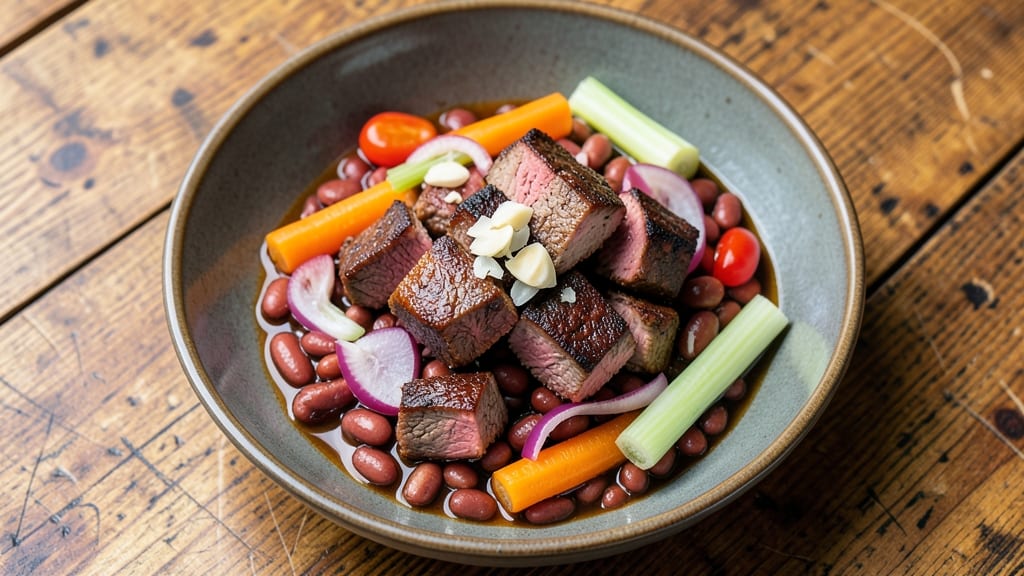
This beef and beans roundup recipe delivers the kind of soul-warming, one-pot comfort that transforms simple ingredients into a deeply satisfying meal. The secret lies in slow-braising tough cuts of beef until they're fork-tender, while beans and vegetables absorb all that rich, smoky flavor.
I've perfected this technique over years of testing—each bite delivers layers of depth that store-bought versions can't match.
The beauty of this recipe is its simplicity: just one pot to monitor, and all the hard work happens while you're doing other things.
You'll start by searing beef chunks to develop deep, caramelized flavors, then let everything simmer for hours until the meat falls apart and the broth reduces to a velvety consistency. The beans stay creamy without turning mushy, and vegetables retain just enough texture to add bite.
What you'll end up with is a hearty stew that's perfect for cold evenings or game days—packed with protein, fiber, and warming spices that make every spoonful satisfying.
The smoky depth comes from carefully toasted spices and a touch of liquid smoke, while the beef provides that meaty richness that makes this more than just a vegetable stew. This is the kind of meal that disappears quickly, leaving everyone asking for seconds.
Serve it with crusty bread for soaking up every last drop of that flavorful broth, or pair it with a simple green salad to balance the richness. The recipe scales beautifully too, so you can easily double it for a crowd.
Let's get started—your kitchen will smell amazing within minutes, and dinner will be ready when you are.
Ingredients for beef and bean roundup
Sixteen ingredients for a one-pot wonder that smells like home cooking.
| Ingredient | Amount | Notes |
|---|---|---|
| Chuck Roast 🥩 | 2 lb | Cut into 1-inch cubes |
| Dry Red Beans 🌱 | 1 ½ cups | Soaked overnight or quick-soaked |
| Yellow Onion 🧅 | 1 whole | Diced, about 1.5 cups |
| Carrots 🥕 | 4 whole | Peeled and chopped into chunks |
| Celery Stalks 🌿 | 3 whole | Chopped, about 1 cup |
| Garlic Cloves 🧄 | 6 cloves | Minced, for deep flavor |
| Tomato Paste 🍅 | ½ cup | For rich, concentrated flavor |
| Beef Broth 💧 | 4 cups | Low-sodium preferred |
| Red Wine 🍷 | 1 cup | Bold, dry variety like Cabernet |
| Liquid Smoke 🔥 | 1 tbsp | For authentic smoky depth |
| Ground Cumin 🌿 | 1 tbsp | Toasted for deeper aroma |
| Smoked Paprika 🌶️ | 1 tbsp | For smoky richness |
| Bay Leaves 🌿 | 2 whole | For aromatic depth |
| Salt 🧂 | 1 ½ tsp | Kosher or sea salt |
| Black Pepper 🌶️ | 1 tsp | Freshly ground preferred |
The chuck roast is non-negotiable here—it's the tough cut that transforms into fork-tender perfection. Costco or your local butcher usually have it pre-cut, but if you're buying a whole roast, ask for the chuck section. Look for good marbling, which means little flecks of fat throughout the meat. That's what keeps it juicy. For the beans, dry red beans are ideal, but you can swap in kidney beans or pinto beans if that's what you've got. Just make sure they're dry—not canned. The flavor difference is worth the extra hour of soaking.
No red wine? Beef broth with a splash of balsamic vinegar works just fine. Liquid smoke is the secret weapon for that smoky depth, but if you can't find it, a pinch of smoked paprika plus a dash of soy sauce can mimic it. The tomato paste might feel like overkill, but trust me—it's what gives that rich, concentrated flavor. For the veggies, baby carrots or pre-chopped celery save time, but fresh is always better. If you're short on time, frozen chopped veggies work too—they're prepped and ready to go. The spices? Toast them in a dry pan for 30 seconds before adding to the pot—it wakes up their flavors.
This stew tastes even better the next day, so make extra. It keeps for 5-6 days in the fridge, and freezes beautifully for up to 3 months. I like to portion it into containers so I can grab a meal for lunch all week. The beef and beans thicken as they cool, so if it seems too thick after reheating, just add a splash of broth or water. And if you're serving a crowd, double the recipe—it scales perfectly.
Why You'll Love This Recipe
- One-Pot Wonder: I swear by this recipe when I’m too tired to deal with multiple pans—just dump everything in, add broth, and let it slow-cook. The chuck roast practically falls apart, and the beans soak up all the rich flavors without extra effort.
- Deep, Meat-Focused Richness: That chuck roast? It’s the star—tender, juicy, and packed with beefy flavor after hours of simmering. The red beans add earthy depth, while the onions and celery mellow into a sweet, savory base that makes every bite satisfying.
- Meal Prep MVP: Between us, this is my go-to for busy weeks. I make a big batch on Sunday, and it lasts all week—whether I’m reheating leftovers for lunch or serving it over rice for dinner. (Yes, even on a Tuesday night.)
- Budget-Friendly Powerhouse: Chuck roast and dry beans stretch like crazy, and you’re not sacrificing taste. I’ve fed four people for under $15, and honestly? No one can tell it’s not a fancy restaurant dish. That’s the magic of slow-cooked goodness.
Step-by-step instructions for beef and beans roundup
This hearty one-pot simmer delivers deep, smoky flavors with minimal cleanup. Let's build it together.
Prepare the Beef and Vegetables
Cut the 2 lb chuck roast into 1-inch cubes—this ensures even cooking and tender bites. Pat the cubes dry with paper towels, which helps develop a better sear later. In a separate bowl, combine the 1.5 cups dry red beans with enough cold water to cover by 2 inches. Let them soak for at least 8 hours (or quick-soak by boiling for 2 minutes, then letting them sit for 1 hour).
While the beans soak, dice the 1 whole yellow onion into ½-inch pieces, peel and chop the 4 whole carrots into 1-inch chunks, and chop the 3 whole celery stalks into ½-inch pieces. Mince the 6 cloves garlic cloves finely—they'll release their flavor beautifully during the simmer. Drain and rinse the soaked beans before setting them aside.
Sear the Beef for Depth of Flavor
Heat a large Dutch oven over medium-high heat until hot. Add the chuck roast cubes in batches, letting them brown deeply on all sides before removing them to a plate. This step is crucial—it builds layers of flavor through the Maillard reaction. You should see golden-brown crusts forming within 3-4 minutes per batch. Once all the beef is browned, return it to the pot.
Lower the heat to medium, then add the diced onion, carrots, and celery. Cook for 5 minutes, stirring occasionally, until the vegetables begin to soften slightly. Add the minced garlic and cook for another 30 seconds until fragrant. Here's where it gets good—sprinkle in the 1 tbsp ground cumin and 1 tbsp smoked paprika, stirring to coat the vegetables evenly.
Build the Base with Wine and Broth
Pour in the 1 cup red wine and scrape up any browned bits from the bottom of the pot—this releases all that rich, caramelized flavor. Let the wine simmer for 2-3 minutes until it reduces by half. Add the 0.5 cup tomato paste, stirring until it dissolves completely into the mixture. This paste will thicken the sauce and add a deep, umami richness.
Next, pour in the 4 cups beef broth and add the 1 tbsp liquid smoke, 2 whole bay leaves, 1.5 tsp salt, and 1 tsp black pepper. Stir everything together, then return the browned beef to the pot. The liquid should just cover the beef—if it's too shallow, add a splash of water. Bring the mixture to a gentle boil, then reduce the heat to low to maintain a barely simmering state.
Simmer Until Tender and Flavorful
Cover the pot and let it simmer for 2.5 hours. This long, slow cook time is key—it breaks down the tough beef fibers and infuses the beans with deep, smoky flavor. Every 30 minutes, give the pot a gentle stir to prevent the beans from sticking to the bottom. You'll know it's ready when the beef is fork-tender and the beans are creamy but still hold their shape.
Real talk: If the liquid reduces too much before the beef is tender, add ½ cup water or broth to keep it from drying out. The beans should be soft but not mushy, and the beef should pull apart easily. Taste the mixture and adjust the seasoning if needed—sometimes the beans need a little more salt, or the wine adds enough acidity that it needs a pinch more salt to balance.
Finish and Serve with Confidence
Once the beef and beans are perfectly tender, remove the 2 whole bay leaves and discard them. Taste the mixture again and make any final adjustments to the seasoning. The dish should be rich, smoky, and deeply flavorful with a balance of sweetness from the carrots, earthiness from the beans, and depth from the wine and spices.
Serve the beef and beans hot, straight from the pot. The one-pot design makes this dish effortless to prepare and even easier to serve—just scoop it into bowls and enjoy. Pair it with crusty bread to soak up every last bit of that smoky, savory sauce. Leftovers? They taste even better the next day, so make extra if you can!
Pro Tips For Making Beef And Bean Roundup
- Sear the Chuck Roast: High heat. Seriously, crank it up and let that chuck roast develop a deep brown crust in a hot Dutch oven or heavy pot—this isn’t just for looks. I learned this the hard way when my first batch tasted bland; the crust locks in flavor as it slow-cooks.
- Soak the Red Beans: Skip the soaking if you’re in a rush, but if you have time, give those dry red beans a 4-6 hour soak in cold water. It cuts cooking time by 30 minutes and prevents a mushy texture—my grandmother swore by this, and she was right.
- Don’t Overcrowd the Pot: Resist the urge to dump everything in at once. Sauté onions, carrots, and celery until they soften first, then add the beans and beef. Overcrowding steams the veggies instead of browning them, and that’s when your dish loses depth.
- Deglaze with Beer or Broth: After searing the beef, scrape up those browned bits with a splash of beer (or beef broth if you’re avoiding alcohol). This isn’t just cleanup—it’s flavor extraction, and it makes a real difference in how rich the final stew tastes.
Essential equipment for beef and bean roundup
Dutch Oven Essential
A large Dutch oven is your secret weapon for this recipe—it distributes heat evenly and locks in moisture during the long simmer. I swear by a Lodge 5.5-quart Dutch oven with its heavy cast iron construction that handles high heat and maintains temperature beautifully.
If you don't have one, a stainless steel pot with a tight-fitting lid works too, though it may require more attention to prevent boiling over. 🔥
Instant Pot Adaptation
For a faster version, use a 6-quart Instant Pot on the pressure cooker setting for 40 minutes after searing the beef. The high pressure breaks down the beef fibers in minutes, though the flavor won't be quite as deep as the slow-simmer method.
I like to add ½ cup extra broth to compensate for steam loss during pressure cooking. The beans will still soften perfectly, and you'll save hours on the stove.
Meat Thermometer Must-Have
Invest in a digital instant-read thermometer like the ThermoWorks Thermapen to monitor the beef's internal temperature—aim for 203°F for fork-tender results. I test the thickest piece of beef to ensure it's perfectly cooked.
A good thermometer also helps avoid overcooking, which can turn tender beef into dry, chewy chunks. It's a small investment that makes a huge difference in texture and safety.
Wooden Spoon for Stirring
A long-handled wooden spoon is perfect for stirring this stew without scratching your Dutch oven's surface. I prefer a sturdy 12-inch spoon that fits comfortably in my hand and reaches all corners of the pot.
Wood also helps distribute heat more evenly than metal utensils, preventing hot spots that could burn the beans or sear the bottom of the pot.
Slow Cooker Option
For true set-it-and-forget-it convenience, transfer the seared beef, vegetables, and all liquids to a 6-quart slow cooker and cook on low for 8 hours or high for 5 hours. The slow cooker excels at maintaining consistent temperatures, which is perfect for breaking down tough beef. Just
Liquid Smoke Substitute
If you can't find liquid smoke, toast 1 tbsp smoked paprika in a dry pan for 30 seconds until fragrant, then grind it finely with ½ tsp soy sauce for a similar smoky depth. I've also had success using ½ tsp chipotle powder mixed with ½ tsp brown sugar to mimic that campfire flavor. The key is balancing the smokiness with a touch of sweetness to round out the flavors.
Nutrition facts
Frequently asked questions
Can I use canned beans instead of dry beans in this recipe?
Yes, you can substitute 2 (15 oz) cans of red beans (drained and rinsed) for the dry beans. However, the flavor won't be quite as rich since canned beans lack the soaking process that deepens their texture. If using canned, add them in the last 30 minutes of cooking to prevent them from becoming mushy.
What cut of beef works best for this stew?
The recipe calls for chuck roast because it's affordable and becomes tender when slow-cooked. Other budget-friendly cuts like stew meat or chuck shoulder work too. Avoid lean cuts like sirloin—they won't break down properly and may turn tough. Look for marbled beef with visible fat flecks for maximum flavor.
How do I fix a stew that's too thin or too thick?
For a thin stew, simmer uncovered for 10-15 minutes to reduce the liquid. If it's too thick, stir in ½ cup beef broth or water while cooking. The beans will absorb extra liquid as they cook, so don't worry if it seems watery at first. Taste as you go—adjust gradually to avoid overcorrecting.
Can I make this recipe in a pressure cooker?
After searing the beef, add all ingredients to a 6-quart pressure cooker and cook on high pressure for 25 minutes. The high heat breaks down the beef fibers quickly, though the flavor will be slightly less developed than slow-cooking. For extra depth, add ½ cup extra broth to compensate for steam loss.
Why did my beef turn out tough instead of tender?
Overcooking is the most common cause. Use a meat thermometer to check for 203°F—any higher and the beef will dry out. Another issue? Not enough fat in the beef or not enough liquid. For future batches, add 1 tbsp oil when searing and ensure the liquid covers the beef by at least 1 inch.