
Side Dishes
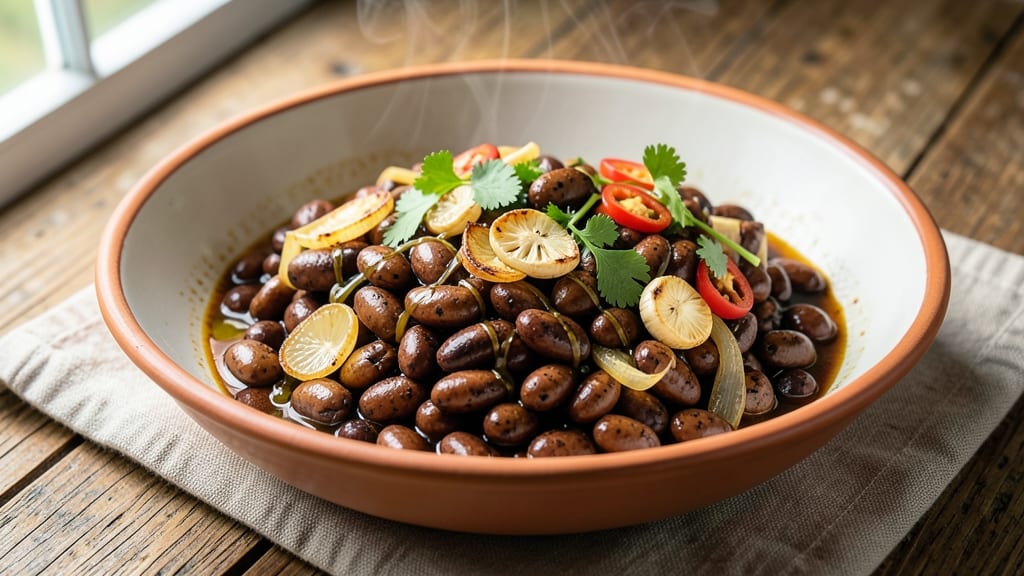
Transforming dry whole beans into earthy, simmered richness with deep cumin heat is a game-changer for plant-based meals. This method unlocks the natural sweetness and texture of beans—whether black, kidney, or chickpeas—while infusing bold flavors that elevate any dish.
The key lies in proper soaking and slow cooking, which breaks down tough skins for tender, restaurant-quality results.
What sets this recipe apart is the balance of simple technique and complex flavor. A warm cumin-spiced broth enhances the beans' natural earthiness, while garlic and bay leaves add depth.
No fancy equipment is needed—just a pot, patience, and a few pantry staples. The process is forgiving, making it perfect for beginners while delivering professional-level texture.
By the end, you’ll have plump, flavorful beans ready for salads, stews, or tacos—packed with protein and fiber. The cumin heat lingers, turning a basic side into a standout dish. This isn’t just cooking; it’s building a foundation for meals that taste homemade, hearty, and full of character.
Whether you’re meal prepping for the week or crafting a last-minute side, these beans deliver versatility without compromise. Serve them warm or chilled, and watch how they transform ordinary dishes into something extraordinary. Let’s get started!
Ingredients for bean whole bean
Transform dry beans into restaurant-quality richness with these earthy, cumin-infused ingredients.
| Ingredient | Amount | Notes |
|---|---|---|
| Dry Black Beans 🌱 | 1 ½ cups | Unsoaked, no need to sort |
| Ground Cumin 🌿 | 2 tsp | Toasted for deeper aroma |
| Bay Leaves 🍃 | 2 whole | Fresh preferred, dried works |
| Garlic Cloves 🧄 | 4 cloves | Peeled, lightly crushed |
| Extra-Virgin Olive Oil 🫒 | ½ cup | High-quality, fruity variety |
| Vegetable Broth 💧 | 4 cups | Low-sodium preferred |
| Lemon Juice 🍋 | 2 tbsp | Freshly squeezed |
| Sea Salt 🧂 | 1 ½ tsp | Adjust to taste |
| Fresh Cilantro 🌿 | ¼ cup | Chopped, for garnish |
| Red Bell Pepper 🌶️ | 1 whole | Diced, for texture |
| Yellow Onion 🧅 | 1 whole | Diced, for depth |
| Cayenne Pepper 🔥 | ½ tsp | Adjust for heat preference |
The beans are the foundation, so choose organic dry beans if possible—they hold up better during soaking and cooking. Bob's Red Mill or Trader Joe's carry high-quality options, but any reputable brand works. Black beans are ideal for their creamy texture, but kidney or chickpeas add variety. The cumin should be freshly ground or toasted—Penzeys Spices offers excellent pre-ground options, but toasting whole seeds in a dry pan for 30 seconds before grinding intensifies the flavor. Bay leaves add subtle earthiness; fresh ones are preferable but dried work in a pinch. For the garlic, Spanish or Italian varieties have the most robust flavor—avoid the mild supermarket cloves if you can.
No cumin? Smoked paprika at half the amount mimics some of the warmth, though it lacks depth. Substitute dried thyme for bay leaves if needed, but reduce to one teaspoon—it’s stronger. Vegetable broth can be swapped for water, but add 1 teaspoon soy sauce or miso paste for umami richness. The lemon juice is critical for brightness; if you’re out, white vinegar at half the amount works. Red bell pepper can be omitted, but diced zucchini or carrot adds freshness. For heat, aleppo pepper offers a milder kick than cayenne. Always taste as you go—adjust salt and spice gradually to avoid over-seasoning the tender beans.
Beans keep 5-7 days in the fridge once cooked, but their texture improves over time. Portion into airtight containers for easy meal prep—they reheat beautifully, making them perfect for lunches. For longer storage, freeze in 1-cup portions for up to 6 months. The broth can be made ahead and stored separately, then combined with freshly cooked beans. Garnish with cilantro just before serving to preserve its vibrant flavor. These beans shine in tacos, salads, or as a hearty side—their versatility makes them a pantry staple
Why You'll Love This Recipe
- Set and Forget: I swear by this recipe on days when I’d rather not stand at the stove. Soak the beans overnight (or use a pressure cooker for 30 minutes), toss them with cumin and bay leaves, then let them simmer while I fold laundry or scroll through my phone. The aroma alone tells me I’ve done my job—no hovering required.
- Earthy Magic: That first bite? The cumin and garlic cloves caramelize into something rich, while the bay leaves add this mysterious depth I can’t quite describe. It’s not just flavor—it’s the kind of taste that makes you pause and think, "Wait, how did this get so good?" (Between us, the olive oil ties it all together like a secret handshake.)
- Weeknight to Potluck: I make this for everything—taco nights, rice bowls, even stuffed peppers. The beans hold up like champs, whether I’m reheating them for lunch or packing them into a thermos for a picnic. Honestly, I’ve even pureed a batch into a dip that had my in-laws asking for the recipe. (They’re still waiting.)
- Pantry Goldmine: Dry beans are my budget superhero—cheap, shelf-stable, and this recipe turns them into something luxurious without breaking the bank. A single batch feeds my family for days, and the leftovers? Even better the next day, if you can believe it. I’ll be real: I’ve eaten these cold straight from the fridge, and they still won.
Step-by-step instructions for earthy simmered black beans
Transform simple black beans into a rich, aromatic dish with deep cumin notes and vibrant textures.
Sauté Aromatics in Olive Oil
Heat the 0.5 cup extra-virgin olive oil in a large pot over medium heat. Add the 1 whole diced yellow onion and cook for 5-6 minutes until softened and translucent. This foundational step develops the base flavor—don't rush it.
Add the 4 lightly crushed garlic cloves and the 2 whole bay leaves to the pot. Cook for another 1 minute until the garlic becomes fragrant but doesn't brown. Here's where the magic begins—the garlic will infuse the oil with its signature sweetness while the bay leaves add subtle earthiness.
Toast the Spices for Depth
Reduce heat to medium-low and add the 2 tsp ground cumin and 0.5 tsp cayenne pepper. Stir continuously for 30 seconds until the spices release their aromas—you'll notice the kitchen fill with warm, earthy fragrance. This toasting step is crucial as it awakens the spices' full potential.
I always recommend using freshly toasted cumin for deeper aroma. If you're using pre-ground cumin, this quick toast still enhances its flavor profile significantly. Watch carefully to avoid burning—just until the spices are fragrant, not colored.
Add Beans and Broth for Simmering
Add the 1.5 cups dry black beans to the pot and stir to coat them evenly with the aromatic oil. Pour in the 4 cups vegetable broth and bring the mixture to a gentle boil. Once boiling, reduce heat to low and cover the pot.
Simmer for 45-50 minutes, stirring occasionally to prevent sticking. The beans should be tender but still hold their shape—this is where patience pays off. You'll know they're almost done when they're fork-tender but not mushy. The broth should reduce slightly but still coat the beans.
Finish with Vegetables and Acid
Add the 1 whole diced red bell pepper to the pot and continue simmering for another 10-12 minutes until the pepper softens. The bell pepper adds natural sweetness that balances the earthy cumin and spicy cayenne. Stir occasionally to distribute the flavors evenly.
Remove the pot from heat and stir in the 2 tbsp lemon juice and 1.5 tsp sea salt. The acidity brightens the dish while the salt enhances all the flavors. Let the mixture sit off heat for 5 minutes to allow the flavors to meld completely. This resting period is often overlooked but makes a significant difference in flavor development.
Garnish and Serve Warm
Discard the bay leaves and transfer the beans to a serving bowl. Garnish with the 0.25 cup chopped fresh cilantro just before serving. The cilantro adds a fresh contrast to the rich, earthy flavors of the beans. Serve immediately while warm, accompanied by warm tortillas or crusty bread.
Each spoonful should deliver a perfect balance of earthy cumin, subtle heat from the cayenne, sweet bell pepper, and bright lemon finish. The beans should be tender yet hold their shape, with a rich, aromatic broth clinging to them. This dish is best enjoyed fresh when all the flavors are at their peak.
Pro Tips For Making Bean Whole Bean
- SOAK BEANS OVERNIGHT: I learned this the hard way—rushing soaks with hot water just skins the beans instead of softening them. Cold water overnight (or at least 8 hours) breaks down the starches properly, so they cook evenly and hold their shape. No one wants mushy black beans.
- CRUSH CUMIN GRAINS: Ground cumin loses its punch when exposed to air. For this recipe, toast whole cumin seeds in a dry pan for 30 seconds until fragrant, then grind them fresh in a mortar or spice grinder. The extra effort makes a real difference—your dish won’t taste like dust.
- SIMMER LOW AND SLOW: Black beans need patience. After the initial boil, drop the heat to a gentle simmer (barely any bubbles) and cover the pot. High heat turns them to glue, and uncovered pots dry them out. Check every 30 minutes—consistent low heat is the thing that matters most.
- SKIP THE BAY LEAF BAIT: Toss in bay leaves whole, but remove them before serving—unless you’re a fan of chewing on tough, bitter leaves. I used to forget, and my guests would side-eye me. Strain them out when the beans are tender, or fish them out with tongs (yes, it’s awkward, but worth it).
Flavor customization for this bean whole bean
Spice Level Control
Adjust the heat to match your preference—start with 0.25 tsp cayenne pepper for mild warmth, then increase to 1 tsp for a bold kick. For smoky depth without heat, swap cayenne for 1 tsp smoked paprika.
I often add ½ tsp chipotle powder for a slow-building, smoky heat that lingers beautifully. 🌶️
Need something different? A pinch of ground coriander (½ tsp) complements cumin while adding citrusy brightness. For a tangy twist, add 1 tsp apple cider vinegar with the lemon juice—it cuts through the richness while enhancing the cumin's earthiness.
Sweetness Balance
Boost natural sweetness by adding 1 diced carrot or ½ cup sweet potato cubes during the final 10 minutes of cooking. These ingredients caramelize slightly, creating a subtle sweetness that pairs perfectly with the cumin.
For a tropical touch, stir in ½ cup diced pineapple at the end—its acidity and sweetness elevate the dish. 🍍
For a caramelized finish, sprinkle 1 tbsp brown sugar over the beans during the last 5 minutes of simmering. This creates a glossy, slightly sticky texture that clings to the beans. I love this technique for serving with roasted vegetables or as a taco filling.
Herb Variations
Swap out cilantro for fresh parsley (½ cup) if you prefer a milder herb. For a Mediterranean twist, add 2 tbsp chopped oregano with the bay leaves—it pairs wonderfully with cumin and lemon. Fresh thyme (1 tbsp) adds an earthy depth that complements the beans' natural flavor. 🌿
Dried herbs work in a pinch: use 1 tsp dried oregano or ½ tsp dried thyme**, but reduce to half the amount since dried herbs are more concentrated. For a bold finish, garnish with ¼ cup chopped mint—it adds a refreshing contrast that brightens the dish.
Global Twists
Transform this into a Mexican-inspired dish by adding 1 tsp ground Mexican oregano and ½ tsp cinnamon with the cumin. Serve with lime wedges and avocado slices. For an Indian-inspired version, stir in 1 tsp garam masala and ½ tsp turmeric during the final 5 minutes of cooking. 🌎
Create an Italian-inspired variation by adding 2 tbsp chopped rosemary with the bay leaves and finishing with 1 tbsp balsamic vinegar instead of lemon juice. For a Middle Eastern twist, add 1 tsp ground allspice and garnish with toasted pine nuts for crunch.
Nutrition facts
Frequently asked questions about whole bean cooking
Do I need to soak whole beans before cooking?
Soaking reduces cooking time and improves digestibility, but it's not always required. For black beans, a quick 1-hour soak in warm water with a pinch of salt helps. Skip soaking if short on time—the recipe's long simmer will still tenderize them, though they may take 5-10 extra minutes. Rinse well before cooking to remove any dirt or debris.
Can I use canned beans instead of dry?
Yes, but adjust the cooking process. Drain and rinse 3 cans (15 oz each) black beans, then simmer in the broth with aromatics for 20-25 minutes to absorb flavors. Reduce broth by halfway to achieve a thicker consistency. Canned beans work well for quick meals but lack the depth of dry-cooked beans.
Why do my beans turn mushy?
Overcooking or insufficient liquid causes mushiness. Always maintain a 1:3 bean-to-liquid ratio (1 cup beans to 3 cups liquid). Stir occasionally to prevent sticking, and never boil vigorously—simmer gently. For extra firmness, add ½ tsp baking soda to the cooking water (rinse beans well afterward).
How do I store leftover whole beans?
Store in an airtight container in the fridge for 5-7 days—they taste even better after flavors meld. For longer storage, freeze in 1-cup portions for up to 6 months. Thaw overnight in the fridge, then reheat gently with a splash of water or broth. The texture remains firm when reheated properly.
What's the best bean variety for this recipe?
Black beans are ideal for their creamy texture, but kidney beans add earthy depth or chickpeas for nuttiness. For Mexican dishes, use pinto beans**—their speckled pattern looks stunning. Avoid small beans like lentils (they cook too fast) or large beans like lima beans (they stay too firm). Organic, dry-packed beans yield the best results.