
Side Dishes
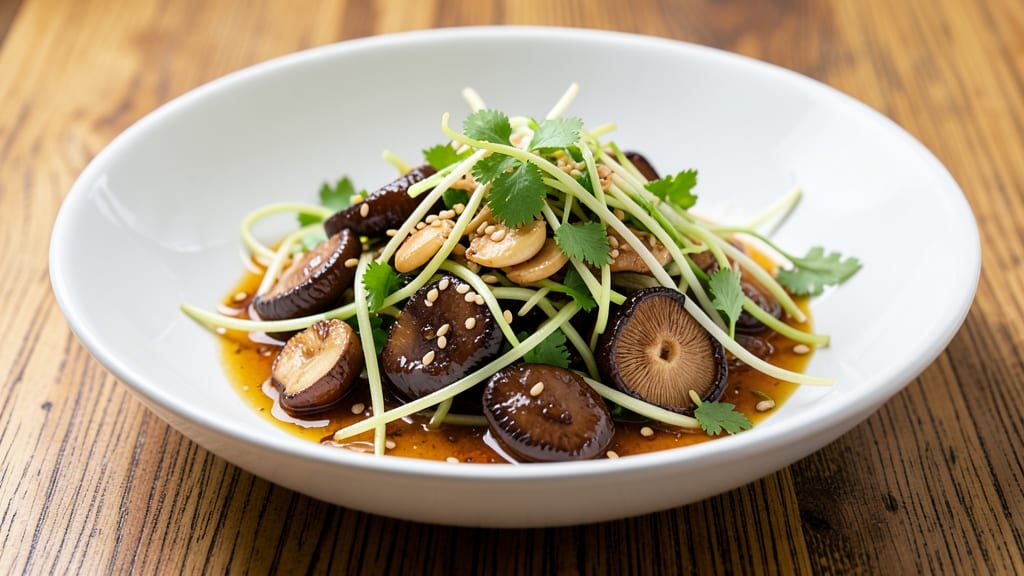
This bean sprouts and mushroom stir-fry delivers restaurant-quality umami in just 15 minutes—no fancy ingredients required. The secret lies in high-heat wok technique that transforms simple ingredients into a savory, textured dish packed with protein and crunch.
I developed this recipe during a particularly busy week when I needed a quick, satisfying meal that didn't sacrifice flavor. What makes this stir-fry special is the balance of textures: crisp-tender bean sprouts, chewy mushrooms, and aromatic garlic-ginger base that builds depth without overpowering.
The dish comes together faster than takeout but with far more complexity—think wok-hei (breath of the wok) in every bite. Perfect for weeknights when you want something beyond salads or pasta sides.
The result is a vibrant, protein-rich dish that holds its shape beautifully, making it ideal for meal prep or serving as a standalone vegetarian main. Serve over steamed rice or noodles to soak up every last drop of that savory sauce.
This is the kind of recipe that proves quick meals can be just as impressive as elaborate ones. Whether you're cooking for one or feeding a crowd, the proportions scale effortlessly while maintaining perfect texture and flavor balance.
Let's get started on creating this umami-packed stir-fry that's as simple as it is satisfying.
Ingredients for bean sprouts mushroom
These vibrant, textured ingredients transform into a restaurant-quality stir-fry in record time.
| Ingredient | Amount | Notes |
|---|---|---|
| Fresh Bean Sprouts 🌱 | 4 cups | Trimmed for even cooking |
| Shiitake Mushrooms 🍄 | 8 oz | Stems removed, sliced thin |
| Garlic Cloves 🧄 | 4 cloves | Minced for aromatic base |
| Fresh Ginger 🌿 | 1 ½ tbsp | Finely grated, peeled |
| Low-Sodium Soy Sauce 🍶 | 3 tbsp | Kikkoman preferred for balance |
| Sesame Oil 🫒 | 1 tbsp | Toasted for nutty aroma |
| Maple Syrup 🍯 | 1 tbsp | For natural sweetness |
| Rice Vinegar 🍶 | 1 tbsp | For acidity balance |
| Extra-Firm Tofu 🥬 | 8 oz | Pressed, cubed |
| Vegetable Oil 🫒 | 2 tbsp | High smoke point |
| Sesame Seeds 🌾 | 1 tbsp | Toasted for garnish |
| Red Chili Flakes 🌶️ | ½ tsp | Optional for heat |
| Diamond Crystal Kosher Salt 🧂 | ½ tsp | For seasoning |
| Fresh Cilantro 🌿 | ¼ cup | Chopped for garnish |
The mushrooms are the umami foundation—shiitake delivers that deep, earthy flavor without needing extra seasoning. Look for plump caps with tightly clustered gills at Whole Foods or your local Asian market; they hold their texture best. Bean sprouts should be crisp and bright green, not wilted or yellowing—Trader Joe's has the freshest in sealed containers. For tofu, extra-firm is non-negotiable; press it for 20 minutes before cubing to avoid a soggy stir-fry. Fresh ginger and garlic should be vibrant and firm, not shriveled or sprouting. The Kikkoman soy sauce is a staple in my pantry for its clean, balanced flavor profile.
No shiitake? Oyster mushrooms or cremini work in a pinch—just slice them slightly thicker since they're denser. Substitute maple syrup with agave nectar at the same amount, or skip it entirely if you prefer a more savory profile. For extra protein, add edamame or chickpeas (½ cup each). Sesame oil can be swapped for avocado oil if you're avoiding nutty flavors, though you'll lose that signature aroma. The rice vinegar adds brightness—if you only have apple cider vinegar, use half the amount. For the tofu, marinate in 1 tbsp soy sauce for 10 minutes before cooking to enhance texture. Chili flakes can be omitted entirely if you prefer no heat, or doubled for spice lovers.
Prep ingredients in this order: press tofu first (it needs time), then slice mushrooms and trim sprouts. Store fresh ginger in the freezer—it keeps for months and grates just as well as fresh. The stir-fry reheats beautifully; portion into airtight containers with a thin layer of oil on top to preserve texture. Keeps for 4 days in the fridge or 3 months frozen. For meal prep, cook the sauce separately and toss with cooled stir-fry to maintain crispness. Garnish with sesame seeds and cilantro just before serving to keep herbs vibrant.
Why You'll Love This Recipe
- Five-Ingredient Magic: I swear by this—just sprouts, shiitakes, garlic, ginger, and soy sauce. That’s it. No crowded pantry raids, no last-minute grocery runs. The mushrooms caramelize in the pan while I chop the rest in under five minutes. Honestly, it’s the kind of recipe that makes me feel like I’ve earned my dinner.
- Umami Bomb: Between us, that combo of shiitakes and soy sauce? It’s a flavor explosion. The mushrooms soak up the garlic-ginger punch, then the sprouts add this fresh crunch that cuts through the richness. I’ll be real: my picky-eating partner actually finishes his plate now. That’s saying something.
- Lunchbox Hero: This keeps perfectly for days—no soggy greens, no wilted disappointment. I pack it in bento boxes for work or toss it into rice bowls for the kids’ lunches. The texture holds up, and the taste? Still ridiculous after three days. My secret weapon for stress-free mornings.
- Budget Flex: Shiitakes might sound fancy, but they’re cheaper than chicken in bulk. Sprouts grow in a jar on my counter, and the rest? Pantry staples. I’ve made this for under $3 per serving, and it still feels like a restaurant dish. That’s the kind of math that makes me smile.
Step-by-step instructions for bean sprouts and mushroom stir-fry
This umami-packed dish comes together in minutes with precise technique and bold flavors.
Prepare and Press the Tofu
Begin by draining the 8 oz extra-firm tofu and wrapping it in a clean kitchen towel. Place a heavy object like a cast-iron skillet on top for 15 minutes to press out excess moisture. This step is crucial—wet tofu will steam instead of sear, resulting in a soggy texture. After pressing, cut the tofu into ½-inch cubes using a sharp knife. The cubes should hold their shape when handled, indicating proper pressing.
While the tofu presses, trim the 4 cups fresh bean sprouts by snapping off the root ends. This ensures even cooking and prevents any bitter stems from dominating the dish. Set aside in a colander and rinse briefly under cold water to remove any dirt. Drain thoroughly and pat dry with paper towels—moisture will prevent proper searing later. The sprouts should look crisp and vibrant, ready to absorb the stir-fry's bold flavors.
Sear the Tofu and Mushrooms
Heat 2 tablespoons vegetable oil in a large wok or skillet over medium-high heat until shimmering. Add the tofu cubes in a single layer, leaving space between each piece to prevent steaming. Let them sear undisturbed for 2-3 minutes until golden brown on all sides. You'll hear a satisfying sizzle as the tofu develops a crispy exterior—this is your signal to gently flip each piece. Transfer the seared tofu to a plate and set aside.
In the same pan, add the 8 oz shiitake mushrooms (stems removed, sliced thin) and cook for 3-4 minutes until they release their moisture and begin to brown. Add the 4 cloves minced garlic and 1.5 tablespoons finely grated fresh ginger, stirring constantly for 30 seconds until fragrant. The mushrooms should soften slightly while retaining their shape, and the aromatics should infuse the pan with their signature warmth. This foundational step builds the dish's umami depth.
Stir-Fry the Sprouts and Combine
Return the seared tofu to the pan along with the 4 cups trimmed bean sprouts. Stir-fry over high heat for 2-3 minutes until the sprouts begin to wilt slightly and turn vibrant green. Add 3 tablespoons low-sodium soy sauce, 1 tablespoon rice vinegar, and 1 tablespoon maple syrup, tossing everything together for 1 minute to coat evenly. The sauce should cling to the tofu and mushrooms, creating a glossy finish.
Push the stir-fry to one side of the pan and add 1 tablespoon sesame oil to the empty space. Let it heat for 10 seconds until fragrant, then pour it over the stir-fry. Immediately add 0.5 teaspoon red chili flakes (if using) and 0.5 teaspoon Diamond Crystal kosher salt, tossing gently to distribute. The dish should now balance sweet, savory, and slightly spicy notes with a nutty aroma from the sesame oil. Remove from heat while the ingredients are still vibrant.
Finish and Garnish
Transfer the stir-fry to a serving platter and drizzle with an additional ½ teaspoon sesame oil for extra richness. Sprinkle evenly with 1 tablespoon toasted sesame seeds and 0.25 cup chopped fresh cilantro. The sesame seeds add a satisfying crunch, while the cilantro brightens the dish with freshness. Serve immediately while the tofu is still warm and the bean sprouts retain their crisp texture.
This dish delivers a perfect harmony of textures—crispy tofu, tender mushrooms, and slightly wilted but still crunchy sprouts—all united by a glossy, umami-rich sauce. The balance of sweet, savory, and spicy flavors makes it equally satisfying as a quick weeknight meal or a light lunch. Each bite should offer a contrast of temperatures and textures, with the heat from the chili flakes cutting through the richness of the tofu and mushrooms.
Pro Tips For Making Bean Sprouts Mushroom
- STIR-FRY IN TWO BATCHES: After burning the first batch of bean sprouts, I learned to split them—half first, then the rest. The wok gets too crowded, and the sprouts steam instead of sear. High heat is non-negotiable here; if your pan’s too small, take the extra 30 seconds and do it twice.
- USE DRY MUSHROOMS FOR FLAVOR: Fresh shiitake stems are tough and often discarded, but dried ones pack deeper umami. Rehydrate a handful in hot water for 20 minutes, then slice—your dish will taste richer without extra soy sauce. (Yes, even if you’re impatient like me.)
- SALT THE SPROUTS FIRST: Toss them with a pinch of salt and let sit for 5 minutes before cooking. This draws out moisture so they crisp up properly instead of turning soggy. I used to skip this, and the texture always suffered—now it’s a habit.
- GINGER NEEDS A GRATE, NOT A CHOP: Minced ginger loses its punch, but a microplane or fine grate releases its oils. Add it raw at the very end of cooking—just 10 seconds of tossing—so it brightens the dish without turning bitter. (Your future self will notice the difference.)
Flavor customization for these flavors
Spice Level Control
Adjust the heat to your preference by modifying the red chili flakes. For a mild version, omit them entirely or use just ¼ tsp—this keeps the dish approachable for kids or sensitive palates.
If you love spice, double to 1 tsp and add a pinch of cayenne pepper to the sauce for lingering heat. I often make a spicy batch for myself and a mild one for guests, using separate pans to avoid cross-contamination. 🌶️
Sweetness Balance
The maple syrup adds natural sweetness that complements the umami mushrooms. For a more pronounced caramel note, increase to 2 tbsp, or reduce to ½ tbsp if you prefer a savory-forward dish. Honey works as a 1:1 substitute, but maple maintains a cleaner flavor.
If you're avoiding added sugars, skip it entirely—the soy sauce and vinegar provide enough depth. The mushrooms' natural sweetness will still shine through.
Umami Boost Options
Enhance the savory profile with 1 tbsp miso paste (white or red) blended into the sauce for depth. Add 1 tsp fish sauce (if not vegan) or 1 tsp soy sauce for extra umami punch.
For a vegetarian boost, stir in 1 tbsp nutritional yeast after cooking—it adds a cheesy, nutty flavor without dairy. I find that shiitake mushrooms already provide enough umami, but these additions elevate the dish for special occasions.
Herb Variations
Swap cilantro for fresh basil (chopped) for a Mediterranean twist, or use Thai basil for an aromatic punch. Add ½ tsp dried thyme during cooking for an earthy note. For a citrusy finish, toss with 1 tbsp lime zest after serving.
I prefer cilantro because it brightens the dish without overpowering the mushrooms' earthiness, but basil adds a refreshing contrast that works beautifully with the sesame oil's nuttiness.
Texture Adjustments
For extra crunch, toss in ½ cup toasted cashews or crispy fried shallots at the end. If you prefer softer textures, reduce the bean sprouts to 3 cups and stir-fry for only 1-2 minutes to keep them crispier.
For a heartier dish, add ½ cup cooked quinoa or brown rice directly to the pan during the final minute of cooking. The rice absorbs the sauce beautifully while adding fiber and staying power.
Regional Flavor Twists
Transform this into a Thai-inspired dish by adding 1 tbsp lime juice, 1 tsp curry powder, and ½ tsp lemongrass paste (or 1 tbsp minced lemongrass).
For a Korean version, replace soy sauce with 1 tbsp gochujang (Korean chili paste) and add 1 tsp sesame seeds to the sauce. The Japanese-inspired take keeps it simple with extra mirin (1 tbsp) and a sprinkle of furikake (seaweed seasoning) at the end.
Each variation keeps the core ingredients while adapting to local flavors.
Nutrition facts
Frequently asked questions
Can I use dried mushrooms instead of fresh shiitake?
Yes, but you'll need to rehydrate them first! Soak 3 oz dried shiitake in 1 cup hot water for 20 minutes until plump, then drain and slice. Use the soaking liquid (reduced by half) to replace 1 tbsp soy sauce in the recipe—it adds extra umami depth. Dried mushrooms intensify flavor but won't replicate fresh texture.
How do I keep the bean sprouts extra crispy?
Pat them completely dry with paper towels before cooking and stir-fry over high heat for only 1-2 minutes until just wilted. For maximum crunch, add them to the pan last and avoid overcrowding. Pro tip: Toss with ½ tsp baking soda in cold water for 10 minutes before draining—this preserves crispness even longer.
What's the best way to reheat leftovers?
Reheat in a dry skillet over medium heat for 2-3 minutes to maintain texture, or use the microwave for 45 seconds with a damp paper towel covering. Never add water—this makes the tofu soggy. For extra crispiness, broil for 1 minute after reheating. Leftovers keep 4 days in the fridge or 3 months frozen.
Can I make this gluten-free?
Replace soy sauce with 3 tbsp coconut aminos (1:1 ratio) and ensure your sesame oil is certified gluten-free. Check mushroom packages—some contain soy-based additives. For extra flavor, add 1 tbsp gluten-free fish sauce (if not vegan) or 1 tsp nutritional yeast to compensate for lost umami. Always verify labels on packaged ingredients.
Why did my tofu turn out mushy?
This usually happens from two common mistakes: insufficient pressing (tofu needs 15+ minutes under weight) or cooking at too low heat. Use extra-firm tofu and sear over medium-high heat until golden brown. For extra insurance, toss pressed tofu cubes in 1 tbsp cornstarch before cooking—this creates a crispy exterior.