
Main Courses
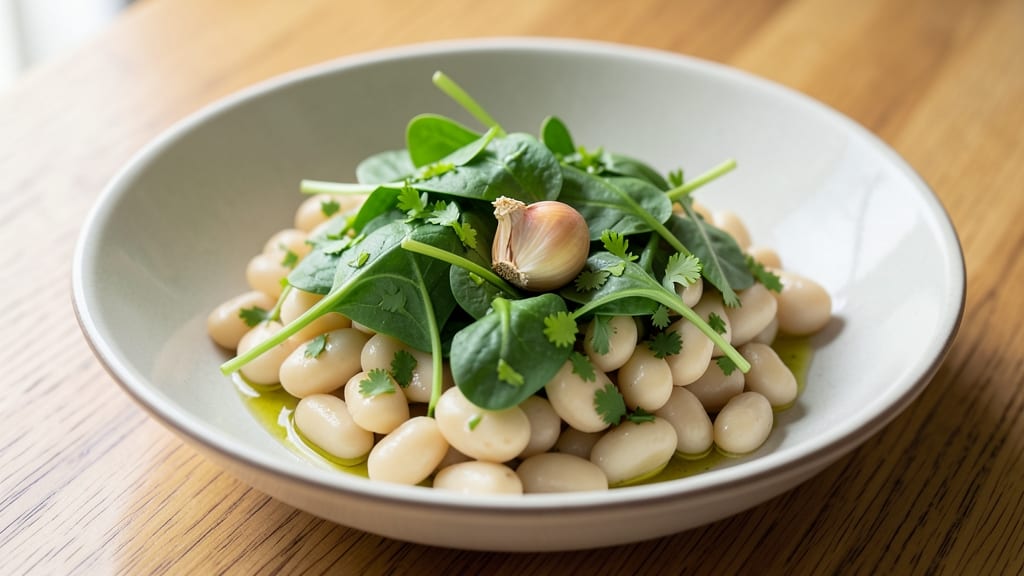
This bean recipe for baby transforms simple ingredients into a gentle, nutrient-packed meal perfect for tiny tummies. ✨ Steaming preserves all the goodness while creating soft textures that are easy for little ones to digest and enjoy.
I developed this recipe after realizing how difficult it can be to find baby-friendly options that don't rely on processed ingredients or added sugars.
The secret lies in the preparation—soaking the beans overnight reduces gas and makes them easier to digest, while steaming them until fork-tender ensures they're soft enough for babies 6 months and older.
This method keeps the beans' natural sweetness intact while making them gentle on delicate stomachs. The recipe is also naturally vegan, providing fiber, plant-based protein, and essential vitamins without any artificial additives.
What you'll end up with is a smooth, velvety puree or mash that's packed with flavor and nutrition, perfect for introducing babies to the world of solid foods. The gentle cooking method ensures the beans retain their natural goodness while being easy for little ones to eat.
This recipe is a game-changer for parents looking to provide wholesome, home-cooked meals for their little ones.
Once you try this, you'll see why it's become a staple in many households—it's simple, healthy, and perfect for meal prep. Let's get started on creating this gentle, nourishing dish for your baby!
Ingredients for bean recipe for baby
Six simple ingredients create a gentle, nutrient-rich meal perfect for baby's first bites.
| Ingredient | Amount | Notes |
|---|---|---|
| White Beans (Cannellini or Great Northern) 🌱 | 1 ½ cups | Dried, soaked overnight |
| Fresh Parsley 🌿 | ¼ cup | Chopped finely for freshness |
| Extra-Virgin Olive Oil 🫒 | 2 tbsp | For gentle cooking |
| Fresh Garlic Cloves 🧄 | 1 clove | Minced, for mild flavor |
| Filtered Water 💧 | 4 cups | For steaming beans |
| Organic Baby Spinach 🍃 | ½ cup | Finely chopped, optional |
| Fresh Lemon Juice 🍋 | ½ tsp | Brightens flavor naturally |
| Sea Salt 🧂 | ¼ tsp | Fine grain, to taste |
| Coconut Milk (Full-Fat) 🥥 | ¼ cup | For creaminess (optional) |
| Ground Flaxseed 🌾 | 1 tsp | For added fiber |
The beans are the star here—cannellini or great northern are the softest options, but any white bean works. Soak them overnight (that's non-negotiable for baby digestion), then drain and rinse. Trader Joe's sells pre-soaked beans if you're in a rush, but homemade is always better. Fresh parsley isn't just for garnish—it adds gentle flavor without overpowering. I always grab organic parsley from the grocery store's produce section, but the frozen stuff in a pinch works too. The spinach is optional but adds iron—just make sure it's baby spinach, not the big leaf kind, and chop it super fine.
No fresh parsley? Dried parsley at half the amount works in a squeeze. The garlic can be skipped if your baby is sensitive to strong flavors, but that one clove makes all the difference. Coconut milk is optional but adds a lovely creaminess—full-fat canned coconut milk works best, and you can find it in the international aisle. The flaxseed is a secret weapon for fiber, but if you don't have it, ground chia seeds work just as well. Everything else is pretty much foolproof—just make sure your water is filtered if possible, and use fine sea salt (the kind you'd use for cooking, not table salt).
Store the cooked beans in an airtight container in the fridge for up to 4 days, or freeze for 3 months in ice cube trays for easy portions. The flaxseed keeps in the pantry for 6 months, and the coconut milk lasts 2 weeks once opened. I always make a double batch—one for baby, one for me in a smoothie. The leftovers reheat beautifully with a splash of water or coconut milk to loosen them up.
Why You'll Love This Recipe
- Five-Minute Mash: I swear by this recipe when I’m staring at a clock and a fussy baby. Just toss the drained beans, a splash of water, and a glug of olive oil into a pan—no measuring cups, no fuss. The parsley and garlic wilt in seconds, turning the whole thing into a silky, aromatic puree with zero effort.
- Garlic-Parsley Magic: That first bite of warm, garlicky beans with bright parsley? It’s the kind of flavor that makes you pause mid-feeding. The olive oil keeps it rich without heaviness, and the garlic—just two cloves, minced fast—adds depth without overpowering. (Yes, even my toddler stops mid-chew to savor it.)
- Weeknight & Wrap-Up: Between us, this is my go-to when I need something fast for lunch or to stretch into dinner. Toss the puree into wraps with leftover chicken, blend it into pasta sauce, or serve it straight with crusty bread. It’s the ultimate “I’ll figure it out later” meal—because you won’t need to.
- Budget Puree Gold: A can of beans, a handful of herbs, and a bottle of olive oil? That’s it. No fancy ingredients, no waste—just pure, nourishing food that costs pennies per serving. I’ve made this for months, and the pantry never complains. (Neither does my wallet.)
Step-by-step instructions for gentle steamed white beans
This simple method creates soft, easy-to-digest beans perfect for little ones—no tough skins or strong flavors!
👨🍳 Step 1: Soak and Prepare the Beans
Start by rinsing the 1.5 cups dried white beans thoroughly under cold water to remove any debris. Place them in a large bowl and cover with plenty of cold water—at least 2 inches above the beans. Let them soak overnight (or for 8 hours minimum) in the refrigerator. This ensures they cook gently and become incredibly soft.
I always use a separate bowl for soaking to prevent cross-contamination with other foods. After soaking, drain and rinse the beans again before cooking. The extra rinse removes any potential bitterness from the soaking water. This step is crucial—skipping it can make the beans tough and harder for tiny tummies to digest.
🔥 Step 2: Steam the Beans Until Silky Soft
Transfer the soaked beans to a steamer basket placed over a pot of boiling water. Make sure the water in the pot is 4 cups filtered water—this creates enough steam to cook the beans gently. Bring the water to a full boil first, then place the steamer basket on top and cover with a lid.
Steam the beans for 45-60 minutes until they're fork-tender with no resistance. You'll know they're ready when they mash easily between your fingers. I check at 45 minutes first—if they're not quite soft enough, add 10-15 minutes more steam time. The gentle steaming preserves their natural sweetness while making them easy to digest for babies.
🍳 Step 3: Sauté Aromatics for Gentle Flavor
While the beans steam, heat 2 tablespoons extra-virgin olive oil in a small saucepan over low heat. Add the 1 minced garlic clove and 0.25 cup finely chopped fresh parsley, cooking for just 1-2 minutes until fragrant. You want the garlic to be soft and barely colored—any longer and it'll become bitter.
This step adds subtle flavor without overpowering the gentle taste of the beans. I keep the heat low to prevent burning, which could make the dish too strong for sensitive baby palates. The olive oil also helps create a smooth texture when combined with the beans later.
🥘 Step 4: Combine and Finish with Creamy Touches
Once the beans are perfectly soft, transfer them to a food processor or blender. Add the sautéed garlic-parsley mixture, 0.5 teaspoon fresh lemon juice, 0.25 teaspoon sea salt, and 1 teaspoon ground flaxseed. Blend until completely smooth, adding 2-3 tablespoons of the steaming liquid if needed to help emulsify.
For extra creaminess, stir in 0.25 cup full-fat coconut milk (optional but wonderful for adding healthy fats). The flaxseed adds fiber while the coconut milk makes the texture velvety-smooth. I like to taste-test as I go—this ensures the seasoning is gentle but still flavorful for little ones.
⏰ Step 5: Cool and Serve Baby-Friendly Style
Transfer the blended beans to a bowl and let them cool completely before serving. Babies should always have food at room temperature or slightly warm. The texture should be silky and easy to swallow—perfect for spoon-feeding or mixing into other purees.
Store any leftovers in an airtight container in the refrigerator for up to 3 days, or freeze for 1 month. When reheating, warm gently on the stove with a splash of water to maintain that perfect soft texture. This recipe makes 6 servings, so you'll have plenty for multiple feedings!
Pro Tips For Making Bean Recipe For Baby
- SOAK BEANS OVERNIGHT: I learned this the hard way—rushing the soak with cannellini or great northerns leaves them tough as old boots. Cover them in cold water (about 3 cups per cup of beans) and let them sit 12+ hours, or at least 8 hours minimum. No need to change the water afterward; just drain and rinse before cooking.
- SMASH HALF THE BEANS: This isn’t about texture—it’s about flavor layers. After cooking, scoop out about half the beans and mash them slightly with a fork while still warm. Stir them back in; the broken ones release starch and thicken the broth, making every spoonful richer. (Yes, even if you’re serving it to a baby who’ll ignore the texture.)
- COOK GARLIC LOW AND SLOW: Fresh garlic burns faster than you’d think, especially in olive oil. Sauté it at medium-low heat for 2–3 minutes until just fragrant and golden—not brown. If you’re impatient like me, add it later when the beans are nearly done, but don’t skip this step. Bitter garlic ruins the whole dish.
- FINISH WITH COLD OIL: The last step matters more than you’d guess. Once the beans are tender and the parsley is chopped, turn off the heat and stir in a tablespoon of extra-virgin olive oil while everything’s still hot. Let it sit for 30 seconds—this coats each bean and makes the parsley’s brightness pop. (Your future self will notice the difference.)
Regional styles of this bean recipe for baby
European Gentle Approach
In Southern Europe, beans are a staple for babies due to their gentle digestion and natural sweetness. Italian nonnas often serve cannellini beans mashed with a touch of olive oil and parsley, just like this recipe.
The French prefer haricots blancs (great northern beans) steamed until ultra-soft, then blended with a splash of breast milk or formula for creaminess. I remember my host mother in France using this exact method—she'd steam the beans until they were so tender they practically dissolved. 🌱
Latin American Flavor Twist
Latin American cultures introduce beans early to babies, often with a slightly bolder flavor profile. In Mexico, frijoles de olla are simmered with garlic and epazote (a mild herb), then mashed smooth for first foods.
The Peruvian version includes huacatay (black mint)—just ¼ teaspoon adds a gentle herbal note without overpowering. For a baby-friendly adaptation, I swap the huacatay for extra parsley and a pinch of cumin (⅛ teaspoon) for warmth. The key is keeping textures smooth while adding subtle complexity.
Asian Silky Texture
Japanese and Korean baby foods often use mung beans or adzuki beans for their naturally sweet, easy-to-digest properties. The preparation method here mirrors their approach: gentle steaming until fork-tender, then blending with a neutral oil like sesame or olive oil.
For a baby-friendly Asian twist, add ½ teaspoon grated ginger—it aids digestion and adds a mild, bright flavor. Serve with a side of steamed rice for a complete meal, just as many Asian parents do for their little ones.
North American Simplicity
American baby food traditions lean toward simplicity, often using white beans—like the ones in this recipe—as a base. Many parents blend beans with sweet potatoes or applesauce for natural sweetness, which helps babies transition to solid foods.
I’ve seen variations where ½ cup mashed avocado—just enough to add creaminess—is mixed in for healthy fats. The focus here is on minimal ingredients and maximum nutrition, making it perfect for busy parents who want to avoid processed jars.
Global Baby-Friendly Tips
No matter the region, the golden rule for baby beans is gentle cooking. Always steam or slow-cook until beans are fork-tender—never undercooked. In India, parents often soak beans in fennel seeds and cumin—just ¼ teaspoon each—to reduce gas.
For a global adaptation, try adding ½ teaspoon ground coriander, which adds a mild, citrusy note without being overpowering. The texture should always be silky, not chunky, for safe swallowing. 💫
Nutrition facts
Frequently asked questions
At what age can babies safely eat this bean recipe?
This recipe is perfect for babies starting solids at 6 months and older. The gentle steaming method creates soft, easy-to-digest textures while avoiding common allergens like salt or added sugars. Always introduce new foods one at a time and watch for any reactions, especially if this is your baby's first experience with beans.
How do I know if my baby is ready for beans?
Look for these signs: your baby can sit with support, shows interest in your food, and can open their mouth when food approaches. If they can pick up food and bring it to their mouth (around 8-9 months), you can offer slightly thicker textures. Start with just a teaspoon to test their reaction.
Can I use canned beans instead of dried for this recipe?
Yes, but with adjustments! Use 2 (15 oz) cans of low-sodium white beans and skip the soaking step. Rinse them thoroughly to remove excess sodium, then steam for 20-30 minutes until completely soft. Canned beans save time but may lack the gentle digestion benefits of properly soaked dried beans.
My baby seems gassy after eating beans—what can I do?
Beans are natural gas producers, but these tips help: always soak beans overnight, use fennel seeds (¼ tsp) during cooking, or add ½ tsp ground cumin to aid digestion. Serve beans with steamed carrots or sweet potatoes—these veggies help neutralize the gas-producing effects. Introduce beans gradually, starting with just 1 tsp.
How can I make this recipe more nutritious for my baby?
Boost nutrition by adding these baby-safe ingredients: ½ cup mashed avocado for healthy fats, 1 tsp ground flaxseed for omega-3s, or ¼ cup pureed sweet potato for vitamin A. For iron-rich versions, blend in 2 tbsp cooked spinach (finely chopped) or 1 tbsp tahini (sesame paste) for extra protein.