
Main Courses
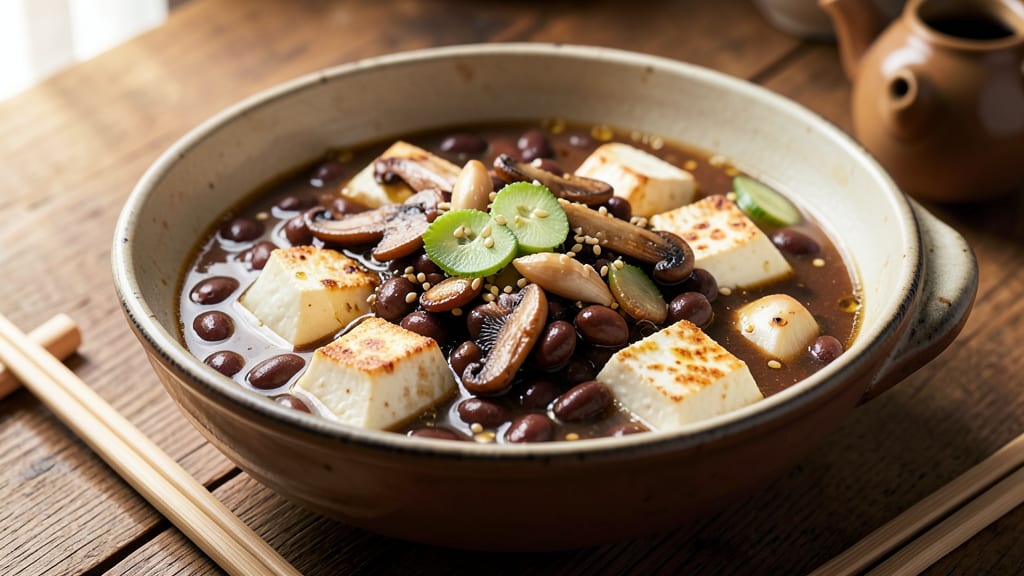
This bean hotpot recipe transforms humble ingredients into a rich, deeply flavorful stew that simmers for hours to develop layers of umami and tenderness. 💛 The secret lies in the slow-cooked broth, where dried beans soften into creamy perfection while absorbing the aromatic blend of soy, ginger, and star anise.
I’ve perfected this version to balance tradition with modern convenience—whether you simmer it all day or use a pressure cooker for 30 minutes of hands-off cooking.
The beauty of this dish is its adaptability: start with a base of dried navy or pinto beans, then customize with tofu, mushrooms, or leafy greens for a vegetarian version.
The broth, infused with garlic, sesame oil, and a splash of rice vinegar, becomes the heart of the meal—thick, savory, and packed with depth. Every spoonful delivers that comforting, restaurant-quality warmth that makes this a weeknight staple.
What you’ll end up with is a steaming bowl of velvety beans swimming in a fragrant broth, where each ingredient—from the earthy mushrooms to the silky tofu—holds its own.
The aroma alone will draw everyone to the table, and the first bite delivers that perfect harmony of textures: tender beans, crisp vegetables, and a sauce that clings to every mouthful. This is the kind of meal that turns a simple dinner into a memorable experience.
Serve with steamed rice to soak up every last drop of that umami-rich broth, or pair it with crusty bread for dipping. The leftovers taste even better the next day, making this an ideal make-ahead dish for busy families. Let’s get started on creating your own deep-simmered masterpiece.
Ingredients for bean hotpot
Simple ingredients that simmer into restaurant-quality bean hotpot magic.
| Ingredient | Amount | Notes |
|---|---|---|
| Dried Navy Beans 🌱 | 1 ½ cups | Rinsed before cooking |
| Firm Tofu 🍱 | 1 lb | Extra-firm preferred, cubed |
| Shiitake Mushrooms 🍄 | 8 oz | Stemmed, sliced thick |
| Garlic Cloves 🧄 | 6 cloves | Minced for depth |
| Fresh Ginger 🌿 | 2 tbsp | Grated, aromatic |
| Sesame Oil 🫒 | 1 tbsp | Toasted for aroma |
| Soy Sauce 🍶 | ½ cup | Low-sodium preferred |
| Rice Vinegar 🍶 | 2 tbsp | For brightness |
| Star Anise 🌶️ | 2 whole | Whole pods for infusion |
| Vegetable Broth 💧 | 4 cups | Homemade or quality store-bought |
| Green Onions 🧅 | 4 whole | Sliced for garnish |
| Sesame Seeds 🌾 | 1 tbsp | Toasted for crunch |
| Salt 🧂 | 1 ½ tsp | Adjust to taste |
| Black Pepper 🌶️ | ½ tsp | Freshly ground |
The beans are the star—navy or pinto hold their shape beautifully, but black beans or chickpeas work too if that's what you've got. I always soak them overnight for even cooking, but the quick-soak method (boiling for 2 minutes then resting) saves time. For the tofu, extra-firm is non-negotiable—it holds up to the long simmer without turning mushy. Trader Joe's sells great pre-cubed tofu, but any block works if you cut it yourself. The mushrooms? Shiitake have that earthy depth, but cremini or oyster mushrooms add their own unique flavor—just make sure they're fresh and firm.
No sesame oil? Toasted peanut oil or avocado oil works in a pinch, though it won't have that nutty aroma. Star anise is key for that subtle anise flavor—if you can't find it, a pinch of anise seeds or even cinnamon can mimic it (though not exactly). The soy sauce matters here—low-sodium lets you control the saltiness better. Fresh ginger is ideal, but dried ginger powder at half the amount gets you close. For extra umami, add a dash of miso paste when you combine everything. And if you're short on green onions, scallions or chives work perfectly for garnish.
This broth gets better with time—30 minutes in a pressure cooker or 4 hours on the stove—so plan ahead. Store leftovers in the fridge for up to 5 days, or freeze portions for 3 months. I like to make a double batch because it reheats beautifully and tastes even richer the next day. The tofu and mushrooms can be prepped ahead too—just store them in the fridge until you're ready to simmer. And if you're using a pressure cooker, add the beans straight from the soak—no need to pre-cook them.
Why You'll Love This Recipe
- One-Pot Magic: I swear by this recipe for lazy nights—just toss in the soaked beans, tofu, and shiitakes, then let the garlic and ginger work their flavor spell. No extra pans, no fuss, just simmering satisfaction.
- Umami Bomb: Those shiitake mushrooms? They turn this into a savory dream—earthy, deep, and impossible to resist. The navy beans soak up all the goodness, while the crispy tofu adds that perfect textural bite.
- Meal Prep MVP: Between us, this is my go-to for lunches. The flavors actually get better the next day, and it reheats like a dream. Pack it in jars or containers—no soggy tofu here, just hearty, satisfying bites.
- Budget-Friendly Powerhouse: Dried beans and bulk tofu stretch this dish into a whole meal without breaking the bank. Honestly, it’s the kind of recipe that makes me feel clever for feeding the family well without stressing over grocery costs.
Step-by-step instructions for deep-simmered bean hotpot
Here's how to transform simple ingredients into a rich, aromatic hotpot bursting with umami flavors.
🍳 Step 1: Toast the Aromatics for Maximum Flavor
Heat a large pot over medium heat and add the 1 tablespoon sesame oil. Once shimmering, add the 6 cloves minced garlic cloves and 2 tablespoons grated fresh ginger. Stir constantly for 1-2 minutes until fragrant and just starting to turn golden—don't let it burn, or you'll get bitter flavors instead of sweet aroma.
Add the 2 whole star anise pods and let them sizzle for 30 seconds until the oil smells deeply aromatic. These whole spices will infuse the broth with warm, earthy notes as they simmer. Here's the thing—don't skip toasting the aromatics. This step builds the flavor foundation that makes the difference between ordinary broth and something extraordinary.
👨🍳 Step 2: Build the Umami Base with Beans and Tofu
Add the 1.5 cups rinsed dried navy beans to the pot and stir to coat them in the aromatic oil. Pour in the 4 cups vegetable broth and bring to a gentle boil. Reduce heat to low and let it simmer for 5 minutes to soften the beans slightly before adding anything else.
While the beans simmer, cube the 1 lb firm tofu into ½-inch pieces and slice the 8 oz shiitake mushrooms into ¼-inch thick pieces. Add both to the pot and stir gently. The tofu will absorb flavors beautifully, while the mushrooms will release their meaty texture as they cook. This is where the magic happens—each ingredient contributes its own depth to the broth.
🔥 Step 3: Simmer for Deep Umami Development
Increase heat to medium-low and let the hotpot simmer uncovered for 45-50 minutes. Stir occasionally to prevent sticking, and add water as needed to maintain 2 cups of liquid in the pot. You'll know it's ready when the beans are tender but not mushy and the tofu has absorbed the rich broth.
Here's the crucial part: taste the broth after 30 minutes and adjust seasoning. Add the ½ cup soy sauce and 2 tablespoons rice vinegar now—the acidity of the vinegar brightens the deep umami flavors. The beans should be fork-tender but still hold their shape. If they're breaking apart, they've been simmered too long. Real talk: this is the moment that matters, so don't rush it.
🥘 Step 4: Finish with Crunch and Garnish
Remove the pot from heat and let it sit for 5 minutes to allow flavors to meld. Toast the 1 tablespoon sesame seeds in a dry skillet over low heat for 1-2 minutes until golden and fragrant. Slice the 4 whole green onions into ¼-inch pieces for garnish.
Ladle the hotpot into bowls, sprinkling each serving with toasted sesame seeds and green onions. The contrast of the crunchy seeds and fresh green onions against the creamy, umami-rich broth is what makes this dish sing. Serve immediately while hot—this hotpot tastes best straight from the pot when all the aromas are at their peak.
⏰ Step 5: Rest and Serve with Confidence
Let the hotpot sit for 2-3 minutes before serving to allow the beans to absorb any remaining broth. This resting time ensures every bite is packed with flavor. The final touch: season with the 1.5 teaspoons salt and ½ teaspoon freshly ground black pepper right before serving to taste.
You've just created a deeply satisfying hotpot where every spoonful delivers layers of texture and flavor. The beans are tender but substantial, the tofu is infused with the aromatic broth, and the mushrooms add their own earthy richness. Don't skip the garnishes—they're not just decoration, they're essential for that perfect final bite.
Pro Tips For Making Bean Hotpot
- SOAK BEANS OVERNIGHT: Dried navy beans need at least 8 hours soaking—or better yet, overnight—to soften properly. I used to cut corners with a quick soak and ended up with a pot of chewy, undercooked beans that ruined the whole dish. Trust me, the extra time makes a real difference in texture.
- PRESS TOFU DRY: Wrap firm tofu in a towel, press it under a heavy pan for 20 minutes, then pat it bone-dry before slicing. Wet tofu turns to mush in hotpot broth, and nobody wants soggy tofu competing with tender beans.
- SAUTÉ MUSHROOMS FIRST: Cook sliced shiitake mushrooms in a dry pan for 3-4 minutes until they release their moisture and develop a golden crust. This step concentrates their flavor and prevents them from turning to mush later in the broth.
- SIMMER GENTLY AFTER BOIL: Once the beans reach a boil, reduce heat to a low simmer and cover the pot—this keeps the beans from splitting open and turning the broth into a gluey mess. I learned this after a particularly disastrous batch where the beans burst like overripe fruit.
Regional styles of this bean hotpot
Chinese Home-Style
In Chinese households, this dish often features dried black beans instead of navy beans for their deeper earthiness. The broth is built with dried shiitake mushrooms soaked overnight and fermented black beans (like douchi) for a funky, salty depth.
I like adding preserved mustard greens for tangy contrast—just slice them thin and toss in the last 10 minutes of cooking.
The key technique here is layering flavors: start with a base of garlic and ginger, then add the fermented beans, and finish with a splash of Shaoxing wine for brightness. 🌶️
Japanese Miso-Inspired
Japanese versions often swap soy sauce for white miso paste (about 2 tablespoons) and use edamame instead of dried beans for a sweeter profile. The broth becomes thicker and more velvety, almost like a miso soup.
I recommend adding wakame seaweed (rehydrated) for a briny touch and thinly sliced daikon radish for crunch. Serve with steamed rice and a drizzle of yuzu kosho for that signature Japanese tang.
The secret here is low-and-slow cooking—simmer for 2 hours to let the miso mellow into the broth. 🍱
Korean Kimchi Bean Hotpot
For a Korean twist, stir in ½ cup kimchi (chopped) and 1 tablespoon gochujang at the end of cooking for heat and tang. The kimchi adds probiotics and a vibrant red color that makes the dish visually striking.
Use adzuki beans instead of navy beans for their natural sweetness, and finish with sesame oil and toasted sesame seeds. The broth should be thicker—reduce it by simmering uncovered for 15 minutes at the end.
Serve with steamed rice and a side of banchan (Korean side dishes) for a full meal. 🌶️
Thai Coconut Bean Curry
Thai-style hotpot transforms this into a creamy coconut curry by adding 1 can (13.5 oz) coconut milk and 1 tablespoon red curry paste. Use chickpeas instead of beans for a nuttier texture, and stir in bamboo shoots and Thai basil at the end.
The sweetness of coconut balances the spice from bird's eye chilies (add 1-2 teaspoons for heat). Simmer for 30 minutes until the coconut milk thickens into a luscious sauce. Garnish with crushed peanuts and lime wedges for that authentic Thai touch. 🥥
Modern Shortcut Version
No time for simmering? Use a pressure cooker or Instant Pot to cut cooking time to 30 minutes. Start by sautéing the aromatics, then add all ingredients except the green onions and sesame seeds. Seal and cook on high pressure for 15 minutes, then natural release.
For extra richness, stir in 1 tablespoon miso paste or a splash of fish sauce (if using meat). This method keeps the beans intact while still developing deep flavor. Perfect for weeknights when you crave comfort but are short on time. ⏰
Nutrition facts
Frequently asked questions
Can I use canned beans instead of dried beans for this hotpot?
You can absolutely use canned beans, but the texture and flavor will differ slightly. For navy beans, drain and rinse 2 (15 oz) cans to remove excess sodium. The hotpot will be ready faster (simmer for 20-25 minutes instead of 45-50 minutes), but the beans won't develop the same deep, creamy texture. If you want a shortcut, try chickpeas or black beans—they hold up well when canned.
How do I make this hotpot vegetarian without tofu?
Swap the tofu for extra-firm tempeh (cubed and pan-fried first for texture) or hearts of palm (sliced thin) for a meaty alternative. For protein, add seitan or lentils (cook separately and add at the end). The mushrooms and beans will still provide plenty of heartiness—just ensure you're using vegetable broth and checking all ingredients for hidden animal products.
Why does my hotpot broth taste too salty?
Broth can taste overly salty if you used high-sodium soy sauce or added too much at once. To fix it, stir in 1-2 tablespoons cold water per cup of broth to dilute the saltiness, then simmer for 5 minutes to rebalance. For prevention, use low-sodium soy sauce and taste as you go—add vinegar or a splash of rice wine to brighten flavors instead of adding more salt.
Can I make this hotpot in a slow cooker?
Perfect for hands-off cooking! Combine all ingredients (except garnishes) in your slow cooker and cook on low for 6-7 hours or high for 3-4 hours. The long cook time enhances flavors, but check liquid levels occasionally—add water if needed to keep the beans submerged. The beans will be even more tender, almost like a thick stew. For extra depth, add 1 tablespoon miso paste during the last 30 minutes of cooking.
What’s the best way to reheat leftover hotpot?
Reheat gently to preserve texture—place the pot over low heat and add 2-3 tablespoons water to prevent sticking. Stir occasionally for 5-7 minutes until steaming. For microwave reheating, cover with a damp paper towel and heat in 1-minute intervals on medium power, stirring between each interval. Avoid boiling, or the beans may turn mushy. Leftover hotpot tastes even better the next day!