
Beverages
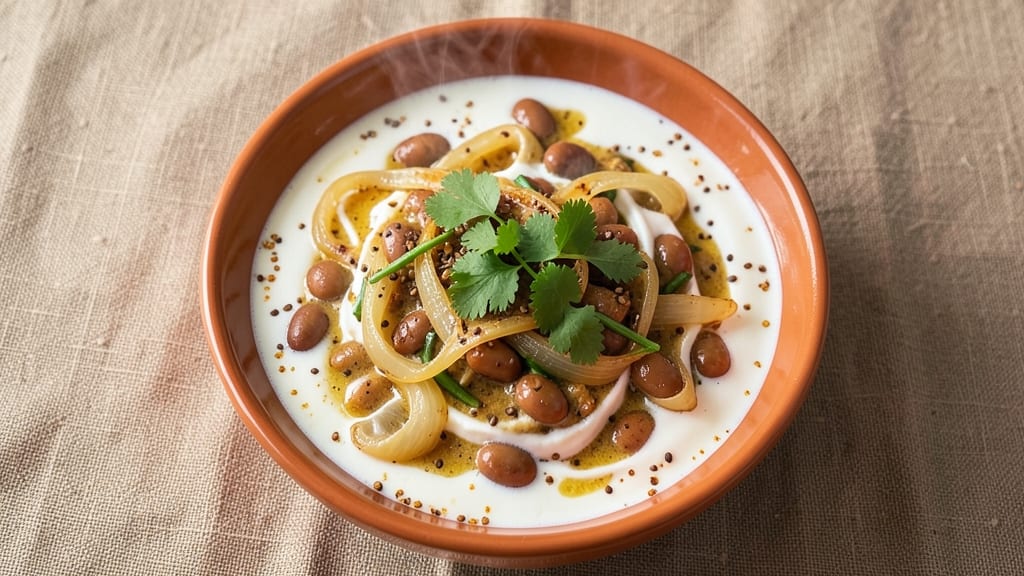
This bean curry recipe with coconut milk delivers velvety spice and creamy depth in every spoonful, transforming simple ingredients into a restaurant-worthy dish. The secret lies in properly tempering whole spices—like cumin and mustard seeds—before adding coconut milk, which creates that signature aromatic base.
I developed this version after years of testing, ensuring the beans stay tender while the sauce remains rich and well-balanced.
What sets this curry apart is the slow simmering process that allows flavors to meld perfectly, resulting in a sauce that's both creamy and deeply flavorful without being overly thick. The coconut milk adds natural sweetness while keeping the dish light enough for weeknight dinners.
Perfect for serving with basmati rice or warm flatbread, this curry is hearty yet adaptable to any meal.
The technique is straightforward but essential: toast your spices until fragrant, then bloom them in oil before adding garlic and ginger. This step unlocks maximum flavor potential before introducing the beans and coconut milk.
The result is a curry that's rich in texture and complexity, with each bite offering a harmonious blend of spice, creaminess, and subtle sweetness.
Whether you're cooking for a family gathering or a cozy weeknight meal, this bean curry delivers consistent, professional-quality results with minimal effort. The one-pot method keeps cleanup simple, while the adaptable spice blend lets you adjust heat levels to your preference.
Ready to experience the perfect balance of creamy richness and bold spices?
Ingredients for bean curry recipe coconut milk
Creamy coconut milk meets aromatic spices and tender chickpeas in this velvety bean curry.
| Ingredient | Amount | Notes |
|---|---|---|
| Yellow Onions 🧅 | 1 ½ cups | Finely diced for even cooking |
| Garlic Cloves 🧄 | 6 cloves | Peeled and minced for aromatic depth |
| Fresh Ginger 🌿 | 2 tbsp | Grated, vibrant and fresh preferred |
| Cumin Seeds 🌶️ | 1 ½ tbsp | Whole seeds, toasted for maximum flavor |
| Mustard Seeds 🌶️ | 1 tbsp | Whole seeds, toasted before blooming |
| Ground Turmeric 🌶️ | 1 ½ tsp | Freshly ground for vibrant color |
| Ground Coriander 🌿 | 1 ½ tsp | Freshly ground for bright flavor |
| Garam Masala 🌶️ | 1 tsp | Store-bought blend for convenience |
| Coconut Milk 🥥 | 1 can | Full-fat, 13.5 oz can, unsweetened |
| Canned Chickpeas 🌱 | 2 cups | Drained and rinsed, 15 oz can |
| Diced Tomatoes 🍅 | 1 can | 14.5 oz can, San Marzano preferred |
| Vegetable Broth 💧 | 1 ½ cups | Low-sodium for balanced seasoning |
| Extra-Virgin Olive Oil 🫒 | ¼ cup | For spice blooming and richness |
| Fresh Cilantro 🌿 | ¼ cup | Chopped, for garnish and freshness |
| Lemon Juice 🍋 | 1 tbsp | Freshly squeezed for brightness |
| Sea Salt 🧂 | 1 tsp | Diamond Crystal preferred |
| Black Peppercorns 🌶️ | ½ tsp | Freshly cracked for depth |
The coconut milk is the heart of this curry—full-fat for maximum creaminess—and San Marzano diced tomatoes elevate the acidity balance. For the spices, whole cumin and mustard seeds must be toasted until fragrant before blooming in oil; this step unlocks their full potential. Penzeys Spices or bulk bins at Whole Foods are ideal for high-quality whole spices. Fresh ginger and garlic should be vibrant and firm, with no soft spots or bruising. The chickpeas? Canned, drained, and rinsed—never skip this step, as excess sodium can overpower the delicate spice profile. For the vegetable broth, low-sodium options like Pacific Foods ensure you control the seasoning.
No whole cumin seeds? Ground cumin at half the amount works in a pinch, though texture differs. Fresh ginger too pungent? Powdered ginger at one-third the amount maintains flavor without overpowering. Running low on garam masala? Mix equal parts ground cumin, coriander, and cinnamon for a close approximation. Substituting coconut milk? Light coconut cream works, but texture will be slightly thinner. For the tomatoes, fire-roasted canned tomatoes add smoky depth without extra effort. The cilantro can be swapped for fresh parsley at equal measure if preferred, though it offers a different herbal note.
Store the curry base—without beans—in the fridge for up to 5 days for quick weeknight meals. The full curry reheats beautifully, with flavors deepening upon the second day. For longer storage, freeze in airtight containers for up to 3 months, though coconut milk may separate slightly upon thawing—simply stir and reheat. Garnish with fresh cilantro and a squeeze of lemon just before serving to brighten the dish. The spices lose potency after opening, so transfer whole spices to an airtight container once toasted to preserve their aroma for future use.
Why You'll Love This Recipe
- One-Pot Magic: I swear by this recipe—just toss everything into one pot, stir, and let it simmer. No chopping mountains of veggies, no last-minute grocery runs for obscure spices. That first sizzle of mustard and cumin seeds? It’s the only warning you’ll get before the whole kitchen smells like a warm hug.
- Coconut-Ginger Crunch: Honestly, the ginger and garlic here aren’t just background players—they’re the stars. Freshly grated ginger hits your tongue first, bright and zesty, then the coconut milk wraps it all in this velvety, slightly sweet embrace. (Yes, even on a Tuesday night, this’ll make you pause mid-bite.)
- Meal Prep MVP: This curry doubles as your lunch for days. Toss it with rice, freeze half for when you’re too tired to cook, or serve it cold in tacos when you’re craving something different. My daughter picks out the onions first thing, but still asks for seconds—proof it’s a crowd-pleaser.
- Budget-Friendly Powerhouse: Beans stretch this recipe into a full meal without breaking the bank. A can of beans, a can of coconut milk, and a handful of spices cost less than takeout, but the flavor? Ridiculously good. Between us, this is the dish I make when I’m low on cash but still want to feel fancy.
Step-by-step instructions for bean curry with coconut milk
Master this aromatic curry with layers of spice and velvety coconut richness in a single pot.
Bloom the Spices in Olive Oil
Heat the 0.25 cup Extra-Virgin Olive Oil in a heavy-bottomed pot over medium heat until shimmering but not smoking. Add the 1.5 tbsp Cumin Seeds and 1 tbsp Mustard Seeds—they'll sizzle and pop within 30 seconds. This blooming step unlocks their full flavor potential.
Immediately add the 1.5 cups Yellow Onions and cook for 5-6 minutes until softened and golden. Stir occasionally to prevent burning. The onions should release their sweetness and caramelize slightly, forming the flavor base for your curry. This foundational step ensures depth in every bite.
Build the Spice Base
Add the 6 cloves Garlic Cloves and 2 tbsp Fresh Ginger to the pot, stirring for 1-2 minutes until fragrant and lightly golden. The garlic should smell pungent and the ginger should soften but not brown. This is your signal to add the ground spices.
In a small bowl, whisk together the 1.5 tsp Ground Turmeric, 1.5 tsp Ground Coriander, and 1 tsp Garam Masala. Sprinkle this mixture into the pot and stir vigorously for 30 seconds to toast the spices briefly. This activates their essential oils, creating a complex aromatic profile that forms the heart of your curry.
Incorporate Tomatoes and Chickpeas
Pour in the 1 can Diced Tomatoes and 1.5 cups Vegetable Broth, scraping the bottom of the pot to release any browned bits. Bring the mixture to a gentle simmer and cook for 8-10 minutes until the tomatoes break down and the flavors meld. You'll notice the sauce thicken slightly as it reduces.
Add the 2 cups Canned Chickpeas (drained and rinsed) and simmer for another 5 minutes, allowing the chickpeas to absorb the rich tomato-spice mixture. The curry should be developing a deep, reddish hue from the tomatoes and a subtle golden tint from the spices.
Add Coconut Milk and Simmer
Pour in the 1 can Coconut Milk, stirring gently to combine. Increase heat to medium-low and simmer uncovered for 12-15 minutes. The coconut milk will create a luscious, velvety texture while the curry continues to deepen in flavor. Stir occasionally to prevent sticking, but avoid over-mixing to maintain the sauce's natural body.
Season with 1 tsp Sea Salt and 0.5 tsp Black Peppercorns, adjusting to taste. The curry should be creamy yet balanced, with the coconut milk's richness complementing the spice complexity. Taste and make final adjustments—this is where you ensure perfect harmony of flavors.
Finish and Serve
Remove the pot from heat and stir in the 1 tbsp Lemon Juice. This brightens the curry, cutting through the richness of the coconut milk and adding a refreshing finish. The lemon juice also helps balance the spices, creating a well-rounded flavor profile.
Garnish with 0.25 cup Fresh Cilantro, chopped finely for a pop of freshness. Serve immediately with steamed basmati rice or warm naan bread. The curry should be thick enough to coat the back of a spoon but still have a silky, velvety consistency that melts in your mouth.
Pro Tips For Making Bean Curry Recipe Coconut Milk
- TOAST YOUR SPICES: Cumin and mustard seeds need heat to wake up—don’t just toss them in. Dry-toast them in a hot pan for 30 seconds until they sizzle and smell nutty before adding onions. I learned this the hard way after a batch tasted flat; those seeds hold the soul of the curry.
- SWEAT ONIONS LOW: Onions should caramelize, not burn. Cook them on medium-low heat for 8-10 minutes, stirring occasionally, until they’re golden but not crispy. High heat turns them bitter—trust me, your taste buds will notice.
- GINGER SLICE THIN: Skip the mincer and grate ginger directly into the pan while cooking. Thin slices release flavor faster and avoid the mushy texture that comes from pre-chopping. (Yes, even if you’re impatient like me.)
- STIR IN COCONUT MILK LAST: Add coconut milk only after the spices and onions have cooked for 5 minutes—this prevents curdling and lets the flavors meld properly. I used to dump it in early and ended up with a watery, uneven dish every time.
Regional styles of these flavors
Indian Coastal Style
In coastal regions like Kerala and Tamil Nadu, this curry often incorporates fresh coconut scrapings instead of canned milk for a lighter, brighter flavor. Use 1 cup grated fresh coconut (from a young coconut) blended with ½ cup water to replace the canned version.
Add 1 tbsp tamarind paste for tanginess and 1 green chili for subtle heat. The result is a more vibrant, slightly tangy curry that reflects the region's tropical influence. 🌊
Thai-Inspired Adaptation
Thai cuisine transforms this dish by adding red curry paste (2 tbsp) and fish sauce (1 tbsp) for umami depth. Swap garam masala for 1 tsp ground lemongrass and ½ tsp galangal (or ginger if unavailable).
Stir in 1 tbsp palm sugar to balance the heat. Serve with jasmine rice and a drizzle of chili oil for an authentic Thai street-food vibe. 🌶️
Caribbean Fusion Twist
The Caribbean version swaps chickpeas for kidney beans and adds 1 bell pepper and 1 scotch bonnet pepper for smoky-sweet heat. Use 1 can coconut cream instead of milk for extra richness, and finish with 1 tbsp lime juice and 2 tbsp chopped scallions.
Serve with coconut rice and grilled plantains for a tropical feast. 🌴
Spanish-Influenced Version
For a Spanish twist, replace garam masala with 1 tsp smoked paprika and ½ tsp cinnamon. Add 1 can fire-roasted tomatoes and 1 tsp saffron threads steeped in ¼ cup warm water.
Use black beans instead of chickpeas and finish with 1 tbsp sherry vinegar for acidity. Pair with paella rice or crusty bread for a fusion-friendly dish. 🍷
Middle Eastern Adaptation
In the Middle East, this curry often includes 1 tbsp ground sumac for tanginess and 1 tsp ground cardamom for warmth. Use 1 can lentils instead of chickpeas and add 1 cup chopped spinach at the end.
Top with toasted pine nuts and serve with warm pita bread or couscous. The result is a hearty, herb-forward dish with Middle Eastern flair. 🌿
Nutrition facts
Frequently asked questions
Can I use coconut cream instead of coconut milk?
The texture will be richer and thicker! Use 1 can coconut cream (13.5 oz) for a more decadent curry, but reduce the simmering time to 10-12 minutes to avoid curdling. The fat content is higher, so you may need slightly less salt. Perfect for a luxurious, restaurant-style dish.
How do I adjust the spice level?
Start with the base recipe, then adjust to taste. For more heat, add ½ tsp cayenne pepper or 1 chopped green chili at the end. To mellow the spices, increase the coconut milk by ¼ cup or add 1 tbsp honey to balance. Always taste before serving!
Can I make this curry in an Instant Pot?
Sauté the spices as directed, then add all ingredients except coconut milk. Pressure cook for 8 minutes, quick-release, stir in coconut milk, and simmer on low heat for 5 minutes. The pressure cooker cuts time by half while keeping flavors deep.
What if my curry is too thin?
Simmer uncovered for 5-10 more minutes to reduce the liquid. If still too thin, mix 1 tbsp cornstarch with 2 tbsp water, stir into the curry, and simmer for 2 minutes until thickened. Avoid over-stirring to maintain the sauce's natural texture.
Are there good bean alternatives?
Yes! Swap chickpeas for black beans, kidney beans, or lentils (use 1.5 cups cooked). For extra protein, add 1 cup cooked tofu (cubed) in the last 5 minutes of cooking. Each bean brings a unique texture and flavor profile to the dish.