
Side Dishes
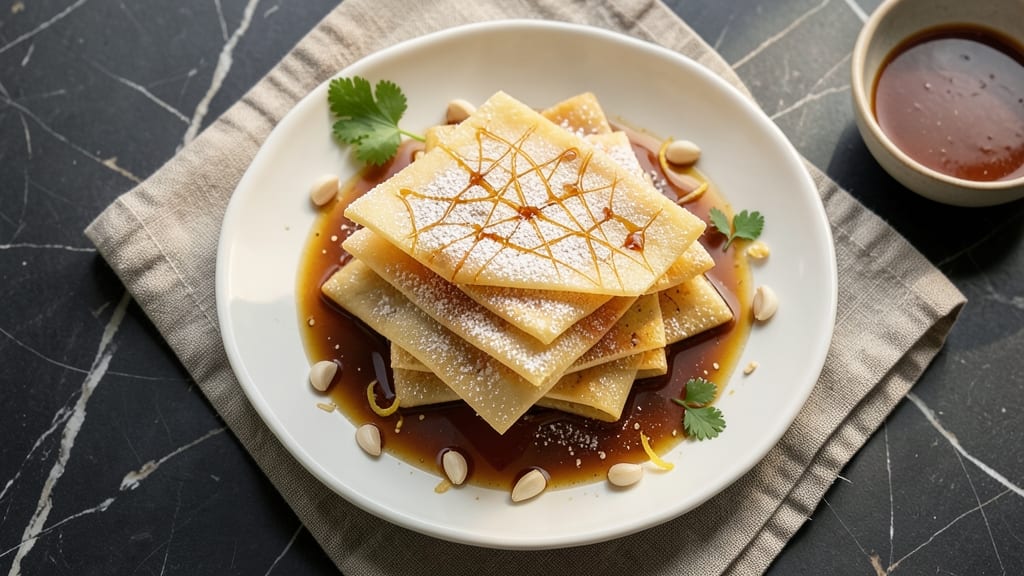
This bean curd sheets recipe transforms delicate vegetarian yuba into irresistibly crispy, golden wok crunch with a silky interior—perfect for stir-fries, soups, or snacking. The secret lies in proper preparation: soaking the sheets to remove excess moisture before achieving that signature crispy texture through precise pan-frying.
What sets this method apart is the balance between delicate handling and high-heat cooking that delivers restaurant-quality results at home.
The process begins with carefully boiling or steaming the bean curd sheets to maintain their delicate structure, then gently drying them to prepare for frying. A light dusting of cornstarch ensures maximum crispiness without compromising the silky texture inside.
The key technique involves frying at medium-high heat just until golden—overcooking turns them rubbery, while perfect timing creates that addictive crunch.
Once crisped to golden perfection, these sheets absorb flavors beautifully when tossed with soy sauce, sesame oil, or your favorite stir-fry seasoning. Serve them immediately as a crispy snack, fold into miso soup for added texture, or use as a wrap for fresh vegetables and dipping sauce.
The contrast of crispy exterior and tender interior makes every bite satisfying, proving that vegetarian dishes can be just as dynamic as meat-based favorites.
This recipe delivers that coveted wok crunch while keeping preparation straightforward—ideal for weeknight meals or special occasions. The method works equally well with store-bought or homemade bean curd sheets, making it accessible for both beginners and experienced cooks. Let's create these crispy, flavorful sheets that elevate any dish they touch.
Ingredients for bean curd sheets recipe vegetarian
Delicate yuba sheets transform into restaurant-quality crispy wok crunch with these twelve essential ingredients.
| Ingredient | Amount | Notes |
|---|---|---|
| Bean Curd Sheets (Yuba) 🍜 | 12 pieces | Store-bought or homemade, dried |
| Cornstarch 🌾 | ¼ cup | Fine grade for even coating |
| Vegetable Oil 🫒 | 2 cups | High smoke point preferred |
| Light Soy Sauce 🍶 | ¼ cup | For post-fry seasoning |
| Sesame Oil 🥜 | 1 tbsp | Toasted for aroma |
| Garlic Cloves 🧄 | 4 cloves | Minced for finishing |
| White Pepper 🌶️ | ½ tsp | Freshly ground preferred |
| Water 💧 | 4 cups | For soaking sheets |
| Baking Sheet 🍳 | 1 whole | For drying sheets |
| Paper Towels 🧻 | 1 package | For blotting excess oil |
| Fresh Ginger 🧅 | 1 tbsp | Grated for finishing |
| Green Onions 🧅 | 3 whole | Thinly sliced for garnish |
The quality of your bean curd sheets makes all the difference. Look for dried yuba at Asian markets—H Mart or 99 Ranch carry reliable brands like Fuji or Koyo. If using homemade sheets, ensure they're fully dried to prevent sogginess during frying. The cornstarch is non-negotiable for crispiness—Bob's Red Mill brand works best due to its fine texture. For the oil, vegetable or canola oil with a high smoke point (around 400°F) prevents burning while frying. Store your dried sheets in an airtight container between parchment paper to maintain their delicate structure.
No light soy sauce on hand? Tamari or coconut aminos work equally well for seasoning. Substituting sesame oil? Avocado oil at half the amount mimics the nutty depth without overpowering. Fresh garlic and ginger are ideal, but dried powder at one-third the amount suffices in a pinch. The white pepper adds subtle warmth—black pepper works too, though it's more visible. For the baking sheet, any sturdy metal pan works, but perforated sheets allow better airflow during drying. If your sheets tear while handling, simply patch them with small pieces of fresh yuba—no one will notice the seam.
Keep your dried yuba sheets refrigerated in an airtight container for up to 2 weeks to maintain crispness. Once fried, serve immediately for maximum crunch, though they'll stay crisp for about 15 minutes if kept warm in a 200°F oven. For longer storage, freeze fried sheets between parchment paper for up to 1 month—reheat in a dry skillet for 30 seconds to restore crispiness. The seasoned oil mixture (soy sauce, sesame oil, garlic, and ginger) can be prepped 2 days ahead and stored in the fridge, making this a perfect make-ahead component for stir-fries or soups.
Why You'll Love This Recipe
- No-Chop Necessary: I swear by this recipe because it’s the only time I don’t have to chop anything. Just tear those bean curd sheets into strips—no knife skills required—and toss them in the pan. The cornstarch gives them that satisfying crunch without any effort.
- Umami Bomb: That light soy sauce and sesame oil combo? It’s pure flavor magic. The yuba soaks up the sauce while staying tender, and the oil adds a nutty depth that makes it taste way more restaurant-worthy than it is to prepare.
- Lunchbox Hero: Between us, this is my go-to for packed lunches. The sheets stay crispy even after a day in the fridge, and I just pack them with a quick side salad or rice. Honestly, it’s the only thing my kids actually eat from their lunchboxes.
- Budget Crunch: A single pack of yuba stretches for multiple meals, and the other ingredients cost pennies. I’ve made this for date nights, potlucks, and lazy Sundays—it’s reliable, filling, and doesn’t break the bank. Plus, leftovers reheat like a dream.
Step-by-step instructions for crispy-fried bean curd sheets
Transform delicate yuba into irresistibly crispy wok crunch with this precise technique.
Soak and Prepare the Bean Curd Sheets
Fill a large bowl with the 4 cups water and add the 12 pieces Bean Curd Sheets (Yuba). Let them soak for 10-15 minutes until completely pliable and translucent. This hydration step is critical—under-soaked sheets will crack during frying, while over-soaked ones will lose their delicate structure.
While soaking, prepare a mixing bowl by combining the 0.25 cup Cornstarch with 1 tbsp Sesame Oil and 0.5 tsp White Pepper. This mixture will create the signature crispy exterior while infusing subtle aromatic notes. Use a whisk to break up any cornstarch clumps, ensuring an even coating for all sheets.
Coat and Dry the Sheets
Remove each yuba sheet from the water and gently pat dry with paper towels to remove excess surface moisture. Immediately dip each sheet into the cornstarch mixture, pressing firmly to ensure complete coverage on both sides. The cornstarch should adhere uniformly—this is what creates that satisfying crunch.
Transfer the coated sheets to the baking sheet lined with fresh paper towels. Arrange them in a single layer with slight spacing between each piece. Let them air-dry for 15-20 minutes at room temperature until they develop a faint matte sheen. This drying step prevents excessive oil absorption during frying, which guarantees that crispy texture you're after.
Fry Until Golden and Crisp
Heat the 2 cups Vegetable Oil in a deep skillet over medium-high heat until it reaches 350°F (use a thermometer for accuracy). The oil should shimmer gently but not smoke excessively—this temperature range is crucial for achieving even crispiness without burning. Working in batches of 3-4 sheets at a time, carefully lower the yuba into the hot oil using tongs.
Fry for 1 minute 30 seconds until the edges curl slightly and the sheets turn golden brown with visible crispy spots. You'll notice the sheets puffing up slightly as they cook—this is normal and indicates proper hydration. Use a slotted spoon to remove the fried sheets and transfer them to the baking sheet lined with paper towels. Immediately blot both sides with fresh paper towels to absorb excess oil while maintaining their crisp texture.
Season and Finish
While still warm, transfer the crispy yuba to a serving platter. Drizzle evenly with the 0.25 cup Light Soy Sauce and toss gently to coat all surfaces. The soy sauce will enhance the umami depth while balancing the crispy texture. In a small bowl, combine the 4 cloves Garlic Cloves (minced) and 1 tbsp Fresh Ginger (grated), then sprinkle this aromatic mixture evenly over the yuba.
Finally, slice the 3 whole Green Onions into thin rings and scatter them artistically over the top. These vibrant garnishes not only add visual appeal but also contribute a fresh contrast to the rich, crispy texture. Serve immediately while still crispy—each piece should hold its shape with a satisfying crunch that gives way to a delicate, silky interior.
Pro Tips For Making Bean Curd Sheets Recipe Vegetarian
- CRACK THE YUBA FIRST: Bean curd sheets are stubborn—soak them in warm water for 2-3 minutes until pliable, not soggy. I learned this the hard way when mine tore into shards; gentle handling is key, especially if you’re folding them later.
- SLICE THE OIL THIN: Use just enough vegetable oil (about 1 tablespoon per side) to coat the pan—not drown it. Too much makes the yuba greasy; too little risks sticking. Medium heat is your friend here—high heat burns, low heat steams.
- DON’T DROWN THE CORNSTARCH: Mix the cornstarch with cold water into a smooth paste first, then stir into the hot oil slowly while frying. My first attempts clumped like glue—now I whisk it like my life depends on it (it doesn’t, but your crispiness does).
- SAVE THE SESAME OIL: Add sesame oil at the very end—just a teaspoon—while the yuba is still sizzling. It burns fast and turns bitter if you wait. Light soy sauce goes in earlier, but that last aromatic punch? Timing matters.
Serving suggestions for this bean curd sheets recipe vegetarian
Crispy Snack Platter
Serve your crispy bean curd sheets as a standalone snack platter with three dipping sauces in small bowls: classic light soy sauce, spicy chili oil, and creamy peanut sauce. Arrange the golden sheets on a large platter with green onions scattered artistically.
Add toasted sesame seeds and crushed red pepper flakes for extra visual appeal and flavor contrast. This presentation makes them irresistible as an appetizer or party snack. 🍽️
Stir-Fry Topper
Toss the crispy yuba into hot stir-fries during the final 30 seconds of cooking to maintain their crunch. I love adding them to garlic green beans or mushroom and bok choy stir-fries—they absorb flavors beautifully while adding satisfying texture.
For extra depth, sprinkle with toasted sesame oil and white pepper right before serving. 🌶️
Soup Enhancer
Fold crispy yuba sheets into hot miso soup or ramen broth just before serving to create a textural contrast. The sheets soften slightly in the hot liquid while maintaining some crunch.
I recommend using white miso for a delicate flavor that complements the yuba's subtle taste. For extra richness, top with soft-boiled egg and scallions. ✨
Wrap Alternative
Use these crispy sheets as a low-carb wrap for fresh vegetables and dipping sauce. Spread 2 tbsp peanut sauce on a sheet, then layer with shredded carrots, cucumber slices, and avocado.
Roll tightly and slice into pinwheels for an elegant appetizer. The crispy exterior holds everything together while adding delightful crunch. 🥗
Garnish for Rice Bowls
Place a few crispy yuba sheets on top of steamed jasmine rice or quinoa bowls to add visual interest and texture. The golden color makes any dish look more restaurant-worthy.
I often pair them with teriyaki-glazed tofu or grilled vegetables for a complete vegetarian meal. The contrast between the crispy sheets and soft rice is pure magic. 💛
Make-Ahead Party Hack
Prepare a batch of crispy yuba sheets ahead of time and store them in an airtight container at room temperature for up to 3 days. Reheat in a 350°F oven for 2-3 minutes to restore crispiness before serving.
This makes them perfect for last-minute gatherings—just reheat and arrange on a platter with your favorite dipping sauces. 💡
Nutrition facts
Frequently asked questions
Can I use fresh tofu instead of dried bean curd sheets?
No, fresh tofu won't work for this recipe—the delicate yuba sheets have a completely different texture and structure. Fresh tofu is too soft and watery to achieve that signature crispy exterior. The dried sheets are specifically designed to absorb cornstarch and fry up perfectly crisp, while fresh tofu would turn rubbery or fall apart. Stick with dried yuba for authentic results!
How do I prevent the sheets from sticking together during frying?
Work in small batches of 3-4 sheets at a time and use tongs to gently lower them into the oil. The sheets will naturally puff up slightly when hot, which creates space between them. Also, make sure your oil is at 350°F—proper temperature prevents sticking. If they do clump, carefully separate them with a slotted spoon while frying.
What if I don't have sesame oil?
You can substitute with avocado oil or neutral oil (like vegetable oil) at half the amount, but you'll miss the nutty aroma. For extra flavor, add 1 tsp toasted sesame seeds to your cornstarch mixture. The key is maintaining the same ratio of oil to cornstarch to ensure crispiness—just reduce the oil quantity by half if substituting.
Can I bake these instead of frying for a healthier version?
Baking won't give you the same crispy texture, but you can try this alternative: Brush the cornstarch-coated sheets with a little oil, then bake at 400°F for 8-10 minutes until golden. They'll be lighter and less crispy, but still delicious! For extra crunch, broil for 1-2 minutes at the end. The result will be more like a crispy chip than traditional fried yuba.
How do I store leftover crispy sheets?
Keep them in an airtight container at room temperature for up to 3 days—they'll lose crispness but stay edible. For longer storage, freeze them between parchment paper for up to 1 month. To revive, reheat in a 350°F oven for 2-3 minutes or warm in a dry skillet for 30 seconds until crispy again.