
Sauces & Condiments
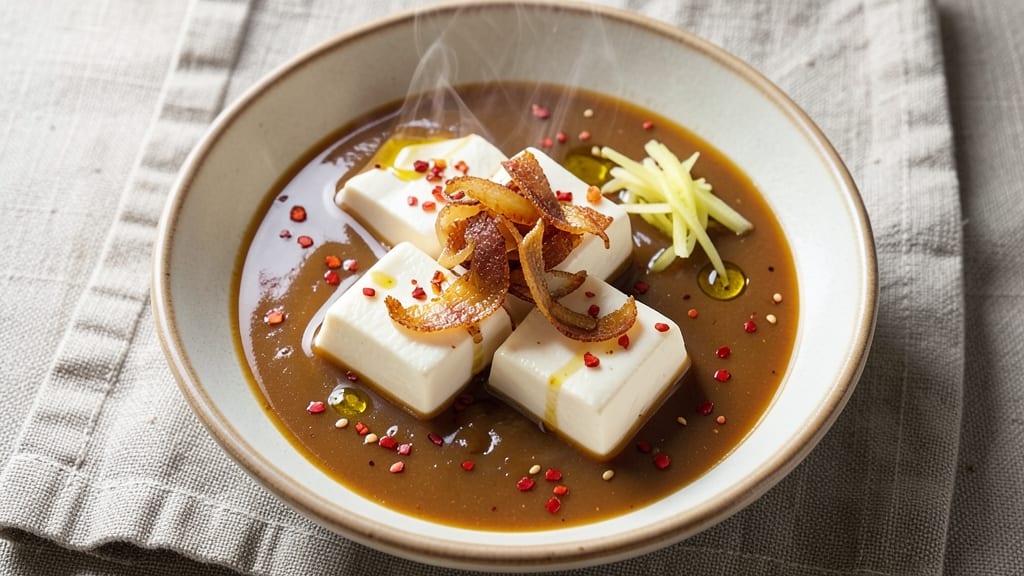
This bean curd sauce recipe transforms simple ingredients into a silky umami glaze that elevates stir-fries, dips, and marinades with restaurant-quality depth. The secret lies in blending silken tofu with aromatic vegetables and fermented soy, creating a velvety sauce that's rich yet balanced.
I developed this after craving that perfect harmony of savory, tangy, and slightly sweet flavors found in Asian cuisine—now you can recreate it at home with just five key ingredients.
The beauty of this sauce is its versatility—it works as a dipping sauce for spring rolls, a glaze for grilled tofu or vegetables, or even a marinade for meats. The tofu base provides natural creaminess without dairy, while garlic, ginger, and chili add layers of complexity.
Unlike store-bought versions, this recipe avoids thickeners like cornstarch, relying instead on proper blending and simmering techniques to achieve that signature smooth texture.
What sets this sauce apart is its fail-safe method: no lumps, no separation, and no aftertaste. The sauce thickens naturally as it cooks, creating a glossy finish that clings perfectly to whatever you're serving.
Best of all, it keeps well in the refrigerator for up to a week, making it an ideal pantry staple for quick meals and last-minute entertaining.
Whether you're a seasoned home cook or new to Asian flavors, this bean curd sauce delivers professional results with minimal effort. The ingredients are simple, the process straightforward, and the reward is a sauce that transforms ordinary dishes into something extraordinary. Let's make it—your taste buds will thank you.
Ingredients for bean curd sauce
Five simple ingredients create this velvety umami sauce perfect for elevating any dish.
| Ingredient | Amount | Notes |
|---|---|---|
| Silken Tofu 🧀 | 1 lb | Extra-firm, drained and pressed |
| Soy Sauce 🥫 | ½ cup | Kosher-style, low-sodium preferred |
| Garlic Cloves 🧄 | 6 cloves | Fresh, peeled and minced finely |
| Fresh Ginger 🌿 | 2 tbsp | Finely grated, organic preferred |
| Red Chili Flakes 🌶️ | 1 tbsp | Adjust for heat preference |
| Sesame Oil 🫒 | 1 tbsp | Toasted, for finishing |
| Rice Vinegar 🍶 | 1 tbsp | White or seasoned variety |
| Maple Syrup 🍁 | 1 tbsp | Pure, for subtle sweetness |
| Cornstarch 🌾 | ½ tsp | Optional, for slight thickening |
| Water 💧 | ¼ cup | Filtered or spring water |
The silken tofu is the foundation—extra-firm ensures proper texture without graininess. Look for brands like House Foods or Nasoya at well-stocked grocery stores, or the organic section at Whole Foods. For the garlic, elephant garlic adds an extra layer of sweetness, but regular cloves work perfectly fine. Fresh ginger should have a vibrant color and firm texture—avoid any with soft spots. The soy sauce should be Kosher-style for balanced saltiness, and San-J or Kikkoman are reliable choices. Toasted sesame oil adds depth, but if unavailable, regular sesame oil works in a pinch.
No silken tofu? Coconut cream blended until smooth provides a similar texture, though the flavor will differ slightly. Substitute miso paste for soy sauce at a 1:1 ratio if you prefer fermented depth. For heat control, reduce red chili flakes to 1/2 tbsp or use chili crisp instead. The maple syrup can be swapped for agave nectar or even a touch of date syrup for different sweetness profiles. If you're avoiding cornstarch, simply omit it—the sauce will still thicken naturally during simmering, though slightly less glossy.
This sauce maintains peak quality for up to 7 days when refrigerated in an airtight container. For longer storage, freeze in 1-tablespoon portions using ice cube trays—perfect for quick flavor boosts. Reheat gently in a saucepan or microwave until just warm. The sauce thickens as it cools, so don't be tempted to add extra liquid. If separation occurs, simply whisk vigorously before using. The aromatic oils will naturally rise to the surface—this is normal and doesn't affect flavor.
Why You'll Love This Recipe
- Few Ingredients, Big Payoff: I swear by this—just silken tofu, soy sauce, and a handful of fresh aromatics. No fancy pantry staples, no last-minute grocery runs. The sauce comes together while you wait for the rice to cook, and honestly? That’s my kind of magic.
- Umami Bomb: That blend of garlic, ginger, and chili flakes? It’s the kind of flavor that lingers. The tofu blends into a velvety base while the soy sauce deepens into something rich and savory—like a hug for your taste buds in sauce form.
- Dip or Dressing: Slather it on noodles, drizzle it over steamed veggies, or just eat it with rice and a spoon. It’s my go-to for lazy nights, potlucks, or when I’m craving something familiar but still exciting. (Yes, even on a Tuesday night.)
- Budget Magic: A block of silken tofu and a few spices stretch this recipe into multiple meals. I make a big batch, refrigerate it, and use it all week—no waste, no stress. Between us, it’s the kind of recipe that makes me feel like I’m feeding a crowd without breaking the bank.
Step-by-step instructions for silky bean curd sauce
Master this velvety sauce that transforms silken tofu into a luxurious glaze for dipping or stir-fry finishes.
Prepare the Silken Tofu Base
Drain and press the 1 lb silken tofu for 15 minutes between paper towels to remove excess moisture. I use a tofu press or heavy books for even pressure—this prevents a watery sauce. Cut the pressed tofu into ½-inch cubes and set aside in a bowl.
The goal is to create a smooth, thickened sauce where the tofu dissolves completely. If your tofu still feels wet after pressing, pat it dry with additional paper towels. This step ensures your sauce will be silky rather than thin and watery, which is crucial for that restaurant-quality finish.
Sauté Aromatics Until Fragrant
Heat a small saucepan over medium-low heat and add the 2 tablespoons fresh ginger and 6 cloves minced garlic. Cook for 2-3 minutes until the ginger becomes translucent and the garlic releases its aroma—don't let it brown or it will become bitter.
This gentle cooking step develops the aromatic foundation of your sauce. I keep the heat low to prevent burning while allowing the ginger to soften and release its essential oils. The aroma should fill your kitchen, signaling it's ready for the next ingredient.
Simmer the Sauce to Thicken
Add the 0.5 cup soy sauce, 1 tablespoon maple syrup, 1 tablespoon rice vinegar, and 0.25 cup water to the pan. Stir well to combine, then bring to a gentle simmer over medium heat. Once simmering, add the tofu cubes and cook for 8-10 minutes, stirring occasionally, until the tofu breaks down completely and the sauce thickens slightly.
You'll notice the sauce transform from a light liquid to a velvety consistency as the tofu dissolves. If it thickens too quickly, add 1 tablespoon water at a time to maintain the right texture. The sauce should coat the back of a spoon but remain pourable.
Incorporate Heat and Thickeners
Reduce heat to low and stir in the 1 tablespoon red chili flakes and 0.5 teaspoon cornstarch mixed with 1 tablespoon water. Simmer for an additional 3-4 minutes until the sauce reaches your desired consistency—it should coat a spoon lightly but remain smooth.
The cornstarch slurry acts as a gentle thickener, while the chili flakes add depth of heat. Taste and adjust seasoning if needed, adding more soy sauce for saltiness or maple syrup for sweetness. This final adjustment ensures your sauce balances all the flavors perfectly.
Finish with Sesame Oil
Remove the pan from heat and stir in the 1 tablespoon sesame oil until fully incorporated. The sauce should now have a glossy sheen and a rich aroma. Let it cool slightly for 5 minutes before serving—this allows the flavors to meld completely.
This sauce works beautifully as a dipping sauce for spring rolls or dumplings, or as a finishing glaze for stir-fried vegetables and proteins. The silky texture and balanced umami-sweet-spicy profile make it incredibly versatile in Asian-inspired dishes.
Pro Tips For Making Bean Curd Sauce
- Blend Garlic Ginger First: Toss minced garlic and grated ginger into the pan before adding oil—this prevents burning and lets the flavors bloom into the sauce. I used to add them after heating the oil, and the sauce always tasted flat until I tried this.
- Press Tofu Dry: Wrap silken tofu in a clean kitchen towel, then place a heavy pan on top for 10 minutes to squeeze out excess water. Wet tofu makes the sauce watery, and no one wants a sad, thin bean curd sauce.
- Low Heat for Soy Sauce: Simmer soy sauce on low heat after adding it—high heat turns it bitter. I learned this after ruining a batch by rushing, and now the sauce stays rich and balanced.
- Toast Chili Flakes: Bloom the red chili flakes in the oil for 10 seconds before adding other aromatics—this deepens their heat and aroma. Skipping this step means your sauce will taste underwhelming, even if you use extra.
Flavor customization for bean curd sauce
Spicy Heat Boost
For a fiery kick, increase the red chili flakes to 2 tablespoons and add 1 teaspoon chili crisp for smoky depth. If you love heat but want complexity, blend ½ teaspoon Sichuan peppercorns (toasted and ground) into the sauce—it adds a tingling numbness that balances perfectly.
I find this works especially well when serving with spicy tofu or dumplings. 🌶️
Sweet & Tangy Twist
Swap the maple syrup for 1 tablespoon honey or agave nectar and add 1 teaspoon lime juice instead of rice vinegar. This brightens the sauce, making it ideal for seafood dishes or as a dipping sauce for vegetable spring rolls.
The tangy-sweet combo pairs beautifully with grilled shrimp or calamari.
Fermented Depth
Replace the soy sauce with ¼ cup miso paste (white or red) for a deeper, funkier flavor. Add 1 tablespoon rice vinegar and reduce the maple syrup to ½ tablespoon—this creates a rich, umami-forward sauce perfect for noodle dishes or as a glaze for mushroom stir-fries.
The fermentation adds complexity that elevates simple ingredients. 💫
Creamy Coconut Version
For a tropical twist, replace the silken tofu with ½ cup coconut cream (chilled overnight to thicken). Add 1 tablespoon lime zest and reduce the water to ¼ cup.
This version works beautifully with Thai-inspired dishes or as a dip for fresh spring rolls. The coconut adds a luxurious creaminess without dairy. ✨
Herb-Infused Variation
Stir in 1 tablespoon fresh cilantro or Thai basil at the end for a bright, herbaceous finish. For extra freshness, add 1 teaspoon grated lemon zest along with the rice vinegar.
This variation pairs wonderfully with grilled meats or as a marinade for tofu skewers. The herbs add a refreshing contrast to the rich umami base.
Smoky Charred Aromas
For a smoky depth, char 1 clove garlic and 1 teaspoon ginger directly over a gas flame or in a dry pan until blackened. Blend the charred aromatics into the sauce before simmering.
This technique adds a campfire-like quality that works amazingly with grilled or smoked dishes. The charred notes elevate the sauce to a whole new level. 🔥
Nutrition facts
Frequently asked questions
Can I make this bean curd sauce without silken tofu?
Yes! For a similar texture, substitute ½ cup coconut cream (chilled overnight) or ¼ cup cashew butter blended with 2 tablespoons water. Both options create a creamy base while keeping the sauce vegan. The flavor will shift slightly—coconut adds a tropical note, while cashews provide a neutral richness.
How do I prevent the sauce from being too thin?
Simmer the sauce uncovered for 1-2 extra minutes to reduce excess liquid naturally. If still too thin, mix ½ teaspoon cornstarch with 1 tablespoon cold water, stir into the sauce, and cook for 1 more minute. Never skip the pressing step for tofu—this removes moisture that causes thinness. For a glossy finish, always finish with sesame oil.
What's the best way to store leftover bean curd sauce?
Transfer to an airtight container and refrigerate for up to 7 days. For longer storage, freeze in 1-tablespoon portions using ice cube trays. Thaw overnight in the fridge and stir well before using. The sauce thickens as it cools, so add 1 teaspoon water if needed when reheating. Always store away from strong odors.
Can I use this sauce on non-Asian dishes?
The umami-rich base works beautifully on grilled meats (like pork or chicken), roasted vegetables, or even as a marinade for seafood. For non-Asian flavors, reduce the chili flakes to ½ teaspoon and add 1 teaspoon smoked paprika instead. It pairs especially well with Mediterranean dishes like lamb kebabs.
Why does my sauce look grainy after blending?
This usually happens if the tofu wasn't pressed properly or if you didn't strain the aromatics well. For silky smoothness, press the tofu for 20 minutes and blend the sauce for 1 full minute after all ingredients are combined. If graininess persists, strain through a fine-mesh sieve before serving. The sauce should have a velvety consistency, not a chunky texture.