
Sauces & Condiments
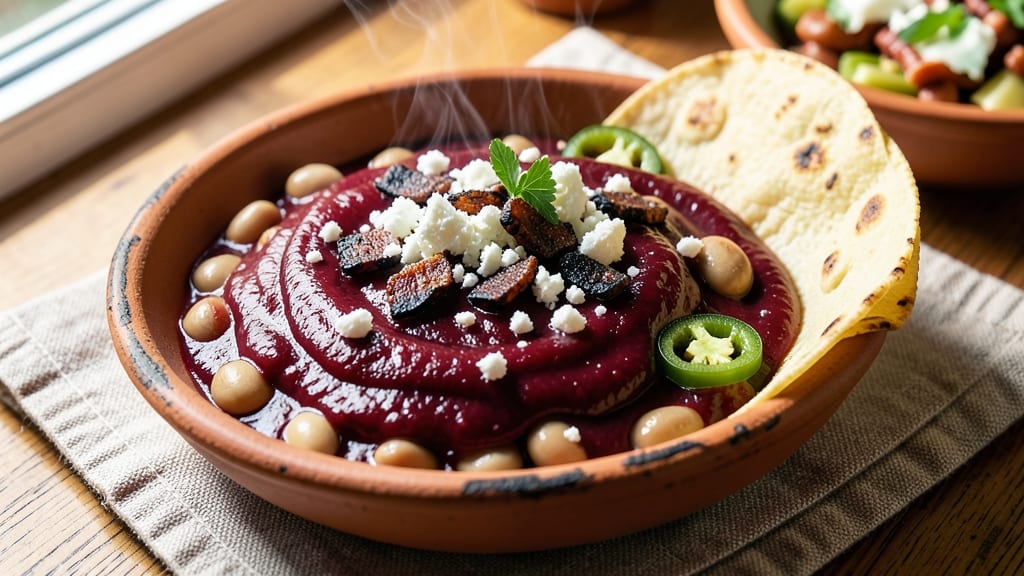
This smoky cumin-tomato bean burrito red sauce transforms simple ingredients into a rich, flavorful base that elevates every burrito, taco, or bowl. The secret lies in slow-simmered tomatoes, earthy cumin, and tender beans that blend into a velvety sauce with deep, satisfying depth.
I developed this recipe after years of testing—it’s the one my family always asks for when burrito night rolls around.
The sauce builds flavor through a simple technique: toast whole spices in oil before adding chopped tomatoes, garlic, and cumin. As it simmers, the spices release their aroma, while the beans break down into a creamy, thick consistency.
A splash of broth keeps it luscious without needing heavy cream, and a touch of vinegar brightens the finish. What you’ll end up with is a sauce that’s bold enough to stand alone but versatile enough to pair with any burrito filling.
Perfect for meal prep, this sauce keeps well in the fridge for up to 5 days or freezes for months, making it ideal for busy weeks. Adjust the heat by adding chili powder or cayenne, or keep it mild for picky eaters.
The texture is thick but spreadable—ideal for slathering on burritos, drizzling over rice, or serving as a dip. Once you try this, store-bought sauces won’t measure up.
For extra depth, stir in a spoonful of the sauce back into the pot at the end—this technique intensifies the smoky, cumin-forward flavors. Serve warm or at room temperature, and watch how it transforms even the simplest burrito into a restaurant-worthy meal. Ready to make it? Let’s get started.
Ingredients for bean burrito red sauce
Simple pantry staples create this restaurant-quality bean burrito red sauce.
| Ingredient | Amount | Notes |
|---|---|---|
| Extra-Virgin Olive Oil 🫒 | 2 tbsp | For toasting spices |
| Yellow Onion 🧅 | 1 whole | Diced, medium size |
| Garlic Cloves 🧄 | 4 cloves | Peeled, minced |
| Ground Cumin 🌿 | 2 tbsp | Toasted for depth |
| Dried Chili Powder 🌶️ | 1 ½ tbsp | Adjust for heat |
| Canned Tomato Sauce 🍅 | 1 ½ cups | San Marzano preferred |
| Canned Black Beans 🫘 | 1 ½ cups | Drained and rinsed |
| Vegetable Broth 💧 | 1 cup | Low-sodium preferred |
| Apple Cider Vinegar 🍎 | 1 tbsp | For brightness |
| Salt 🧂 | 1 ½ tsp | Kosher or sea salt |
The cumin and chili powder are non-negotiable for that signature smoky depth. Penzeys or bulk bins at natural grocery stores have the freshest spices—look for vibrant color and no clumping. The San Marzano tomato sauce makes a noticeable difference in flavor compared to regular brands, but any quality canned tomato sauce works if you're short on time. Black beans should be tender but not mushy—low-sodium brands like Goya or Bush's are my go-to for meal prep. Toast the spices in the olive oil for about 30 seconds until fragrant—this step builds the foundation for all that smoky flavor.
No cumin? Smoked paprika at half the amount gets you close, though it won't be quite the same. Fresh garlic is ideal, but if you're using jarred, make sure it's the minced kind without added oils. The vinegar is key for balancing the richness—red wine vinegar works too. For extra thickness, mash half the beans with a fork before adding them to the pot. If you prefer a smoother texture, blend the finished sauce briefly. Want more heat? Add cayenne or hot sauce to taste. The sauce thickens as it cools, so don't worry if it looks too loose right after cooking.
This sauce tastes even better the next day as flavors meld. Store in an airtight container in the fridge for up to 5 days or freeze portions for 3 months. I like to freeze it in ice cube trays—perfect for portion control when making burritos later. If it thickens too much after refrigerating, stir in a splash of broth or water to loosen it. The sauce reheats beautifully—just warm it gently on the stove or microwave until hot. It's also fantastic cold as a dip for tortilla chips or veggie sticks.
Why You'll Love This Recipe
- No-Fuss Stovetop Magic: I swear by this sauce because it’s the kind of recipe that doesn’t need a fancy technique—just a pot, a splash of olive oil, and 15 minutes of your time. Sauté the onion and garlic until they’re soft and golden, then toss in the cumin and chili powder. That’s it. No blenders, no strainers, no mess.
- Deep, Smoky Comfort: The cumin and chili powder work together like a dream, giving this sauce that warm, earthy kick that sticks with you. Honestly, the first time I made it, I thought, “This is the kind of flavor I’d pay for at a restaurant.” The olive oil adds richness without overpowering, and the garlic? Oh, it’s there—in the best way.
- Weeknight & Meal Prep Hero: This sauce is my go-to for busy nights because it doubles as a marinade, a bowl topping, or a burrito filling. I’ll make a big batch on Sundays, store it in the fridge, and use it all week—tossed with rice, drizzled over eggs, or stuffed into tortillas. (Yes, even on a Tuesday night.)
- Budget-Friendly Pantry Power: Between us, this recipe is one of the most cost-effective ways to add serious flavor to meals. A few cents’ worth of spices and basic veggies turn into something that feels like a splurge. And because it keeps well, you’re not scrambling for last-minute takeout when the cravings hit.
Step-by-step instructions for smoky cumin-tomato bean sauce
This sauce delivers deep, smoky flavor with just a few key techniques—perfect for burritos.
Toast the Spices in Olive Oil
Heat the 2 tablespoons extra-virgin olive oil in a medium saucepan over medium-low heat. Add the 2 tablespoons ground cumin and 1.5 tablespoons dried chili powder, stirring constantly for 1-2 minutes until the spices release their aroma and turn slightly darker. You'll smell that earthy, toasty cumin scent—this step builds the sauce's foundation.
Watch the oil carefully—it should shimmer but not smoke. If it starts to darken too quickly, reduce the heat immediately. Once the spices are fragrant, add the diced yellow onion and cook for another 3-4 minutes until softened but not browned. This gentle cooking prevents bitterness and ensures even flavor distribution.
Add Garlic and Simmer the Base
Stir in the 4 minced garlic cloves and cook for 30 seconds until fragrant—you'll know it's ready when the kitchen smells like fresh garlic. Immediately add the 1.5 cups canned tomato sauce and 1 cup vegetable broth, stirring to combine. Bring the mixture to a gentle simmer over medium heat, then reduce to low heat and let it cook uncovered for 8-10 minutes.
This simmering time allows the flavors to meld and the sauce to thicken slightly. Stir occasionally to prevent sticking, and taste occasionally to monitor seasoning. The sauce should be smooth with no raw garlic flavor remaining—this is your flavor base before adding the beans.
Incorporate Black Beans and Acid
Add the 1.5 cups drained and rinsed black beans and 1 tablespoon apple cider vinegar to the saucepan. Stir well to combine, then add the 1.5 teaspoons salt. Increase the heat to medium-low and let the sauce simmer for another 5-7 minutes, stirring occasionally. The beans will break down slightly, releasing their starch and thickening the sauce naturally.
The vinegar brightens the flavors and balances the richness of the beans and tomato sauce. You'll notice the sauce becomes slightly thicker and more cohesive. If it's too thick for your preference, you can add 1-2 tablespoons water to reach your desired consistency. The sauce should coat the back of a spoon but still be pourable.
Adjust and Finish
Taste the sauce and adjust the seasoning if needed. You might need a bit more salt, especially if you used low-sodium broth. For extra depth, you can add a pinch of black pepper or a dash of smoked paprika if you have it on hand. The sauce should be rich, slightly smoky, and balanced with a touch of acidity from the vinegar.
Let the sauce sit off the heat for 5 minutes before using it. This resting time allows the flavors to fully develop and the sauce to reach its ideal consistency. Serve immediately over burritos, or store in an airtight container in the refrigerator for up to 5 days. For best results, reheat gently on the stovetop, stirring occasionally to prevent scorching.
Pro Tips For Making Bean Burrito Red Sauce
- SWEAT THE ONIONS LOW: I learned this the hard way—drowning onions in oil at high heat turns them bitter and burns before they soften. Keep the heat at a steady simmer (around medium-low) and let them cook uncovered for 8-10 minutes until they’re translucent and just starting to caramelize. That’s when the flavor actually develops.
- TOAST THE SPICES: Skip the pre-ground spices if you can—whole cumin seeds and chili powder (if using dried flakes) release way more aroma when toasted first. Heat 1/2 teaspoon of olive oil in the same pan after the onions, add the cumin seeds, and toast for 30 seconds until fragrant. Then grind the cumin fresh (or crush the chili flakes between your palms) right into the sauce. It’s the difference between a basic sauce and one that smells like a Mexican street cart.
- CONTROL THE GARLIC: Garlic burns faster than you’d think, and once it’s blackened, the whole sauce turns bitter. Peel and smash the cloves with the flat side of your knife first—this keeps them whole but softens them faster. Add them to the pot with the spices and cook for just 30 seconds, stirring constantly, until they’re golden but not crisp. Overcooking is the fastest way to ruin a sauce.
- SAVE TIME WITH ACID: If you’re short on time, add a splash of vinegar (apple cider or white) or a pinch of citric acid when you’re done cooking. It brightens the flavors instantly and cuts through the heaviness of the beans. I usually add 1 teaspoon of vinegar at the end, right before blending or mixing with the beans—it’s a game-changer for depth.
Storing and reheating your bean burrito red sauce
Refrigerator Storage
Transfer your sauce to an airtight container once cooled—glass jars or BPA-free plastic containers work best. Store in the fridge for up to 5 days, where flavors deepen as spices meld.
I like to press plastic wrap directly on the surface to minimize oxidation. The sauce thickens slightly when chilled, so stir in 1-2 tablespoons broth before reheating if needed. 💛
Freezer Prep
For longer storage, freeze in ice cube trays for portion control or quart-sized freezer bags for bulk. Leave ½-inch headspace to prevent expansion cracks. Label with the date—this sauce keeps 3 months without quality loss.
Thaw overnight in the fridge before reheating. For quick use, microwave individual cubes directly in the burrito wrapper. ❄️
Reheating Methods
Stovetop reheating preserves texture best: Warm sauce in a saucepan over low heat for 3-5 minutes, stirring frequently. For microwave reheating, use 50% power in 1-minute intervals, stirring between each. Never microwave uncovered—it can splatter. If the sauce separates, whisk in 1 tablespoon broth to restore consistency. 🔥
Texture Adjustments
After refrigeration, the sauce may thicken significantly. Thin with broth or water (start with 1 tablespoon) until smooth. For extra creaminess, mash ¼ cup beans before adding to the pot.
If too thin, simmer uncovered for 5-10 minutes to reduce. The ideal consistency coats the back of a spoon but remains spreadable. ✨
Flavor Boosts
Revive day-old sauce by warming with ½ teaspoon cumin or a splash of vinegar. For heat, add ¼ teaspoon cayenne. If bland, boost with ½ teaspoon salt or a pinch of smoked paprika. The sauce also works cold—great for taco dips or bean dip bowls. 🌶️
Burrito Prep Tip
Keep reheated sauce in a thermos for burrito assembly—it stays warm for 2 hours. For meal prep, assemble burritos with sauce, then wrap tightly in parchment paper and freeze.
Reheat burritos directly from frozen in a 350°F oven for 20 minutes. The sauce reheats evenly without drying out. 💡
Nutrition facts
Frequently asked questions
Can I make this sauce without beans?
The beans are key for that signature creamy texture and hearty flavor, but you can substitute ½ cup cooked lentils or ½ cup pureed white beans if needed. For a tomato-only version, reduce the broth to ½ cup and simmer uncovered for 15 minutes to thicken naturally. The sauce will be thinner but still delicious over tacos or bowls.
How do I adjust the spice level?
For milder heat, reduce the chili powder to 1 tablespoon and omit cayenne. For extra kick, add ½ teaspoon cayenne or 1 teaspoon hot sauce at the end. If using fresh chiles like jalapeños, remove seeds and dice ½ pepper—simmer for 5 minutes to mellow the heat. Always taste before serving!
Can I use fresh tomatoes instead of canned sauce?
Yes! For 2 cups fresh tomatoes, roast them at 400°F for 20 minutes until caramelized, then blend with 1 tablespoon tomato paste to thicken. Use this puree instead of canned sauce, and add 1 extra tablespoon vinegar to balance acidity. Fresh tomatoes add brighter flavor but require more prep time.
Why did my sauce turn out too thin?
This usually happens if you didn't simmer long enough or used too much broth. To fix it, simmer uncovered for 5-10 minutes to reduce, or stir in 1 tablespoon cornstarch mixed with 2 tablespoons water and cook for 2 minutes. For prevention, mash half the beans before adding or reduce broth to ½ cup. The sauce should coat the back of a spoon.
What are the best ways to use leftover sauce?
This versatile sauce works as a dip for tortilla chips, a topping for nachos, or a base for veggie bowls. Freeze extras in ice cube trays for portion control—just pop one into burritos or tacos when reheating. It also makes an excellent filling for stuffed peppers or a quick pasta sauce. Don't let leftovers go to waste!